

What Is a Sustainable Capsule Furniture Collection and Why Does It Matter in 2026?
A sustainable capsule furniture collection consists of a curated set of versatile, high-quality pieces that work together harmoniously while minimizing environmental impact. This approach prioritizes timeless design over fleeting trends, reducing waste and consumption. Instead of filling your home with disposable furniture, you invest in durable items made from eco-friendly materials that last decades. The capsule concept mirrors minimalist fashion—fewer items, better quality, maximum functionality. By 2026, consumers increasingly recognize that sustainable furniture reduces carbon footprints, supports ethical manufacturing, and creates more intentional living spaces. This methodology aligns with the broader sustainable furniture market growth forecast for 2033, where eco-conscious purchasing drives industry innovation.

Building a sustainable capsule collection saves money long-term despite higher initial investments. Quality pieces withstand years of use without replacement, eliminating the cycle of constant redecorating. You’ll also enjoy reduced decision fatigue—fewer choices mean clearer design direction. Environmental benefits include decreased landfill waste, lower manufacturing emissions, and reduced resource extraction. In 2026, sustainable furniture options span diverse price points and styles, making eco-friendly choices accessible to more households than ever before.
Key Takeaway: A sustainable capsule furniture collection combines timeless design, quality materials, and intentional curation to create lasting, beautiful spaces while minimizing environmental harm.
How Do You Choose Foundational Pieces for Your Capsule Collection?
Foundational pieces form the backbone of your capsule furniture collection. These are neutral, versatile items that anchor your design scheme and pair easily with accessories and future additions. Start by selecting a quality sofa or sectional in a neutral color like gray, beige, or cream. This piece will likely be your largest investment and should reflect your lifestyle—consider durability, fabric type, and whether you need pet-friendly or stain-resistant materials. Next, choose a dining table that accommodates your household size and entertaining habits. Solid wood tables in classic designs age beautifully and work across multiple decor styles.

Bedroom foundations include a sturdy bed frame and quality mattress. Invest in sustainable bedding materials like organic cotton or linen. A simple nightstand and dresser complete the essentials. Living room foundations might include a coffee table and side tables in complementary wood finishes.
Essential foundational pieces for your capsule collection:
- Neutral-colored sofa or sectional in durable fabric.
- Solid wood dining table with timeless proportions.
- Quality bed frame and sustainable mattress.
- Functional nightstands and bedroom dresser.
- Coffee table and accent tables in matching wood tones.
- Storage pieces like shelving or media console.
Key Takeaway: Choose neutral, versatile foundational pieces in quality materials that will anchor your design for years without requiring replacement.
What Sustainable Materials Should You Prioritize for Long-Lasting Furniture?
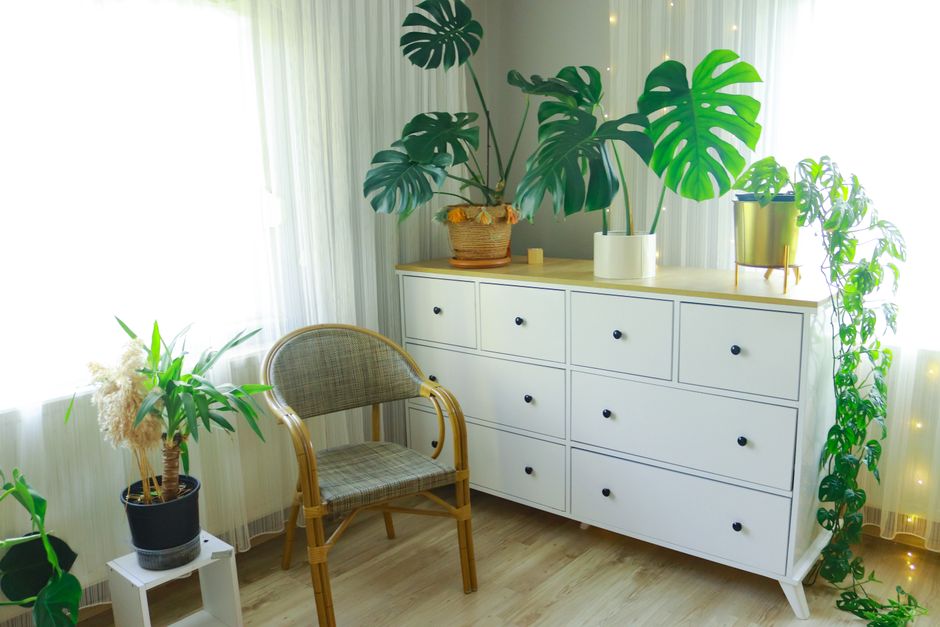
Material selection directly impacts both durability and environmental footprint. FSC-certified wood and reclaimed wood represent excellent sustainable options for furniture frames and surfaces. FSC certification ensures responsible forest management and replanting practices. Reclaimed wood carries the additional benefit of avoiding new tree harvesting while adding character to pieces. Solid hardwoods like oak, walnut, and maple outlast cheaper softwoods and veneers by decades.
For upholstered furniture, seek organic cotton, linen, or wool fabrics that biodegrade naturally. Sustainable performance leather offers an eco-friendly alternative to conventional leather, providing durability without traditional leather’s environmental costs. Avoid synthetic fabrics like polyester that shed microplastics and persist in landfills indefinitely. Check for certifications like OEKO-TEX, which verify low-toxin manufacturing.
Priority sustainable materials for capsule furniture:
- FSC-certified or reclaimed solid wood for frames and surfaces.
- Organic cotton and linen for upholstery and textiles.
- Natural wool with low-impact dyes.
- Sustainable performance leather or innovative plant-based alternatives.
- Recycled metal for hardware and structural components.
- Non-toxic finishes and adhesives certified by third parties.
Understanding Material Certifications and Labels
Certifications guide informed purchasing decisions. Reducing volatile organic compounds (VOCs) in home furniture improves indoor air quality and indicates responsible manufacturing. Look for GREENGUARD Gold certification, which ensures low-chemical emissions. The Forest Stewardship Council (FSC) logo confirms sustainable wood sourcing. Cradle to Cradle certification evaluates entire product lifecycles, from material sourcing through end-of-life recyclability. OEKO-TEX Standard 100 certifies textile safety and sustainability. These labels require third-party verification, making them more reliable than unsubstantiated green claims.
Key Takeaway: Prioritize FSC-certified wood, organic natural fibers, and certified low-toxin finishes to ensure your capsule furniture lasts decades while maintaining environmental integrity.
How Can You Build a Cohesive Color Palette and Design Scheme?
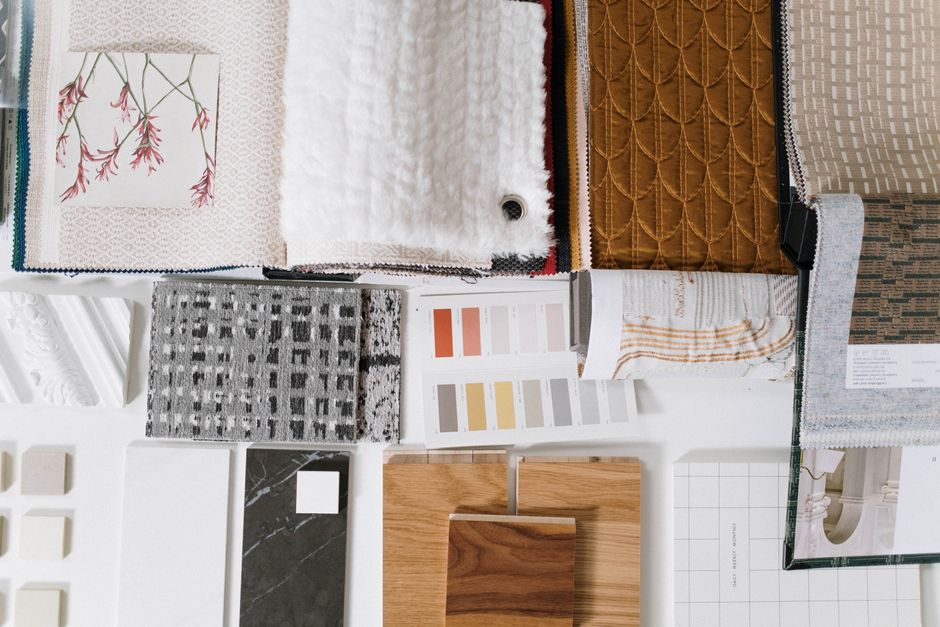
A unified color palette creates visual harmony and allows pieces to work together seamlessly across years and style evolution. Start with two neutral base colors—typically from your foundational sofa and flooring—like warm gray and cream. Add one accent color that reflects your personality, perhaps forest green, terracotta, or navy blue. This three-color foundation provides flexibility for accessories while maintaining cohesion. Restrict wood tones to two finishes maximum—for example, light oak and dark walnut—to prevent visual clutter.
Design cohesion extends beyond color to style consistency. Choose a design direction: Scandinavian minimalism, mid-century modern, farmhouse, or contemporary. This doesn’t mean rigid conformity but rather selecting pieces that share design language. A mid-century sofa pairs beautifully with tapered-leg tables and simple geometric accessories. A farmhouse aesthetic welcomes reclaimed wood and vintage-inspired pieces. This intentional approach prevents the “too many styles” feeling that makes spaces feel chaotic.
Creating Visual Flow Across Your Home
Capsule furniture collections achieve their full potential when pieces flow naturally from room to room. Consistent wood finishes, fabric textures, and color accents create visual continuity. A dining table’s wood tone should harmonize with bedroom dressers and living room shelving. Upholstery colors can vary slightly but should share undertones—warm grays rather than cool grays mixed together. Accessories tie spaces together: matching throw pillows, coordinated artwork, and consistent hardware finishes make the collection feel intentional rather than random.
Key Takeaway: Build your capsule collection around two neutral base colors, one accent color, and a consistent design style to create visual harmony throughout your home.
What Practical Steps Should You Take When Shopping for Sustainable Furniture?
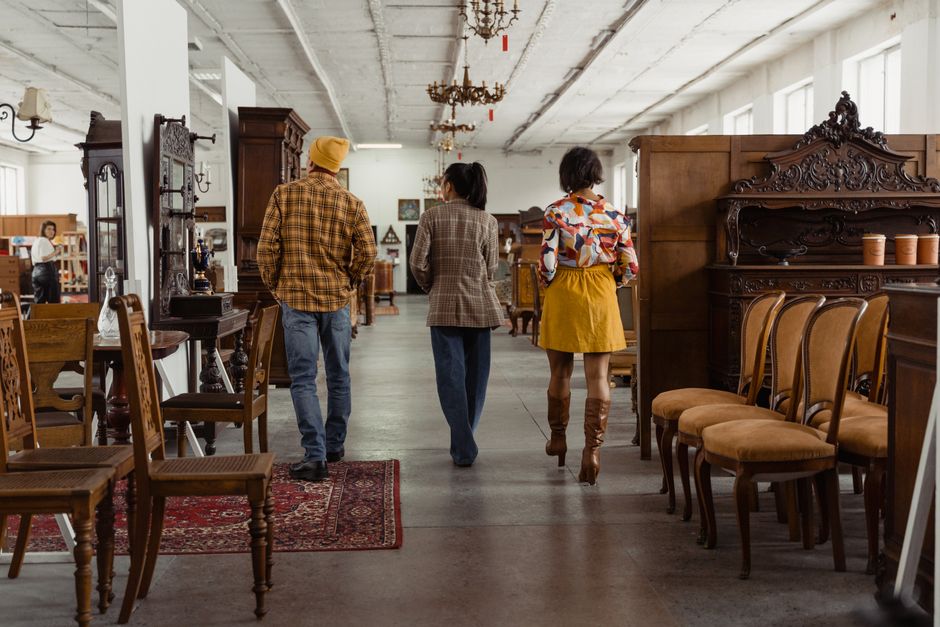
Successful capsule building requires strategic shopping practices. Begin by creating a detailed inventory of what you already own, assessing quality and condition. Measure your spaces precisely—room dimensions, doorways, and existing furniture—to ensure new pieces fit physically and proportionally. Research brands before purchasing, checking certifications, manufacturing transparency, and customer reviews. Many sustainable furniture makers publish detailed sustainability reports and material sourcing information on their websites.
Shopping strategy for sustainable capsule furniture:
- Audit existing pieces and identify gaps in your collection.
- Measure all spaces and note doorway dimensions carefully.
- Research brands’ sustainability credentials and certifications.
- Compare prices across platforms like Amazon and Wayfair’s sustainable furniture offerings.
- Read detailed product descriptions focusing on materials and construction.
- Check return policies and delivery options before purchasing.
- Prioritize one quality piece over multiple mediocre items each month.
Building Your Collection Over Time
Resist the urge to furnish your entire home immediately. A sustainable capsule collection develops gradually, allowing you to invest thoughtfully in each piece. Set a monthly or quarterly budget for furniture purchases, treating it like any other essential expense. This approach prevents impulse buys and ensures each addition truly serves your space and lifestyle. Document your collection with photos and notes about materials, certifications, and care instructions for future reference.
Consider sustainable furniture take-back programs for recycling when upgrading pieces. Many manufacturers offer recycling or refurbishment services, extending furniture lifecycles. This circular approach aligns perfectly with capsule collection philosophy. Some brands credit customers for returns, offsetting new purchase costs.
Key Takeaway: Shop strategically by measuring carefully, researching certifications, and building your collection gradually to ensure each piece serves your long-term vision.
How Do You Maintain and Evolve Your Sustainable Capsule Collection?
Proper maintenance extends furniture lifespans significantly, maximizing the sustainability investment. Develop care routines specific to each piece’s material—wood polish for tables, fabric protection for upholstery, leather conditioner for sustainable leather pieces. Rotate cushions monthly and address spills immediately to prevent permanent damage. Keep manufacturer care instructions accessible and follow recommended cleaning methods. Professional cleaning annually for upholstered pieces prevents buildup and extends fabric life by years.
Evolution happens naturally as your lifestyle changes. The capsule concept accommodates growth: add complementary pieces rather than replacing existing ones. A new accent chair needn’t match perfectly—it should harmonize with your established palette and style. Swap out accessories seasonally without purchasing new furniture. This flexible approach keeps your collection fresh while maintaining sustainability principles.
Maintenance and evolution practices:
- Follow manufacturer care instructions for each material type.
- Address spills and damage immediately to prevent permanent issues.
- Rotate cushions monthly and professionally clean upholstery annually.
- Refinish wood pieces every few years to maintain appearance.
- Add complementary pieces that harmonize with existing collection.
- Swap accessories seasonally rather than purchasing new furniture.
- Document maintenance activities and repair dates.
When to Repair Versus Replace
Sustainable thinking prioritizes repair over replacement. A sofa with worn fabric might receive reupholstering, extending its life another decade. Wooden table scratches can be sanded and refinished. Broken hardware gets replaced rather than discarding the entire piece. Build relationships with local furniture repair specialists who can restore pieces professionally. Many craftspeople offer restoration services at reasonable costs. This commitment to repair reinforces capsule collection values and often costs less than purchasing new items.
Key Takeaway: Maintain your collection through proper care routines and prioritize repair over replacement to maximize sustainability and longevity.
Frequently Asked Questions
How Much Should I Budget for a Sustainable Capsule Furniture Collection?
Budget varies by space size and quality standards. A minimal bedroom capsule (bed, dresser, nightstands) costs $2,000-$5,000 for quality sustainable pieces. A living room (sofa, coffee table, side tables, shelving) ranges $4,000-$10,000. Spreading purchases over 12-24 months makes higher quality affordable. Prioritize foundational pieces first, adding accessories gradually. Quality sustainable furniture often costs more upfront but saves money long-term through durability and reduced replacement cycles.
Can I Find Sustainable Capsule Furniture at Affordable Price Points?
Yes, increasingly accessible options exist in 2026. Brands like Article, Burrow, and Maiden Home offer certified sustainable pieces at mid-range prices. IKEA’s sustainable lines provide budget-friendly options with environmental certifications. Thrift stores and online marketplaces offer quality vintage furniture requiring minimal restoration. Buying secondhand reclaimed wood pieces reduces costs while maximizing sustainability. Patience and strategic shopping make eco-friendly capsule collections achievable across various budgets.
What’s the Difference Between Capsule Furniture and Minimalism?
Capsule furniture emphasizes quality, versatility, and longevity rather than strict quantity minimization. You might own more pieces than a minimalist, but each serves multiple purposes and lasts decades. Minimalism focuses on owning less; capsule collections focus on owning better. Both approaches reduce consumption, but capsule collections prioritize functionality and design cohesion alongside quantity reduction. Your capsule might include decorative items if they’re quality pieces that bring lasting joy.
How Do I Know If Furniture Is Actually Sustainable?
Look for third-party certifications like FSC, GREENGUARD Gold, OEKO-TEX, or Cradle to Cradle rather than unverified “eco-friendly” claims. Research manufacturers’ transparency—reputable brands publish sustainability reports detailing material sourcing, manufacturing practices, and carbon footprints. Check certifications on official databases to verify legitimacy. Read independent reviews and customer feedback about durability. Contact manufacturers directly with questions about materials and processes. Legitimate sustainable furniture companies provide detailed, verifiable information.
Should I Replace My Current Furniture to Build a Sustainable Capsule Collection?
No—sustainability means using what you have. Assess existing pieces honestly: if they’re quality and functional, keep them. Integrate them into your capsule collection if they harmonize with your design direction. Only replace items that are genuinely broken, unsafe, or severely misaligned with your aesthetic. Building a capsule collection means thoughtfully adding pieces over time, not discarding functional furniture. This approach maximizes sustainability by avoiding unnecessary waste.
Can Capsule Furniture Collections Work for Different Design Styles?
Absolutely. Capsule principles apply across Scandinavian, mid-century modern, farmhouse, contemporary, and eclectic styles. Each style has its own color palettes, materials, and design language. Choose pieces reflecting your preferred aesthetic while maintaining cohesion. A farmhouse capsule might feature reclaimed wood and vintage-inspired pieces. A contemporary capsule emphasizes clean lines and minimalist design. The methodology remains consistent: quality, versatility, and intentional curation regardless of style preference.
How Can You Successfully Build Your Sustainable Capsule Furniture Collection Starting Today?
Building a sustainable capsule furniture collection in 2026 requires intentional planning, strategic shopping, and commitment to quality over quantity. Start by assessing your current furniture, defining your design aesthetic, and identifying genuine gaps. Invest in foundational pieces made from certified sustainable materials like FSC wood, organic cotton, and non-toxic finishes. Develop a cohesive color palette and design scheme that allows pieces to work harmoniously across years. Shop strategically by measuring spaces, researching certifications, and building your collection gradually rather than purchasing everything at once.
Maintenance and repair practices extend your collection’s lifespan significantly, amplifying sustainability benefits. Proper care routines prevent premature deterioration. Prioritize repair over replacement when issues arise. Allow your collection to evolve naturally by adding complementary pieces rather than replacing existing items. Consider the top sustainable furniture trends for 2026 homes to ensure your choices remain relevant and timeless. Document your collection’s materials and care requirements for reference.
The capsule furniture approach aligns with 2026’s growing consumer demand for sustainable, intentional living. By prioritizing quality, durability, and environmental responsibility, you create beautiful spaces that reflect your values. Your investment in sustainable furniture supports ethical manufacturing, reduces waste, and demonstrates that thoughtful consumption benefits both homes and planet. Begin today by auditing your space and identifying your first quality sustainable piece—this single purchase launches your journey toward a cohesive, lasting, environmentally conscious home.
Key Takeaway: Start your sustainable capsule collection today by assessing current furniture, choosing certified sustainable pieces, and building gradually—creating beautiful, lasting spaces aligned with your values.





Write Your Review
No reviews yet. Be the first to share your experience!