

How to Choose the Right Console Table Height in 2026: A Quick Answer
The ideal console table height ranges from 28 to 36 inches, with 30 to 34 inches being the most common standard for residential spaces. Your choice depends on the wall space, furniture around it, and how you plan to use the table. Measure your wall height, consider the space above and below the table, and ensure it complements nearby pieces like sofas or entryway chairs. Most console tables are designed to sit just below window sills or at a comfortable working height. In July 2026, contemporary design trends favor sleeker proportions that work with modern minimalist interiors while maintaining functionality for display and storage purposes.
Console tables have evolved significantly in recent years, becoming more than just decorative pieces. They now serve as functional workstations, display surfaces, and organizational hubs in homes. Understanding the proper height ensures your console table integrates seamlessly with your existing décor while maximizing usability. The right height creates visual balance in your entryway or living room and prevents the piece from appearing awkward or disproportionate to your space.
What Are the Standard Console Table Heights?
Standard console table heights fall into three main categories based on their intended location and function. Most residential console tables measure between 28 and 36 inches tall, with variations depending on design style and purpose. Understanding these standards helps you make an informed decision when shopping or designing a custom piece.
- Entryway console tables: typically 30 to 34 inches tall for convenient display and storage.
- Sofa-back console tables: usually 26 to 30 inches to sit comfortably behind seating.
- Desk-style console tables: range from 28 to 32 inches for comfortable standing or seated work.
- Hallway console tables: generally 30 to 36 inches to fill vertical wall space effectively.
Why Standard Heights Matter for Design
Standard heights exist because they align with typical architectural features and furniture proportions in homes. Most doorways, windows, and wall spaces follow predictable measurements. When you choose a console table within standard height ranges, it automatically coordinates with other pieces in your room. This creates visual harmony and makes your space feel intentionally designed rather than randomly assembled.
Non-standard heights can work, but they require more careful planning. A console table that’s too tall dominates a small entryway and appears imposing. One that’s too short might look lost against a large wall or feel unstable visually. Standard heights have become standard precisely because they work consistently across different home styles and layouts.
Key Takeaway: Standard console table heights of 30 to 34 inches provide the most versatile starting point for most residential spaces.
How Do You Measure Your Space for the Perfect Console Table Height?
Proper measurement is essential before purchasing or building a console table. Start by identifying where you want to place the piece, then take several key measurements. Document wall height, nearby furniture dimensions, and architectural features like windows or doorways. Accurate measurements prevent costly mistakes and ensure the table fits your vision perfectly.
Step-by-Step Measurement Process
- Measure the total wall height from floor to ceiling using a tape measure.
- Identify any architectural features like windows, baseboards, or crown molding.
- Note the height of nearby furniture such as sofas, chairs, or artwork.
- Measure the distance from the floor to the bottom of wall-mounted artwork or mirrors.
- Calculate the ideal console table height based on these reference points.
- Consider the space above the table for decorative objects or wall art.
Most designers recommend leaving 8 to 12 inches of space above a console table for wall décor. This prevents the table from feeling cramped against the wall and allows room for artwork or floating shelves. If you have a window above the console table, measure the distance from the window sill to the floor. This helps you determine if a standard height will work or if you need something taller or shorter.
Key Takeaway: Measure your wall height, nearby furniture, and architectural features to determine the optimal console table height for your specific space.
What Factors Should Influence Your Console Table Height Decision?
Beyond standard measurements, several design and functional factors affect your height choice. Consider how you’ll use the table, your room’s style, and the visual balance with surrounding furniture. These factors create a personalized solution that works specifically for your home and lifestyle needs in 2026.
- Room style: modern minimalist tables may be sleeker and lower, while traditional styles often use standard heights.
- Intended use: display-only tables can be shorter, while work surfaces need ergonomic heights.
- Wall space: tall walls accommodate taller console tables, while smaller walls suit shorter options.
- Surrounding furniture: coordinate height with nearby sofas, chairs, and other pieces.
- Décor above: plan for wall art, mirrors, or shelving that sits above the console table.
- Traffic flow: ensure the table height doesn’t obstruct sightlines or movement through the space.
Coordinating with Nearby Furniture
If your console table sits behind a sofa, it should be slightly lower than the sofa back for visual continuity. Typically, sofa-back console tables measure 26 to 30 inches tall. This creates a clean line and prevents the table from appearing too prominent. In contrast, a standalone entryway console can be taller since it doesn’t compete with seating furniture.
When placing a console table near an accent chair or armchair, ensure it’s at least 2 to 4 inches taller than the chair’s seat height. This creates visual hierarchy and prevents the table from appearing subordinate to the seating. If you’re unsure about existing furniture heights, measure your pieces before shopping for a console table. This comparison ensures all elements work together harmoniously.
Considering Your Room’s Architectural Style
Different architectural styles favor different console table heights. Modern and contemporary spaces often feature sleeker, lower-profile tables around 28 to 30 inches. Traditional and transitional interiors typically use fuller-height tables at 32 to 36 inches. Industrial style often embraces taller tables with substantial bases, while coastal and farmhouse styles work well with standard heights that feel approachable and functional.
Key Takeaway: Match your console table height to your room’s architectural style, intended use, and surrounding furniture for a cohesive design.
How Can You Create Visual Balance with Console Table Height?
Visual balance goes beyond just measurements—it’s about how the table feels within your space. A console table that’s too short in a tall entryway creates awkward negative space above it. One that’s too tall in a compact room overwhelms the area and disrupts flow. Strategic height selection creates equilibrium between the table, wall, and surrounding décor, making your space feel intentional and well-designed.
The Rule of Thirds for Console Table Placement
Interior designers often use the rule of thirds when positioning console tables vertically. Divide your wall into three equal sections from floor to ceiling. Ideally, your console table should occupy the middle third or lower-middle area of the wall. This creates balanced visual weight and prevents the table from appearing too prominent or too insignificant within the space.
If your wall has a window, position the console table to complement the window’s placement rather than compete with it. A window in the upper third of the wall works well with a standard-height console table below it. This arrangement creates a natural focal point and guides the eye through the space effectively.
Decorative Styling Above Your Console Table
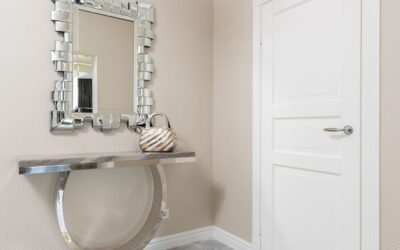
Once you’ve selected the right height, plan your wall décor strategically. A mirror or large artwork should sit 8 to 12 inches above the console table surface. If you’re hanging multiple pieces, ensure they relate proportionally to the table’s height. For related design inspiration, explore how to decorate a console table in an entryway in 2026 for comprehensive styling guidance.
Key Takeaway: Use the rule of thirds and strategic wall décor placement to create visual balance around your console table.
What Are Practical Tips for Selecting Console Table Height?
Beyond measurements and theory, practical considerations ensure you choose a height that works daily. Test different heights in-store when possible, compare multiple options, and visualize how the table fits your lifestyle. These actionable steps simplify the selection process and reduce decision fatigue when shopping in 2026.
- Visit furniture showrooms to see console tables at different heights in person.
- Take photos of your space and overlay console table images at various heights.
- Measure your current furniture to understand standard heights in your home.
- Consider future furniture changes and choose a versatile height that adapts easily.
- Test the table’s functionality at your chosen height for comfort and usability.
- Read customer reviews mentioning height proportions and room fit.
Shopping Smart for Console Tables
When shopping online or in-store, always verify the exact height in the product specifications. Many retailers list dimensions clearly, but some may be vague. Don’t rely solely on photos—they can be deceptive regarding actual proportions. Request measurements from sellers if they’re not provided, and compare multiple options before deciding. Reading customer reviews often reveals real-world insights about how a table’s height works in actual homes.
If you’re considering custom furniture, work with a designer or carpenter who understands your space. Provide them with your measurements, photos, and specific height requirements. Custom pieces ensure perfect proportions for your unique layout. Many sustainable furniture makers now offer customization options, allowing you to build pieces that align with both your design vision and environmental values.
Testing Height in Your Home
Before finalizing your purchase, create a temporary mockup if possible. Stack boxes or furniture to approximate your chosen console table height. Live with this setup for a few days to see how it feels functionally and visually. This practical test often reveals issues that measurements alone might miss, such as how the height affects sightlines or workflow in your space.
Key Takeaway: Test heights in-store, verify specifications carefully, and create mockups before purchasing to ensure the perfect fit for your home.
Frequently Asked Questions
What is the most common console table height?
The most common console table height is 30 to 34 inches, which works well in most residential entryways and living rooms. This range aligns with standard architectural proportions and furniture dimensions found in typical homes. Most manufacturers default to these heights because they provide versatility across different spaces and design styles without requiring custom modifications.
Can I use a console table that’s shorter than standard?
Yes, console tables shorter than 30 inches work well in compact spaces or modern minimalist interiors. Short console tables, typically 26 to 28 inches, create a lighter visual presence and work particularly well behind sofas or in narrow entryways. However, ensure the proportions still relate well to your wall height and surrounding furniture to maintain visual balance.
How tall should a console table be behind a sofa?
A console table behind a sofa should typically be 26 to 30 inches tall, which is slightly lower than most sofa backs. This height creates a cohesive line and prevents the table from appearing too prominent. The exact height depends on your specific sofa’s back height, so measure your sofa before selecting a console table for this placement.
Does console table height affect how it functions as a workspace?
Absolutely. For desk-like functionality, console tables should be 28 to 32 inches tall for comfortable standing or seated work. This ergonomic height reduces strain on your back and shoulders during extended use. If you plan to use your console table for writing, working on a laptop, or detailed tasks, prioritize ergonomic height over purely decorative considerations.
What if my wall space doesn’t accommodate standard console table heights?
Custom or non-standard heights work when your space has unusual proportions. Measure your specific wall carefully and consider custom furniture options. Many furniture makers offer adjustable or customizable heights to suit unique spaces. Alternatively, look for console tables in the 24 to 40-inch range to find options that fit your particular requirements.
How does console table height relate to entryway design?
In entryways, console table height should coordinate with door frames, windows, and wall space. Standard heights of 30 to 34 inches typically work best because they create visual balance without overwhelming the entry. Your console table height should leave adequate space above for mirrors or artwork while maintaining proportional relationships with surrounding architectural elements.
How Should You Finalize Your Console Table Height Choice in 2026?
Choosing the right console table height combines measurements, design principles, and personal preference. Start with standard heights of 30 to 34 inches as your baseline, then adjust based on your specific space, furniture, and intended use. Measure carefully, visualize the placement, and test different heights before committing to a purchase. Remember that the perfect console table height enhances both the functionality and aesthetic appeal of your space while creating visual harmony with surrounding elements.
As you finalize your decision, consider how your console table coordinates with other furniture pieces in your home. If you’re also selecting other furniture items, explore guides like how to choose an accent chair that fits your décor in 2026 or how to choose the right TV stand size for your television in 2026 for comprehensive design coordination. These resources help ensure all your furniture works together cohesively. Document your measurements, take photos of your space, and refer back to this guide when shopping. With proper planning and attention to detail, you’ll select a console table height that looks beautiful, functions perfectly, and transforms your entryway or living room into a well-designed space that you’ll enjoy for years to come.
Key Takeaway: Balance standard measurements with your specific space requirements, test different heights, and coordinate with surrounding furniture to choose the perfect console table height for your 2026 home.









Write Your Review
No reviews yet. Be the first to share your experience!