

What Are the Top Sustainable Furniture Trends for 2026 Homes?
Sustainable furniture trends for 2026 homes prioritize eco-friendly materials, circular design principles, and long-lasting quality over fast consumption. Homeowners increasingly demand furniture that reduces environmental impact while maintaining style and durability. This shift reflects growing awareness of climate change, resource depletion, and waste management challenges. In 2026, the furniture industry has embraced transparency, third-party certifications, and take-back programs. Consumers now expect brands to disclose sourcing practices, manufacturing emissions, and end-of-life recycling options. The convergence of sustainability and design innovation creates unprecedented opportunities for homes that balance aesthetics with environmental responsibility.
Which Sustainable Materials Are Dominating 2026 Home Furniture?
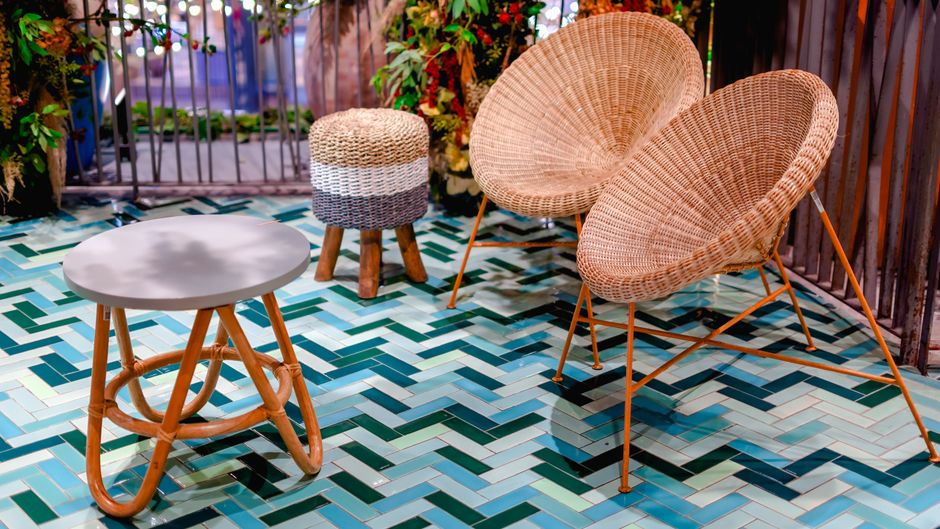
Sustainable materials in 2026 represent a fundamental shift from conventional furniture manufacturing. Bio-based composites, recycled ocean plastics, and regenerated fibers now compete with traditional wood and fabric options. These materials deliver comparable performance while significantly reducing environmental footprints. Manufacturers increasingly combine multiple sustainable materials to optimize durability and aesthetic appeal. The result is furniture that looks premium while supporting planetary health.
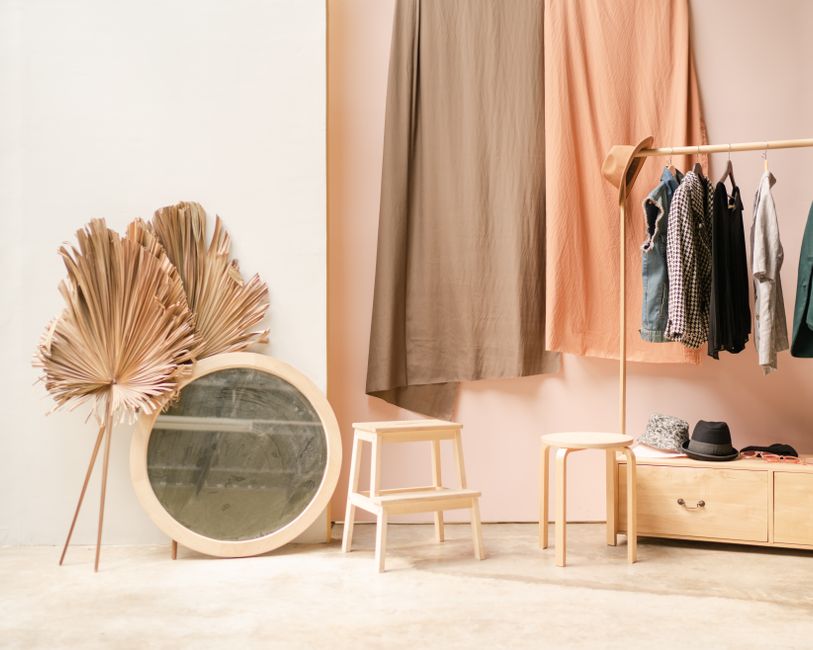
Top Eco-Friendly Materials for 2026 Furniture
- FSC-certified wood from responsibly managed forests with verified chain-of-custody documentation.
- Reclaimed and salvaged wood from deconstructed buildings, reducing virgin timber demand.
- Recycled ocean plastics and post-consumer waste transformed into durable upholstery and structural components.
- Mycelium leather and mushroom-based textiles offering cruelty-free alternatives to animal products.
- Organic cotton and hemp fabrics grown without synthetic pesticides or harmful chemicals.
- Cork and bamboo for accent pieces, flooring, and decorative elements with rapid regeneration rates.
FSC-certified wood remains the gold standard for sustainable furniture in 2026. These certifications verify that timber comes from forests managed to maintain biodiversity, worker rights, and indigenous land rights. FSC-certified wood versus reclaimed wood sustainability presents homeowners with distinct choices based on availability and aesthetic preferences. Both options significantly outperform conventional lumber in environmental impact.
Key Takeaway: Sustainable materials for 2026 furniture now offer performance and aesthetics equal to conventional options while dramatically reducing environmental harm.
How Does Circular Design Shape 2026 Furniture Trends?
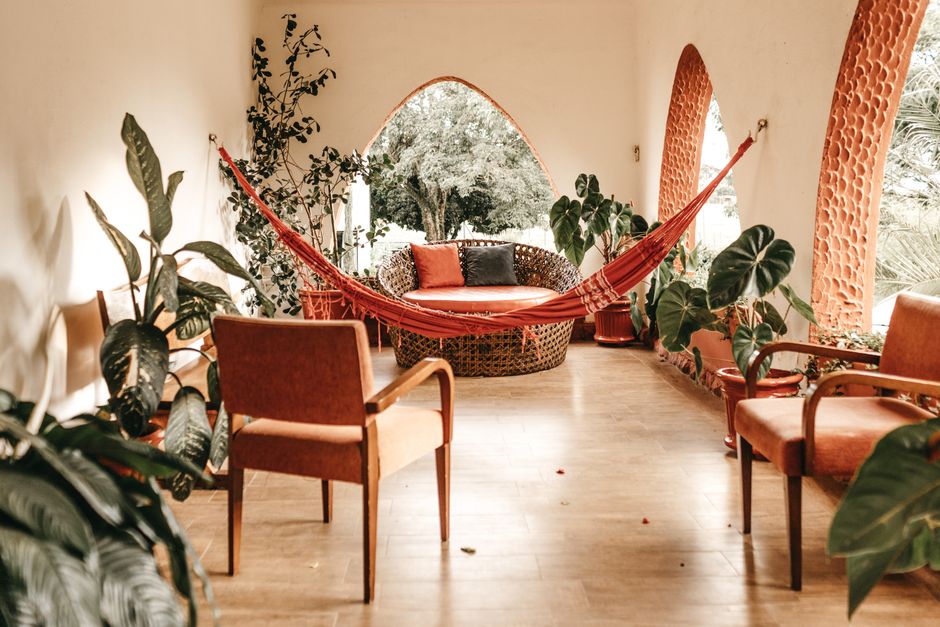
Circular design principles fundamentally reshape how furniture is conceived, manufactured, and disposed of in 2026. Instead of the traditional linear “take-make-dispose” model, circular design ensures furniture remains valuable throughout multiple lifecycles. Pieces are engineered for disassembly, repair, and material recovery. Manufacturers design modular systems allowing component replacement without discarding entire pieces. This approach extends furniture lifespan by decades and eliminates waste.
Core Principles of Circular Furniture Design
- Modular construction enabling easy repair, upgrade, and reconfiguration of furniture components.
- Standardized fasteners and connectors allowing compatibility across different manufacturers and product lines.
- Material transparency through labeling systems identifying fiber content, adhesives, and finishing chemicals.
- Designed disassembly enabling complete material separation for recycling or composting at end-of-life.
- Take-back programs where manufacturers accept used furniture for refurbishment or material recovery.
Modular sofas exemplify circular design success in 2026. Homeowners purchase core seating units, then add or remove cushions, arms, and legs based on evolving needs. When individual components wear out, they’re replaced rather than discarding the entire sofa. Sustainable furniture take-back programs for recycling now operate at scale, with major manufacturers accepting used pieces for refurbishment or responsible material recovery.
Material transparency has become a competitive advantage in 2026. Furniture labels now disclose adhesive types, dye processes, and finishing chemicals. This transparency helps consumers identify pieces with reduced VOCs in home furniture, improving indoor air quality. Brands that openly share sourcing and manufacturing data build customer trust and loyalty.
Key Takeaway: Circular design transforms furniture from disposable commodities into durable assets that maintain value across multiple lifecycles.
What Role Does Transparency and Certification Play in 2026 Furniture Choices?
Transparency and third-party certification have become essential decision-making tools for 2026 home furniture buyers. Certifications from independent organizations verify environmental and social claims made by manufacturers. Without these standards, greenwashing remains rampant. In 2026, consumers increasingly demand proof of sustainability through recognized labels and transparent supply chain documentation. Brands that embrace full transparency gain competitive advantage and customer loyalty.

Essential Certifications for Sustainable Furniture in 2026
- FSC (Forest Stewardship Council) certification verifying responsible forest management and timber sourcing.
- GOTS (Global Organic Textile Standard) confirming organic fiber production without synthetic pesticides.
- GREENGUARD certification proving low chemical emissions and safe indoor air quality impact.
- Cradle to Cradle certification assessing material health, recyclability, and manufacturing practices.
- EU Ecolabel verifying environmental performance across product lifecycle and manufacturing standards.
- B Corp certification demonstrating overall social and environmental responsibility beyond single products.
GREENGUARD certification has become particularly important for 2026 home furniture, especially pieces in bedrooms and children’s spaces. These certifications specifically test for volatile organic compounds (VOCs) and chemical off-gassing. Families seeking non-toxic crib mattresses and furniture now prioritize GREENGUARD-certified options for nurseries and children’s rooms.
Supply chain transparency extends beyond single certifications in 2026. Leading brands publish detailed sourcing maps showing where raw materials originate, which factories process them, and what wages workers earn. Some companies employ blockchain technology to track material journeys from forest or farm to finished furniture. This level of transparency helps consumers make informed decisions aligned with their values.
Key Takeaway: Third-party certifications and transparent supply chains enable 2026 consumers to verify sustainability claims and make confident furniture purchases.
How Can You Implement Sustainable Furniture Trends in Your 2026 Home?
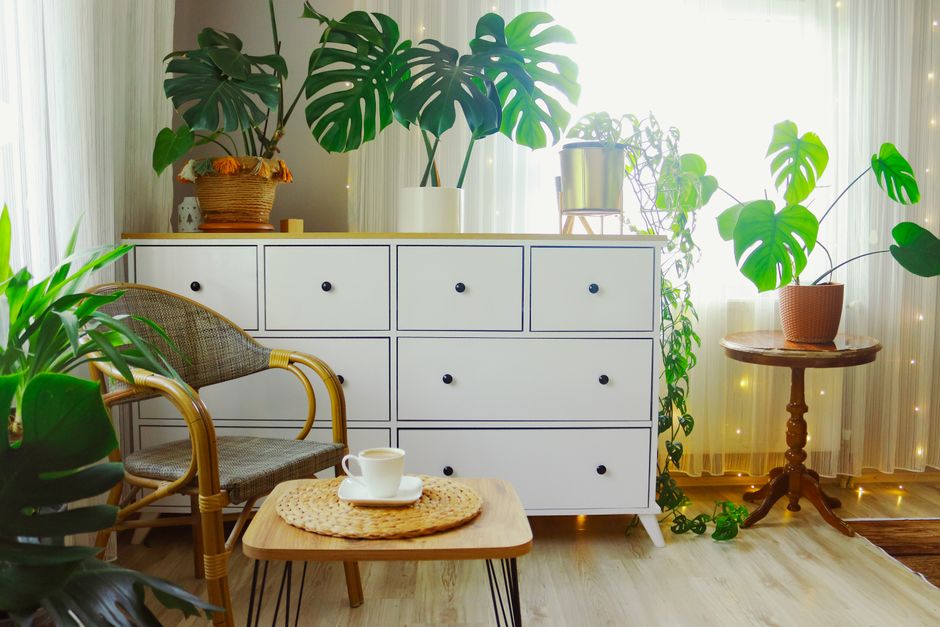
Implementing sustainable furniture trends in your 2026 home requires intentional planning and informed decision-making. Start by assessing your current furniture inventory and identifying pieces that can be kept, refurbished, or responsibly recycled. Prioritize quality over quantity, investing in durable items from certified manufacturers. Plan room layouts strategically to maximize furniture longevity and functionality. This approach reduces waste while creating a cohesive, sustainable home environment.
Practical Steps for Adopting Sustainable Furniture in 2026
- Audit existing furniture: identify pieces to keep, repair, donate, or recycle through proper channels.
- Research certifications: prioritize FSC, GOTS, GREENGUARD, and Cradle to Cradle labels when shopping.
- Choose modular designs: invest in furniture with replaceable components and flexible configurations.
- Prioritize natural materials: select organic cotton, linen, wool, and certified wood over synthetic alternatives.
- Buy secondhand: explore vintage and refurbished furniture markets for unique, pre-owned pieces.
- Ask about take-back programs: confirm manufacturers accept used furniture for refurbishment or recycling.
- Verify VOC levels: request documentation that furniture meets low-emission standards for indoor air quality.
- Plan for longevity: select timeless designs and neutral colors that remain appealing for decades.
Secondhand and vintage furniture markets have exploded in 2026, offering exceptional value and environmental benefits. Online platforms and local consignment shops provide access to quality pre-owned pieces at fraction of retail prices. Vintage furniture often features superior craftsmanship compared to contemporary mass-produced items. Buying secondhand eliminates manufacturing impacts entirely while supporting circular economy principles.
When purchasing new furniture, prioritize pieces designed for longevity. Choosing the right rug size for your living room and coordinating furniture dimensions prevents premature replacement due to style changes. Neutral color palettes and timeless designs remain relevant across decades, maximizing furniture lifespan. Quality construction with reinforced joints and premium materials ensures pieces withstand years of daily use.
Key Takeaway: Implementing sustainable furniture trends requires auditing current inventory, prioritizing quality and certifications, and planning for long-term functionality.
What Sustainable Furniture Innovations Are Emerging for 2026 Homes?
Emerging innovations in sustainable furniture for 2026 combine advanced materials, smart design, and manufacturing technologies. Biodegradable foam alternatives replace petroleum-based polyurethane in cushioning. Lab-grown leather and mycelium-based textiles offer cruelty-free luxury options. Digital tools help consumers track furniture environmental impact and plan sustainable purchases. These innovations signal a fundamental transformation in how furniture is designed, produced, and consumed.
Cutting-Edge Sustainable Furniture Technologies for 2026
- Bio-based polyol foams derived from renewable plant oils instead of petroleum products.
- Mycelium leather grown from mushroom mycelium networks, offering biodegradable alternatives to animal or synthetic leather.
- Lab-grown leather using cellular agriculture and biotechnology without animal farming.
- Recycled ocean plastic fibers transformed into durable upholstery and textile applications.
- 3D knitting technology reducing textile waste by knitting furniture components to precise specifications.
- AI-powered design tools helping consumers visualize sustainable furniture in their spaces before purchase.
Mycelium leather represents one of 2026’s most exciting sustainable innovations. Grown from mushroom root networks, this material requires minimal water, no animal farming, and biodegrades naturally at end-of-life. Quality mycelium leather now rivals traditional leather in durability and aesthetic appeal. Sustainable performance leather versus real leather comparisons increasingly favor innovative bio-based alternatives that deliver comparable performance with superior environmental profiles.
Digital innovation enables better consumer decision-making in 2026. Apps and online tools now calculate furniture environmental impact scores, comparing options across material sourcing, manufacturing emissions, and end-of-life recyclability. Some platforms integrate augmented reality, allowing homeowners to visualize sustainable furniture pieces in their actual spaces before purchase. This technology reduces returns and helps consumers make confident, informed choices.
Key Takeaway: Advanced materials and digital tools are transforming sustainable furniture from niche market to mainstream choice for 2026 homes.
How Will Sustainable Furniture Trends Continue Evolving Beyond 2026?
Sustainable furniture trends will continue accelerating beyond 2026 as consumer demand, regulatory pressure, and technological advancement converge. Governments worldwide are implementing extended producer responsibility laws requiring manufacturers to manage end-of-life furniture. Carbon pricing mechanisms will increase costs of conventional production, making sustainable alternatives economically competitive. Industry consolidation will accelerate as major furniture companies acquire sustainable startups and integrate circular practices. By 2033, sustainability will be the default expectation rather than a premium option.
Sustainable furniture market growth forecast through 2033 projects annual expansion exceeding 15%, driven by regulatory mandates, consumer preferences, and climate commitments. Investment in sustainable furniture manufacturing will exceed conventional production capacity. Emerging markets will leapfrog traditional furniture industries, adopting circular design as foundational principle. The trajectory is clear: sustainability will define the furniture industry’s future.
Key Takeaway: Sustainable furniture trends will transition from niche market positioning to industry-wide standard by 2033.
Frequently Asked Questions
What makes furniture truly sustainable in 2026?
Truly sustainable furniture in 2026 combines eco-friendly materials, responsible manufacturing, and designed longevity. Look for third-party certifications like FSC, GOTS, and GREENGUARD verifying environmental claims. The piece should be repairable, upgradeable, and recyclable at end-of-life. Transparent supply chains showing worker wages and material sourcing are essential. Durability and timeless design ensure the furniture remains functional and appealing for decades, maximizing lifespan and minimizing waste.
How much more expensive is sustainable furniture compared to conventional options?
Sustainable furniture pricing has narrowed significantly by 2026. While premium sustainable pieces may cost 15-30% more initially, they last considerably longer, reducing cost-per-year of use. Secondhand sustainable furniture often costs less than new conventional pieces. Many manufacturers now offer sustainable options at price points comparable to conventional alternatives. Quality, durability, and environmental impact should drive purchasing decisions rather than upfront cost alone.
Are sustainable furniture certifications reliable or just marketing?
Reputable third-party certifications from FSC, GOTS, GREENGUARD, and similar organizations are rigorous and reliable. These bodies conduct independent audits and testing verifying manufacturer claims. However, self-declared certifications and vague “eco-friendly” labels lack credibility. In 2026, prioritize established certifications with transparent verification processes. Research certifying organizations to understand their standards and audit procedures before trusting claims.
Can I find sustainable furniture options for every room in my home?
Yes, sustainable furniture options exist for every room in 2026. Bedroom furniture includes certified mattresses and wooden frames. Living rooms offer modular sofas with recycled upholstery. Dining areas feature reclaimed wood tables with sustainable seating. Even office and children’s furniture now prioritize low-VOC materials and circular design. The market has matured enough to provide sustainable alternatives across all furniture categories and price points.
How do I dispose of old furniture responsibly in 2026?
Multiple responsible disposal options exist for 2026 homeowners. Manufacturer take-back programs accept used furniture for refurbishment or material recovery. Donation to charities and nonprofits extends furniture lifespan. Furniture rental and resale platforms provide secondhand markets. Local recycling facilities may accept wooden or metal components. Avoid landfills by exploring these options first. Research your local waste management resources to find appropriate disposal solutions aligned with circular economy principles.
What’s the difference between sustainable and secondhand furniture?
Sustainable furniture emphasizes eco-friendly materials and manufacturing practices, while secondhand furniture eliminates manufacturing impacts entirely by extending existing items’ lifespan. Both approaches support circular economy principles. Secondhand furniture is typically more affordable and immediately available. New sustainable furniture offers modern designs and durability guarantees. The most environmentally responsible approach combines both: buying quality secondhand pieces when possible, and choosing sustainable new furniture when needed.
How Should You Prioritize Sustainable Furniture Investments for Your 2026 Home?
Prioritizing sustainable furniture investments requires strategic planning focused on high-impact pieces that define your home’s functionality and aesthetic. Start with major furniture items like sofas, beds, and dining tables, which typically last decades and significantly influence overall sustainability impact. These pieces deserve investment in quality materials and certified manufacturing. Secondary pieces like accent chairs, side tables, and storage can incorporate secondhand or budget-friendly sustainable options. This tiered approach maximizes environmental benefit while respecting budget constraints.
Consider your lifestyle and usage patterns when prioritizing investments. High-traffic family rooms benefit most from durable, modular seating with replaceable cushions and covers. Bedrooms warrant investment in certified mattresses and wooden frames supporting healthy sleep environments. Home offices benefit from ergonomic furniture designed for extended daily use. Matching furniture investment to actual usage patterns ensures pieces remain functional and valuable for decades. This alignment between investment and utility maximizes both environmental and financial returns.
Sustainable furniture trends for 2026 homes represent a fundamental shift toward environmental responsibility, quality, and longevity. By understanding available materials, circular design principles, and reliable certifications, homeowners can make confident purchasing decisions. Implementing these trends requires auditing current inventory, prioritizing quality over quantity, and supporting manufacturers demonstrating genuine sustainability commitment. The convergence of innovation, consumer demand, and regulatory pressure ensures that sustainable furniture will define home design for decades to come. Your 2026 home can embody these trends while creating beautiful, functional spaces aligned with environmental values.






Write Your Review
No reviews yet. Be the first to share your experience!