

What Are VOCs and Why Should You Care About Home Furniture in 2026?
Volatile organic compounds (VOCs) are chemicals that evaporate into the air from furniture, paints, and adhesives at room temperature. These invisible gases can linger in your home for months or years, affecting indoor air quality and potentially causing health issues. Common VOC sources include foam cushions, particle board, varnishes, and synthetic fabrics used in modern furniture. Exposure to high VOC levels may trigger headaches, respiratory irritation, and allergic reactions in sensitive individuals. Understanding VOC sources helps you make informed purchasing decisions and create a healthier living environment for your family.

The furniture industry has made significant strides since 2020, with manufacturers increasingly adopting low-VOC materials and certifications. However, not all furniture is created equal. Budget pieces and imported items often contain higher VOC concentrations than certified alternatives. As awareness grows in 2026, more consumers are prioritizing air quality alongside aesthetics and durability. Taking action to reduce VOCs in your home is an investment in long-term health and comfort.
Key Takeaway: VOCs from furniture are invisible indoor air pollutants that accumulate over time and can harm your health, but multiple reduction strategies exist.
How Do You Choose Low-VOC Furniture When Shopping?
Selecting low-VOC furniture starts with understanding certifications and labels. Look for products bearing the Greenguard Gold, FloorScore, or Cradle to Cradle certifications, which indicate rigorous testing for chemical emissions. These third-party certifications verify that furniture meets strict VOC standards. The Greenguard certification is particularly relevant for families with children or members with asthma. Always request Safety Data Sheets (SDS) from manufacturers to understand what chemicals are present in finishes and adhesives.

Material composition directly impacts VOC levels. Solid wood furniture typically releases fewer VOCs than particle board or medium-density fiberboard (MDF). Natural latex and organic cotton upholstery emit lower chemical levels than synthetic foams and polyester blends. When comparing similar pieces, ask manufacturers about their adhesives, stains, and flame retardants used in construction.
Certifications and Labels to Seek
- Greenguard Gold: Tests for over 10,000 chemicals; strictest standard available.
- FloorScore: Focuses on flooring and carpet products; certifies low emissions.
- Cradle to Cradle: Evaluates material health and manufacturing practices.
- OEKO-TEX: Certifies textiles and upholstery for harmful substances.
- Forest Stewardship Council (FSC): Indicates responsibly harvested wood with fewer chemical treatments.
Budget-friendly options exist for eco-conscious shoppers. Many mid-range furniture retailers now offer low-VOC lines at competitive prices. Online marketplaces increasingly filter products by certification status, making comparison shopping easier. Don’t assume expensive furniture is always low-VOC; verify certifications regardless of price point.
Key Takeaway: Certified low-VOC furniture from reputable manufacturers provides measurable protection against chemical emissions.
What Are the Best Ventilation Strategies to Reduce VOC Buildup?
Ventilation is your first line of defense against accumulated VOCs in your home. Opening windows for 15–30 minutes daily, even in winter, significantly reduces indoor VOC concentrations. Cross-ventilation—opening windows on opposite sides of your home—creates airflow that pushes stale air out faster. Ceiling fans and portable air circulators enhance natural ventilation by moving air throughout rooms. This is especially important during the first weeks after bringing new furniture home, when off-gassing is most intense.
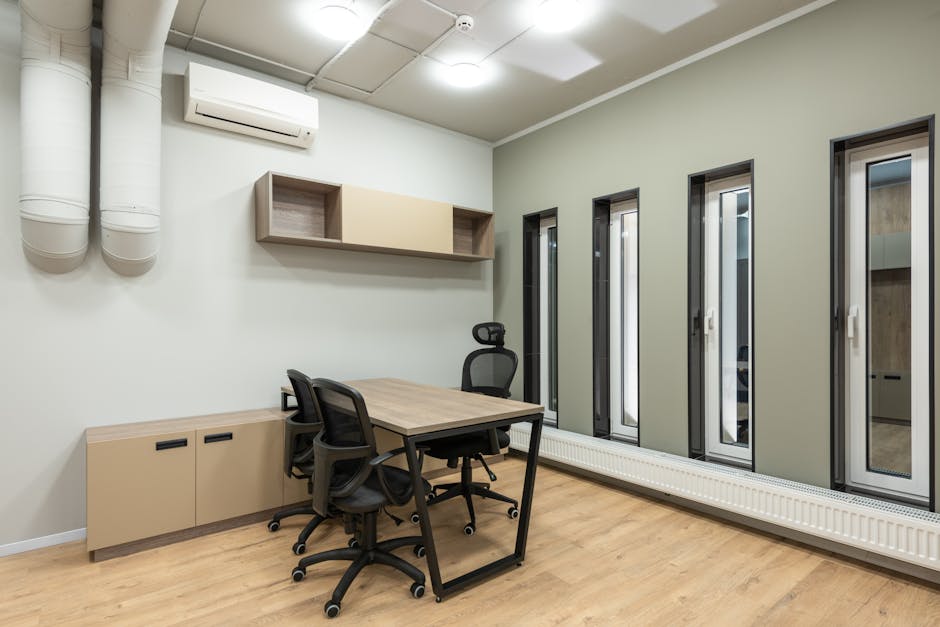
HVAC systems and air purifiers provide continuous VOC reduction. Modern HVAC units with MERV-13 filters capture some VOC particles, though they don’t eliminate gaseous VOCs entirely. Activated carbon filters are more effective at trapping VOC molecules. Standalone air purifiers with activated carbon layers work best in bedrooms and living rooms where you spend the most time. Position purifiers near new furniture to capture emissions at the source.
Practical Ventilation Steps
- Open windows daily for 15–30 minutes to exchange indoor and outdoor air.
- Use ceiling fans or portable fans to circulate air throughout your home.
- Install or upgrade HVAC filters to MERV-13 or higher ratings.
- Place activated carbon air purifiers in bedrooms and main living areas.
- Avoid closing off rooms; allow air to circulate freely between spaces.
- Run bathroom and kitchen exhaust fans during and after cooking or showering.
Climate considerations affect ventilation strategies. In hot, humid climates, open windows during early morning or evening to avoid cooling costs. In cold regions, brief window opening combined with air purifiers reduces heating loss. Regardless of climate, the goal is consistent air exchange without compromising energy efficiency.
Key Takeaway: Daily ventilation combined with air purifiers provides the most effective defense against VOC accumulation.
Which Materials and Construction Methods Minimize VOC Emissions?
Material selection is foundational to reducing VOCs. Solid hardwoods like oak, maple, and walnut naturally emit fewer VOCs than engineered wood products. If your budget requires engineered wood, choose options with low-formaldehyde adhesives or formaldehyde-free construction. Natural latex foam cushions off-gas significantly less than polyurethane foam, which releases hundreds of chemical compounds. Wool and organic cotton upholstery are superior to synthetic fabrics treated with chemical finishes.

Manufacturing processes matter as much as raw materials. Furniture produced with water-based finishes instead of solvent-based varnishes reduces VOC emissions by up to 80 percent. Mechanical fasteners (screws and dowels) release fewer VOCs than chemical adhesives. European manufacturers often exceed North American standards for VOC reduction, making imported pieces from certified EU producers a viable option.
Low-VOC Material Comparison
- Solid wood: Lowest VOCs; hardwoods better than softwoods.
- FSC-certified plywood: Lower VOCs than particle board; uses sustainable adhesives.
- Natural latex foam: Minimal off-gassing; biodegradable and durable.
- Organic cotton/wool upholstery: No chemical treatments; breathable and hypoallergenic.
- Water-based stains and finishes: 80% fewer VOCs than solvent-based products.
Consider the comparison between FSC-certified and reclaimed wood for your furniture needs. Reclaimed wood often requires minimal finishing, reducing VOC exposure further. New FSC-certified pieces guarantee responsible harvesting and lower chemical use in processing. Both options support sustainable forestry practices while minimizing emissions.
Key Takeaway: Solid wood, natural foam, and water-based finishes create furniture with dramatically lower VOC emissions.
How Can You Off-Gas New Furniture Safely and Effectively?
Off-gassing is the process by which VOCs escape from furniture into your indoor air. New furniture releases the highest concentration of VOCs within the first 72 hours, with emissions declining gradually over weeks or months. Accelerating this process protects your family from prolonged exposure. The most effective strategy combines temperature, humidity, and airflow to speed chemical evaporation. Placing new furniture in a garage or outdoor space for several days before moving it indoors captures significant VOC release outside your living area.

Temperature and humidity control enhance off-gassing. Warm environments (above 72°F) increase VOC evaporation rates. Moderate humidity levels (40–60 percent) facilitate faster chemical release compared to dry conditions. If off-gassing indoors is necessary, maintain these conditions while keeping windows open and air purifiers running. Never seal new furniture in plastic or airtight covers, as this traps VOCs and extends the off-gassing period.
Off-Gassing Protocol for New Furniture
- Store new furniture outdoors or in a garage for 3–7 days before moving indoors.
- Maintain indoor temperature at 72–78°F during the first week.
- Keep humidity between 40–60 percent to optimize VOC release.
- Open windows continuously for the first 72 hours after bringing furniture inside.
- Run air purifiers 24/7 near new furniture for at least one week.
- Avoid plastic covers; allow free air circulation around all surfaces.
Budget constraints may prevent pre-indoor off-gassing, but you can still minimize exposure. Dedicate a single room for new furniture initially, keeping bedroom doors closed to protect sleeping areas. Increase ventilation in that room dramatically. Move furniture to final locations after one week when most rapid off-gassing has completed. This staged approach balances practical limitations with health protection.
Key Takeaway: Strategic off-gassing in controlled environments dramatically reduces VOC exposure to your family.
What Sustainable Furniture Options Support Long-Term VOC Reduction?
Investing in durable, sustainable furniture reduces the need for replacements, which means fewer total VOC exposures over time. Well-made pieces last 10–20 years compared to budget furniture lasting 2–3 years. Quality construction with solid joinery, premium fabrics, and natural finishes maintains integrity and minimizes chemical off-gassing as furniture ages. Sustainable brands often prioritize material health alongside durability, creating products that are safer throughout their lifespan.
Circular economy models offer additional benefits. Furniture take-back programs allow you to return worn pieces for refurbishment or recycling, reducing landfill waste and supporting manufacturer accountability. Many certified sustainable brands now operate these programs. Buying from companies with take-back initiatives incentivizes them to use lower-VOC materials, knowing they’ll manage end-of-life responsibility.
Secondhand and vintage furniture provides an unexpected VOC advantage. Used pieces have completed most off-gassing, meaning minimal chemical exposure. Thrift stores, estate sales, and vintage dealers offer unique pieces often made with superior materials than modern budget alternatives. A well-maintained vintage sofa typically contains fewer VOCs than a new particle-board equivalent, even before off-gassing completes.
Learn more about sustainable furniture take-back programs for recycling in 2026 to understand how these initiatives work. Supporting brands with responsible end-of-life practices creates market incentives for low-VOC manufacturing. Your purchasing decisions influence industry standards and encourage competitors to improve their chemical practices.
Key Takeaway: Sustainable, durable furniture reduces cumulative VOC exposure while supporting circular economy practices.
Frequently Asked Questions
How long does furniture off-gassing typically take?
Most furniture releases 80 percent of VOCs within the first 72 hours. Complete off-gassing takes 3–6 months, with trace emissions continuing for up to a year. Low-VOC certified furniture off-gasses faster and at lower concentrations. Ventilation and temperature control can reduce this timeline significantly.
Are expensive furniture brands always lower in VOCs?
Price doesn’t guarantee low VOCs. Many luxury brands use traditional solvent-based finishes with high chemical content. Always verify certifications and request SDS documents regardless of cost. Mid-range and budget brands increasingly offer certified low-VOC options at competitive prices.
Can air purifiers completely eliminate VOCs from furniture?
Air purifiers with activated carbon filters reduce VOC concentrations significantly but cannot eliminate them entirely. Combined with ventilation and material selection, they’re most effective. HEPA filters alone don’t capture gaseous VOCs; activated carbon is essential for chemical removal.
Is secondhand furniture always safer than new furniture?
Used furniture typically contains fewer active VOCs since off-gassing is complete. However, older pieces may contain banned chemicals like asbestos or lead paint. Inspect vintage furniture carefully and avoid pieces from unknown sources. Generally, well-maintained secondhand items are safer than new budget alternatives.
What’s the difference between VOCs and formaldehyde in furniture?
Formaldehyde is one specific VOC used in adhesives and finishes. Many other VOCs exist in furniture including benzene, toluene, and xylene. Formaldehyde-free doesn’t mean low-VOC overall. Look for certifications testing for all VOCs, not just formaldehyde elimination.
Do natural wood stains and finishes always mean low VOCs?
“Natural” labeling is unregulated and doesn’t guarantee low VOCs. Some natural-sounding products still contain synthetic solvents. Verify water-based formulations and request SDS documents. Certified low-VOC products provide reliable assurance regardless of marketing language.
How Can You Create a Comprehensive VOC Reduction Strategy for Your Home?
Reducing VOCs requires a multi-layered approach combining smart purchasing, ventilation, and time management. Start by auditing your current furniture and identifying the oldest pieces, which have likely completed off-gassing. Prioritize replacing high-VOC items like particle-board dressers and synthetic-foam mattresses with certified alternatives. This staged replacement approach distributes costs while progressively improving air quality.
Implement ventilation improvements immediately. Open windows daily, upgrade HVAC filters, and place activated carbon air purifiers in bedrooms and living areas. These steps benefit all furniture, not just new pieces. Establish protocols for new purchases: request certifications before buying, plan off-gassing in appropriate spaces, and maintain optimal temperature and humidity during the critical first week.
Support sustainable brands and take-back programs to encourage industry-wide VOC reduction. Your purchasing power influences manufacturing standards. Share knowledge with family and friends about low-VOC options. As demand grows, prices decrease and selection expands, making healthy furniture accessible to more households. In 2026, reducing VOCs is increasingly practical and affordable for families of all budgets.
Key Takeaway: A comprehensive VOC reduction strategy combines material selection, ventilation, off-gassing management, and support for sustainable manufacturing practices.








Write Your Review
No reviews yet. Be the first to share your experience!