

How to Decorate a Console Table in an Entryway: Quick Answer
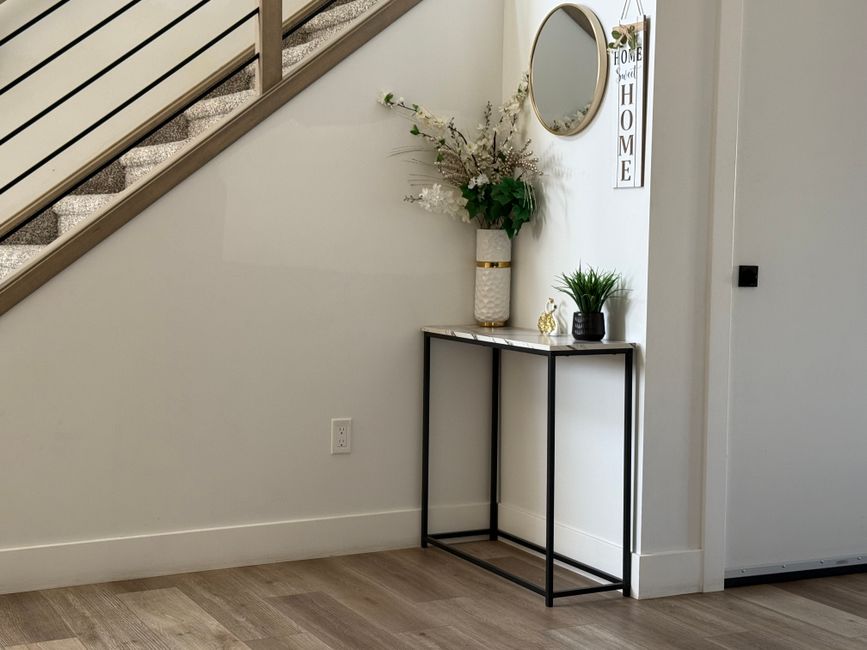
A console table is your entryway’s focal point and first impression opportunity. Style it by layering a mirror, decorative objects, and functional pieces in odd numbers—typically three to five items arranged at varying heights. Use a table lamp for ambient lighting, add a decorative bowl or tray to corral smaller items, and incorporate seasonal elements or plants to keep the display fresh. The key is balancing aesthetics with functionality: your console should welcome guests while serving practical purposes like holding keys, mail, or a catchall dish. In 2026, minimalist-maximalist hybrid styling dominates, blending curated collections with breathing room. This approach works across modern, traditional, and eclectic interiors.
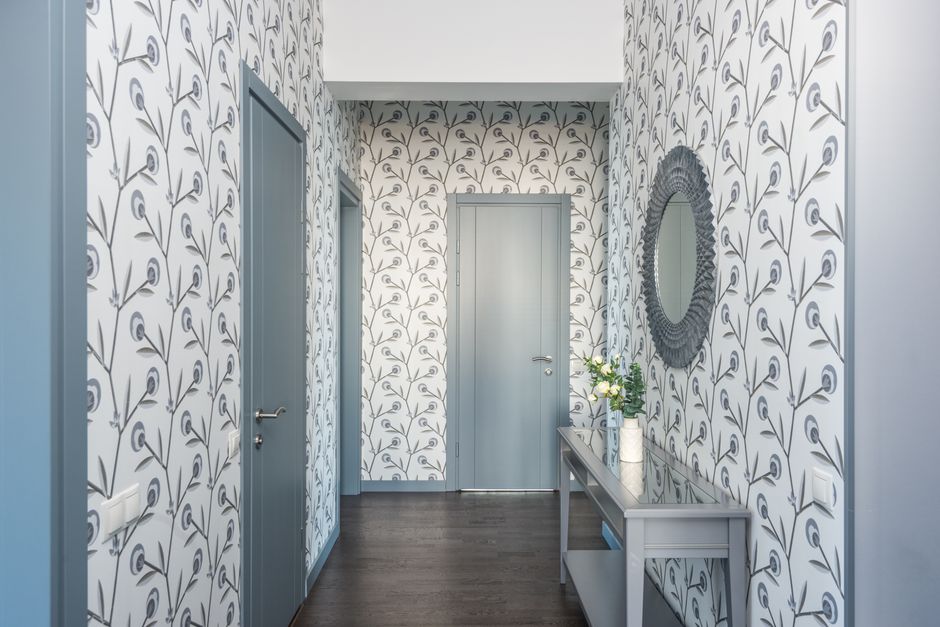
Your entryway sets the tone for your entire home. A well-decorated console table transforms this transitional space into a sophisticated, intentional area. It’s not just about pretty objects—it’s about creating a welcoming environment that reflects your personal style. The right console styling can make guests feel immediately at home while keeping your entryway organized and functional.
What Are the Best Styling Principles for Console Table Decoration?
Console table styling follows proven design principles that work across any aesthetic. The rule of three is foundational: arrange items in odd numbers to create visual interest and balance. Three, five, or seven objects feel more intentional than even numbers, which can appear too symmetrical or staged. Varying heights prevents a flat, boring look. Pair tall elements like mirrors or table lamps with medium-height vases and low-profile decorative boxes to create dynamic vertical interest.
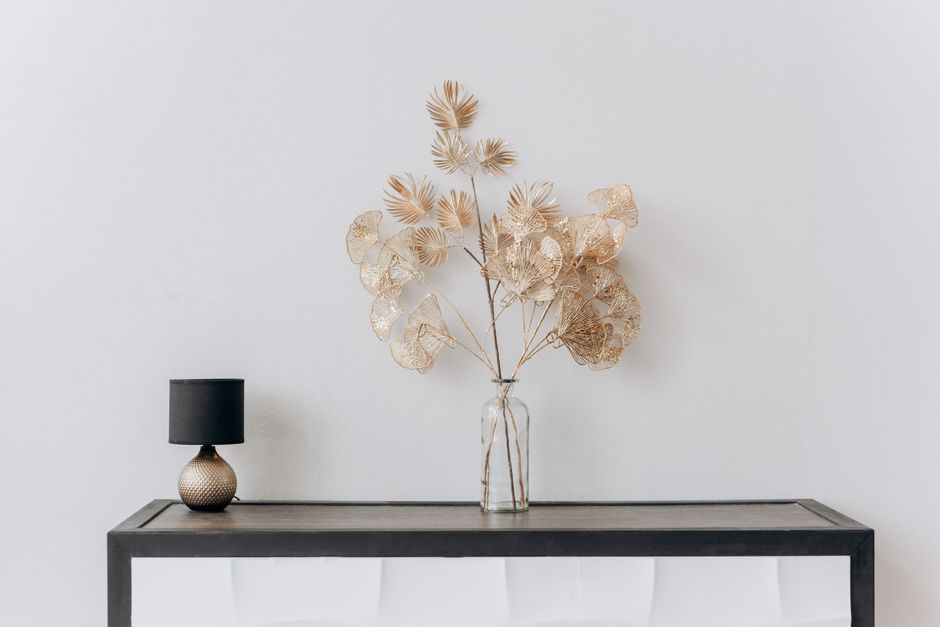
Layering is equally important. Start with a base layer using a table runner, decorative tray, or subtle wallpaper accent behind the console. Add functional pieces next—a lamp, mirror, or framed art. Finally, layer in decorative elements: books, plants, candles, and personal accessories. This creates depth and prevents the surface from feeling empty or cluttered.
Color and Texture Coordination
Color harmony makes or breaks console styling. Choose a cohesive palette of two to three colors that complement your entryway walls and flooring. Neutrals like white, cream, gray, and black provide timeless backdrops. Add warmth through natural wood tones, brass accents, or warm metallics. If your entryway has bold wall color, keep console accessories neutral or use accent colors sparingly.
Texture creates visual richness without adding clutter. Mix materials strategically:
- Smooth ceramics paired with rough wood or woven baskets.
- Shiny brass or gold accents balanced by matte finishes.
- Soft fabrics like linen runners contrasted with hard surfaces.
- Natural elements like greenery or stones among man-made objects.
Key Takeaway: Odd numbers, varying heights, and mixed textures create visually compelling console displays that feel intentional rather than random.
How Do You Choose Essential Console Table Decorating Elements?
Every well-styled console needs core functional and decorative elements working together. A mirror is nearly essential—it reflects light, expands the space visually, and provides practical functionality. Choose a statement mirror with an interesting frame that complements your entryway style. Leaning it against the wall creates a casual, modern look, while hanging it centered above the console offers traditional elegance.
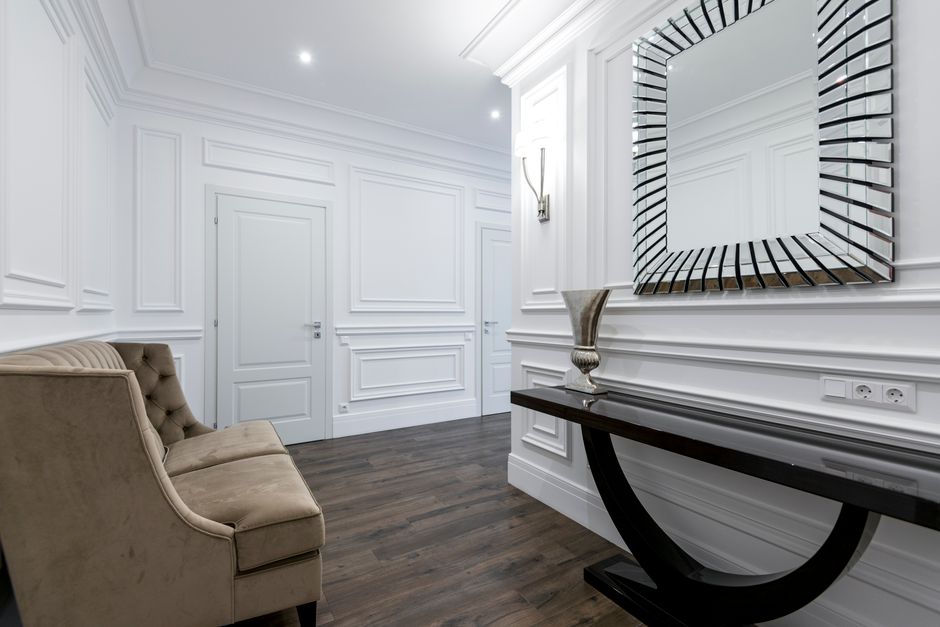
Lighting transforms your entryway’s ambiance. A table lamp provides task lighting for finding keys or checking your appearance, while also adding sculptural interest. Choose lamp bases in materials matching your console’s finish—brass for warm metals, matte black for contemporary spaces, ceramic for eclectic styles. Ensure the shade coordinates with your color palette.
Functional and Decorative Accessories
Balance beauty with practicality by selecting pieces that serve dual purposes. A decorative tray or bowl corrals small items like keys, mail, and sunglasses while adding visual interest. Choose materials and colors that complement your overall design. Books stacked horizontally or vertically add height variation and intellectual appeal. Select titles with beautiful spines or covers that coordinate with your color scheme.
Consider these essential decorating elements:
- Mirror (statement piece or subtle frame).
- Table lamp with coordinating shade.
- Decorative tray or bowl for catchall items.
- Potted plant or fresh flowers for natural elements.
- Framed art, photo, or decorative object for personality.
- Candle or diffuser for sensory appeal.
Key Takeaway: Essential elements should balance functionality with aesthetics, serving practical purposes while enhancing your entryway’s visual appeal.
What Are Practical Tips for Arranging Console Table Decorations?
Arrangement matters as much as selection. Start by placing your largest item—typically a mirror or tall vase—slightly off-center. This asymmetrical placement feels more sophisticated than dead-center positioning. Position the mirror at eye level for practical use and visual impact. Next, add your second-largest piece, like a lamp or tall plant, on the opposite side. This creates balance without symmetry.
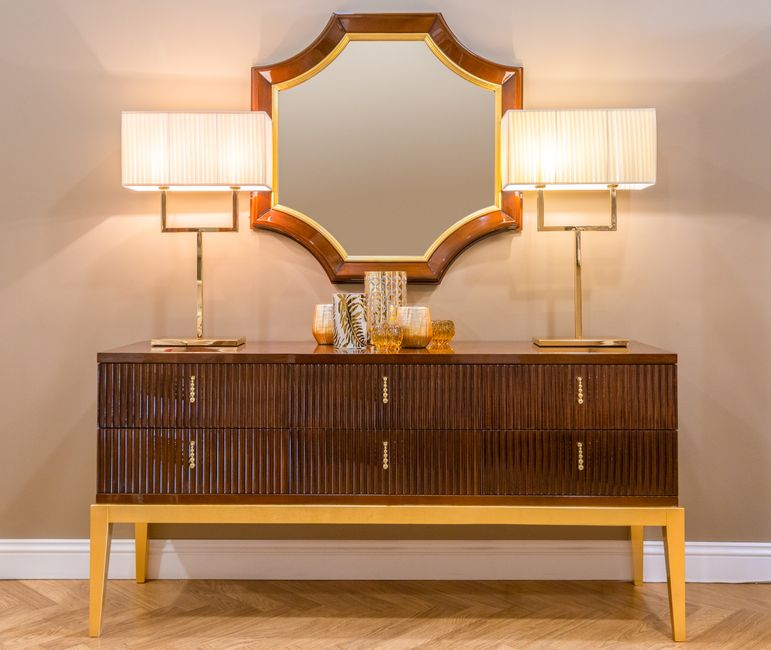
Fill gaps with smaller decorative objects. Group items in clusters of three rather than scattering them individually across the surface. Proximity creates visual unity and prevents the table from looking sparse or chaotic. Leave breathing room—empty space is design too. Approximately 30 to 40 percent of your console’s surface should remain clear to avoid overwhelming the space.
Step-by-Step Arrangement Process
Follow this practical arrangement method for guaranteed success:
- Place the mirror first. Position it slightly off-center, leaning or hanging at eye level.
- Add your table lamp. Position it on the opposite side of the mirror for balance.
- Include a plant or flowers. Place greenery at varying heights using different pot sizes.
- Add a functional tray. Center it to anchor smaller items like candles or decorative objects.
- Introduce decorative accents. Place framed photos, books, or sculptures in clusters of three.
- Step back and assess. Ensure no single side feels heavier than the other visually.
- Adjust as needed. Move pieces until the arrangement feels balanced and intentional.
Key Takeaway: Asymmetrical arrangement with odd-numbered groupings and strategic spacing creates sophisticated, balanced console displays.
How Can You Incorporate Seasonal and Personal Elements?
Seasonal styling keeps your console fresh and relevant throughout the year. In July 2026, embrace summer aesthetics with light, airy elements. Use white or cream-colored vessels, add fresh greenery or wildflowers, and incorporate natural wood tones. Summer styling feels breezy and open—reduce your item count slightly and choose lighter colors than fall or winter displays.
Personal elements make your console uniquely yours. Display meaningful family photos in coordinating frames, showcase travel souvenirs from recent trips, or feature artwork created by loved ones. These personal touches tell your story and make guests feel welcomed into your life. Rotate personal items seasonally or whenever you want a fresh look without major redecoration.
Creating a Cohesive Personal Display
Personal items work best when styled intentionally rather than randomly placed. Frame family photos in matching or complementary frames that coordinate with your color palette. Group three to five photos together rather than spreading them individually. Include one or two meaningful objects—perhaps a small sculpture, a decorative box, or a framed quote—that represents your interests or values.
Balance personal elements with neutral decorative pieces to prevent your console from feeling too busy. The ratio should be roughly 60 percent neutral styling and 40 percent personal touches. This ensures your entryway feels welcoming and curated rather than cluttered or overly personal for guests who are unfamiliar with your life.
Key Takeaway: Seasonal updates and carefully curated personal items create an entryway that feels fresh, intentional, and authentically yours.
What Design Styles Work Best for Console Table Decoration?
Console styling adapts beautifully across design aesthetics. Modern minimalist consoles feature clean lines, neutral colors, and intentional negative space. Choose a sleek lamp, a single statement mirror, and perhaps one sculptural object. Limit your palette to black, white, gray, and natural wood. This approach emphasizes quality over quantity and creates a sophisticated, uncluttered look.
Traditional styles embrace symmetry and classic elements. Position matching lamps on either side of a centered mirror, add framed botanical prints, and incorporate brass or bronze accents. Choose rich colors like deep greens, burgundies, or warm creams. This timeless approach works in classic homes and creates an elegant, formal entryway.
Eclectic and Contemporary Approaches
Eclectic styling celebrates personal expression and creative mixing. Combine vintage finds with modern pieces, mix metallic finishes, and layer patterns thoughtfully. An eclectic console might feature a vintage mirror, a contemporary ceramic vase, a brass lamp, and a collection of meaningful objects gathered over time. This approach works wonderfully for creative, artistic homeowners who enjoy curating unique spaces.
Contemporary styling in 2026 often blends minimalism with maximalism—the “new maximalism” trend. This approach uses curated collections displayed with intentional spacing. You might feature a beautiful collection of pottery, books, or plants, but arrange them thoughtfully with breathing room. The result feels collected and sophisticated rather than cluttered.
Key Takeaway: Your console styling should reflect your personal aesthetic while maintaining visual balance and intentional curation.
How Do You Maintain and Update Your Console Table Display?
Console styling isn’t permanent—it should evolve with seasons, occasions, and your changing tastes. Schedule monthly refreshes to dust items, rotate decorative pieces, and assess the overall look. Remove items that no longer feel relevant and introduce new accessories that excite you. This keeps your entryway feeling fresh without requiring complete redesigns.
Seasonal updates are the easiest way to refresh your console. Swap summer greenery for fall foliage, add holiday elements in December, and return to lighter palettes in spring. Change your table runner or tray to reflect seasonal colors. These simple swaps maintain visual interest while honoring design principles you’ve already established.
Practical Maintenance Tips
Keep your console looking its best with these maintenance strategies:
- Dust weekly using a soft cloth to prevent buildup on mirrors and surfaces.
- Water plants regularly and remove dead leaves to maintain fresh appearance.
- Refresh flowers every 5-7 days or replace with dried arrangements for longer-lasting appeal.
- Declutter monthly by removing items that feel dated or out of place.
- Clean lamp bases and shades quarterly to maintain brightness and visual appeal.
- Rotate decorative objects seasonally to keep the display feeling intentional and fresh.
Key Takeaway: Regular maintenance and seasonal updates keep your console display looking intentional, fresh, and welcoming year-round.
What Common Mistakes Should You Avoid When Decorating a Console Table?
Overcrowding is the most common console styling mistake. Too many items create visual chaos and eliminate the breathing room that makes displays feel sophisticated. If your console feels cluttered, remove half your items and reassess. You’ll likely find the simplified version more appealing. Remember: empty space is design, not emptiness.
Symmetrical arrangement can feel staged or boring. While balance is important, perfect symmetry lacks visual interest. Avoid placing identical lamps on either side or mirroring your arrangement exactly. Instead, aim for asymmetrical balance—heavier visual weight on one side balanced by interesting elements on the other.
Other Common Styling Errors
Ignoring scale creates visual discord. Tiny objects get lost on large consoles, while oversized pieces overwhelm smaller tables. Choose items proportionate to your console’s size. A large statement mirror works beautifully on a spacious console but overwhelms a narrow table. Similarly, a delicate bud vase disappears on an expansive surface.
Neglecting functionality is another frequent mistake. Your console should serve practical purposes, not just look pretty. Include a tray for keys, a lamp for task lighting, and space for daily necessities. Beauty without function creates frustration when you can’t actually use your entryway effectively.
Finally, using too many colors confuses the eye. Stick to two to three main colors plus neutrals. This creates cohesion and prevents your console from feeling chaotic. If you want color variety, achieve it through different shades of your chosen palette rather than introducing new colors constantly.
Key Takeaway: Avoid overcrowding, excessive symmetry, scale mismatches, and color chaos to create sophisticated, functional console displays.
How Should You Style Your Console Table Based on Your Entryway Size?
Small entryways require strategic console styling to avoid overwhelming the space. Choose a narrow console table that fits proportionally. Style it minimally with three to four items maximum—a mirror, lamp, small plant, and catchall tray. Use vertical space efficiently by hanging the mirror above the console and choosing a tall, slim lamp. Keep colors light and neutral to maintain the sense of openness.
Large entryways can accommodate bigger consoles and more decorative items. A spacious console allows for fuller styling with five to seven items, larger statement pieces, and more generous spacing. Use the extra space to create distinct vignettes—perhaps grouping books and decorative objects on one side while featuring a plant and lamp on the other. Larger entryways can handle richer colors and bolder statement pieces.
Medium Entryway Styling
Most homes have medium-sized entryways, offering balanced styling opportunities. A standard console works well with four to six decorative items arranged with intentional spacing. You have flexibility to incorporate both functional pieces and decorative elements without feeling cramped. This is the ideal canvas for experimenting with color, texture, and personal style while maintaining visual balance.
Key Takeaway: Scale your console styling to your entryway size, using minimal items in small spaces and fuller arrangements in larger areas.
What Is the Ideal Console Table Size for an Entryway?
Console table dimensions significantly impact styling possibilities. Standard consoles measure 36 to 48 inches wide, 12 to 16 inches deep, and 30 to 36 inches tall. These proportions work beautifully in most entryways, offering enough surface area for layered styling without overwhelming the space. The height should allow comfortable viewing of displayed items and easy access to functional pieces like keys or mail.
If you’re shopping for a new console, measure your entryway wall width and choose a table that occupies roughly 50 to 70 percent of that space. This leaves room for wall space on either side, preventing the console from looking cramped or dominating the entryway. Depth matters too—ensure the table doesn’t protrude so far that it blocks traffic flow or creates safety hazards.
Key Takeaway: Choose a console proportionate to your entryway, typically 36 to 48 inches wide, allowing comfortable styling and functional use.
How Can You Connect Your Console Styling to Other Home Spaces?
Your entryway console should visually connect to adjacent spaces. If your living room is visible from the entryway, coordinate console styling with that room’s aesthetic. Use similar colors, materials, or design elements to create flow. If you’ve styled an accent chair that fits your decor, echo those design choices in your console styling for cohesion.
Consider your home’s overall design narrative. If you’re building a sustainable capsule furniture collection, choose console accessories from eco-friendly sources. Select items that support your home’s broader design philosophy and sustainability goals. This creates intentional, cohesive interiors that feel thoughtfully curated rather than randomly assembled.
Key Takeaway: Connect your console styling to your home’s overall design aesthetic and values for a cohesive, intentional interior.
Conclusion: Creating Your Perfect Console Table Display
Decorating a console table in your entryway is an opportunity to create a welcoming first impression while establishing your home’s design narrative. By following proven styling principles—odd numbers, varying heights, mixed textures, and asymmetrical balance—you’ll create displays that feel sophisticated and intentional. Remember that functionality matters as much as aesthetics. Your console should serve practical purposes while reflecting your personal style.
The beauty of console styling is its flexibility. You can adapt these principles across design aesthetics, from minimalist modern to eclectic traditional. Start with essential elements like a mirror and lamp, then layer in decorative pieces and personal touches. Update seasonally and refresh monthly to keep your entryway feeling fresh and relevant. Your console table is a canvas for self-expression—use it to welcome guests and celebrate the beauty of your home’s threshold.
In 2026, console styling celebrates both curation and breathing room, blending intentional design with accessible simplicity. Whether your entryway is small or spacious, modern or traditional, these styling principles work universally. Invest time in thoughtful arrangement, choose quality pieces over quantity, and trust your instincts. The result will be an entryway that feels uniquely, authentically yours.







Write Your Review
No reviews yet. Be the first to share your experience!