

How to Clean Mold Off Patio Furniture: Quick Answer
Mold on patio furniture thrives in humid, shaded areas and requires prompt removal to prevent surface damage and health risks. The fastest method combines white vinegar or a commercial mold cleaner with a soft brush, applied directly to affected areas, followed by thorough rinsing and drying. For stubborn mold, a solution of one part bleach to three parts water works effectively on non-porous surfaces like metal and plastic. Regular cleaning, proper storage, and adequate ventilation prevent mold from returning to your outdoor spaces year-round.
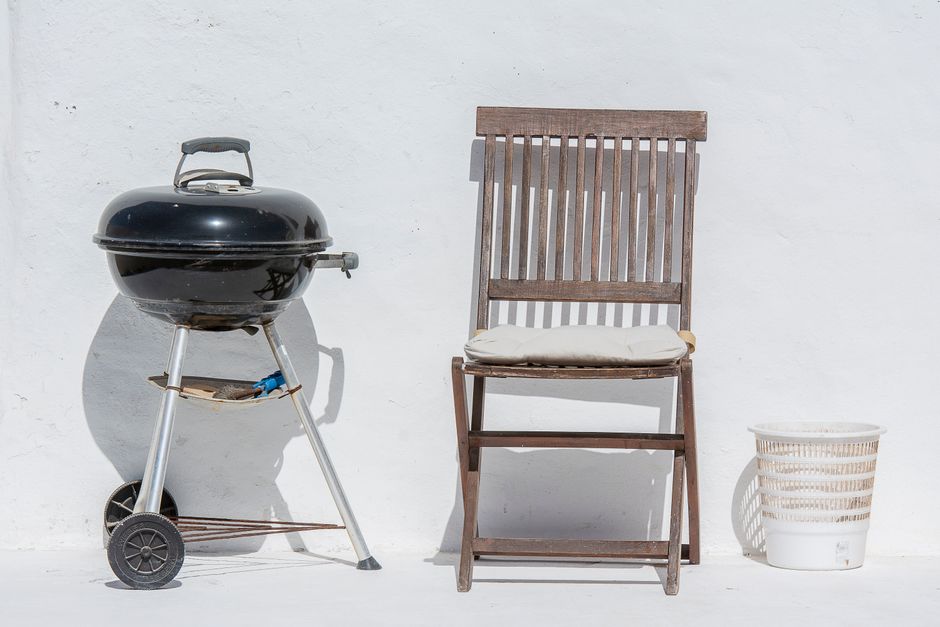
Mold growth on patio furniture is a common problem in humid climates and shaded outdoor areas. August 2026 brings peak moisture levels in many regions, making mold prevention and removal essential before fall weather arrives. Understanding the right techniques protects your investment while keeping your outdoor living space safe for family gatherings and relaxation.
Key Takeaway: Early detection and immediate cleaning with vinegar or mild bleach solutions prevent mold from spreading and damaging patio furniture permanently.
What Causes Mold Growth on Patio Furniture?
Mold thrives in three conditions: moisture, darkness, and organic materials. Patio furniture left uncovered during rainy seasons accumulates water in crevices and fabric. Shaded areas beneath trees or awnings reduce sunlight exposure, which naturally inhibits mold growth. Materials like wood, wicker, and fabric cushions provide organic food sources that mold feeds on rapidly.
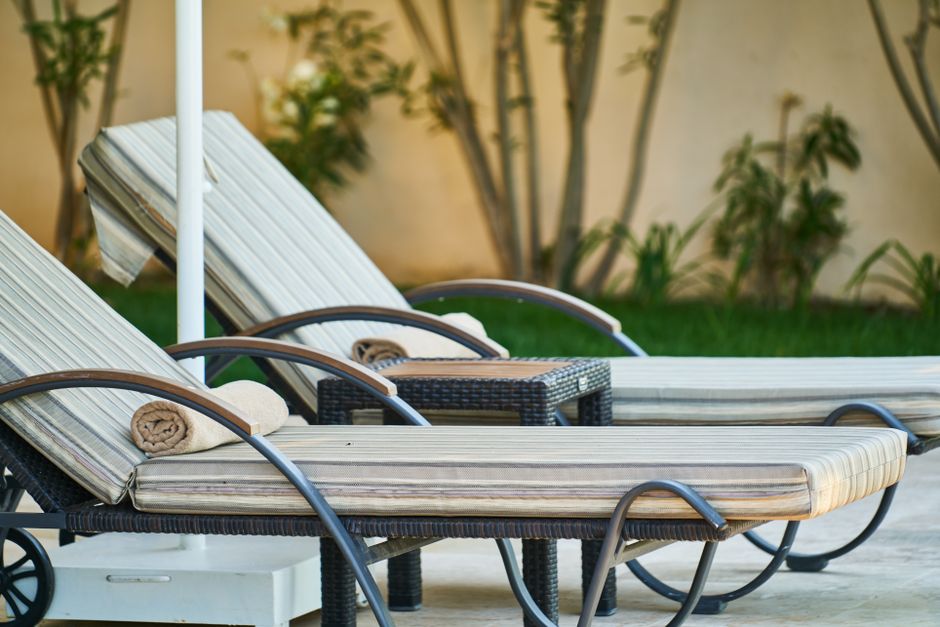
Environmental factors play a critical role in mold development. Humidity levels above 60 percent create ideal conditions for fungal spores to germinate and spread. Poor air circulation around furniture traps moisture against surfaces. Seasonal changes in August often bring increased rainfall and morning dew, accelerating mold colonization on neglected outdoor pieces.
- High humidity and moisture accumulation in furniture crevices and joints.
- Lack of direct sunlight and poor air circulation around outdoor pieces.
- Organic materials like wood, cushion fabric, and natural fibers.
- Debris buildup including leaves, pollen, and dead organic matter.
- Infrequent cleaning and prolonged storage without protection.
Key Takeaway: Controlling moisture and improving air circulation are the most effective mold prevention strategies for patio furniture.
How Do You Safely Remove Mold From Different Furniture Materials?
Metal Patio Furniture Cleaning
Metal furniture including aluminum, steel, and wrought iron tolerates aggressive cleaning methods well. Bleach-based solutions work effectively on metal without causing damage. Mix one part household bleach with three parts water in a bucket, then apply with a stiff brush to mold-covered areas. Scrub thoroughly, let sit for ten minutes, then rinse completely with clean water. Dry immediately with a soft cloth to prevent water spots and rust formation.
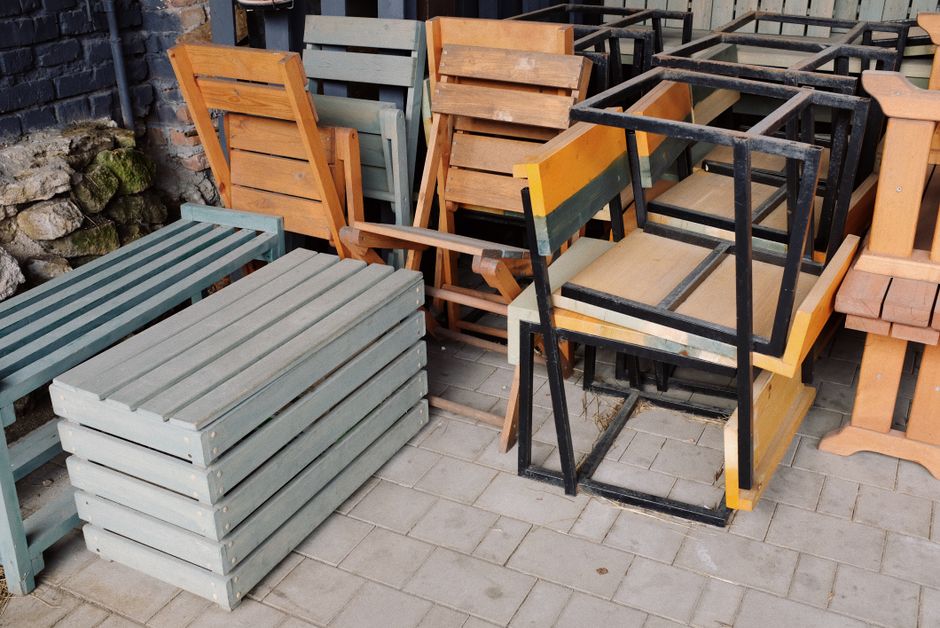
For lighter mold on metal, white vinegar provides a safer alternative that still kills fungal spores. Spray undiluted vinegar directly onto affected areas and scrub with a soft-bristled brush. The acetic acid penetrates mold without the toxicity of bleach. This method works especially well for decorative metal pieces where you want to preserve the finish.
Wood and Wicker Furniture Treatment
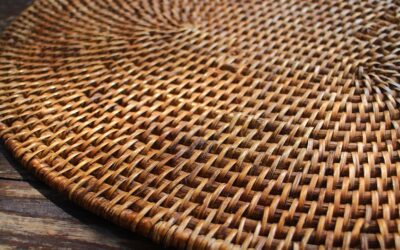
Natural materials require gentler approaches to avoid wood rot and fiber damage. Avoid bleach on wood and wicker, as it can weaken fibers and cause discoloration. White vinegar diluted with equal parts water is ideal for these surfaces. Apply the solution with a soft brush, working in the direction of the wood grain or weave. Allow the vinegar to sit for five to ten minutes before scrubbing gently and rinsing thoroughly.
For stubborn mold on wood furniture, a baking soda paste works effectively. Mix baking soda with minimal water to create a thick paste, apply to mold spots, and let sit for fifteen minutes. Scrub gently with a soft brush, then rinse well and dry completely. This method is safe for all wood types and doesn’t damage finishes or stains.
- Vinegar solution (1:1 ratio with water) for wood, wicker, and delicate surfaces.
- Bleach solution (1:3 ratio) for metal, plastic, and outdoor fabrics only.
- Baking soda paste for stubborn mold on wood without harsh chemicals.
- Commercial mold cleaners designed specifically for outdoor furniture materials.
- Pressure washing on metal and plastic only—never on wood or cushions.
Fabric Cushion and Upholstery Care
Cushions and fabric require the most careful mold removal approach. Start by brushing off visible mold outdoors to prevent spore spread indoors. Mix white vinegar with water in a spray bottle and mist the affected fabric lightly. Avoid saturating cushions, which can trap moisture inside. Allow the fabric to air dry completely in direct sunlight, which naturally kills remaining mold spores.
For washable cushion covers, remove them and wash separately in hot water with vinegar or mild detergent. Dry covers completely in sunlight before reattaching to cushions. If mold has penetrated deep into foam cushions, replacement may be necessary. Store clean, dry cushions in sealed containers during off-season months to prevent future mold growth.
Key Takeaway: Match cleaning methods to furniture materials—bleach for metal, vinegar for wood, and gentle solutions for fabrics.
What Are the Best Cleaning Products and Tools for Mold Removal?
Effective mold removal requires both proper solutions and appropriate tools. White vinegar remains the most versatile and affordable option, working safely on nearly all outdoor furniture materials. Household bleach provides stronger disinfection for metal and plastic surfaces. Baking soda offers a natural alternative for stubborn spots without chemical harshness. Commercial mold cleaners specifically formulated for outdoor furniture deliver professional results when natural methods fall short.
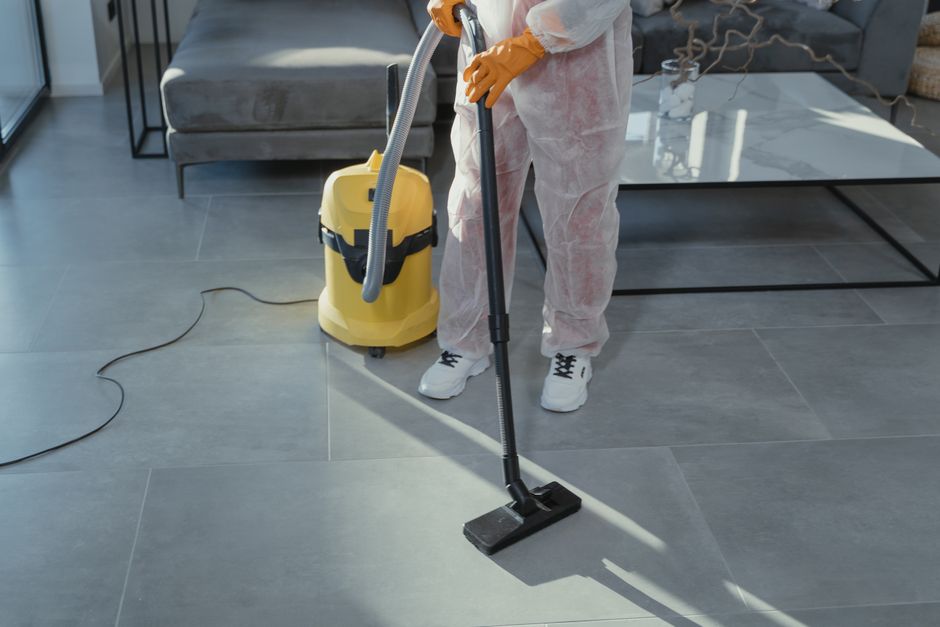
Tool selection matters as much as cleaning solutions. Soft-bristled brushes prevent damage to delicate finishes while effectively removing mold. Stiff brushes work better on metal and plastic surfaces that tolerate aggressive scrubbing. Microfiber cloths trap mold spores without spreading them. Pressure washers provide deep cleaning for metal and plastic furniture, though they require careful pressure settings to avoid damage.
- White vinegar: affordable, safe on all materials, kills mold spores effectively.
- Household bleach: powerful disinfectant for metal and plastic only.
- Baking soda: gentle, natural option for stubborn mold on wood.
- Soft-bristled brushes: prevent surface damage while removing mold.
- Pressure washers: deep cleaning for metal and plastic at 1500 PSI or lower.
- Microfiber cloths: capture spores without spreading contamination.
Key Takeaway: White vinegar and soft brushes form the safest starting point for most patio furniture mold removal projects.
How Do You Prevent Mold From Returning to Patio Furniture?
Prevention requires addressing the three conditions mold needs: moisture, darkness, and organic material. Improve air circulation by positioning furniture away from walls and under trees. Remove furniture to sunny, open areas whenever possible, as direct sunlight naturally inhibits mold growth. Clean debris like leaves and pollen regularly, eliminating organic material that feeds mold spores.
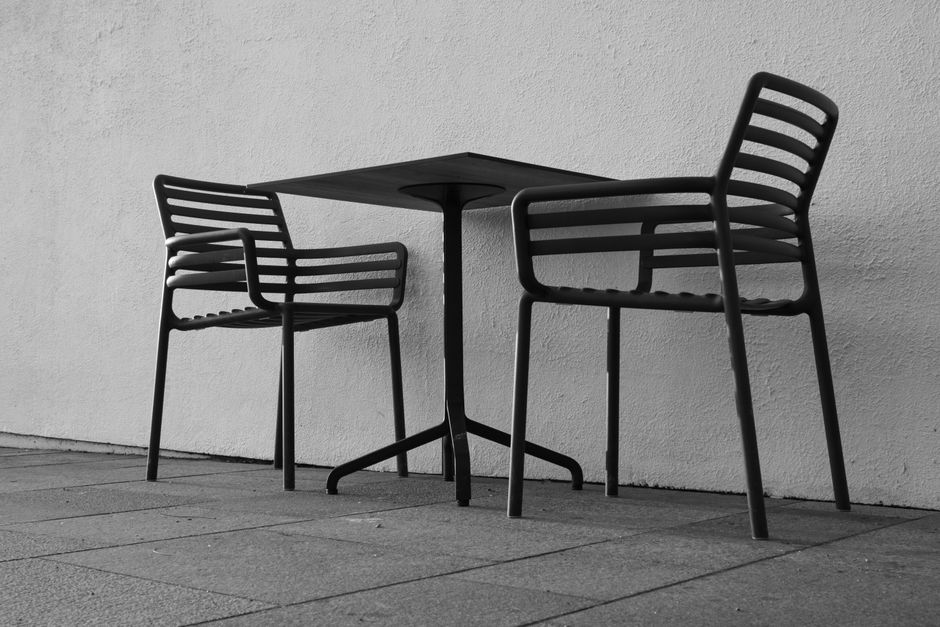
Moisture control is essential for long-term mold prevention. Use furniture covers designed for outdoor use, ensuring they allow air circulation to prevent trapped moisture. Store cushions indoors during rainy seasons or high-humidity months. Elevate furniture on small platforms to allow water drainage underneath. In humid climates, consider using silica gel packets or moisture absorbers near stored furniture during off-season months.
Seasonal Maintenance Schedule
Establish a regular cleaning routine matching your climate. In humid areas, clean furniture monthly during warm months and before seasonal storage. After heavy rain or in shaded locations, inspect furniture weekly for early mold signs. Apply protective sealers designed for outdoor wood furniture annually to create moisture-resistant barriers. Check stored furniture periodically for mold growth, especially if storage areas lack ventilation.
- Clean furniture monthly during humid seasons to prevent mold establishment.
- Improve air circulation by positioning furniture in open, sunny locations.
- Remove debris and organic material that feeds mold spores.
- Use breathable furniture covers that allow moisture to escape.
- Store cushions indoors during high-humidity seasons.
- Apply protective sealers to wood furniture annually.
- Inspect stored furniture regularly for early mold signs.
Key Takeaway: Consistent cleaning, improved ventilation, and seasonal storage prevent mold from becoming a recurring problem.
How Should You Clean and Maintain Patio Furniture Year-Round?
Year-round maintenance keeps patio furniture mold-free and extends its lifespan significantly. Establish a cleaning schedule aligned with your climate and furniture usage patterns. Spring cleaning should include a deep inspection for winter mold growth and thorough cleaning with appropriate solutions. Summer requires monthly maintenance as humidity peaks and furniture sees regular use. Fall cleaning prepares pieces for storage, removing all moisture and debris before winter protection.
Winter storage demands special attention in humid or rainy climates. Clean furniture thoroughly before storing and ensure it’s completely dry. Store in a dry, well-ventilated space like a garage or shed rather than outdoor storage boxes that trap moisture. Use moisture-absorbing products in storage areas. Cover items with breathable tarps that allow air circulation while protecting from dust.
Related to comprehensive furniture care, check out our guides on protecting outdoor furniture from rain and sun and cleaning woven rattan furniture naturally for additional maintenance strategies specific to different materials.
Key Takeaway: Seasonal cleaning routines and proper storage prevent mold while maintaining furniture appearance and durability.
Frequently Asked Questions
Is Bleach Safe to Use on All Patio Furniture Materials?
No, bleach should only be used on metal, plastic, and non-porous surfaces. Avoid bleach on wood, wicker, and fabric cushions, as it weakens fibers, causes discoloration, and can trigger wood rot. White vinegar is a safer universal alternative that works on all outdoor furniture materials without damage.
How Often Should You Clean Patio Furniture to Prevent Mold?
In humid climates, monthly cleaning during warm months prevents mold establishment. In moderate climates, quarterly cleaning suffices. After heavy rain or extended moisture exposure, inspect and clean furniture immediately. Weekly checks in shaded areas help catch early mold before it spreads extensively.
Can You Pressure Wash Mold Off Patio Furniture?
Pressure washing works well on metal and plastic furniture at 1500 PSI or lower. Never pressure wash wood, wicker, or fabric cushions, as high pressure damages fibers and drives water into deep crevices. For delicate materials, use soft brushes with vinegar solutions instead.
What’s the Best Way to Store Patio Furniture During Rainy Seasons?
Store furniture in a dry, well-ventilated space like a garage or shed rather than outdoor boxes. Ensure all pieces are completely clean and dry before storage. Use breathable covers that allow air circulation. Place moisture-absorbing products nearby. Store cushions indoors separately from furniture frames to prevent trapped moisture.
Does Vinegar Actually Kill Mold on Patio Furniture?
Yes, white vinegar’s acetic acid content kills mold spores and prevents regrowth. While less aggressive than bleach, vinegar proves highly effective on most mold types when applied directly and allowed to sit for five to ten minutes. It’s safer than bleach for delicate materials and poses no toxicity risks.
How Do You Remove Mold From Cushion Foam?
If mold has penetrated foam cushion cores, replacement is typically necessary as the moisture cannot be fully removed. Remove and wash cushion covers separately. For surface mold on covers only, vinegar spray and sunlight drying work effectively. Prevent future issues by storing cushions indoors during humid seasons.
How Can You Maintain Patio Furniture Long-Term After Mold Removal?
After successfully removing mold, establish preventive maintenance habits to avoid recurrence. Regular cleaning removes the organic debris that feeds mold spores. Position furniture in sunny, well-ventilated areas whenever possible. Apply protective finishes annually to wood furniture, creating moisture-resistant barriers. Monitor humidity levels in storage areas, using dehumidifiers in particularly damp climates.
Inspect furniture regularly for early mold signs, addressing small spots immediately before they spread. Replace damaged cushions and covers promptly, as tears and deterioration allow moisture penetration. Consider upgrading to mold-resistant materials when replacing furniture, such as synthetic wicker or metal frames with quick-dry cushion fabrics. Document your cleaning schedule and storage practices to maintain consistency year-round.
For additional furniture care guidance, explore our comprehensive guides on cleaning and maintaining wooden bar stools and removing stains from upholstered furniture. These resources provide material-specific cleaning techniques applicable to various outdoor pieces.
Key Takeaway: Long-term mold prevention combines regular cleaning, proper storage, environmental control, and prompt attention to early warning signs.
What Should You Do If Mold Returns Repeatedly?
Recurring mold indicates unresolved environmental conditions rather than cleaning failures. Assess your furniture’s location—is it in a shaded, poorly ventilated area? Move pieces to sunnier locations with better air circulation. Check storage conditions for excessive humidity or moisture. Upgrade furniture covers to breathable designs that prevent trapped moisture. Consider using a dehumidifier in storage areas during humid seasons.
Evaluate your furniture materials honestly. If wood pieces show signs of rot or structural weakness, replacement may be more practical than continued treatment. Synthetic materials like plastic, metal, and treated wicker resist mold better than natural wood and untreated fabrics. Consult with a professional furniture restoration service if valuable pieces are affected, as they can apply specialized protective treatments.
Key Takeaway: Persistent mold requires addressing underlying moisture and ventilation issues rather than relying solely on cleaning solutions.
Conclusion: Maintaining Mold-Free Patio Furniture in 2026
Cleaning mold off patio furniture requires matching your approach to specific materials while understanding the environmental conditions that promote mold growth. White vinegar serves as the safest universal cleaner, while bleach provides stronger disinfection for metal and plastic surfaces. Soft brushes, proper drying, and immediate attention prevent mold from establishing permanent damage. Prevention through improved ventilation, moisture control, and regular cleaning proves far more effective than repeated remediation efforts.
August 2026 presents an ideal time to assess your outdoor furniture and address any mold issues before fall weather arrives. Implement seasonal maintenance schedules aligned with your climate, store furniture properly during high-humidity periods, and monitor for early warning signs. By combining these strategies, you’ll enjoy clean, mold-free patio furniture throughout the year while extending the lifespan of your outdoor investment. Consistent attention now prevents costly replacements and keeps your outdoor living spaces safe and inviting for family gatherings and relaxation.



Write Your Review
No reviews yet. Be the first to share your experience!