

How Do You Remove Stains from Upholstered Furniture? Quick Answer
Removing stains from upholstered furniture starts with immediate action: blot (never rub) fresh spills with a clean cloth, then treat the stain using fabric-safe solutions. For most fabric stains, mix one tablespoon liquid dish soap with two cups of warm water, apply with a cloth, and blot repeatedly. Dried stains require enzyme-based cleaners or oxygen bleach. Always test any solution on a hidden area first. Different materials—microfiber, velvet, linen, or leather—need tailored approaches. Professional cleaning remains an option for stubborn or delicate pieces.

Upholstered furniture faces constant challenges from spills, pet accidents, and everyday wear. Stains happen to everyone, but panic is unnecessary. The key is understanding your furniture’s fabric type and acting quickly. Most household stains—coffee, wine, grease, dirt—respond well to simple treatments using items you likely have at home. Knowing the right technique prevents permanent damage and extends your furniture’s lifespan significantly.
Key Takeaway: Act fast, blot don’t rub, and match your cleaning method to your fabric type.
What Are the Best Immediate Steps for Fresh Stains?
The first 30 seconds after a spill determine your success. Blotting immediately absorbs excess liquid before it penetrates deep into fibers. Use a white cloth or paper towel—colored materials can transfer dye onto your furniture. Press gently and repeatedly, working from the stain’s edges toward the center. This prevents spreading the stain outward. Never rub or scrub at this stage, as friction drives the stain deeper into fabric.

After blotting, remove solid debris if present. Scrape gently with a spoon or dull knife. For grease-based stains, sprinkle baking soda or cornstarch to absorb oils. Let it sit for 10-15 minutes, then vacuum thoroughly. This simple step prevents the stain from setting permanently.
- Blot immediately with a white cloth or paper towel.
- Work from stain edges inward to prevent spreading.
- Remove solid matter with a dull knife or spoon.
- Apply baking soda to grease stains for 10-15 minutes.
- Vacuum the area completely before applying liquid cleaners.
Key Takeaway: Speed and blotting are your best defenses against permanent stains.
When Should You Call a Professional?
Professional cleaning becomes necessary for large stains, delicate fabrics, or stains older than a week. Velvet, silk, and antique upholstery require professional expertise. If your first treatment attempt fails, stop and contact professionals before trying additional methods that might damage fibers permanently.
Which Cleaning Solutions Work Best for Common Stains?
Different stains require different treatments. A universal cleaner works for many situations, but targeted solutions deliver better results. Understanding your stain type—protein-based, tannin-based, grease-based, or dye-based—helps you choose the right approach. Most common household stains fall into one of these categories.
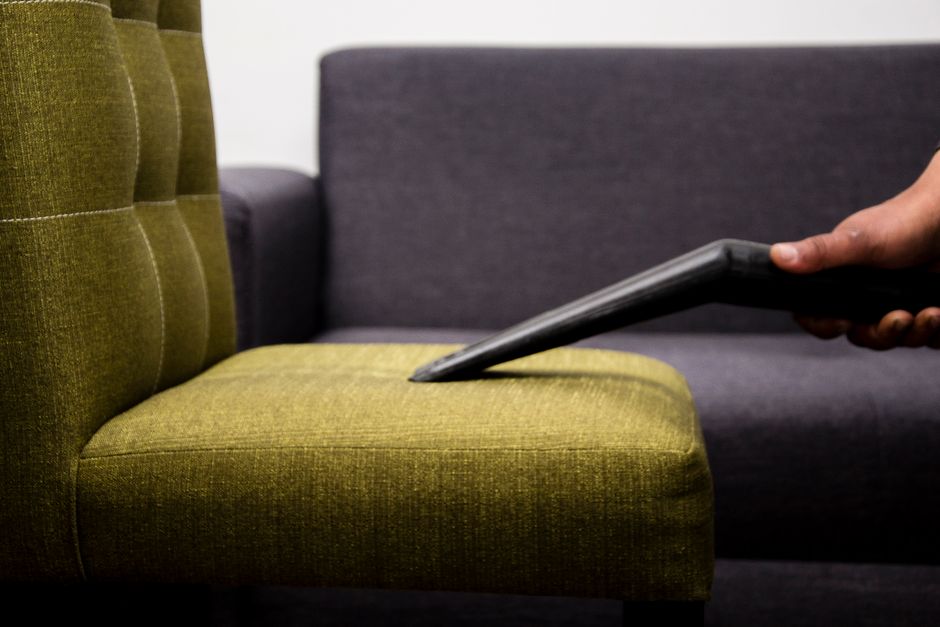
The basic soap solution handles many stains effectively. Mix one tablespoon of liquid dish soap with two cups of warm water. Apply to the stain with a cloth, let sit for 5-10 minutes, then blot repeatedly with a damp cloth. Rinse with plain water and blot dry. This gentle approach works on coffee, tea, juice, and general dirt.
- Coffee and tea: Use basic soap solution or white vinegar diluted with water (1:1 ratio).
- Wine and berries: Blot first, then apply club soda or hydrogen peroxide (test first).
- Grease: Apply baking soda or cornstarch first, then use soap solution.
- Protein stains (blood, vomit, urine): Use cold water (never hot), then enzyme cleaner.
- Chocolate: Let dry, vacuum, then treat with soap solution.
Key Takeaway: Match your cleaning solution to your stain type for maximum effectiveness.
What About Enzyme and Oxygen Cleaners?
Enzyme-based cleaners break down organic matter in protein stains. Oxygen bleach (like OxiClean) lifts stubborn stains without harsh chemicals. Both work on dried stains that soap solutions miss. Follow product instructions carefully and test on hidden areas first. These cleaners are more powerful than basic soap but require careful application on delicate fabrics.
How Do You Clean Different Fabric Types Safely?
Fabric composition determines which cleaning methods are safe. Microfiber, cotton, linen, velvet, and synthetic blends each have different tolerances for moisture and chemicals. Using the wrong method can damage fibers permanently or cause color bleeding. Your furniture’s care tag provides the best guidance, but understanding general fabric types helps too.
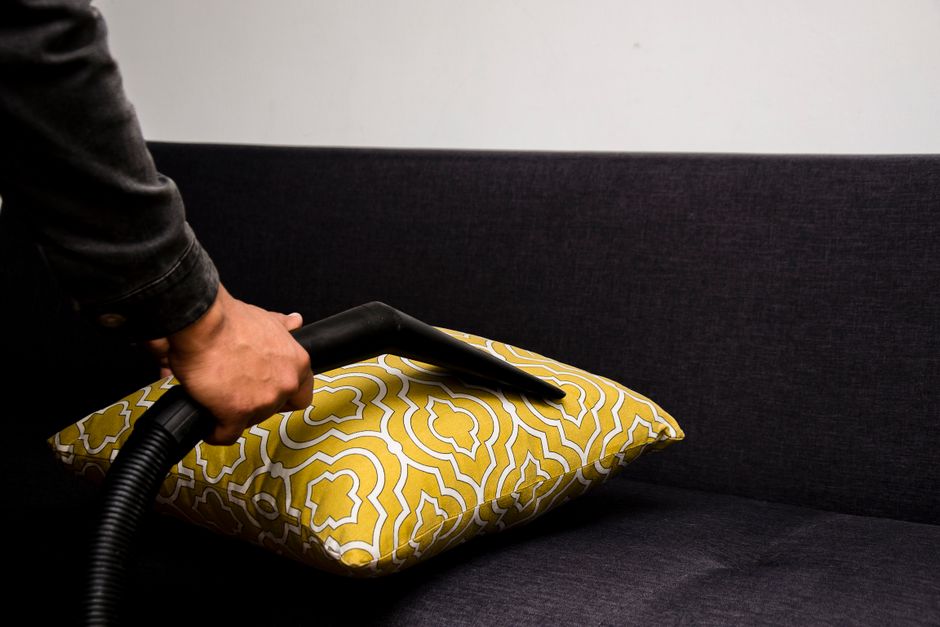
Check your furniture’s care label first. Tags display codes: W means water-based cleaners are safe, S means solvent-only, WS means both are acceptable, and X means vacuuming only. Following these guidelines prevents costly damage. If the tag is missing, test your chosen cleaner on a hidden seam or underside first.
- Microfiber: Responds well to water-based cleaners; avoid oil-based products.
- Cotton and linen: Durable fabrics that tolerate most water-based cleaners.
- Velvet: Delicate pile requires gentle blotting; avoid rubbing or scrubbing.
- Wool: Use cold water only; hot water causes shrinking and damage.
- Synthetic blends: Generally forgiving; test new products on hidden areas.
Key Takeaway: Always check your care tag and test cleaners on hidden areas before treating visible stains.
What Special Care Does Leather Require?
Leather upholstery needs different treatment than fabric. Blot spills immediately, but avoid water-based cleaners unless your care tag permits. Use leather-specific cleaners or a mixture of equal parts white vinegar and linseed oil. Condition leather after cleaning to prevent cracking. Professional leather cleaning is often worth the investment for valuable pieces.
What Practical Steps Should You Follow for Stubborn Stains?
Stubborn stains require patience and a systematic approach. Rushing through multiple treatments can damage your furniture. Work methodically through increasingly stronger solutions, testing each step. Document what you’ve tried so you don’t repeat failed methods. Many stubborn stains eventually yield to consistent, gentle treatment.

Start with the gentlest option and progress to stronger solutions only if needed. This protects your furniture while giving you the best chance of success. Rushing to harsh chemicals risks permanent damage that no amount of cleaning can fix.
- Blot and remove any solid debris immediately.
- Apply baking soda or cornstarch if the stain contains grease or moisture.
- Try the basic soap solution (1 tbsp dish soap + 2 cups warm water).
- If that fails, test white vinegar diluted 1:1 with water on a hidden area.
- For protein stains, apply an enzyme cleaner according to product directions.
- Consider oxygen bleach (OxiClean) for stubborn, light-colored fabric stains.
- Contact professionals if stains persist after these attempts.
Key Takeaway: Progress from gentle to stronger solutions, testing each step before proceeding.
How Long Should You Wait Between Treatment Attempts?
Wait at least 24 hours between different treatment methods. This allows your furniture to dry completely and prevents chemical interactions. Rushing multiple treatments in quick succession can set stains permanently or damage fibers. Patience yields better results than aggressive treatment.
How Can You Prevent Future Stains on Upholstered Furniture?
Prevention is easier than removal. Protective measures reduce stain frequency and severity significantly. Fabric treatments create invisible barriers against spills, giving you time to clean before stains set. Behavioral changes and smart placement also prevent many common stains.
Scotchgard and similar fabric protectors coat fibers with water and oil-repellent chemicals. These treatments are typically applied during manufacturing but can be reapplied at home. They don’t prevent stains permanently but buy valuable time for cleanup. Many furniture retailers offer protective treatments as add-ons when purchasing new pieces.
- Apply fabric protector treatments to new upholstered furniture.
- Use furniture covers on high-traffic pieces or if you have pets.
- Keep drinks and food away from seating areas when possible.
- Place coasters under beverages and use placemats under plates.
- Vacuum upholstered furniture weekly to prevent dirt accumulation.
- Rotate cushions regularly to distribute wear evenly.
Key Takeaway: Preventive measures and quick cleanup habits reduce staining incidents significantly.
Should You Consider Furniture Covers?
Furniture covers protect against spills, pet damage, and general wear. Removable, washable covers are practical for households with children or pets. They’re less aesthetically pleasing than uncovered furniture but offer real protection. See our guide on how to protect furniture from pet hair and stains for more information.
Frequently Asked Questions
Can You Use Hydrogen Peroxide on Upholstered Furniture?
Hydrogen peroxide works on light-colored fabrics for wine, berry, and blood stains. Always test on a hidden area first, as it can bleach darker fabrics. Use 3% solution, apply sparingly, let sit 5-10 minutes, then blot thoroughly with water. Avoid using on wool, silk, or delicate fabrics without professional guidance.
What’s the Difference Between Blotting and Rubbing?
Blotting presses the cloth straight down to absorb liquid without moving it around. Rubbing moves the cloth back and forth, which pushes the stain deeper into fibers and spreads it wider. Blotting is gentler and more effective for fresh stains. Always blot when treating upholstered furniture stains.
How Often Should You Clean Upholstered Furniture?
Vacuum upholstered furniture weekly to remove dust and prevent dirt accumulation. Spot-clean stains as they occur. Deep clean annually or every 6-12 months depending on usage. High-traffic pieces need more frequent cleaning. Regular maintenance prevents stains from setting and extends furniture lifespan significantly.
Is White Vinegar Safe for All Fabrics?
White vinegar is generally safe for most fabrics but can damage wool and delicate materials. Test on a hidden area first. Dilute 1:1 with water for gentle cleaning. The vinegar smell dissipates as furniture dries. Avoid vinegar on silk, velvet, or antique upholstery without professional guidance.
What Should You Do If a Stain Spreads During Cleaning?
Stop immediately and let the area dry completely. Continuing to apply liquid spreads the stain further. Once dry, reassess and try a different approach. If spreading continues, contact professionals. Sometimes the stain appears larger during cleaning but shrinks as furniture dries.
Can Baking Soda Damage Upholstered Furniture?
Baking soda is safe for most upholstered furniture when used properly. Sprinkle lightly, let sit 10-15 minutes, then vacuum thoroughly. Don’t leave it on too long or it can leave residue. Avoid using on velvet or delicate fabrics where particles might embed in fibers permanently.
How Should You Approach Long-Term Furniture Care Beyond Stain Removal?
Stain removal is just one aspect of furniture maintenance. Long-term care includes regular cleaning, proper storage, and addressing structural issues. Sagging cushions, wobbly legs, and worn seams reduce your furniture’s lifespan and aesthetic appeal. Addressing these issues alongside stain removal keeps your pieces looking new for years.
Consistent maintenance prevents small problems from becoming expensive repairs. Vacuum regularly, spot-clean spills immediately, and address damage promptly. Rotate cushions to distribute wear evenly. Check seams and legs annually for damage. If you notice sagging cushions, our guide on how to fix sagging sofa cushions provides detailed solutions. For comprehensive fabric care, see our article on how to clean fabric sofa cushions at home.
Professional cleaning annually keeps your furniture in top condition. Experts have access to industrial-strength cleaners and equipment that home methods can’t match. They can also apply protective treatments more effectively than DIY applications. For valuable or antique pieces, professional care is worth the investment.
Key Takeaway: Combine regular maintenance, prompt stain treatment, and professional care for furniture that lasts decades.






Write Your Review
No reviews yet. Be the first to share your experience!