

How to Protect a Wood Dining Table from Scratches: Quick Answer
Protecting a wood dining table from scratches requires a multi-layered approach combining preventative barriers, proper maintenance, and smart usage habits. The most effective methods include applying protective coatings like polyurethane or lacquer, using furniture pads under chair legs, placing placemats and coasters strategically, and establishing household rules about sharp objects on the surface. Regular dusting and polishing with appropriate wood conditioners maintain the protective finish while preventing dust accumulation that can cause micro-scratches. In July 2026, modern protective solutions range from traditional wax finishes to advanced polyurethane sealants designed specifically for dining surfaces.
Wood dining tables represent significant investments in home décor and functionality. Scratches not only diminish aesthetic appeal but also expose wood to moisture and potential damage. Understanding the science behind scratch prevention helps homeowners make informed decisions about their table’s long-term care. This guide covers every protection method available, from initial setup through daily maintenance routines that preserve your table’s beauty for decades.
Key Takeaway: A combination of protective coatings, physical barriers, and consistent maintenance practices provides comprehensive scratch protection for wood dining tables.
What Are the Best Protective Coatings for Wood Dining Tables?
Protective coatings form the foundation of scratch defense by creating a durable barrier between wood and potential damage sources. The right coating depends on your table’s existing finish, desired appearance, and maintenance commitment. Different coatings offer varying levels of protection, durability, and aesthetic results that suit different household needs and preferences.
Polyurethane Finishes
Polyurethane stands as the industry standard for dining table protection in 2026. This synthetic coating creates an extremely hard, transparent layer that resists scratches, moisture, and heat. Water-based polyurethane dries clear without yellowing, while oil-based varieties develop a warm amber tone over time. Most dining tables benefit from two to three coats applied with proper sanding between layers for maximum adhesion and durability.
- Water-based polyurethane: Fast drying, low odor, maintains natural wood color.
- Oil-based polyurethane: Slower drying, richer appearance, more forgiving application.
- Application frequency: Reapply every 3-5 years depending on table usage intensity.
- Scratch resistance rating: Excellent protection against light to moderate daily wear.
Professional-grade polyurethane products outperform budget options significantly. According to the Fine Woodworking Association, commercial-grade polyurethane formulations provide 40% better scratch resistance than consumer-grade alternatives. Proper application technique matters as much as product quality for optimal results.
Lacquer and Conversion Coatings
Lacquer offers exceptional hardness and clarity for wood dining surfaces. This fast-drying coating creates a glass-like finish that resists scratches effectively. Conversion coatings provide similar benefits with enhanced durability for high-traffic dining areas. These options work particularly well for modern and contemporary table designs where a sleek appearance matters.
Key Takeaway: Polyurethane and lacquer coatings provide superior scratch resistance when applied correctly with proper surface preparation.
How Do Furniture Pads and Protective Barriers Prevent Scratches?
Physical barriers prevent direct contact between potential scratch sources and the wood surface. Furniture pads, placemats, and coasters distribute pressure and reduce friction that causes visible marks. Strategic placement of these protective elements addresses the most common scratch scenarios in dining environments where chairs, dishes, and utensils interact with the table surface.
Chair Leg Pads and Sliders
Chair legs create the majority of dining table scratches through constant movement during meals and conversation. Felt pads, rubber sliders, and plastic glides reduce friction between chair legs and the table surface. Self-adhesive options install in seconds without tools or permanent modifications. Replace pads annually or whenever wear becomes visible to maintain consistent protection.
- Felt pads: Affordable, gentle on wood, require annual replacement.
- Rubber sliders: Durable, smooth movement, work on most floor types.
- Plastic glides: Long-lasting, visible wear indicators, easy removal.
- Installation: Clean surface thoroughly before applying adhesive-backed options.
Choose pads matching your table’s finish color for invisible protection. Dark wood tables benefit from dark felt pads that blend seamlessly into the environment. Light wood surfaces pair better with neutral or matching light-colored protective pads for aesthetic consistency.
Placemats and Table Runners
Placemats create designated zones protecting high-risk areas where plates, glasses, and utensils sit. Quality placemats with felt or cork backing prevent sliding while protecting the underlying wood. Table runners offer linear protection along the table’s center while adding decorative appeal. These fabric barriers catch spills before they reach wood and cushion dinnerware against direct contact.
Invest in washable, durable placemats made from natural materials like linen or cotton blends. Synthetic materials sometimes trap moisture against the wood surface, potentially causing damage. Proper placement ensures maximum protection during actual dining without creating unsightly gaps or misalignment.
Key Takeaway: Physical barriers like chair pads and placemats prevent most common dining table scratches through simple, affordable interventions.
What Daily Maintenance Habits Protect Wood Dining Tables?
Consistent daily practices preserve protective coatings and prevent scratch accumulation. Proper cleaning techniques, appropriate product selection, and mindful handling extend your table’s pristine appearance significantly. These habits cost nothing but time and awareness yet provide substantial long-term protection benefits.
Cleaning and Dusting Routines
Dust particles act as microscopic abrasives that create fine scratches when wiped across wood surfaces. Use soft microfiber cloths or natural cotton for all cleaning tasks. Avoid paper towels and rough fabrics that scratch during cleaning. Weekly dusting with a damp cloth removes particles before they accumulate and cause damage through repeated contact.
- Microfiber cloths: Superior dust capture, gentle on finishes, machine washable.
- Damp cleaning: Use slightly damp cloths, never wet surfaces.
- Circular motions: Follow wood grain direction to prevent visible scratch lines.
- Frequency: Dust weekly, deep clean monthly depending on household activity.
Never use commercial furniture polish containing silicone or wax unless specifically formulated for your table’s existing finish. These products can build up and create a cloudy, slippery surface. Instead, use pH-neutral wood cleaners recommended for your specific finish type, whether polyurethane, lacquer, or natural oil.
Spill Management and Immediate Response
Liquid spills pose dual threats: immediate moisture damage and scratching from rushed cleanup efforts. Blot spills immediately with soft cloths rather than wiping. Prevent moisture from penetrating the wood by addressing spills before they set. Quick action prevents staining and protects the underlying finish from water damage that weakens scratch resistance.
For sticky substances like food or beverage residue, use barely damp cloths with gentle pressure. Allow moisture to soften the residue rather than scrubbing aggressively. Aggressive cleaning creates visible scratches and removes protective finish in localized areas, compromising the table’s overall defense system.
Key Takeaway: Daily dusting with soft cloths and immediate spill management prevent most scratches and maintain protective coatings.
How Can You Establish Household Rules to Minimize Scratch Risk?
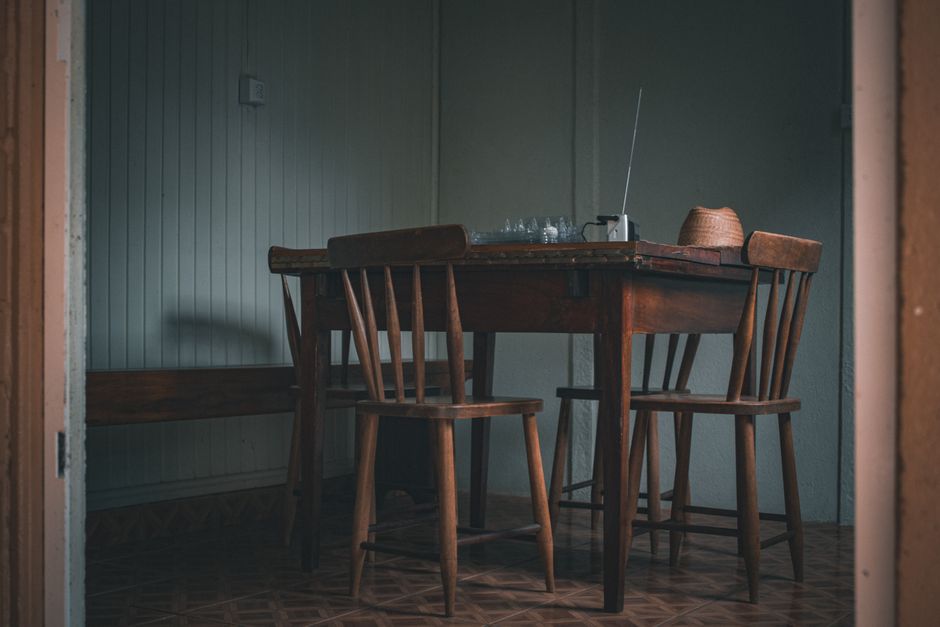
Behavioral practices prevent scratches before they occur through intentional awareness and household guidelines. Family members and guests who understand the table’s vulnerability contribute significantly to its preservation. Clear communication about proper usage prevents accidental damage from careless handling or ignorance of best practices.
Smart Table Usage Practices
Establish straightforward rules that protect the table without creating inconvenience. Require coasters for all beverages, including water glasses that sweat and leave rings. Prohibit sharp objects like knives, forks, and pens from direct contact with the surface. Use placemats for all meals and place hot dishes on trivets or protective stands rather than directly on wood.
- No sharp objects: Keep knives, scissors, and pens away from the surface.
- Coaster requirement: Use coasters for all drinks without exception.
- Hot dish protection: Always use trivets or protective stands for hot cookware.
- Sliding prohibition: Never slide dishes, chairs, or objects across the surface.
- Guest communication: Politely remind visitors about table care during entertaining.
Post subtle reminders near the table without creating an unwelcoming atmosphere. Decorative coaster holders and trivet displays normalize protective practices. When guests see these items prominently displayed, they naturally adopt careful handling practices without requiring explicit instructions.
Children and Pet Considerations
Households with children and pets face elevated scratch risk from energetic activity and unpredictable behavior. Establish clear boundaries about dining table usage for play and creative activities. Designate separate surfaces for crafts, homework, and pet activities to protect the dining table. Supervise young children during meals to prevent utensil misuse that causes scratches.
Pet nails create distinctive scratch patterns on wood surfaces. Keep pets away from the dining area during meals and prohibit jumping on or under the table. Trim pet nails regularly to minimize damage potential if contact occurs. Consider protective barriers like furniture covers when pets have unsupervised access to dining areas.
Key Takeaway: Clear household rules and behavioral awareness prevent most scratches through intentional, mindful table usage.
What Repair and Restoration Options Exist for Existing Scratches?
Despite preventative measures, minor scratches occasionally occur on wood dining tables. Understanding repair options helps minimize damage visibility and maintain table integrity. Different scratch depths require different repair approaches, from simple touch-ups to professional refinishing. Early intervention prevents minor scratches from developing into larger structural problems.
Minor Scratch Touch-Ups
Shallow scratches affecting only the top finish layer require minimal intervention. Wood stain markers and touch-up pens blend scratches with surrounding wood tones effectively. These affordable solutions take minutes to apply and work particularly well on darker wood finishes where color matching hides damage. For light woods, furniture wax sticks provide similar camouflage effects.
- Stain markers: Precise application, excellent color matching, quick drying.
- Furniture wax sticks: Fills shallow scratches, blends with surrounding finish.
- Application: Clean scratch area, apply product, blend with cloth.
- Effectiveness: Works best on scratches under 1/8 inch depth.
Test any touch-up product on an inconspicuous area first to ensure color match and finish compatibility. Different wood species and existing finishes may react differently to repair products. Proper testing prevents visible repair marks that draw attention rather than concealing damage.
Professional Refinishing
Deep scratches exposing bare wood or multiple scratches across the surface warrant professional refinishing. Expert furniture restorers assess damage severity and recommend appropriate solutions. Complete refinishing removes old finish, repairs wood damage, and applies new protective coatings. This investment restores tables to near-original condition, particularly valuable for heirloom or high-quality pieces.
For guidance on refinishing processes, consult our detailed guide on how to refinish a wooden coffee table in 2026, which covers similar restoration principles applicable to dining tables. Professional refinishing costs vary based on damage extent and table size, but typically range from several hundred to several thousand dollars depending on complexity.
Key Takeaway: Minor scratches respond to simple touch-ups, while deep damage benefits from professional refinishing services.
How Should You Protect Your Wood Dining Table During Storage or Moving?
Temporary storage and relocation present heightened scratch risk from environmental exposure and handling. Proper protection during these vulnerable periods prevents damage that months of careful daily use might otherwise cause. Strategic preparation and appropriate materials ensure your table survives storage and moving intact.
For comprehensive moving protection strategies, review our guide on how to protect wood furniture during shipping in 2026. These detailed techniques apply equally to local moves and extended storage situations. Proper wrapping, climate control, and secure placement prevent scratches, moisture damage, and structural issues during vulnerable transition periods.
Key Takeaway: Specialized protection during storage and moving prevents damage equivalent to years of normal use.
Practical Tips: Step-by-Step Scratch Prevention Action Plan
Implement comprehensive scratch protection through this actionable sequence that combines immediate and long-term strategies.
Immediate Actions (This Week)
- Inspect your table’s current finish condition and identify any existing damage.
- Purchase felt pads, coasters, trivets, and placemats matching your table style.
- Install chair leg pads on all dining chairs using the adhesive backing.
- Establish household rules about table usage and communicate them to family members.
- Create a cleaning schedule with soft microfiber cloths and appropriate wood cleaner.
Medium-Term Actions (This Month)
- Apply protective coating if your table lacks adequate finish or shows wear patterns.
- Assess your table’s finish type and select appropriate maintenance products accordingly.
- Purchase touch-up supplies matching your wood color for minor scratch repairs.
- Organize coasters, trivets, and placemats in accessible locations near the dining area.
- Document your table’s condition with photographs for insurance and future reference.
Long-Term Maintenance (Ongoing)
- Dust the table weekly with soft cloths following wood grain direction.
- Replace worn chair leg pads annually or when adhesive weakens.
- Address spills immediately using blotting techniques rather than aggressive wiping.
- Reapply protective coating every three to five years based on usage intensity.
- Schedule professional refinishing every ten years or when damage accumulates visibly.
Key Takeaway: A structured action plan combining immediate protection, monthly maintenance, and annual upkeep prevents most dining table scratches.
Frequently Asked Questions
Can I use regular furniture polish on my wood dining table?
Regular furniture polish containing silicone or wax can build up over time, creating a cloudy finish and reducing protective coating effectiveness. Use pH-neutral wood cleaners specifically formulated for your table’s finish type instead. Check your table’s documentation or test products on inconspicuous areas before applying them to visible surfaces to ensure compatibility and avoid damage.
How often should I replace chair leg pads?
Replace chair leg pads annually or whenever you notice visible wear, flattening, or adhesive weakening. Worn pads lose their protective cushioning effect and may scratch the table surface. Monthly inspections help identify pads needing replacement before damage occurs. Keep replacement pads on hand for quick installation when needed.
What’s the best way to remove water rings from my wood dining table?
Water rings typically respond to gentle heat application using a hairdryer on low setting or placing a warm cloth on the affected area. Rub with the wood grain direction using soft cloths. For stubborn rings, apply a mixture of equal parts white vinegar and olive oil, rubbing gently with the grain. Test this solution on inconspicuous areas first to ensure finish compatibility.
Is polyurethane or lacquer better for dining table protection?
Both offer excellent scratch protection with different advantages. Polyurethane provides better moisture and heat resistance, making it ideal for active dining areas. Lacquer dries faster and creates a glass-like finish preferred for aesthetic reasons. Choose based on your table’s style, usage patterns, and maintenance preferences. Professional application ensures optimal results regardless of choice.
Can I use tablecloths instead of placemats for protection?
Tablecloths provide aesthetic appeal and some protection but prove less effective than placemats for preventing scratches. Tablecloths shift during meals, leaving portions of the table exposed. Combining tablecloths with placemats in high-use areas offers optimal protection while maintaining desired appearance and functionality.
What should I do if my child scratches the table with a toy?
Assess scratch depth immediately. Shallow scratches often respond to touch-up stain markers or wax sticks. Deep scratches exposing bare wood require professional attention to prevent moisture penetration and wood damage. Use this incident to reinforce household rules and establish supervised play areas separate from the dining table to prevent future damage.
How Can You Maintain Your Wood Dining Table’s Protection Long-Term?
Long-term table preservation requires consistent attention to preventative measures and protective coatings. Establish routines that become automatic household practices, eliminating the need for constant reminders. Regular assessment of protective elements ensures they remain effective as they age and wear. This proactive approach costs significantly less than professional repairs or refinishing.
Document your maintenance schedule and protective measures for future reference. When selling your home or passing the table to family members, this documentation proves valuable for demonstrating proper care. Photographs showing the table’s condition over time provide evidence of successful preservation efforts and justify the time and resources invested in protection.
Stay informed about new protective products and techniques emerging in 2026 and beyond. Furniture care innovations continue improving protection options and simplifying maintenance routines. Subscribe to furniture care resources and consult professionals periodically to ensure your preservation methods remain current and effective. This ongoing commitment preserves your wood dining table’s beauty and functionality for decades of enjoyment.
Key Takeaway: Consistent maintenance routines, documented care practices, and periodic professional assessment ensure wood dining tables remain protected and beautiful throughout their lifespan.
For additional furniture protection guidance, explore our comprehensive resources on how to protect furniture from pet hair and stains in 2026, which covers broader household furniture preservation strategies applicable to dining tables and other valuable pieces.




Write Your Review
No reviews yet. Be the first to share your experience!