

How to Fix a Sticky Dresser Drawer: Quick Answer
A sticky dresser drawer usually results from dust buildup, humidity, misalignment, or wood swelling. The quickest fix involves cleaning the drawer tracks, applying lubricant like furniture wax or silicone spray, and checking alignment. Most sticky drawers can be repaired in under 30 minutes using basic household tools. This guide covers diagnosis, repair methods, and prevention strategies to restore smooth operation and extend your furniture’s lifespan.
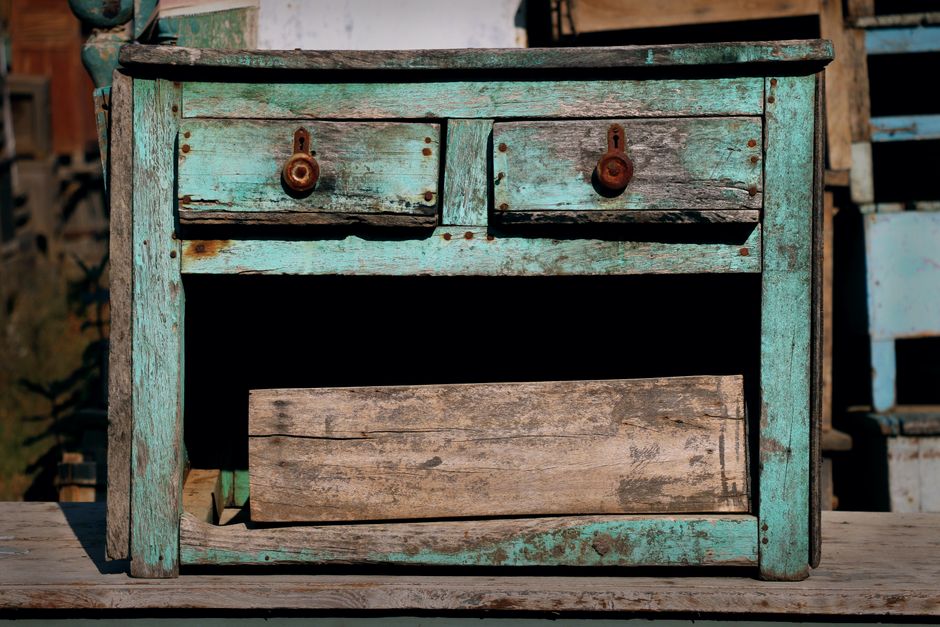
Sticky drawers are one of the most common furniture issues homeowners face. Whether your dresser is vintage or newly purchased, understanding the root cause helps you apply the right solution. Proper maintenance prevents future problems and keeps your furniture functioning beautifully for years to come.
What Causes a Dresser Drawer to Become Sticky?
Sticky dresser drawers stem from several preventable causes. Dust and debris accumulate in the tracks over months or years, creating friction that slows movement. Humidity changes cause wood to expand and contract, altering the drawer’s fit within the frame. Poor alignment happens when drawers shift from regular use or impacts. Understanding these causes helps you choose the most effective solution.

Environmental factors play a major role in drawer stickiness.
- Dust and pet hair clogging track grooves and runner systems.
- High humidity causing wood swelling and dimensional changes.
- Low humidity causing wood shrinkage and misalignment issues.
- Warped wood from temperature fluctuations or water exposure.
- Damaged or worn drawer slides and wooden runners.
Dust and Debris Buildup
Over time, dust settles into drawer tracks and accumulates on wooden runners. Pet hair, fabric fibers, and household debris combine to create a thick layer that prevents smooth gliding. This is the most common cause of sticky drawers and the easiest to fix. Regular vacuuming and wiping can prevent this issue entirely.
Humidity and Wood Expansion
Wood naturally responds to moisture in the air. High humidity causes wood fibers to swell, making drawers fit more tightly in their frames. Conversely, dry conditions cause wood to shrink, sometimes creating misalignment. Seasonal changes in your home’s humidity levels directly impact drawer operation. Using a humidifier or dehumidifier helps maintain consistent moisture levels.
Key Takeaway: Most sticky drawers result from dust buildup or humidity-related wood swelling, both easily preventable with regular maintenance.
How Do You Clean Sticky Dresser Drawer Tracks?
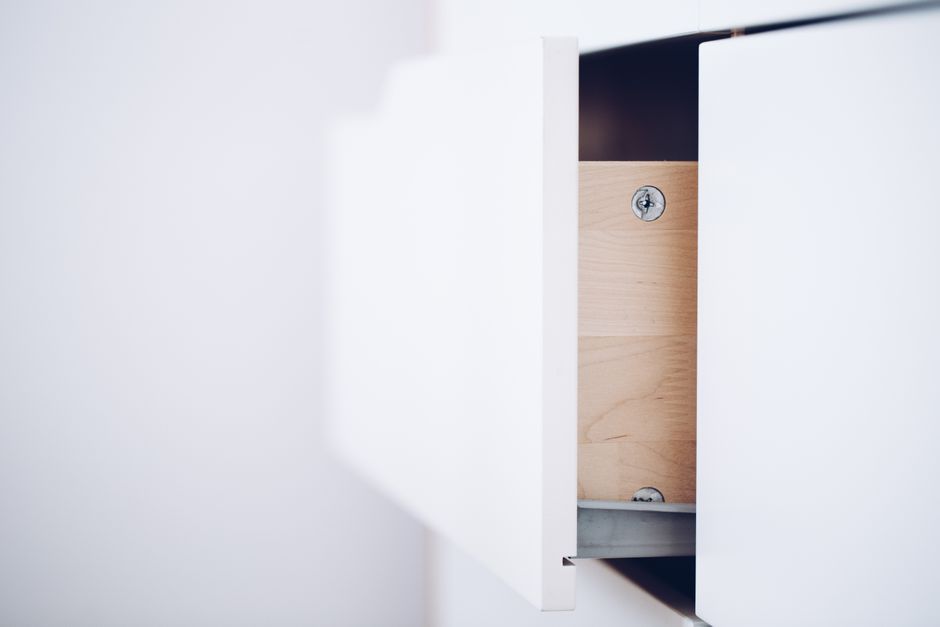
Cleaning is the first step in fixing a sticky dresser drawer. Start by removing the drawer completely from the dresser. Inspect the tracks, runners, and the drawer’s underside for visible dust, debris, and buildup. Use a vacuum with a brush attachment to remove loose particles from all crevices. This simple step often restores significant functionality without additional intervention.
Step-by-Step Cleaning Process
- Pull the drawer out fully and set it on a clean, flat surface.
- Vacuum the interior tracks using a brush attachment.
- Wipe tracks with a dry microfiber cloth to remove fine dust.
- Use a soft brush or old toothbrush to scrub stubborn buildup gently.
- Inspect wooden runners for dirt, damage, or warping.
- Wipe the drawer’s bottom edges with a damp cloth if needed.
For stubborn grime, use a slightly damp cloth with mild soap solution. Never soak wooden components or use excessive water, as moisture damages wood. Dry everything thoroughly before reinstalling the drawer. Pay special attention to corners where dust accumulates most heavily.
Inspecting for Damage During Cleaning
While cleaning, check for cracks, splinters, or warping in wooden tracks and runners. Look for bent metal slides or broken rollers if your dresser uses modern hardware. Damaged components may require replacement rather than simple lubrication. Document any issues with photos for reference when ordering replacement parts.
Key Takeaway: Thorough cleaning removes most sticky drawer issues and reveals any underlying damage requiring repair.
What Lubricants Work Best for Dresser Drawers?
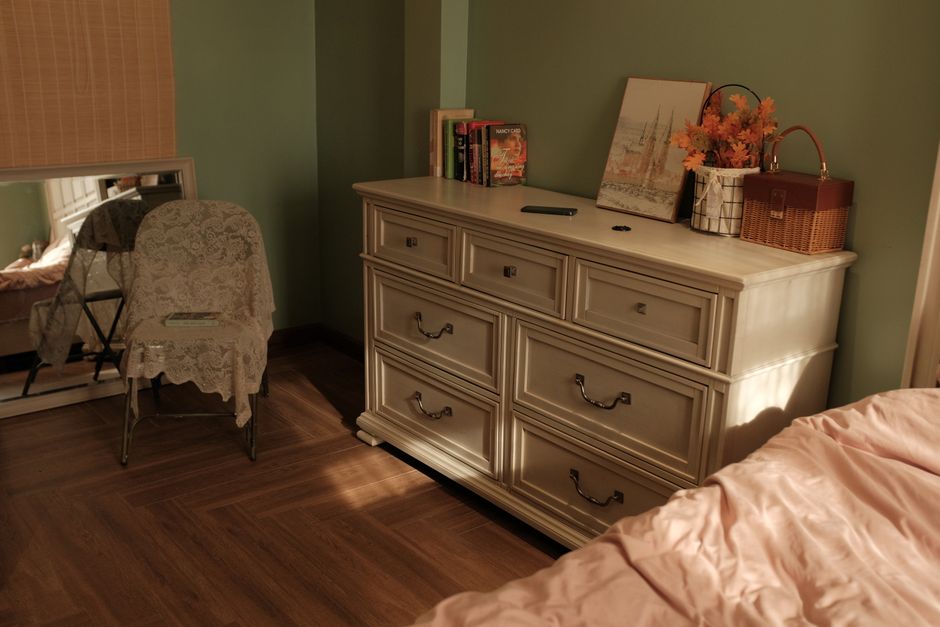
After cleaning, applying the right lubricant restores smooth operation. The best choices depend on your drawer type and wood finish. Furniture wax, silicone spray, and graphite powder are popular options for wooden drawers. Metal slides benefit from lightweight machine oil or specialized drawer lubricants. Avoid heavy greases that attract dust and create buildup over time.
Lubrication Options Compared
- Furniture wax: Ideal for wood runners; adds shine and protection to the finish.
- Silicone spray: Works on metal and wood; dries clean without attracting dust.
- Graphite powder: Excellent for wooden tracks; doesn’t leave residue or stains.
- Machine oil: Best for metal slides; use sparingly to avoid oversaturation.
- Paraffin wax: Traditional choice; rubs on easily and provides lasting lubrication.
Apply lubricant sparingly to avoid buildup. For furniture wax, rub a small amount directly on wooden runners and tracks. With silicone spray, apply short bursts to metal slides and wipe excess with a cloth. Graphite powder works best applied with a small brush or cloth to wooden surfaces. Test any new product on an inconspicuous area first to ensure it doesn’t damage the finish.
Application Techniques for Maximum Effectiveness
Less is more when lubricating drawers. Apply a thin, even coat rather than heavy layers that accumulate dirt. Work the lubricant into tracks by sliding the drawer in and out several times. This distributes the product evenly and reveals any remaining sticky spots. Wipe away excess lubricant with a clean cloth to maintain a neat appearance.
Key Takeaway: Choose lubricants based on your drawer type and apply sparingly for best results and longevity.
How Do You Fix Misaligned Dresser Drawers?
Misalignment occurs when drawers sit unevenly in their frames or stick on one side. This common issue develops from regular use, impacts, or uneven floor surfaces. Check alignment by looking at the gap between the drawer front and dresser frame. The gap should be even on both sides. If one side is noticeably tighter, adjustment is needed.

Identifying Misalignment Problems
- Uneven gaps on left and right sides of the drawer front.
- Drawer sticking on one side but sliding freely on the other.
- Difficulty closing the drawer without forcing it.
- Visible tilting or angling of the drawer when partially open.
- Rubbing or scraping sounds from one corner during operation.
Modern drawers often have adjustable slides with screws that control side-to-side movement. Loosen the appropriate screws slightly and slide the drawer to center it properly. Tighten screws gradually while testing the fit. For wooden drawers without adjustable hardware, the issue may require shimming or planing the runners.
Adjustment Methods for Different Hardware Types
Metal ball-bearing slides have adjustment screws on the sides or front. Locate these screws and use an appropriate wrench or screwdriver to make small adjustments. Move the drawer in and out frequently while adjusting to ensure proper centering. Wooden runners may require wooden shims placed under specific areas to correct misalignment. This process requires patience and multiple test runs.
Key Takeaway: Proper alignment prevents binding and sticking while extending the life of your drawer hardware.
How Should You Maintain Dresser Drawers to Prevent Stickiness?
Regular maintenance keeps drawers operating smoothly and prevents future problems. Establish a monthly routine that takes just minutes but prevents major issues. Dust accumulation happens gradually, so consistent cleaning is more effective than occasional deep cleaning. Proper humidity control in your home also protects wooden furniture from expansion and contraction.
Monthly Maintenance Routine
- Vacuum drawer interiors with a brush attachment to remove dust.
- Wipe visible tracks with a dry microfiber cloth.
- Inspect drawer operation for signs of stickiness or resistance.
- Check for any debris or pet hair accumulation.
- Reapply furniture wax or lubricant if drawers slow noticeably.
Seasonal adjustments help compensate for humidity changes. In winter, when indoor air is dry, apply slightly more lubricant to prevent excessive friction. In summer, when humidity rises, focus on cleaning to prevent moisture-related swelling. Keep drawers organized and avoid overloading them, as excess weight increases friction and wear.
Environmental Control Measures
Maintaining consistent indoor humidity between 40-60% protects wooden furniture from swelling and shrinking. Use a humidifier during dry winter months and a dehumidifier during humid summers. Avoid placing dressers near heating vents, air conditioners, or windows where temperature and humidity fluctuate dramatically. These environmental factors significantly impact wood movement and drawer operation over time.
Key Takeaway: Consistent maintenance and humidity control prevent sticky drawers and extend furniture longevity.
What Are Practical Steps to Fix a Sticky Drawer Today?
Follow this actionable guide to restore your sticky dresser drawer. Most repairs take 30 minutes or less with common household items. You’ll need a vacuum, soft cloths, a small brush, and appropriate lubricant. Start immediately to enjoy smooth-operating drawers and prevent further damage from friction.
Complete Repair Checklist
- Remove the drawer completely by pulling it straight out or releasing side clips.
- Vacuum all interior tracks and the drawer’s underside thoroughly.
- Wipe tracks with a damp cloth and dry completely.
- Inspect for damage, warping, or broken components.
- Apply appropriate lubricant to wooden runners or metal slides.
- Slide the drawer in and out several times to distribute lubricant.
- Check alignment and make adjustments if gaps are uneven.
- Test operation and repeat lubrication if needed.
- Establish a monthly maintenance routine to prevent recurrence.
If your drawer still sticks after these steps, the issue may be more serious. Warped wood, damaged slides, or severe misalignment might require professional repair or component replacement. Document the problem with photos and consult a furniture repair specialist if basic fixes don’t work.
For related furniture care, check out our guides on how to protect a wood dining table from scratches and how to protect furniture from pet hair and stains. These comprehensive guides cover other essential furniture maintenance topics.
Key Takeaway: Most sticky drawers resolve with cleaning, lubrication, and alignment adjustment in under 30 minutes.
Frequently Asked Questions
Can I use WD-40 on dresser drawers?
WD-40 is not recommended for dresser drawers. While it lubricates temporarily, it attracts dust and leaves a greasy residue that accumulates over time. Furniture wax, silicone spray, and graphite powder are better choices designed specifically for furniture. These products clean more easily and don’t create sticky buildup that makes the problem worse.
How often should I lubricate my dresser drawers?
Lubricate dresser drawers every 3-6 months during regular maintenance, or sooner if you notice resistance. Frequency depends on usage, dust levels, and humidity in your home. Drawers in dusty environments may need more frequent attention. Monthly cleaning combined with quarterly lubrication keeps most drawers operating smoothly without excessive product buildup.
What if my wooden dresser drawer is warped?
Warped wood is difficult to fix at home and usually requires professional repair. A furniture specialist can plane wooden runners or replace damaged components. Prevent warping by maintaining consistent humidity and avoiding direct sunlight and heat sources. If warping is minor, shimming under specific areas sometimes improves operation temporarily.
Should I remove items from the drawer before fixing it?
Yes, always empty the drawer completely before attempting repairs. Remove contents to reduce weight and allow full access to tracks and runners. An empty drawer is also lighter and easier to remove from the dresser. This gives you better visibility to inspect for damage and apply lubricant properly to all surfaces.
Can humidity cause permanent drawer damage?
Extreme humidity fluctuations can cause permanent wood damage including warping and cracking. Consistent moisture levels between 40-60% prevent most humidity-related issues. Prolonged exposure to very high humidity may cause mold or rot requiring professional restoration. Maintaining proper humidity protects your dresser and prevents costly repairs.
What’s the difference between drawer slides and wooden runners?
Wooden runners are the original style found on vintage and traditional dressers. They’re grooves or strips of wood that guide the drawer. Modern drawers use metal ball-bearing slides for smoother operation. Wooden runners require more frequent lubrication and maintenance. Metal slides last longer but may eventually wear out and need replacement.
How Can You Keep Your Dresser Drawers Operating Smoothly Long-Term?
Fixing a sticky dresser drawer is straightforward when you understand the causes and solutions. Most issues stem from dust buildup, humidity changes, or minor misalignment—all easily preventable with regular maintenance. Cleaning monthly, lubricating quarterly, and controlling humidity protects your investment and ensures smooth operation for years.
Establish a simple maintenance routine that takes just minutes each month. Vacuum drawer interiors, wipe tracks, and inspect for signs of stickiness or resistance. Apply appropriate lubricant seasonally and monitor humidity levels in your home. These consistent habits prevent sticky drawers from developing and catch problems early before they become serious.
If basic cleaning and lubrication don’t resolve the issue, professional furniture repair may be necessary. Warped wood, broken hardware, or severe misalignment require specialized expertise. Document the problem and consult a furniture specialist for complex repairs. With proper care, quality dressers serve beautifully for decades without sticky drawer problems.
For comprehensive furniture care guidance, explore our related articles on how to refinish a wooden coffee table and how to maintain sintered stone tabletops. These resources cover essential techniques for protecting and maintaining all types of home furniture.






Write Your Review
No reviews yet. Be the first to share your experience!