

How to Clean a Fabric Office Chair: Quick Answer
A fabric office chair requires regular cleaning to maintain appearance and hygiene. Start by vacuuming loose debris with an upholstery attachment, then treat stains with a mild soap solution or enzyme cleaner. For deep cleaning, use a fabric steam cleaner or hire professionals. Spot-clean spills immediately to prevent permanent staining. Most fabric chairs can be refreshed in 30 minutes with basic supplies like a vacuum, soft brush, and cleaning solution. Regular maintenance prevents dirt buildup and extends your chair’s lifespan significantly.
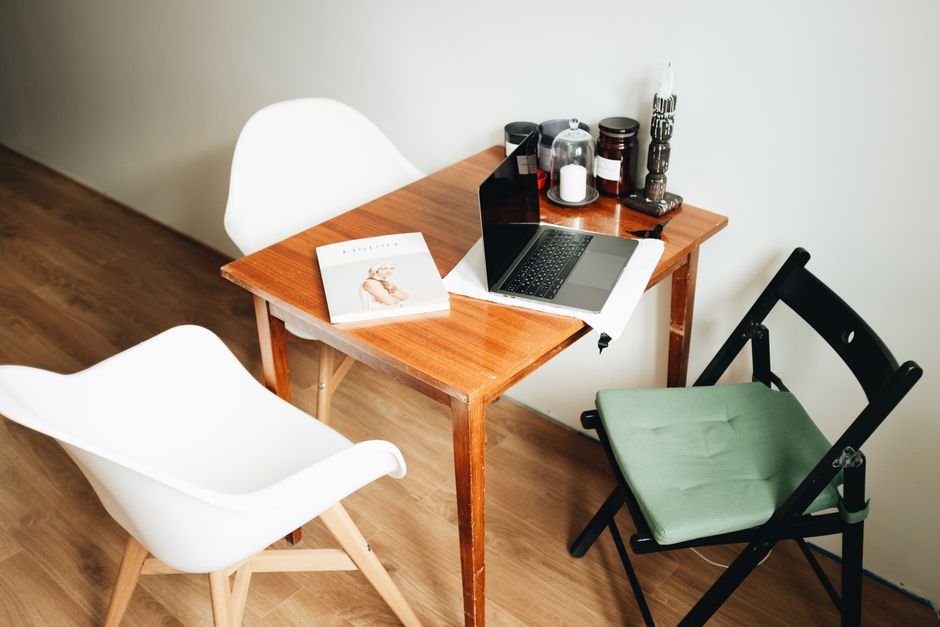
Office chairs endure daily wear from sitting, spills, and dust accumulation. Unlike outdoor furniture that requires weather protection, fabric office chairs face indoor pollutants, body oils, and food residue. Understanding your chair’s fabric type and cleaning requirements ensures you won’t damage the material. This guide covers safe methods for all common fabric office chair materials, from microfiber to mesh upholstery. You’ll learn preventative measures that keep your chair looking professional year-round.
What Materials Do Fabric Office Chairs Use?
Fabric office chairs come in several material types, each requiring slightly different care. Microfiber is durable and stain-resistant, making it popular for busy offices. Mesh fabric breathes well and resists dust accumulation compared to tightly woven materials. Polyester blends offer affordability and easy maintenance. Cotton and wool blends provide comfort but need gentler cleaning approaches. Understanding your chair’s specific fabric prevents accidental damage during cleaning.
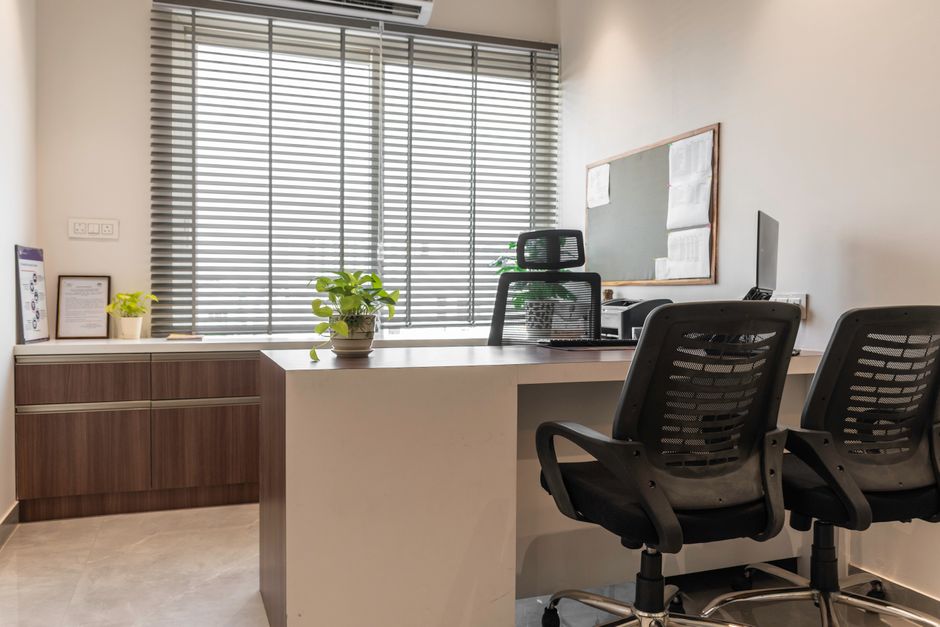
Check your chair’s care tag for manufacturer recommendations before cleaning.
- Microfiber: Water-resistant, stain-resistant, easy to clean with mild soap solutions.
- Mesh: Breathable, resists dust, cleans easily with vacuuming and light brushing.
- Polyester: Durable, affordable, handles most standard cleaning methods well.
- Cotton/Wool blends: Soft but delicate, requires gentler cleaning and lower heat.
- Leather-look fabric: Synthetic coating, wipes clean easily, avoid harsh chemicals.
Identifying Your Chair’s Fabric Type
Most fabric office chairs have a care label sewn into the underside or back of the chair. This label contains cleaning codes that guide your approach. Code W means water-based cleaners only. Code S indicates solvent-based cleaners. Code WS allows both water and solvent cleaners. Code X means vacuum and brush only—no liquids. Following these codes prevents color fading and material damage.
Key Takeaway: Identifying your chair’s fabric type and care code ensures you use safe cleaning methods.
How Do You Prepare Your Fabric Office Chair for Cleaning?
Preparation prevents damage and makes cleaning more effective. First, remove loose items from the chair like cushions or removable seat covers if applicable. Vacuum the entire chair thoroughly using an upholstery attachment. This removes dust, crumbs, and pet hair that could spread during wet cleaning. Work from top to bottom, covering the backrest, seat, and armrests completely. Vacuuming prevents dirt from turning into mud when mixed with cleaning solutions.

Next, assess visible stains and determine their type.
- Fresh spills: Blot immediately with a clean, dry cloth to absorb liquid.
- Grease stains: Sprinkle baking soda and let sit 15 minutes before vacuuming.
- Ink marks: Test rubbing alcohol on a hidden area first, then dab gently.
- Food residue: Let dry completely, then brush gently before vacuuming.
- Coffee or tea: Blot with cold water, then treat with mild soap solution.
Gathering Your Cleaning Supplies
You need basic supplies before starting. A handheld vacuum with upholstery attachment removes dust effectively. Soft-bristled brushes help loosen embedded dirt without damaging fabric. Mild dish soap mixed with water creates a safe cleaning solution for most fabrics. White vinegar cuts odors naturally. Enzyme-based stain removers tackle protein-based stains like blood or sweat. Microfiber cloths prevent streaking and absorb moisture efficiently. Baking soda neutralizes odors when sprinkled and left overnight.
Gather supplies before starting to work efficiently.
Key Takeaway: Proper preparation and the right supplies make fabric office chair cleaning faster and safer.
What Are the Best Methods for Removing Stains?
Different stains require different approaches to prevent setting them permanently. Fresh stains respond best to immediate action. Blot liquids with a clean, dry cloth—never rub, which pushes stains deeper into fibers. For set-in stains, test any cleaner on a hidden area first. Apply cleaning solution from the outside edges toward the center to prevent spreading. Work in small sections, using a spray bottle for even distribution. Allow solutions to sit briefly before blotting with clean cloths.
Enzyme cleaners work exceptionally well on organic stains.
- Protein stains (blood, sweat, food): Use enzyme-based cleaners that break down proteins naturally.
- Grease stains: Apply baking soda first, then use degreasing soap solution.
- Coffee/tea stains: Mix one part white vinegar with three parts water, then blot.
- Ink stains: Test rubbing alcohol on hidden fabric, dab gently without rubbing.
- Wine or juice: Blot immediately, then use hydrogen peroxide on light fabrics carefully.
Using Homemade Cleaning Solutions
Homemade solutions clean effectively without harsh chemicals. Mix one teaspoon mild dish soap with one cup warm water for general cleaning. This solution works on microfiber, polyester, and most fabric blends. For odors, sprinkle baking soda liberally, let sit overnight, then vacuum thoroughly. White vinegar mixed with water (one part vinegar to three parts water) removes stubborn stains and neutralizes odors naturally. These solutions cost pennies compared to commercial cleaners and work safely on most fabrics.
Test homemade solutions on hidden fabric areas before full application.
Commercial Stain Removers and Steam Cleaning
Commercial fabric cleaners offer convenience for stubborn stains. Enzyme-based products like those from Resolve or Folex break down organic stains effectively. Follow product instructions carefully, as some require dilution. Steam cleaners provide deep cleaning for heavily soiled chairs. Rent a fabric steam cleaner from hardware stores for thorough results. Steam penetrates fibers, lifting embedded dirt and killing bacteria. Allow chairs to dry completely after steam cleaning, which takes 4-8 hours depending on humidity.
Key Takeaway: Matching stain type to the right cleaning method prevents permanent damage and ensures better results.
How Do You Deep Clean a Fabric Office Chair?
Deep cleaning removes accumulated dirt that regular vacuuming misses. Start with thorough vacuuming using an upholstery brush attachment. Work systematically across all surfaces, including seams and crevices where dust collects. For the next step, mix a cleaning solution appropriate for your fabric type. Spray the solution lightly onto a microfiber cloth rather than directly onto the chair. This prevents over-saturating the fabric. Work in overlapping sections, allowing the solution to sit for 5-10 minutes before blotting with a clean, damp cloth.

Deep cleaning works best when done quarterly or when chairs show visible soiling.
- Vacuum thoroughly with upholstery attachments, including seams and crevices.
- Mix appropriate cleaning solution based on fabric care code.
- Apply solution to cloth, not directly to chair, to prevent over-wetting.
- Let solution sit 5-10 minutes to break down dirt and stains.
- Blot with clean, damp cloth using pressing motions, not rubbing.
- Rinse with plain water on a cloth to remove soap residue.
- Allow complete air drying before using the chair again.
Using Professional Cleaning Services
Professional upholstery cleaners offer deep cleaning that home methods cannot match. They use industrial-grade equipment and specialized solutions for different fabric types. Professional cleaning typically costs $50-150 per chair depending on soiling level and location. For office environments with multiple chairs, professional service provides consistency and thoroughness. Many professionals offer fabric protection treatments that repel future stains and spills. Consider professional cleaning annually for high-use office chairs or when home cleaning yields limited results.
Professional cleaners often guarantee their work, making them worth the investment for valuable furniture.
Drying Your Chair Properly
Proper drying prevents mildew and mold growth in damp fabric. Open windows or use fans to increase air circulation around the chair. Avoid direct sunlight, which can fade fabric colors over time. Never use high heat from hair dryers or heat guns, which damages fabric and can melt synthetic materials. Allow at least 4-8 hours of air drying time depending on humidity levels. Check that the chair is completely dry before sitting on it to prevent moisture from transferring to clothing.
Key Takeaway: Deep cleaning combined with proper drying maintains your fabric office chair’s appearance and longevity.
What Preventative Measures Keep Your Office Chair Clean?
Prevention reduces cleaning frequency and maintains your chair’s condition longer. Vacuum your fabric office chair weekly using an upholstery attachment. This removes dust and prevents buildup that hardens into stubborn dirt. Rotate cushions monthly if removable to distribute wear evenly. Keep food and drinks away from your chair to prevent spills. Use armrest covers or a chair throw blanket to protect high-contact areas. These simple habits extend your chair’s lifespan and keep it looking professional.
Preventative maintenance saves time and money compared to emergency cleaning.
- Vacuum weekly with upholstery attachment to remove dust and debris.
- Treat fresh spills immediately to prevent staining and odor absorption.
- Use fabric protector spray quarterly for stain resistance on applicable fabrics.
- Rotate cushions monthly to distribute wear and prevent permanent indentations.
- Keep food and drinks at a distance to minimize spill risks.
- Use armrest covers or throws to protect high-contact areas from soiling.
- Maintain proper humidity (40-50%) to prevent mold and mildew growth.
Applying Fabric Protection
Fabric protector sprays create an invisible barrier against stains and moisture. Products like Scotchgard form a protective coating that repels liquids and prevents staining. Apply protector after deep cleaning when fabric is completely dry. Follow product instructions for application rates and drying time. Reapply protector annually or after professional cleaning. Protected fabric allows spills to bead up, giving you time to blot before staining occurs. This investment typically costs $15-30 per chair and significantly extends cleaning intervals.
Fabric protection is especially valuable for light-colored office chairs prone to visible staining.
Odor Control Strategies
Office chairs absorb body odors, sweat, and environmental smells over time. Sprinkle baking soda liberally over the entire chair weekly, let sit overnight, then vacuum thoroughly. Baking soda neutralizes odors naturally without chemicals. Crumple newspaper and place inside chair crevices overnight to absorb odors. Activated charcoal works similarly and can be placed in small cloth bags near the chair. Ensure proper office ventilation to prevent odor buildup. Open windows daily and use air purifiers to maintain fresh indoor air quality.
Key Takeaway: Consistent preventative maintenance reduces cleaning frequency and keeps your office chair fresh longer.
How Do You Handle Special Fabric Types and Stains?
Certain fabrics and stains require specialized approaches. Mesh fabric office chairs need careful vacuuming to avoid pulling threads. Use a soft brush attachment and work gently across the surface. For mesh, spot cleaning with mild soap solution works well, but avoid excessive moisture that takes longer to dry. Microfiber chairs resist staining naturally but can develop water marks if over-cleaned. Use minimal water and dry quickly with microfiber cloths to prevent marks. Leather-look synthetic fabrics wipe clean easily with a damp cloth but should never be steam cleaned.
Always test cleaning methods on hidden areas first, regardless of fabric type.
- Mesh fabric: Use soft brush attachment, gentle vacuuming, minimal liquid cleaning.
- Microfiber: Resist over-wetting, use minimal water, dry quickly with cloths to prevent water marks.
- Leather-look synthetic: Wipe with damp cloth, avoid steam cleaning, use leather conditioner occasionally.
- Cotton blends: Use gentle methods, avoid harsh chemicals, test solutions on hidden areas.
- Velvet or plush fabrics: Vacuum gently with soft brush, avoid rubbing, use professional cleaning.
Addressing Stubborn Stains
Stubborn stains require patience and multiple treatments. For set-in stains older than 48 hours, enzyme cleaners work best by breaking down stain molecules. Apply enzyme product, let sit the recommended time (usually 10-30 minutes), then blot repeatedly. For oily stains, apply baking soda first to absorb oil, let sit 24 hours, then treat with degreasing soap. Never use hot water on protein stains like blood or sweat, which sets them permanently. Cold water and enzyme cleaners lift these stains effectively. If home methods fail after three attempts, professional cleaning prevents permanent damage.
Professional cleaners often succeed with stains that resist home treatment.
Key Takeaway: Matching treatment methods to specific fabrics and stain types prevents damage and improves results.
Frequently Asked Questions
Can you wash a fabric office chair cover?
Yes, if your office chair has a removable cover, check the care tag first. Most covers can be hand-washed in cold water with mild soap, then air-dried completely. Machine washing on gentle cycle works for some covers, but avoid hot water and dryers. Never dry clean fabric office chair covers unless the label specifically allows it. Allow 24 hours for complete drying before reattaching to prevent mildew growth in damp fabric.
How often should you clean a fabric office chair?
Vacuum your fabric office chair weekly to prevent dust buildup and maintain appearance. Spot-clean spills immediately when they occur. Deep clean quarterly or when visible soiling appears. High-traffic office environments may need deep cleaning every 6-8 weeks. Professional cleaning annually keeps heavily-used chairs in optimal condition. Regular maintenance prevents the need for emergency deep cleaning and extends your chair’s lifespan significantly.
Is baking soda safe for all fabric office chairs?
Baking soda is safe for most fabric types and works excellently for odor removal. Sprinkle it liberally, let sit overnight, then vacuum thoroughly. Avoid using baking soda on delicate fabrics like velvet without testing first. For dark fabrics, ensure baking soda is completely removed by vacuuming thoroughly, as residue can appear white or chalky. Baking soda is non-toxic and chemical-free, making it ideal for offices with sensitive individuals.
What should you avoid when cleaning fabric office chairs?
Never use bleach or harsh chemicals that damage fabric and cause discoloration. Avoid rubbing stains, which pushes them deeper into fibers. Don’t oversaturate fabric with water, which causes mildew and extends drying time. Never use heat on synthetic fabrics, which can melt or shrink material. Avoid dry cleaning solvents unless your care tag specifically allows them. Don’t ignore spills, as fresh stains are much easier to remove than set-in ones.
Can you use a carpet cleaner on a fabric office chair?
Carpet cleaners designed for upholstery work on fabric office chairs, but use carefully. Test the machine on a hidden area first to ensure it doesn’t over-wet or damage your specific fabric. Use the upholstery attachment rather than the main brush head to avoid damaging delicate fabrics. Avoid excessive moisture that takes hours to dry. Rental upholstery cleaners from hardware stores provide better control than full-size carpet machines for office chair cleaning.
How do you remove pet hair from a fabric office chair?
A lint roller removes surface pet hair quickly and effectively. For embedded hair, use a rubber broom or specialized pet hair removal tool that grabs fibers. A damp rubber glove rubbed across fabric collects pet hair efficiently. Vacuum with a pet hair attachment for deeper cleaning. For stubborn hair, use a soft brush to loosen fibers before vacuuming. Regular weekly vacuuming prevents excessive pet hair accumulation on office furniture.
How Can You Maintain Your Fabric Office Chair Long-Term?
Long-term maintenance preserves your office chair’s appearance and functionality. Establish a weekly vacuuming routine using an upholstery attachment. Address spills immediately to prevent permanent staining. Rotate cushions monthly if removable to distribute wear evenly. Apply fabric protector annually to maintain stain resistance. Deep clean quarterly or as needed based on visible soiling. Professional cleaning annually keeps heavily-used chairs in excellent condition. These consistent habits extend your chair’s lifespan from 3-5 years to 7-10 years, providing excellent return on investment.
Consider your office environment when determining cleaning frequency. High-traffic areas, multiple users, or food consumption nearby require more frequent cleaning. Light-colored fabrics show soiling faster than darker colors, so they may need cleaning more often. Proper maintenance keeps your workspace looking professional while protecting your investment in quality office furniture.
For related furniture care, check our guides on how to clean office chair wheels in 2026 and how to clean and maintain wooden bar stools in 2026 for comprehensive office seating maintenance.
Key Takeaway: Consistent long-term maintenance maximizes your fabric office chair’s lifespan and keeps it looking professional year-round.










Write Your Review
No reviews yet. Be the first to share your experience!