

How Do You Choose the Right Rug Size for Your Living Room?
Selecting the correct rug size for your living room is essential for creating a cohesive, well-proportioned space that balances aesthetics and functionality. The right rug anchors your furniture arrangement, defines the seating area, and ties together your décor elements. Most design experts recommend that your rug should be large enough to accommodate the front legs of your major furniture pieces—ideally 8×10 feet for standard living rooms or 9×12 feet for larger spaces. The key takeaway: measure your room dimensions first, then select a rug that covers at least 50-75% of your floor space while leaving 12-18 inches of exposed flooring around the perimeter. This creates visual balance and prevents the room from feeling cramped or disconnected.
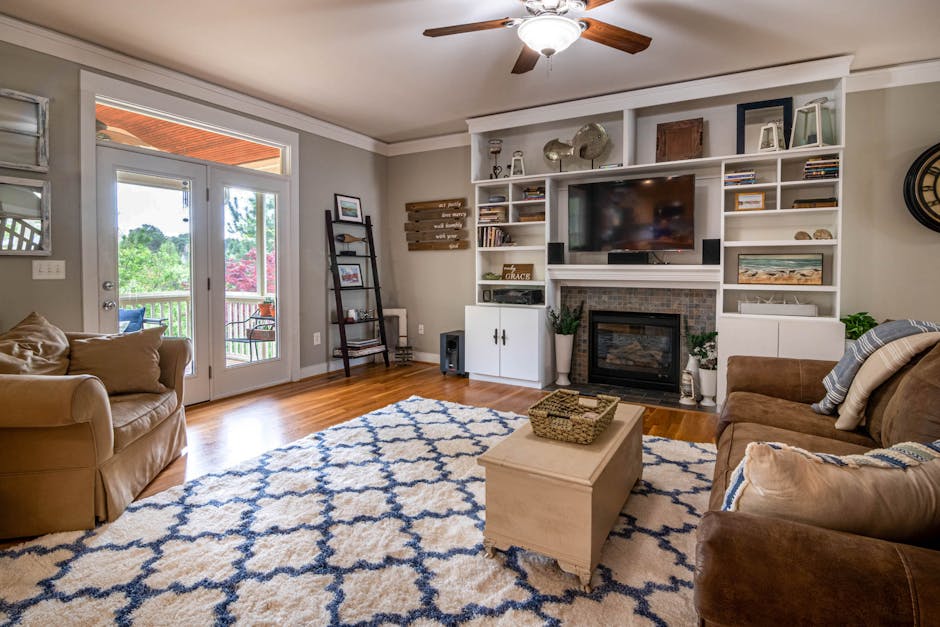
Beyond measurements, rug size affects traffic flow, furniture arrangement, and the overall perception of your room’s scale. A rug that’s too small makes your space feel disjointed and can make furniture appear to float without anchoring. Conversely, an oversized rug can overwhelm the room and limit movement. In 2026, interior designers emphasize that rug selection should complement your home’s sustainability goals as well—consider eco-friendly materials and durable construction that will last for years. This investment piece deserves careful consideration to ensure it enhances both your living space and your home’s environmental footprint.
What Are the Standard Rug Sizes Available for Living Rooms?
Living room rugs come in several standard dimensions, each suited to different room sizes and furniture configurations. Understanding these options helps you make an informed decision that works with your specific space.
Common Living Room Rug Dimensions
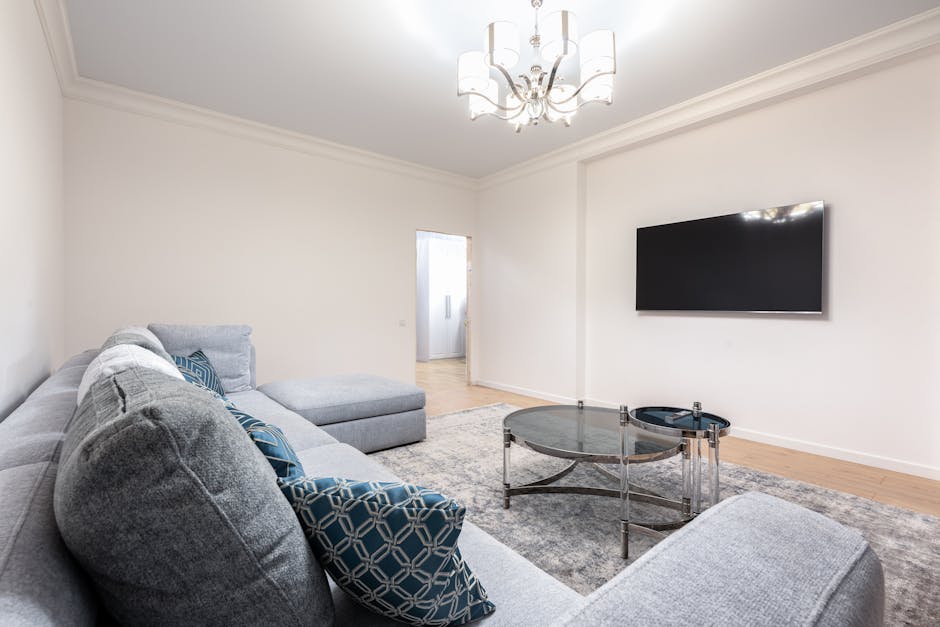
The most popular living room rug sizes are 5×8 feet, 6×9 feet, 8×10 feet, and 9×12 feet. A 5×8 rug works best in smaller living rooms or as an accent piece in larger spaces, providing just enough coverage to define a seating area without overwhelming the room. The 6×9 size offers a middle-ground option for medium-sized rooms and works well with standard furniture arrangements. The 8×10 rug is the industry standard for most living rooms, accommodating typical seating configurations and providing substantial floor coverage. For larger living rooms or open-concept spaces, a 9×12 rug creates a grand, luxurious feel while maintaining proper proportions.
Beyond these standard sizes, custom rugs are increasingly available in 2026, allowing homeowners to specify exact dimensions. Rectangular rugs dominate living room design, but round and oval options are gaining popularity for creating intimate conversation areas or adding visual interest to angular rooms. When selecting a size, consider your room’s layout, ceiling height, and existing furniture before committing to a purchase.
Specialty Sizes for Unique Spaces
Runner rugs (2.5×8 feet or 3×10 feet) work well for narrow living room entries or to define pathways. Large format rugs exceeding 10×14 feet suit expansive open-plan living areas and luxury homes. Some manufacturers now offer modular rug systems that allow you to combine smaller pieces into larger configurations, providing flexibility for evolving spaces. These specialty options cater to non-traditional room shapes and modern living arrangements that don’t fit conventional rug sizing.
How Do You Measure Your Living Room to Determine the Perfect Rug Size?
Accurate measurements are the foundation of rug selection. Start by measuring your entire living room length and width using a tape measure, noting any architectural features like fireplaces, bay windows, or built-in shelving that affect furniture placement. Next, map out where your sofa, chairs, coffee table, and entertainment center will sit. This furniture layout determines how much floor space your rug needs to cover.
Step-by-Step Measurement Guide
Step 1: Measure the room. Record the length and width of your living room in feet. Account for doorways, closets, and any architectural protrusions that affect usable floor space.
Step 2: Plan your furniture arrangement. Sketch your seating layout to scale. Identify where the sofa, armchairs, coffee table, and other pieces will sit relative to walls and the room’s center.
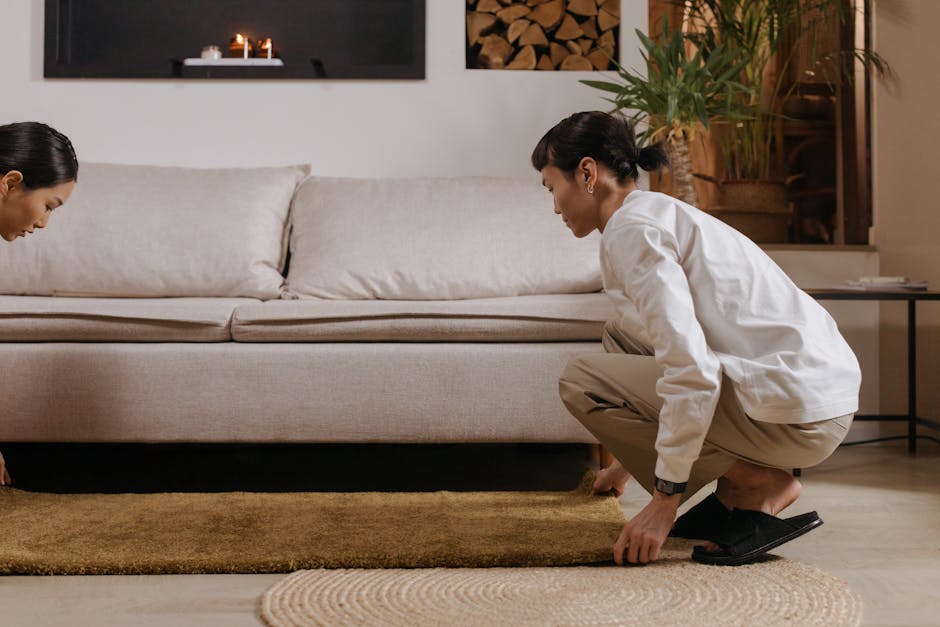
Step 3: Determine rug placement. The rug should anchor your seating area, with the front legs of major furniture pieces sitting on the rug. For a sofa-focused arrangement, the rug should extend at least 2-3 feet beyond the sofa’s sides.
Step 4: Account for perimeter space. Aim to leave 12-18 inches of exposed flooring around the rug’s edges. This creates visual breathing room and prevents the space from feeling cramped. In smaller rooms, 6-12 inches is acceptable.
Step 5: Consider traffic patterns. Identify high-traffic areas where people naturally walk. Your rug should define the seating zone while allowing clear pathways through the room.
Using Visual Aids for Measurement
Many homeowners in 2026 use smartphone apps or online rug calculators to visualize different sizes in their space. You can also use painter’s tape to outline potential rug dimensions on your floor, allowing you to walk around and assess the visual impact before purchasing. This low-cost testing method prevents expensive mistakes and ensures your final selection feels right in your actual space.
What Common Mistakes Should You Avoid When Selecting a Living Room Rug Size?
Understanding what not to do is as important as knowing what to do. Several sizing mistakes can compromise your living room’s design and functionality.
The Most Frequent Rug Size Errors
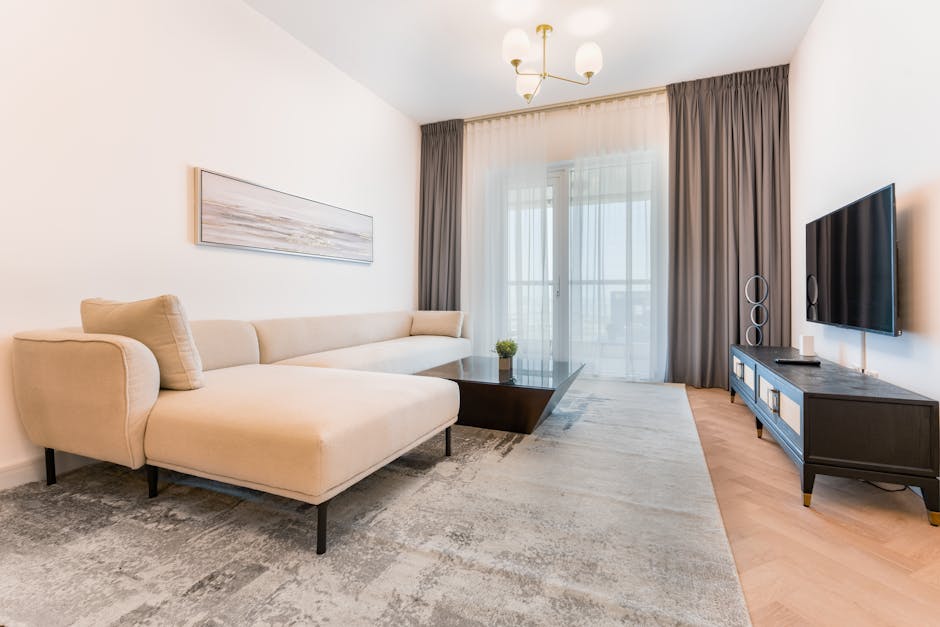
Choosing a rug that’s too small is the most common mistake. Undersized rugs make your furniture appear to float disconnected from the room, disrupting the visual flow and making the space feel disjointed. A rug that covers less than 50% of your floor space typically fails to anchor the seating area effectively.
Selecting a rug that’s too large can overwhelm smaller rooms and create awkward proportions. An oversized rug may extend beyond furniture boundaries, making the room feel cramped and limiting movement. It can also make ceilings appear lower and walls closer together.
Ignoring furniture leg placement is another critical error. Ideally, the front legs of your sofa and chairs should sit on the rug, while back legs may extend beyond it. If no furniture legs touch the rug, it’s probably too small. Conversely, if the rug extends significantly under all furniture, it may be too large.
Failing to account for traffic flow causes practical problems. Your rug should define the seating area without blocking natural pathways or creating tripping hazards. Leave clear routes to doorways, hallways, and other rooms.
Neglecting room proportions affects the overall aesthetic. In a room with high ceilings, a larger rug (9×12 feet) helps ground the space. In a room with lower ceilings, a medium rug (8×10 feet) maintains balance without overwhelming the vertical space.
How Do You Choose the Right Rug Size Based on Your Furniture Arrangement?
Different furniture configurations require different rug sizes. Your specific arrangement determines the ideal dimensions for your space.
Sofa-Centric Arrangements
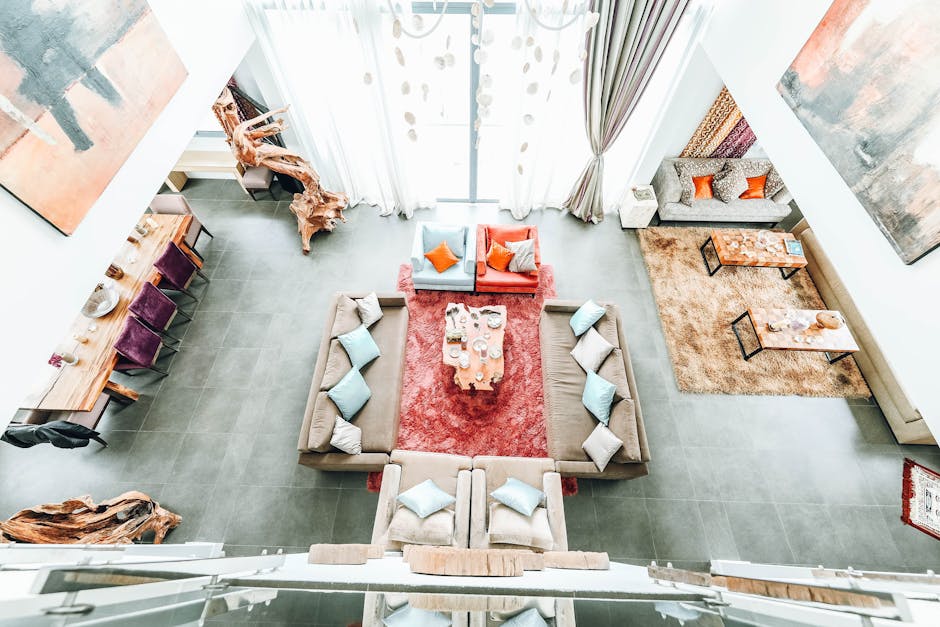
When your sofa is the focal point, the rug should extend 2-3 feet beyond the sofa’s sides and reach toward or under the coffee table. For a standard sofa (approximately 8 feet wide) with flanking armchairs, an 8×10 rug typically works well. The sofa’s front legs and the armchairs’ front legs should rest on the rug, creating a unified seating zone. This arrangement works for living rooms measuring 14×16 feet or larger.
Conversation-Focused Layouts
If your furniture forms a conversation circle (sofa facing two armchairs with a central coffee table), use a larger rug to encompass all pieces. A 9×12 rug provides ample coverage for this arrangement, allowing all furniture legs to sit on the rug and creating an intimate gathering space. This layout suits living rooms with 16×18 feet or greater dimensions.
Dual-Zone Arrangements
Open-concept living areas with distinct zones (seating area plus dining nook, for example) may benefit from two smaller rugs or one very large rug that encompasses both zones. A 10×14 feet rug or larger defines the entire living space, while two 6×9 feet rugs can separate distinct functional areas. Consider how zones relate to each other and whether you want visual continuity or clear separation.
Floating Furniture Layouts
Modern design often features furniture arranged away from walls, creating a floating effect. This approach requires a larger rug—typically 9×12 feet or custom sizes—that extends beneath and beyond all furniture pieces. This creates a cohesive, contemporary look while maintaining clear circulation paths around the room’s perimeter.
How Do You Balance Rug Size with Room Proportions and Ceiling Height?
Room proportions and ceiling height significantly influence which rug size feels appropriate and visually balanced. These architectural elements should guide your selection to ensure harmony in your space.
Ceiling Height Considerations
High ceilings (10 feet or taller) can accommodate larger rugs without creating visual heaviness. An 8×10 or 9×12 rug helps ground a tall room and makes the space feel more intimate and proportional. The larger rug draws the eye downward, balancing the vertical expanse of high ceilings.
Standard ceiling heights (8-9 feet) work well with medium-sized rugs like 8×10 feet. These proportions feel balanced and comfortable without overwhelming the vertical space. A 6×9 rug may feel too small in a standard-height room, making the space appear disconnected.
Lower ceilings (7.5 feet or less) benefit from medium to large rugs, but avoid oversized dimensions that might make the space feel cramped. An 8×10 rug usually works well, creating visual interest without emphasizing the low ceiling. Avoid dark, heavy rugs in these spaces—lighter colors and patterns create an airier feeling.
Room Shape and Proportions
Square rooms (equal length and width) accommodate square or nearly-square rugs well. A 8×8 feet or 9×9 feet rug works beautifully in a square living room, creating visual balance and symmetry. Rectangular rugs (8×10 or 9×12 feet) also work but should be oriented to complement the room’s longest dimension.
Rectangular rooms (noticeably longer than wide) benefit from rectangular rugs oriented along the room’s length. An 8×10 or 9×12 feet rug positioned to emphasize the room’s length creates visual continuity and guides the eye through the space. Avoid square rugs in rectangular rooms—they can make the space feel awkward and unbalanced.
L-shaped or irregular living rooms present unique challenges. Consider using a larger rug that encompasses the primary seating area, or use two complementary rugs to define separate zones. Measure carefully and visualize the layout before purchasing, as unconventional spaces require thoughtful planning.
What Are the Best Practices for Rug Placement and Layering in 2026?
Beyond size, how you place and layer your rug affects the overall design impact and functionality of your living room. Modern design trends in 2026 emphasize intentional layering and strategic placement.
Rug Placement Principles
Center your rug in the seating area, ensuring it’s visually balanced within the room. In rectangular rooms, position the rug to emphasize the room’s longest dimension. Avoid pushing the rug to one corner or against a single wall—this creates an unbalanced, incomplete appearance.
The rug should sit at least 12-18 inches from walls on all sides, creating a visual frame that makes the room feel larger and more intentional. In smaller rooms, 6-12 inches is acceptable. This spacing allows flooring or hardwood to show around the perimeter, adding visual interest and preventing the space from feeling wall-to-wall carpeted.
Ensure the rug lies flat and doesn’t bunch or wrinkle. Use non-slip rug pads underneath to prevent shifting and protect both the rug and your flooring. Quality rug pads are essential for safety and longevity, particularly in high-traffic areas.
Layering Rugs for Visual Interest
Layering multiple rugs is a trendy design technique gaining popularity in 2026. Place a smaller, patterned rug atop a larger neutral rug to create visual interest and define specific zones. For example, layer a 5×8 feet patterned rug over an 8×10 feet natural fiber rug to add texture and color while maintaining the larger rug’s anchoring function.
Layering works particularly well in open-concept spaces where you want to visually separate zones without physical barriers. It also allows you to experiment with patterns and colors without committing to a single large rug. Ensure the top rug is secured with a non-slip pad to prevent tripping hazards and maintain the intentional design.
How Should You Consider Rug Materials and Durability When Selecting Size?
Rug size and material selection are interconnected decisions that affect longevity, maintenance, and environmental impact. In 2026, sustainable and durable materials are increasingly important considerations.
Natural fiber rugs (wool, jute, sisal) are durable, sustainable choices that work well in large sizes for living rooms. Wool rugs resist staining, wear well under heavy foot traffic, and improve with age. They’re an excellent investment for an 8×10 or 9×12 feet rug that will anchor your space for years. Jute and sisal rugs add texture and eco-friendly appeal, though they’re less stain-resistant and better suited for lower-traffic areas or homes without young children or pets.
Synthetic rugs (polypropylene, nylon) offer affordability and easy maintenance, making them practical for larger sizes in busy households. However, they’re less durable than natural fibers and may show wear more quickly in high-traffic areas. Consider a synthetic rug if you want to experiment with size and design before investing in a premium natural fiber option.
Larger rugs require more durable materials because they experience more foot traffic and are harder to clean than smaller pieces. Invest in quality construction and natural fibers for 8×10 feet and larger rugs that will be central to your living room for many years. If budget is a concern, a smaller, high-quality rug may be a better long-term investment than a large, lower-quality alternative. For more information on sustainable home materials, consider exploring FSC Certified Wood vs Reclaimed Wood Sustainability in 2026, which discusses durable, eco-friendly choices for your home.
What Are the Best Rug Sizes for Different Living Room Styles and Aesthetics?
Design style influences rug size selection. Different aesthetics have optimal proportions that enhance their visual impact and create cohesion.
Modern and Contemporary Styles
Modern design favors clean lines, geometric shapes, and intentional white space. An 8×10 feet or 9×12 feet rug with minimal pattern or solid color complements contemporary aesthetics. Larger rugs create the floating furniture effect popular in modern design, where pieces sit atop the rug away from walls. Neutral colors (gray, beige, charcoal) or bold geometric patterns work well in contemporary spaces.
Traditional and Transitional Styles
Traditional design appreciates classic proportions and rich patterns. An 8×10 feet rug with ornate patterns, Persian-inspired designs, or classic motifs suits traditional living rooms. These rugs often feature deep colors (burgundy, navy, forest green) that anchor the space and complement traditional furniture. Transitional style blends traditional and modern elements, working well with medium to large rugs in neutral or warm tones.
Bohemian and Eclectic Styles
Bohemian design embraces layering, pattern mixing, and global influences. Larger rugs (8×10 or 9×12 feet) provide a base for layering smaller, patterned pieces. Eclectic spaces benefit from bold colors, varied patterns, and natural fibers. Multiple smaller rugs or one large rug with a vibrant pattern creates the curated, collected aesthetic bohemian design celebrates.
Minimalist and Scandinavian Styles
Minimalist design values simplicity and functionality. A 6×9 or 8×10 feet rug in a neutral color (white, gray, natural) complements minimalist spaces without visual clutter. Scandinavian style embraces similar principles but adds warmth through natural materials and subtle patterns. A 8×10 feet wool rug in cream or light gray creates the cozy, functional aesthetic Scandinavian design prioritizes.
How Do You Make a Final Decision on Rug Size for Your Living Room?
After considering measurements, furniture arrangement, room proportions, and design style, you’re ready to make a final decision. This process requires balancing multiple factors and trusting your instincts about what feels right for your space.
Decision-Making Framework
Start with your room dimensions and furniture layout. These are objective factors that constrain your options. If your living room measures 14×16 feet with a standard sofa and two armchairs, an 8×10 feet rug is likely your best choice. If your room is 16×18 feet or larger, consider a 9×12 feet rug.
Consider your lifestyle and maintenance capacity. Large rugs in high-traffic homes require durable materials and regular cleaning. If you have young children, pets, or a busy household, choose durable synthetic or wool rugs in darker colors that hide wear and staining. If your living room is a quieter space with less traffic, you have more flexibility with materials and colors.
Evaluate your budget. Larger rugs cost more, but they’re a long-term investment. A high-quality 8×10 feet wool rug may cost $1,500-3,000, but it will last 10-15 years or longer. A lower-quality large synthetic rug might cost $500-1,000 but require replacement in 5-7 years. Consider cost-per-year to make an informed investment decision.
Test the visual impact. Use painter’s tape to outline your chosen rug size on your floor. Live with this outline for a few days, walking through the space and assessing how it feels. Does it anchor the furniture? Does it feel proportional to the room? Does it affect traffic flow? Your gut reaction matters and should guide your final decision.
Trust design principles but prioritize your comfort. While design guidelines recommend leaving 12-18 inches around the perimeter, if your space feels better with a slightly different proportion, trust that instinct. Design rules are guidelines, not rigid laws. Your living room should feel comfortable and intentional to you and your family.
Frequently Asked Questions
What size rug should I choose for a small living room?
For a small living room (under 200 square feet), a 5×8 feet or 6×9 feet rug typically works best. These sizes provide enough coverage to anchor furniture without overwhelming the space. Ensure at least 6-12 inches of exposed flooring around the perimeter to maintain visual balance and prevent the room from feeling cramped or wall-to-wall carpeted.
Is an 8×10 rug appropriate for all living rooms?
An 8×10 feet rug is the industry standard and works well in most living rooms measuring 14-16 feet in length. However, very small rooms (under 200 square feet) may feel cramped with an 8×10 rug, while very large rooms (over 300 square feet) might benefit from a 9×12 feet rug. Always measure your space and furniture before committing to this size.
Can I use a round rug in my living room?
Yes, round rugs work well in living rooms, particularly for creating intimate conversation areas or adding visual interest to angular spaces. A 6-8 feet diameter round rug suits most living rooms. Round rugs work best when furniture is arranged in a circular pattern around a central coffee table, creating a cohesive conversation area.
Should I leave space between my rug and the walls?
Yes, leaving 12-18 inches of exposed flooring between your rug and the walls is ideal. This creates visual breathing room, makes the room feel larger, and prevents the space from appearing wall-to-wall carpeted. In smaller rooms, 6-12 inches is acceptable if space is limited.
What rug size works best for open-concept living spaces?
Open-concept living spaces benefit from larger rugs (9×12 feet or custom sizes) that define the seating area within the larger space. Alternatively, use two complementary rugs to visually separate the living area from adjacent spaces like dining or kitchen zones. Larger rugs create visual continuity and define functional zones without physical barriers.
How do I prevent my rug from shifting or bunching?
Use a quality non-slip rug pad underneath your rug to prevent shifting and protect both the rug and your flooring. Non-slip pads are essential for safety, particularly in high-traffic areas and homes with children or elderly residents. Choose pads made from natural rubber or felt, avoiding PVC-based products that can damage hardwood floors.
Is Choosing the Right Rug Size Worth the Careful Consideration?
Absolutely. Selecting the right rug size is one of the most impactful design decisions you’ll make for your living room. A properly sized rug anchors your furniture, defines your seating area, ties together your décor, and affects how your entire space feels and functions. The right rug creates visual balance, enhances traffic flow, and contributes to the overall aesthetic you’re trying to achieve.
Taking time to measure accurately, consider your furniture arrangement, and evaluate your room’s proportions prevents costly mistakes and ensures your investment serves you well for years to come. In 2026, when sustainable and durable home furnishings are increasingly important, choosing a rug size that works perfectly for your space means you’ll keep and enjoy it longer, reducing waste and environmental impact.
The process of selecting a rug size requires balancing objective measurements with subjective aesthetic preferences, practical considerations like maintenance and durability, and your personal comfort in the space. Trust design principles as guidelines, but ultimately, your living room should reflect your lifestyle and bring you joy. A properly sized rug accomplishes this while creating a cohesive, well-designed space that feels intentional and welcoming. Whether you choose a standard 8×10 feet rug or customize dimensions for your unique space, the careful consideration you invest upfront ensures years of satisfaction and a living room that truly works for you.




Write Your Review
No reviews yet. Be the first to share your experience!