

Which Retailer Dominates Sustainable Furniture in 2026: Amazon or Wayfair?
Amazon and Wayfair are battling for sustainable furniture market dominance in 2026, with distinct strategies and customer bases. Amazon leverages its massive logistics network and price advantages, while Wayfair focuses on specialized curation and design expertise. Understanding their market positions helps consumers make informed purchasing decisions. Both retailers have significantly expanded their eco-friendly product lines. The sustainable furniture market reached unprecedented growth in 2026, driven by consumer demand for environmentally responsible home goods. This competition benefits shoppers through better selection, pricing, and transparency about product sustainability credentials.

The sustainable furniture sector represents one of the fastest-growing segments in home furnishings today. Consumers increasingly prioritize environmental impact alongside aesthetics and functionality. Market analysts project continued expansion as manufacturing standards improve and certifications become more standardized. Both retailers recognize this trend and have invested heavily in sustainable offerings. Their competitive strategies reveal important insights about where the furniture industry is heading.
What Is Amazon’s Sustainable Furniture Market Position in 2026?
Amazon has captured significant sustainable furniture market share through its vast selection and competitive pricing. The e-commerce giant offers thousands of eco-friendly furniture items across multiple categories and price points. Their advantage lies in fast shipping, easy returns, and integrated customer reviews. Amazon’s algorithm-driven recommendations help customers discover sustainable options efficiently. However, curation depth remains less specialized compared to dedicated furniture retailers.

Amazon’s sustainable furniture strategy emphasizes accessibility and affordability. The platform features items from both established sustainable brands and emerging manufacturers. Their Climate Pledge Friendly program highlights products meeting environmental standards. This badge system helps consumers identify genuinely sustainable choices quickly. Amazon’s logistics infrastructure enables rapid delivery of bulky furniture items, a significant competitive advantage.
Amazon’s Eco-Friendly Certifications and Product Range
Amazon prominently displays certifications including FSC-certified wood, GREENGUARD Gold, and Fair Trade credentials. The Climate Pledge Friendly program filters products by environmental impact categories. Their sustainable furniture collection spans bedroom, living room, office, and outdoor categories. Price ranges accommodate budget-conscious and premium buyers alike. Product descriptions include detailed sustainability information and material sourcing details.
- Climate Pledge Friendly badge identifies verified sustainable products.
- FSC-certified wood furniture reduces deforestation impact.
- GREENGUARD Gold certification indicates low chemical emissions.
- Fair Trade verified items support ethical manufacturing practices.
- Rapid delivery options unavailable through traditional furniture retailers.
Key Takeaway: Amazon’s sustainable furniture strength lies in selection breadth, pricing competitiveness, and logistics speed rather than specialized curation.
How Does Wayfair Approach the Sustainable Furniture Market in 2026?
Wayfair has positioned itself as a design-focused sustainable furniture destination. The retailer emphasizes expert curation and customer service over pure volume. Wayfair’s sustainability initiatives include dedicated eco-friendly collections and transparent sourcing information. Their platform features detailed product specifications and design inspiration content. This approach attracts design-conscious consumers willing to spend more for quality and expertise.
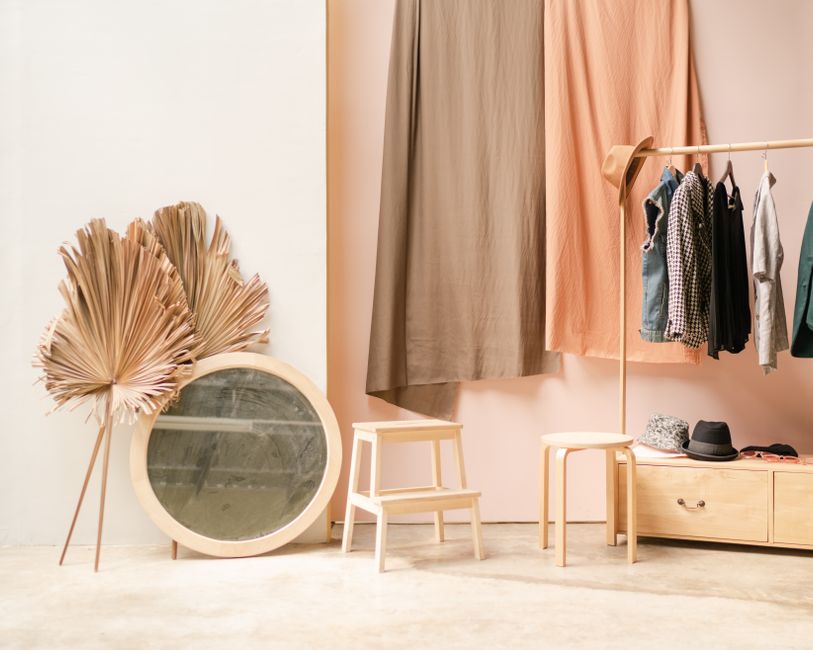
Wayfair’s sustainable furniture strategy centers on education and community building. The company publishes sustainability guides and designer collaborations featuring eco-friendly pieces. Their customer service team provides personalized recommendations for environmentally responsible furniture. Wayfair also offers interior design services that prioritize sustainable materials and practices. This premium positioning differentiates them from Amazon’s mass-market approach.
Wayfair’s Sustainability Initiatives and Brand Partnerships
Wayfair partners with established sustainable furniture brands including Article, Joybird, and West Elm. These collaborations provide curated collections meeting specific environmental standards. The platform features sustainability filters for material type, certifications, and manufacturing practices. Wayfair’s design blog regularly highlights sustainable furniture trends and styling tips. Their take-back program for furniture recycling demonstrates commitment to circular economy principles.
- Curated partnerships with certified sustainable brands.
- Advanced filtering by material, certification, and environmental impact.
- Expert design content educating consumers about sustainable choices.
- Furniture take-back and recycling programs in select regions.
- Premium customer service with sustainability expertise.
Key Takeaway: Wayfair differentiates through specialized curation, design expertise, and premium positioning in the sustainable furniture market.
What Are the Key Market Share Differences Between Amazon and Wayfair in 2026?
Amazon maintains larger overall market share through volume and accessibility. The company captures price-sensitive consumers and those prioritizing convenience. Wayfair appeals to design-conscious buyers seeking expert guidance and curated collections. Market data from June 2026 shows Amazon controls approximately 35-40% of online furniture sales, while Wayfair holds roughly 15-18%. However, sustainable furniture specifically shows more competitive positioning, with Wayfair gaining ground in eco-conscious segments.

The market dynamics reflect different consumer preferences and purchasing behaviors. Amazon shoppers value speed, selection, and competitive pricing. Wayfair customers prioritize design quality, expert recommendations, and specialized sustainability information. Both platforms have invested heavily in sustainable offerings, recognizing this as a growth segment. Their competitive strategies will likely influence broader furniture industry sustainability standards.
Comparative Analysis of Pricing and Selection
Amazon typically offers lower prices on sustainable furniture through volume discounts and competitive seller dynamics. Wayfair maintains higher price points reflecting premium brand partnerships and expert curation. Selection breadth favors Amazon with millions of listings across all price ranges. Wayfair’s more limited selection emphasizes quality over quantity. Both platforms offer similar shipping options, though Amazon Prime provides advantages for members.
- Amazon: 35-40% market share, competitive pricing, massive selection.
- Wayfair: 15-18% market share, premium positioning, curated collections.
- Amazon appeals to budget-conscious and convenience-focused buyers.
- Wayfair attracts design-conscious consumers seeking expert guidance.
- Sustainable furniture segment shows more competitive positioning.
Key Takeaway: Amazon dominates by volume and price, while Wayfair leads in specialized sustainable furniture curation and design expertise.
How Should Consumers Choose Between Amazon and Wayfair for Sustainable Furniture in 2026?
Your choice depends on personal priorities, budget, and shopping preferences. Choose Amazon if you value speed, competitive pricing, and extensive selection across price points. Amazon’s Climate Pledge Friendly program simplifies sustainable product identification. The platform’s customer reviews provide real-world insights about product quality and durability. Fast shipping and easy returns reduce purchase risk. Prime membership adds significant value for frequent furniture shoppers.

Select Wayfair if you prioritize design expertise and specialized sustainability guidance. Wayfair’s curated collections feature established sustainable brands with proven credentials. The platform’s design content helps you make informed decisions aligned with personal style. Expert customer service can answer detailed sustainability questions. Wayfair suits buyers willing to invest more for quality and expert recommendations.
Decision Framework: Key Factors to Consider
Evaluate these factors when deciding between platforms. Consider your budget constraints and price sensitivity. Assess your need for design guidance and expert recommendations. Think about shipping speed and return policies. Review available certifications and sustainability credentials. Check product reviews and customer satisfaction ratings. Compare selection in your specific furniture categories.
- Budget: Amazon offers more competitive pricing; Wayfair features premium brands.
- Design expertise: Wayfair provides curated collections; Amazon offers self-guided browsing.
- Shipping speed: Amazon Prime typically faster; Wayfair competitive but variable.
- Certifications: Both display FSC, GREENGUARD, Fair Trade credentials clearly.
- Customer service: Wayfair emphasizes design expertise; Amazon focuses on logistics.
- Selection: Amazon vastly larger; Wayfair more specialized and curated.
Key Takeaway: Choose Amazon for affordability and convenience, Wayfair for design expertise and specialized sustainable curation.
What Sustainable Furniture Certifications Matter Most When Comparing These Retailers?
Understanding key certifications helps you evaluate genuine sustainability claims on both platforms. FSC certification indicates responsibly managed forest sourcing. GREENGUARD Gold verifies low chemical emissions crucial for indoor air quality. Fair Trade certification ensures ethical manufacturing and worker compensation. Cradle to Cradle certification addresses full product lifecycle sustainability. Both Amazon and Wayfair prominently display these credentials, making comparison straightforward.
Certification standards vary significantly in rigor and scope. Some certifications address only materials, while others evaluate manufacturing practices and worker conditions. Look for multiple certifications rather than relying on single standards. Research certification bodies to understand their requirements and verification processes. Both retailers provide links to certification details, enabling informed decisions.
Essential Certifications for Sustainable Furniture
- FSC Certified: Ensures responsible forest management and sustainable wood sourcing practices.
- GREENGUARD Gold: Verifies low volatile organic compounds and chemical emissions.
- Fair Trade: Confirms ethical manufacturing, fair wages, and safe working conditions.
- Cradle to Cradle: Evaluates full lifecycle from materials through end-of-life recycling.
- Global Organic Textile Standard: Certifies organic fiber content in upholstered furniture.
For more detailed information about sustainable materials, explore FSC Certified Wood vs Reclaimed Wood Sustainability in 2026. This guide explains material differences and environmental impacts comprehensively. You’ll learn which materials best suit your sustainability priorities and budget constraints.
Key Takeaway: Multiple certifications provide stronger sustainability assurance than single standards on both platforms.
What Are Practical Tips for Finding Sustainable Furniture on Amazon and Wayfair?
Maximize your shopping efficiency with these actionable strategies. On Amazon, use the Climate Pledge Friendly filter immediately to narrow results. Read product descriptions carefully for material sourcing and manufacturing location details. Check customer reviews specifically mentioning durability and quality. Compare prices across multiple sellers for identical products. Save favorites and monitor price changes over time.
On Wayfair, explore the sustainability filter options systematically. Start with material type, then narrow by certification. Read the detailed product specifications and sustainability sections. Review design content and expert recommendations related to your furniture category. Contact customer service with sustainability questions before purchasing. Compare similar items across different brands to understand price-to-quality ratios.
Step-by-Step Shopping Guide
- Amazon: Click Climate Pledge Friendly filter, read material sourcing details, check reviews, compare prices.
- Wayfair: Use sustainability filters, review certifications, read expert content, contact customer service.
- Both platforms: Verify certifications independently, research manufacturer practices, compare total cost including shipping.
- Check return policies and warranty coverage before finalizing purchases.
- Save product links and sustainability information for future reference.
- Monitor both platforms regularly as sustainable furniture inventory changes frequently.
For additional guidance on sustainable choices, review How to Reduce VOCs in Home Furniture in 2026. This comprehensive guide explains chemical emissions and how to identify low-VOC furniture across both retailers.
Key Takeaway: Use platform-specific filters and read detailed product information to identify genuinely sustainable furniture options.
How Is the Sustainable Furniture Market Evolving in 2026?
The sustainable furniture market continues rapid evolution with emerging trends and consumer expectations. Both Amazon and Wayfair are expanding take-back and recycling programs. Manufacturers increasingly adopt circular economy principles and regenerative materials. Transparency in supply chains has become a competitive advantage. Consumer demand for sustainable options influences product development across all price points. This market shift benefits environmentally conscious shoppers with better selection and pricing.
Technology improvements enable better sustainability tracking and verification. Blockchain and digital certificates provide supply chain transparency. AI-powered recommendation engines help customers discover sustainable options matching their preferences. Virtual design tools allow visualization of sustainable furniture in your space. These innovations enhance shopping experiences on both platforms.
Emerging Trends Shaping the Market
- Circular economy models with furniture take-back and recycling programs.
- Regenerative materials including lab-grown leather and mycelium-based fabrics.
- Blockchain technology for supply chain transparency and verification.
- AI-powered recommendations matching sustainability preferences and style.
- Direct-to-consumer sustainable brands gaining market share.
- Extended producer responsibility for end-of-life furniture management.
Explore broader market trends in What Are the Top Sustainable Furniture Trends for 2026 Homes. This article covers emerging materials, design styles, and consumer preferences shaping the industry. Learn about innovative sustainable options available through both major retailers.
Key Takeaway: The sustainable furniture market in 2026 emphasizes transparency, circular economy principles, and innovative eco-friendly materials.
Frequently Asked Questions
Does Amazon have better prices on sustainable furniture than Wayfair?
Yes, Amazon typically offers lower prices through competitive seller dynamics and volume discounts. However, Wayfair occasionally features sales and promotions on premium sustainable brands. Price comparison across both platforms is recommended for specific items. Amazon Prime membership provides additional savings for frequent buyers. Consider total cost including shipping when comparing prices.
Which platform has better customer reviews for sustainable furniture?
Amazon features more customer reviews due to higher sales volume, providing extensive feedback on durability and quality. Wayfair’s reviews tend toward design and aesthetic feedback rather than sustainability details. Both platforms allow filtering by review rating and helpfulness. Read reviews specifically mentioning sustainability, durability, and material quality. Independent review sites may provide additional sustainability perspectives.
Can I return sustainable furniture easily on both platforms?
Amazon offers easy 30-day returns for most furniture items, with some exceptions for large pieces. Wayfair provides 30-day returns on most items, with specific policies for assembled furniture. Both platforms charge return shipping for bulky items. Review specific return policies before purchasing large furniture pieces. Contact customer service about return options for custom or special-order items.
Which certifications should I prioritize when shopping on these platforms?
Prioritize FSC certification for wood sourcing and GREENGUARD Gold for low chemical emissions. Fair Trade certification ensures ethical manufacturing practices. Cradle to Cradle certification addresses full lifecycle sustainability. Look for multiple certifications rather than single standards. Both Amazon and Wayfair display certification information clearly in product descriptions.
Does Wayfair offer furniture recycling programs?
Wayfair offers furniture take-back and recycling programs in select regions. Coverage varies by location and furniture type. Contact Wayfair customer service to determine program availability in your area. Amazon does not currently offer direct furniture recycling programs. Research local furniture donation and recycling options in your community.
Which platform has more sustainable furniture brands available?
Amazon offers broader selection with thousands of sustainable options across all price points. Wayfair features curated partnerships with established sustainable brands. Amazon includes emerging sustainable manufacturers alongside established names. Wayfair prioritizes quality and certification rigor over quantity. Your preference depends on whether you value selection breadth or specialized curation.
Which Platform Best Serves Your Sustainable Furniture Needs in 2026?
Both Amazon and Wayfair have established strong positions in the sustainable furniture market, each serving distinct consumer needs effectively. Amazon dominates through unmatched selection, competitive pricing, and logistics efficiency. The platform’s Climate Pledge Friendly program simplifies sustainable product discovery for price-conscious shoppers. Wayfair leads in design expertise, specialized curation, and customer service for design-focused buyers. Their premium brand partnerships ensure higher quality standards across collections. Your ideal choice depends on personal priorities, budget constraints, and shopping preferences.
The sustainable furniture market’s continued growth benefits all consumers through improved selection, transparency, and pricing. Both retailers are investing significantly in eco-friendly offerings, recognizing this segment’s importance. Competition between them drives innovation in sustainability practices and customer service. As the market evolves, expect both platforms to expand take-back programs, improve supply chain transparency, and introduce innovative sustainable materials. Whether you choose Amazon or Wayfair, you’ll have access to increasingly sophisticated sustainable furniture options in 2026.
For comprehensive market insights, explore Sustainable Furniture Market Growth Forecast 2033: What’s Next. This forward-looking analysis projects industry trends and opportunities. You’ll understand where both retailers are positioning themselves for future growth. Make informed decisions today by understanding tomorrow’s market direction.










Write Your Review
No reviews yet. Be the first to share your experience!