

How to Choose a Non-Toxic Crib Mattress in 2026: Quick Answer
A non-toxic crib mattress is made from natural, certified materials free from harmful chemicals like formaldehyde, flame retardants, and PVC. In 2026, the best non-toxic crib mattresses feature certifications such as GOTS (Global Organic Textile Standard), OEKO-TEX, and Greenguard Gold. When selecting one, prioritize organic cotton covers, natural latex or coconut coir cores, low VOC emissions, and third-party testing. Check for dual-firmness designs suitable for infants and toddlers. Budget between 150 and 400 dollars for quality options. Your baby spends 12-16 hours daily on their mattress, making chemical safety paramount for respiratory health and development.
Choosing a non-toxic crib mattress protects your infant from unnecessary chemical exposure during critical developmental years. Many conventional crib mattresses contain synthetic materials treated with flame retardants, plasticizers, and other toxins that off-gas into your baby’s breathing space. Non-toxic alternatives use sustainably sourced materials and rigorous safety standards. Understanding certifications, core materials, and construction methods helps you make an informed decision. This guide covers everything from identifying genuine non-toxic claims to comparing top-rated options available in June 2026.
What Certifications Matter Most for Non-Toxic Crib Mattresses?
Third-party certifications provide independent verification that a crib mattress meets strict safety and environmental standards. These labels cut through marketing claims and confirm actual product composition. In 2026, several certifications have become industry benchmarks for non-toxic baby products. Understanding what each certification means helps you confidently evaluate mattress quality and safety. Reputable manufacturers voluntarily pursue these certifications because they demonstrate commitment to transparency and consumer protection.
The most important certifications include:
- GOTS (Global Organic Textile Standard): Verifies organic cotton and natural fibers meet strict environmental and social standards.
- OEKO-TEX Standard 100: Confirms textiles contain no harmful substances through rigorous laboratory testing.
- Greenguard Gold: Certifies low chemical emissions and air quality safety for children’s products.
- CertiPUR-US: Validates foam materials are made without harmful chemicals like mercury and lead.
- CPSIA Compliance: Ensures the mattress meets federal safety standards for crib mattresses.
Key Takeaway: GOTS, OEKO-TEX, and Greenguard Gold certifications are the gold standard for non-toxic crib mattresses in 2026.
Why Greenguard Gold Certification Stands Out
Greenguard Gold is particularly valuable for baby products because it specifically tests for low VOC emissions. VOCs (volatile organic compounds) off-gas from materials and can affect respiratory health in infants. This certification requires mattresses to meet stringent chemical limits and undergo independent testing. Greenguard Gold certified mattresses have been evaluated for over 10,000 chemicals. For parents concerned about air quality in the nursery, this certification provides reassurance that their choice won’t contribute to indoor air pollution.
Which Materials Are Safest for Non-Toxic Crib Mattresses?
The core and cover materials determine whether a crib mattress is truly non-toxic. Natural materials break down without releasing harmful chemicals, while synthetic alternatives often contain flame retardants and plasticizers. In 2026, leading non-toxic mattresses use combinations of organic cotton, natural latex, coconut coir, and wool. Each material offers distinct advantages for safety, durability, and comfort. Understanding these options helps you select a mattress aligned with your values and baby’s needs.
Core materials significantly impact mattress safety and performance:
- Natural Latex: Hypoallergenic, naturally antimicrobial, and resistant to dust mites without chemical treatments.
- Coconut Coir: Sustainable, firm support for infants, biodegradable, and free from synthetic foam.
- Organic Cotton: Breathable, pesticide-free, and gentle against baby’s delicate skin.
- Wool: Naturally flame-resistant, moisture-wicking, and temperature-regulating for safer sleep.
Comparing Latex vs. Coconut Coir Cores
Natural latex and coconut coir are the two most popular non-toxic core materials. Natural latex provides excellent support and durability, lasting 8-10 years with proper care. Coconut coir offers firmer support ideal for newborns and is more affordable. Natural latex may trigger allergies in rare cases, while coconut coir is universally hypoallergenic. Both materials are sustainably sourced and biodegradable. Your choice depends on budget, firmness preference, and whether your family has any latex sensitivities.
Key Takeaway: Natural latex and coconut coir cores are the safest, most durable non-toxic options available in 2026.
How Do Flame Retardants Affect Crib Mattress Safety?
Flame retardants are chemical treatments applied to mattresses to meet federal flammability standards. Conventional crib mattresses often contain brominated or chlorinated flame retardants that off-gas and accumulate in baby’s body over time. These chemicals have been linked to developmental and neurological concerns in research studies. Non-toxic crib mattresses achieve fire safety through natural materials like wool, which is inherently flame-resistant. In 2026, parents can choose mattresses that pass safety tests without synthetic flame retardants.
Non-toxic alternatives to synthetic flame retardants include:
- Wool Barrier: Natural wool layer provides fire resistance without chemical treatments.
- Organic Cotton Blends: When combined with wool, achieves flammability compliance safely.
- Physical Barriers: Tightly woven fabrics prevent flame spread through construction design.
- Natural Latex: Inherently fire-resistant without added chemical treatments.
Understanding CPSIA Flammability Requirements
The Consumer Product Safety Commission (CPSIA) mandates that crib mattresses meet strict flammability standards. This requirement exists to prevent fire hazards and protect infants. Non-toxic mattresses meet these standards through material selection and construction rather than chemical flame retardants. Manufacturers use wool, tightly woven cotton, and natural latex to achieve compliance. You can verify CPSIA compliance through product documentation and certifications. This proves you don’t need toxic chemicals to create a safe, fire-resistant crib mattress.
Key Takeaway: Non-toxic crib mattresses meet federal flammability standards through natural materials, not chemical flame retardants.
What Should You Know About VOC Emissions and Off-Gassing?
VOC (volatile organic compound) emissions occur when mattress materials release gases into the air. Synthetic foams, adhesives, and flame retardants are primary sources of off-gassing. Babies breathe in these chemicals for 12-16 hours daily during sleep. Off-gassing typically decreases over time but can persist for months in conventional mattresses. Non-toxic crib mattresses minimize VOC emissions through natural materials and water-based adhesives. For comprehensive information on reducing VOCs in home furniture, see our complete guide on reducing VOCs in home furniture.
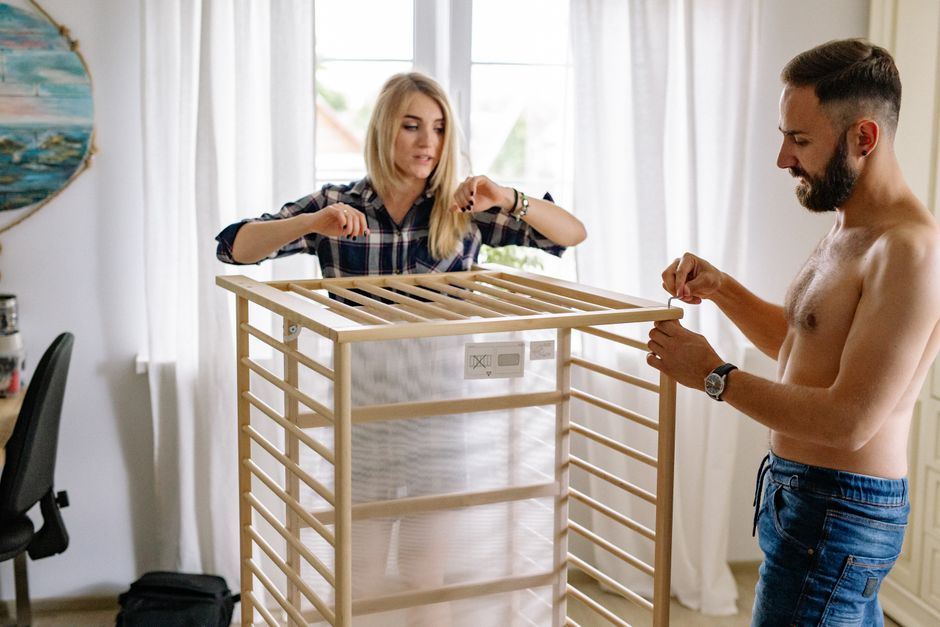
Steps to minimize off-gassing in your nursery:
- Choose Greenguard Gold certified mattresses with verified low emissions.
- Air out the mattress in a well-ventilated space before placing it in the crib.
- Open nursery windows daily to improve air circulation.
- Use a HEPA air purifier in the nursery for additional protection.
- Avoid plastic mattress covers that trap off-gassing chemicals.
How Long Does Off-Gassing Last?
Conventional mattresses may off-gas for 3-6 months or longer, while non-toxic options typically off-gas minimally within the first week. Natural latex and coconut coir have virtually no off-gassing period. Water-based adhesives used in non-toxic mattresses emit far fewer VOCs than chemical-based alternatives. Some parents still choose to air out their non-toxic mattress for 24-48 hours before use. This precaution ensures any residual manufacturing odors dissipate. After this brief period, your baby can safely sleep on a non-toxic mattress without chemical exposure concerns.
Key Takeaway: Non-toxic crib mattresses have minimal off-gassing compared to conventional options, typically within one week.
How Do You Evaluate Dual-Firmness Crib Mattresses?
Dual-firmness mattresses offer one firm side for infants and a softer side for toddlers. This design extends mattress usability from birth through age 3 or 4. The firm side supports proper spinal alignment for newborns and reduces SIDS risk. The softer side provides comfort as toddlers develop and need additional cushioning. Many non-toxic mattresses feature this design, eliminating the need for multiple mattress purchases. Evaluating dual-firmness options helps you make a long-term, cost-effective investment in your child’s sleep.
When evaluating dual-firmness non-toxic mattresses, consider:
- Firmness ratings on both sides meet safety standards for respective age groups.
- Natural materials on both sides maintain non-toxic standards.
- Transition timing aligns with your child’s developmental stage.
- Certifications apply to the entire mattress, not just one side.
- Cover material is equally durable and hypoallergenic on both sides.
Key Takeaway: Dual-firmness non-toxic mattresses offer excellent value by supporting both infants and toddlers safely.
What Are the Best Practical Tips for Selecting a Non-Toxic Crib Mattress?
Choosing a non-toxic crib mattress requires research and careful evaluation of multiple factors. Following a systematic approach ensures you select a mattress that truly meets your safety standards. In June 2026, numerous high-quality non-toxic options are available at various price points. By using these practical tips, you can confidently make a decision that protects your baby’s health and supports your values.
Follow these steps when shopping for a non-toxic crib mattress:
- Check for certifications first: Verify GOTS, OEKO-TEX, Greenguard Gold, and CPSIA compliance on product pages.
- Review core material composition: Confirm the mattress uses natural latex, coconut coir, or other non-synthetic cores.
- Examine cover materials: Ensure organic cotton or natural fiber covers without synthetic blends.
- Read third-party reviews: Look for verified customer feedback about durability, off-gassing, and comfort.
- Verify water-based adhesives: Ask manufacturers if they use water-based glues instead of chemical alternatives.
- Confirm flame resistance method: Ensure fire safety comes from wool or natural materials, not chemical treatments.
- Check return policies: Select retailers offering 30+ day trial periods in case the mattress doesn’t suit your needs.
- Compare certifications side-by-side: Don’t assume all non-toxic claims are equal; verify through independent testing.
Budget Considerations for Non-Toxic Crib Mattresses
Non-toxic crib mattresses typically cost 150 to 400 dollars depending on materials and certifications. Budget options around 150-200 dollars offer basic non-toxic construction with essential certifications. Mid-range mattresses (200-300 dollars) provide dual-firmness designs and premium natural materials. High-end options (300-400+ dollars) feature luxury materials, extended warranties, and comprehensive certifications. While more expensive than conventional mattresses, non-toxic options last longer and avoid replacement costs from off-gassing concerns. Consider this an investment in your child’s long-term health and sleep quality.
Key Takeaway: Allocate 200-300 dollars for a quality non-toxic crib mattress with multiple certifications and natural materials.
Frequently Asked Questions
Are non-toxic crib mattresses safe for newborns?
Yes, non-toxic crib mattresses are specifically designed for newborn safety. They eliminate exposure to harmful chemicals during critical developmental stages. Certifications like Greenguard Gold and GOTS ensure rigorous testing for harmful substances. Natural materials provide hypoallergenic properties that protect sensitive newborn skin. Always verify certifications and choose firm sides designed specifically for infants to reduce SIDS risk.
How often should you replace a non-toxic crib mattress?
Non-toxic crib mattresses typically last 8-10 years with proper care. Replace the mattress if you notice sagging, permanent indentations, or visible wear. Some parents replace mattresses between children to ensure hygiene standards. Regular maintenance including waterproof protector use extends mattress lifespan. Check manufacturer recommendations for your specific mattress model regarding replacement timelines.
Can you use a regular mattress protector with a non-toxic mattress?
Choose organic or non-toxic mattress protectors to maintain your mattress’s safety standards. Regular plastic protectors may contain PVC and phthalates that off-gas onto the mattress. Look for protectors with OEKO-TEX or similar certifications. Waterproof but breathable organic cotton protectors are ideal. Avoid plastic covers that trap moisture and create an unsafe sleeping environment for your baby.
What’s the difference between natural latex and synthetic latex in crib mattresses?
Natural latex comes from rubber tree sap and is hypoallergenic without chemical processing. Synthetic latex is petroleum-based and may contain harmful chemicals and off-gassing compounds. Natural latex costs more but offers superior safety and durability for non-toxic mattresses. Always verify “100% natural latex” claims through certifications rather than relying on product descriptions alone.
Do non-toxic crib mattresses meet federal safety standards?
Yes, non-toxic crib mattresses meet or exceed all federal safety standards including CPSIA flammability requirements. Manufacturers use natural materials like wool to achieve fire resistance without chemical flame retardants. Verify compliance through product certifications and documentation. Non-toxic doesn’t mean unsafe; it means safety is achieved through natural materials and rigorous testing rather than synthetic chemicals.
How do you know if a crib mattress is truly non-toxic?
Look for independent third-party certifications from organizations like GOTS, OEKO-TEX, and Greenguard Gold. Request material documentation from manufacturers detailing core and cover composition. Check for water-based adhesives and avoid mattresses with synthetic flame retardants. Read verified customer reviews and ask about off-gassing experiences. Contact manufacturers directly if certifications aren’t clearly displayed on product pages.
How Can You Make the Best Long-Term Investment in Your Baby’s Sleep Health?
Selecting a non-toxic crib mattress is one of the most important decisions you’ll make for your baby’s health and development. Your infant spends approximately 50% of their early years sleeping, making mattress quality paramount. Non-toxic options eliminate chemical exposure during critical developmental windows when babies are most vulnerable. By prioritizing certifications, natural materials, and low VOC emissions, you create a safe sleep environment that supports healthy growth. The investment in a quality non-toxic mattress pays dividends through your child’s better sleep, improved respiratory health, and peace of mind knowing you’ve chosen safety over convenience.
In 2026, the market for non-toxic baby products continues expanding with more affordable options and greater transparency. Manufacturers now understand that parents demand safer alternatives to conventional mattresses. You’re not alone in this choice; thousands of families have switched to non-toxic mattresses and report improved sleep quality and fewer respiratory concerns. For additional insights on sustainable furniture choices, explore our sustainable furniture market growth forecast for 2033 to understand industry trends supporting non-toxic products. Your commitment to non-toxic choices also supports manufacturers dedicated to environmental responsibility and consumer safety.
Moving forward, maintain your non-toxic mattress through proper care including regular waterproof protector use and air circulation in the nursery. Consider pairing your mattress investment with other non-toxic nursery furniture and decor. When your child outgrows the crib, explore sustainable furniture take-back programs for recycling to responsibly dispose of the mattress. Your choice to prioritize non-toxic products creates positive ripple effects for your family’s health, the environment, and the broader market demand for safer consumer goods.
Key Takeaway: A non-toxic crib mattress is a foundational investment in your baby’s health that pays dividends through improved sleep and reduced chemical exposure.





Write Your Review
No reviews yet. Be the first to share your experience!