

How to Clean and Protect a New Mattress in 2026?
A new mattress is a significant investment that deserves proper care from day one. Cleaning and protecting your mattress immediately after purchase prevents dust mites, allergens, and stains from settling in. This guide covers vacuum techniques, protective barriers, and maintenance routines that extend your mattress lifespan by 5-10 years. By following these proven methods, you’ll maintain hygiene, comfort, and structural integrity throughout your mattress ownership. August 2026 is the perfect time to establish a mattress care routine as cooler months approach.

Most people ignore mattress maintenance until problems appear. However, proactive cleaning and protection strategies save money and improve sleep quality. New mattresses require initial conditioning and protection before regular use begins. Understanding the right approach prevents costly damage and keeps your sleep surface fresh for years to come.
What Is the Best Way to Vacuum a New Mattress?
Vacuuming is the foundation of mattress cleaning. Start by removing all bedding and opening windows for ventilation. Use an upholstery attachment on your vacuum cleaner to avoid direct suction that damages fabric. Work systematically from head to foot in overlapping rows.
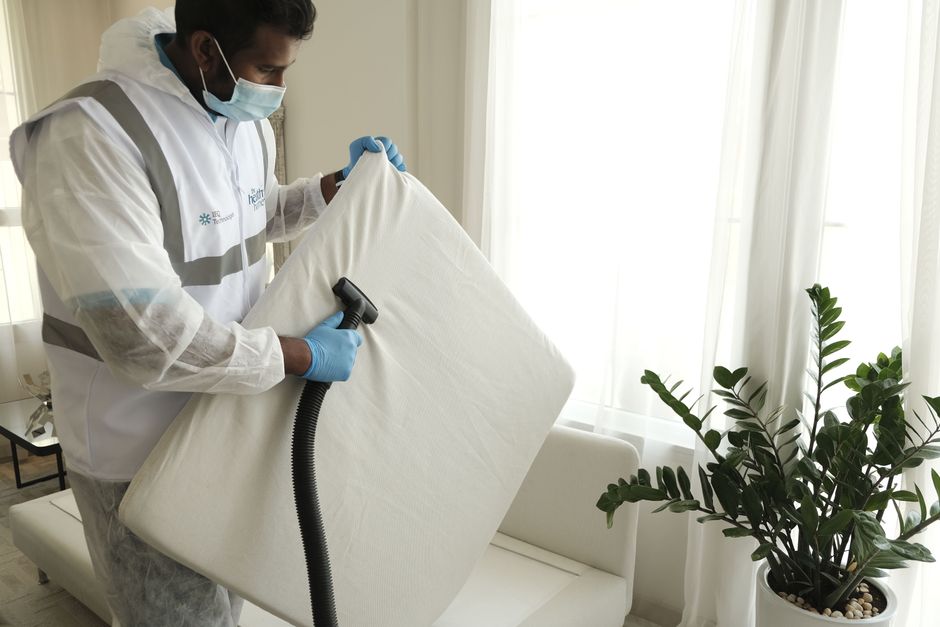
Proper vacuuming removes dust, dead skin cells, and debris before they accumulate. Focus extra attention on seams, edges, and the mattress perimeter where particles collect most. Vacuum both the top and bottom surfaces, including the sides. This initial deep clean prepares the mattress for protection treatments.
- Use low to medium suction settings to protect fabric integrity.
- Attach an upholstery brush for gentle yet effective cleaning.
- Vacuum in multiple directions to capture particles in different angles.
- Pay special attention to piping, seams, and corner areas.
- Repeat vacuuming monthly to maintain cleanliness.
How Often Should You Vacuum Your Mattress?
Vacuum your new mattress weekly for the first month to remove manufacturing residue and initial debris. After the first month, reduce frequency to twice monthly during summer months. In fall and winter, monthly vacuuming is typically sufficient. Allergy sufferers should maintain weekly schedules year-round.
Key Takeaway: Weekly vacuuming during the first month establishes a clean foundation for your new mattress.
How Do You Remove Stains from a New Mattress?
Stain removal requires immediate action to prevent permanent marks. Blot spills with a clean, dry cloth before liquid penetrates deep layers. Never rub or scrub, as this spreads the stain and damages fabric fibers. Identify the stain type to choose the appropriate cleaning solution.

For water-based stains like juice or coffee, mix one tablespoon of liquid dish soap with two cups of warm water. For biological stains like blood or urine, use an enzymatic cleaner designed for mattresses. Test any solution on a hidden mattress area first to ensure it doesn’t cause discoloration or damage.
- Blot immediately with dry cloth to absorb excess liquid.
- Mix mild soap solution or use enzymatic cleaners for organic stains.
- Apply solution sparingly with a cloth, not by spraying.
- Blot repeatedly until stain disappears and moisture is removed.
- Allow mattress to air dry completely before adding bedding.
What Cleaning Solutions Are Safe for Mattresses?
Mild dish soap solutions work for most general stains without damaging fabric. Enzymatic cleaners break down organic matter in blood, sweat, and urine stains. Baking soda acts as a natural deodorizer and mild abrasive for light stains. Avoid bleach, hydrogen peroxide, and harsh chemicals that damage fabric and create health hazards.
Vinegar and water solution (one part vinegar to three parts water) removes odors and light stains. Always dilute solutions and apply minimally to prevent oversaturation. Commercial mattress cleaning sprays are available but often unnecessary for new mattresses with proper preventive care.
Key Takeaway: Mild soap and enzymatic cleaners safely remove most stains without damaging your mattress fabric.
What Protective Barriers Should You Use on a New Mattress?
A quality mattress protector is your first line of defense against stains, dust mites, and allergens. Waterproof protectors prevent liquids from penetrating to the foam or coils beneath. Choose breathable protectors that allow air circulation to prevent heat buildup and moisture accumulation. Install the protector immediately after vacuuming and before adding regular bedding.

Mattress protectors extend mattress lifespan by 5-10 years by preventing internal contamination. They’re washable, affordable, and removable for cleaning. Many protectors are hypoallergenic and suitable for sensitive sleepers. Quality protectors maintain your mattress warranty while providing essential protection.
- Choose waterproof protectors to block liquid penetration.
- Select breathable fabrics to prevent heat trapping and moisture buildup.
- Ensure protector fits snugly without bunching or shifting.
- Wash protectors monthly in warm water with mild detergent.
- Replace protectors every 2-3 years or when damaged.
How Do You Install a Mattress Protector Correctly?
Place your mattress on the bed frame with the protector nearby. Start at the head of the mattress and stretch the protector lengthwise across the top. Work the protector down one side, then the other, ensuring even coverage. Pull the protector underneath the mattress and secure it snugly around all corners.
Smooth out wrinkles and ensure the protector sits flat without bunching. The protector should extend fully to all edges and underneath without gaps. Check that it doesn’t interfere with fitted sheets or impede mattress ventilation. Properly installed protectors remain secure even with regular bed use.
Key Takeaway: A properly installed waterproof protector is the single most important investment for protecting your new mattress.
How Can You Prevent Dust Mites and Allergens in Your Mattress?
Dust mites thrive in warm, humid environments with abundant dead skin cells. Reduce humidity levels to below 50 percent using air conditioning or dehumidifiers. Wash bedding weekly in hot water (130°F minimum) to kill dust mites and remove allergens. Vacuum mattress surfaces regularly to remove dust mite colonies and their waste.

A waterproof mattress protector creates a barrier that dust mites cannot penetrate. Hypoallergenic protectors are specifically designed to block microscopic allergens. Encasing your entire mattress with a protective cover prevents dust mite colonization more effectively than any cleaning method alone.
- Maintain indoor humidity below 50 percent year-round.
- Wash all bedding weekly in hot water above 130°F.
- Vacuum mattress and protector monthly to remove dust mites.
- Use air purifiers with HEPA filters in bedrooms.
- Rotate and flip mattress quarterly to distribute wear evenly.
Are Dust Mite Sprays Effective on New Mattresses?
Dust mite sprays provide temporary relief but don’t eliminate infestations permanently. These products kill surface dust mites but cannot penetrate deep into mattress layers. Prevention through protectors and humidity control is far more effective than chemical sprays. Most dermatologists recommend physical barriers over chemical treatments for allergy sufferers.
If you use dust mite spray, choose products specifically labeled safe for mattresses. Apply sparingly and allow complete drying before contact. Never use insecticides or harsh chemicals on mattresses where you sleep. For new mattresses, prevention is always superior to treating infestations after they develop.
Key Takeaway: Waterproof protectors and humidity control prevent dust mites more effectively than chemical sprays.
What Is the Proper Way to Rotate and Flip Your New Mattress?
Rotating your mattress extends lifespan by distributing wear evenly across all surfaces. Rotate your mattress 180 degrees (head to foot) every three months. This prevents body impressions from developing in the same areas. Most modern mattresses don’t require flipping due to pillow-top construction, but check your manufacturer’s guidelines.
Establish a rotation schedule aligned with seasonal changes for easy remembering. Mark your calendar for rotation dates in February, May, August, and November. Involve family members in the rotation process to make it a shared responsibility. Proper rotation maintains comfort and support throughout your mattress’s lifespan.
- Rotate mattress 180 degrees every three months without fail.
- Flip mattress only if manufacturer instructions specifically recommend it.
- Mark rotation dates on your calendar for consistency.
- Check for body impressions or sagging after rotation.
- Document rotation dates for warranty claim purposes if needed.
When Should You Stop Rotating Your Mattress?
Continue rotating your mattress for its entire lifespan, typically 7-10 years. Even near the end of its life, rotation helps distribute remaining wear. Some mattresses develop permanent body impressions despite rotation—this signals replacement time. If rotation becomes difficult due to mattress age or condition, replacement is likely necessary.
Key Takeaway: Consistent rotation every three months prevents uneven wear and extends mattress life significantly.
How Do You Maintain Proper Mattress Ventilation?
Ventilation prevents moisture accumulation and mold growth inside your mattress. Allow air circulation by using a slatted bed frame rather than solid platforms. Avoid placing mattresses directly on the floor, which traps moisture underneath. Ensure at least two inches of space between the mattress and any walls or furniture.
Open bedroom windows regularly to exchange indoor air with fresh outdoor air. Use ceiling fans to promote air circulation around the mattress. Remove mattress protectors occasionally to allow direct air exposure. Proper ventilation is especially important in humid climates or during summer months.
- Use slatted bed frames to allow airflow underneath mattress.
- Maintain minimum two-inch clearance from walls and furniture.
- Never place mattress directly on floors or concrete.
- Open windows daily for 15-20 minutes to exchange air.
- Use bedroom fans to promote continuous air circulation.
Key Takeaway: Proper ventilation through slatted frames and air circulation prevents moisture damage and extends mattress lifespan.
What Practical Steps Should You Take in Your First Week?
The first week after purchasing your new mattress is critical for establishing proper care habits. Begin by vacuuming thoroughly using upholstery attachments on all surfaces. Remove any plastic wrapping or protective coverings the manufacturer included. Inspect the mattress for defects, stains, or damage while still within return windows.
Install a waterproof mattress protector immediately after vacuuming. Allow the mattress to air for 24-48 hours if it has a chemical odor from manufacturing. Set up a calendar reminder for monthly vacuuming and quarterly rotation. Wash new bedding before first use to remove manufacturing chemicals and sizing agents.
Your First-Week Mattress Care Checklist
- Vacuum all mattress surfaces using upholstery attachment.
- Remove all plastic wrapping and protective coverings.
- Inspect mattress for defects within return period.
- Install waterproof mattress protector securely.
- Air mattress for 24-48 hours if chemical odor present.
- Wash all new bedding before first use.
- Set calendar reminders for monthly vacuuming.
- Schedule quarterly rotation dates for the year.
Key Takeaway: Completing these eight steps in your first week establishes habits that protect your mattress for years.
How Do You Handle Special Situations Like Spills and Accidents?
Act immediately when spills occur to prevent permanent damage. For water or clear liquids, blot thoroughly with dry towels without rubbing. For colored liquids like wine or juice, use the mild soap solution method described earlier. For biological accidents like vomit or urine, enzymatic cleaners are essential for complete removal.
Never use heat sources like hair dryers to speed drying, as heat can set stains permanently. Allow mattresses to air dry completely in sunlight when possible—UV rays naturally disinfect and deodorize. If accidents occur frequently, consider mattress pads under fitted sheets for additional protection. A quality mattress protector prevents most accidents from reaching the mattress interior.
- Blot spills immediately without rubbing or scrubbing.
- Use enzymatic cleaners for biological stains and accidents.
- Air dry naturally in sunlight rather than using heat.
- Apply baking soda after drying to absorb odors.
- Consider mattress pads under sheets for accident-prone situations.
Key Takeaway: Immediate blotting and appropriate cleaning solutions prevent accidents from causing permanent damage.
What Long-Term Maintenance Schedule Should You Follow?
Establish a year-round maintenance calendar to keep your mattress in optimal condition. Monthly tasks include vacuuming and inspecting the protector for damage. Quarterly activities include rotating the mattress and washing the protector. Annual deep cleaning involves professional mattress cleaning or intensive home treatment with enzymatic products.
Track maintenance activities in a notebook or digital calendar. Document any stains, damage, or comfort changes for warranty purposes. Review manufacturer guidelines annually to ensure you’re following specific care recommendations. Consistent maintenance prevents problems from developing and extends your mattress investment significantly.
Your Annual Mattress Maintenance Calendar
- Monthly: Vacuum mattress and check protector condition.
- Quarterly: Rotate mattress 180 degrees and wash protector.
- Biannually: Deep clean with enzymatic products if needed.
- Annually: Professional cleaning or intensive home treatment.
- Annually: Review warranty and document maintenance records.
Key Takeaway: A structured maintenance calendar ensures consistent care and maximizes your mattress lifespan.
Should You Use Professional Mattress Cleaning Services?
Professional mattress cleaning services use industrial equipment and specialized treatments beyond home capabilities. These services remove deep-seated dust mites, allergens, and odors from mattress interiors. Professional cleaning is recommended annually or biannually, especially for allergy sufferers. Services typically cost $100-300 depending on mattress size and cleaning intensity.
Home maintenance prevents the need for frequent professional cleaning. However, professional services provide deep cleaning that extends mattress life. Many professional cleaners use heat and UV treatments that kill dust mites and bacteria naturally. If budget allows, professional cleaning once yearly complements your regular home maintenance routine.
- Professional cleaning removes dust mites from deep mattress layers.
- Services use industrial equipment and specialized treatments.
- Recommended annually or biannually for optimal results.
- Especially beneficial for allergy sufferers and high-use mattresses.
- Costs typically range from $100-300 per mattress.
Key Takeaway: Annual professional cleaning complements home maintenance and provides deep allergen removal.
How Can You Extend Your Mattress Warranty Through Proper Care?
Most mattress warranties require proper care and maintenance to remain valid. Using a mattress protector is often mandatory for warranty coverage. Documenting your maintenance activities protects you if defects appear. Keep all receipts, warranty documentation, and maintenance records in a safe location.
Improper care voids warranties even if defects develop naturally. Following manufacturer guidelines exactly preserves your warranty protection. If problems arise, your maintenance documentation proves you’ve met warranty requirements. Proper care demonstrates due diligence if you need to file a warranty claim.
- Read warranty terms completely before using your mattress.
- Use required mattress protectors for coverage validity.
- Document all maintenance activities with dates.
- Keep receipts and warranty paperwork organized.
- Follow manufacturer-specific care recommendations exactly.
Key Takeaway: Documented maintenance protects your warranty and proves you’ve met manufacturer requirements.
Is There a Difference Between Cleaning New and Older Mattresses?
New mattresses require gentler handling and more careful cleaning to avoid damage. Older mattresses may have accumulated allergens and require more intensive treatment. New mattresses benefit from preventive protection before problems develop. Established mattresses need remedial cleaning to address accumulated issues.
Starting with proper care on new mattresses prevents problems that plague older mattresses. A well-maintained new mattress never develops the deep dust mite infestations that require professional cleaning. Prevention is always easier and less expensive than treatment. Your new mattress is an opportunity to establish habits that extend its lifespan significantly.
For additional guidance on protecting home furnishings, explore our article on how to protect outdoor furniture from rain and sun in 2026, which covers similar protective principles applicable to various household items.
Key Takeaway: Preventive care on new mattresses is more effective and less expensive than treating problems on older mattresses.
What Should You Do If Your Mattress Develops an Odor?
Odors develop from moisture, mold, or bacterial growth inside mattresses. Sprinkle baking soda generously over the mattress surface and let sit for 24 hours. Vacuum thoroughly to remove baking soda and trapped odors. For persistent odors, enzymatic deodorizers designed for mattresses provide targeted treatment.
Sunlight naturally eliminates odors and kills odor-causing bacteria. If possible, place your mattress in direct sunlight for several hours. Ensure proper ventilation by opening windows and using fans. If odors persist after these treatments, professional cleaning may be necessary.
- Apply baking soda and let sit 24 hours before vacuuming.
- Use enzymatic deodorizers for biological odors.
- Place mattress in direct sunlight when possible.
- Ensure proper ventilation with open windows and fans.
- Consider professional cleaning for persistent odors.
Key Takeaway: Baking soda and sunlight eliminate most mattress odors naturally without harsh chemicals.
How Can You Prevent Heat Buildup in Your New Mattress?
Heat buildup occurs when moisture and poor ventilation trap warmth inside mattress layers. Choose breathable mattress protectors rather than fully waterproof ones if heat is a concern. Ensure your bed frame allows airflow underneath the mattress. Use moisture-wicking sheets to pull sweat away from the mattress surface.
If you’re concerned about memory foam sleeping hot, our guide on why memory foam sleeps hot and how to fix it in 2026 provides comprehensive solutions. Proper ventilation, breathable bedding, and room temperature control reduce heat buildup naturally. Avoid plastic mattress covers that trap heat and moisture.
- Choose breathable protectors designed to allow air circulation.
- Use slatted bed frames for maximum airflow.
- Select moisture-wicking sheets and bedding.
- Maintain bedroom temperature between 60-67°F.
- Avoid plastic covers that trap heat and moisture.
Key Takeaway: Breathable protectors and proper ventilation prevent heat buildup while maintaining protection.
What Is the Best Way to Store a Mattress If Needed?
If you need to store your mattress temporarily, proper preparation prevents damage and contamination. Clean and vacuum thoroughly before storage. Ensure the mattress is completely dry before wrapping. Use breathable storage covers rather than plastic, which traps moisture and promotes mold growth.
Store mattresses flat on a clean, dry surface elevated off the floor. Avoid storing in basements, attics, or uncontrolled environments prone to moisture or temperature fluctuations. Keep storage areas pest-free by using sealed containers and monitoring regularly. Check stored mattresses monthly for signs of moisture, mold, or pest damage.
- Clean and vacuum mattress thoroughly before storage.
- Ensure complete dryness before wrapping.
- Use breathable covers rather than plastic.
- Store flat on elevated, clean surfaces.
- Avoid damp basements, attics, or uncontrolled environments.
- Check monthly for moisture, mold, or pest damage.
Key Takeaway: Breathable storage covers and elevated placement prevent moisture and mold during mattress storage.
Conclusion: How Should You Approach Your New Mattress Cleaning and Protection Strategy?
Proper cleaning and protection of your new mattress in August 2026 sets the foundation for years of healthy, comfortable sleep. Begin with thorough vacuuming, immediate protector installation, and stain prevention measures. Establish a maintenance calendar with monthly vacuuming, quarterly rotation, and annual professional cleaning. These consistent habits prevent dust mites, allergens, and stains from compromising your investment.
Your mattress is one of the most important purchases for your home and health. Investing time in proper care extends lifespan by 5-10 years and maintains comfort throughout ownership. Use this guide as your reference for addressing specific cleaning challenges and establishing long-term maintenance routines. By following these proven strategies, you’ll enjoy a clean, protected, and healthy mattress for the next decade.










Write Your Review
No reviews yet. Be the first to share your experience!