

How to Fix a Broken Lift Top Coffee Table Mechanism in 2026: Complete Guide
A broken lift top coffee table mechanism can turn your favorite furniture piece into an eyesore. The good news: most repairs are DIY-friendly and cost far less than replacement. This guide walks you through diagnosis, repair steps, and prevention strategies to restore your table’s smooth lifting action. Whether your mechanism won’t stay up, opens too slowly, or makes grinding sounds, you’ll find practical solutions here. We’ll cover common issues, essential tools, and when to call a professional.
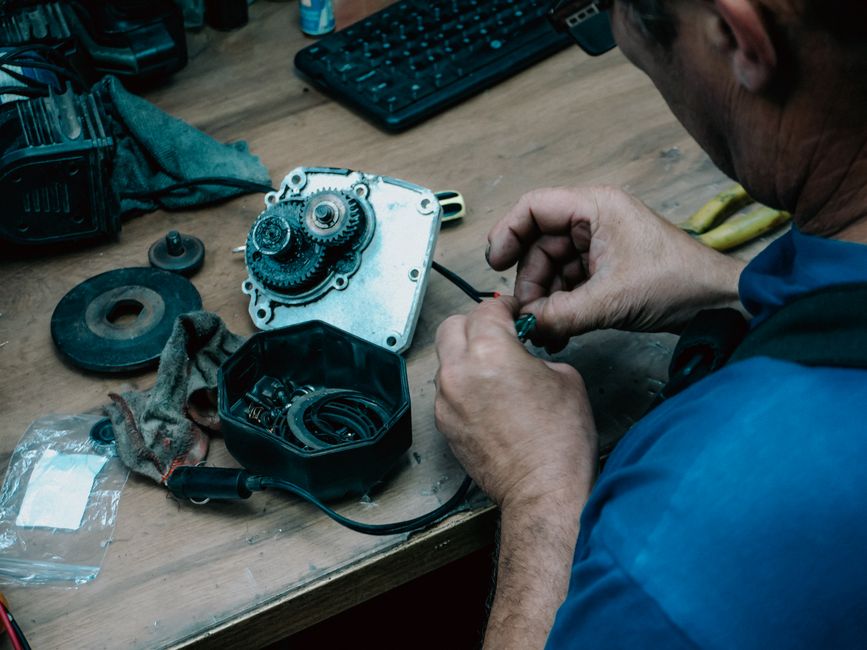
Lift top coffee tables combine style with functionality, offering hidden storage and adjustable workspace. However, the hydraulic pistons, springs, and hinges that make this magic happen wear out over time. Understanding how your mechanism works is the first step toward fixing it. Most modern tables use gas pistons or spring-loaded hinges to support the lifting action. Dust, moisture, and regular use gradually degrade these components. The good news is that replacement parts are widely available and installation is straightforward for most homeowners.
What Causes a Lift Top Coffee Table Mechanism to Break?
Lift top coffee table mechanisms fail for several predictable reasons. Understanding the root cause helps you prevent future damage and apply the right fix. Most problems stem from wear and tear, improper use, or environmental factors that weaken internal components.
- Gas pistons lose pressure over time, causing the top to drop or stay partially open.
- Springs weaken after thousands of lift cycles, reducing support and stability.
- Hinges corrode or misalign, creating friction and binding during operation.
- Dust and debris accumulate inside the mechanism, causing grinding sounds and jamming.
- Overloading the table with excessive weight stresses springs and pistons beyond capacity.
- Moisture exposure rusts metal components and degrades seals on hydraulic parts.
Key Takeaway: Most lift top failures result from normal wear, but proper maintenance and careful use can extend your mechanism’s lifespan significantly.
How Do Gas Pistons Fail?
Gas pistons are the workhorses of modern lift top tables. They contain pressurized nitrogen gas that provides smooth lifting and lowering. Over time, the internal seals degrade, allowing gas to escape. Once pressure drops below a critical threshold, the piston can no longer support the table’s weight. You’ll notice the top won’t stay open or requires excessive force to lift. Replacement pistons are inexpensive and easy to install—typically a 10-minute job per piston.
When Do Springs Lose Their Strength?
Older lift top tables often use coil springs instead of gas pistons. These springs gradually lose elasticity after repeated compression and extension cycles. A weakened spring means the table opens slowly, feels heavy, or won’t stay fully extended. Spring replacement is equally simple—disconnect the old spring, measure it, and install a new one of identical specifications. Always replace springs in pairs to maintain balanced lifting action.
Key Takeaway: Both gas pistons and springs degrade predictably; replacement is affordable and DIY-accessible.
How Do You Diagnose the Exact Problem With Your Table?
Before ordering parts, pinpoint what’s actually broken. A systematic diagnosis saves money and prevents unnecessary replacements. Start by observing how your table behaves during normal use. Does it stick? Drop suddenly? Make noise? Your answers guide the repair strategy.
- Won’t stay open: Gas pistons have lost pressure or springs are too weak.
- Won’t open at all: Check for debris jamming the mechanism or broken hinges.
- Opens very slowly: Pistons are failing or springs are severely weakened.
- Makes grinding or squeaking sounds: Hinges need lubrication or internal parts are misaligned.
- One side opens higher than the other: Uneven spring/piston strength or hinge misalignment.
- Top feels wobbly when open: Hinges are loose or worn; tighten bolts or replace hinge pins.
The Visual Inspection Process
Open the table fully and look underneath. Examine both gas pistons or springs on either side of the mechanism. Check for visible leaks, corrosion, or bent components. Gently press down on the open top—does it feel solid or does it flex excessively? Listen carefully as you slowly lower the top. Smooth operation means the mechanism is healthy. Grinding, clicking, or squeaking noises indicate wear or misalignment. Take photos of any damage for reference when ordering replacement parts.
Testing Spring or Piston Strength
With the table fully open, release it and observe how long it stays up. A healthy mechanism should hold the top open indefinitely. If it drifts closed within seconds, your pistons or springs are failing. Next, try lifting the table from the closed position. Does it require normal effort or does it feel unusually heavy? Heavy lifting suggests weakened springs. Light lifting combined with difficulty keeping it open points to failed pistons. Document these observations—they’re invaluable when troubleshooting.
Key Takeaway: Careful observation of how your table behaves reveals exactly which components need replacement.
What Tools and Parts Do You Need for Repair?
Most lift top repairs require only basic tools you likely already own. The specific parts depend on your table’s design, but gas pistons and springs are universal replacements available at hardware stores and online retailers. Before starting any repair, gather everything you need—this prevents frustrating mid-project runs to the store.
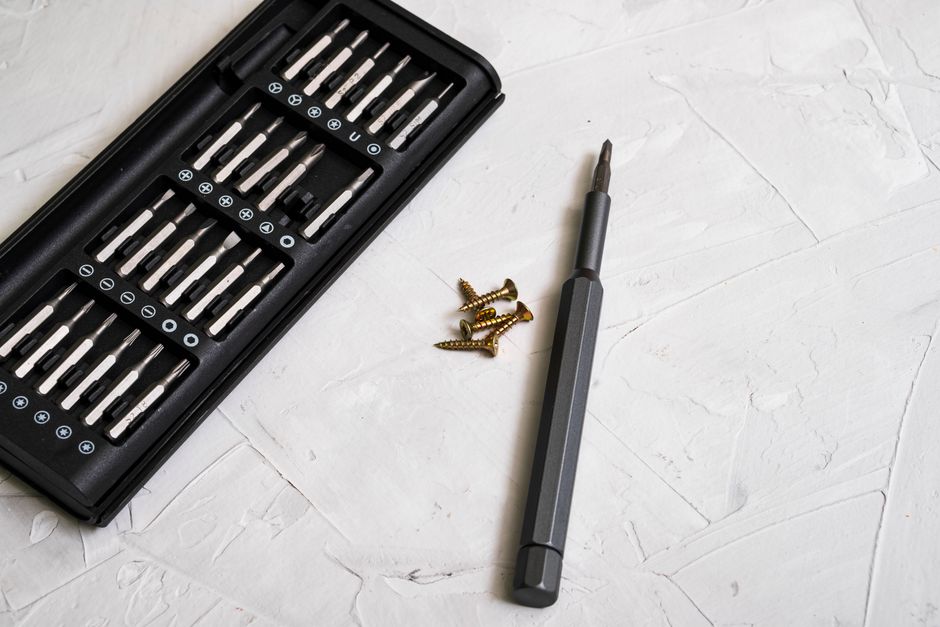
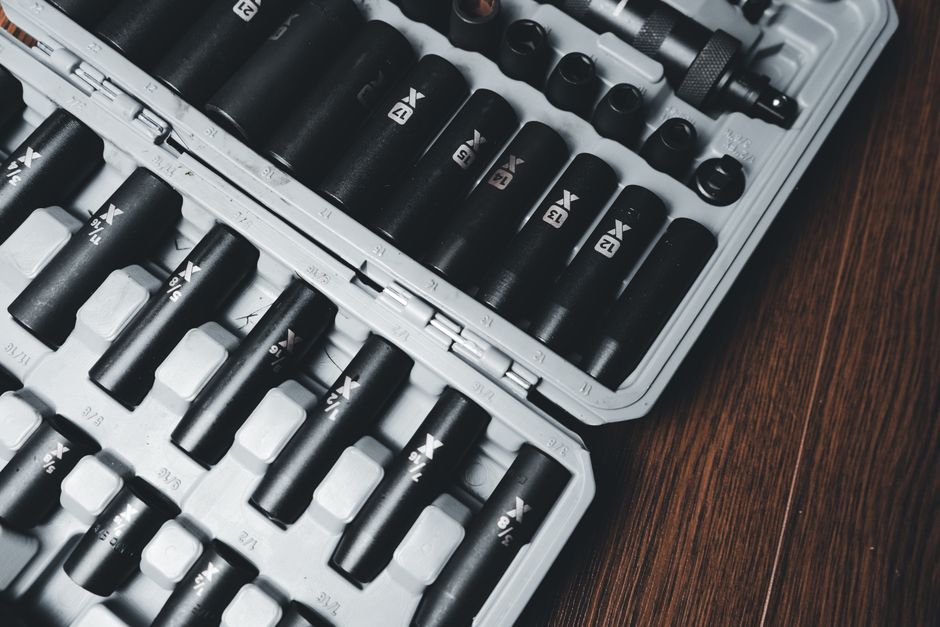
- Socket wrench set (metric and standard sizes).
- Screwdrivers (Phillips and flathead).
- Adjustable wrench or crescent wrench.
- Replacement gas pistons or springs matching your table’s specifications.
- Hinge pins or replacement hinges if needed.
- Lubricant spray (silicone-based or 3-in-1 oil).
- Work gloves and safety glasses.
- Flashlight or headlamp for visibility underneath the table.
Identifying the Correct Replacement Parts
Check your table’s original documentation or manufacturer website for part numbers. If you’ve lost the manual, measure your gas pistons: note the length when fully extended and compressed, plus the diameter. For springs, measure the coil diameter, wire thickness, and free length. Take clear photos from multiple angles. Visit the manufacturer’s website or contact their customer service with these measurements. Many retailers can cross-reference dimensions to compatible parts. Ordering the wrong size wastes money and time—measure twice, order once.
Key Takeaway: Accurate measurements ensure you buy compatible replacement parts on the first try.
How Do You Replace a Broken Gas Piston?
Replacing a gas piston is straightforward and takes about 10 minutes per piston. Always replace both pistons simultaneously, even if only one appears broken. Uneven piston strength causes unbalanced lifting and can damage hinges. Work slowly and carefully—gas pistons contain pressurized gas and require respect, though they’re safe when handled properly.
Step-by-Step Piston Replacement Process
First, open the table fully and prop it securely with a wooden block or jack under the top. This prevents accidental closing while you work. Locate the piston mounting bolts on both sides of the table frame. Using your socket wrench, remove the bolts connecting the piston rod to the table’s lifting frame. Next, disconnect the piston base from the main table frame using the same method. Carefully extract the old piston and set it aside. Position the new piston in the same orientation as the original. Align the mounting holes and thread the bolts by hand first—this prevents cross-threading. Tighten bolts firmly but don’t over-torque, which can strip threads or damage the piston. Repeat for the second piston, then test the mechanism by slowly lowering the top.
Safety Considerations During Replacement
Never work under an unsupported lifted top—use a sturdy prop to prevent crushing injuries. Wear safety glasses to protect against dust or debris. Gas pistons are safe to handle, but avoid dropping them or exposing them to extreme heat. If a piston is leaking gas, it may hiss slightly during removal—this is normal and harmless. Keep your hands clear of pinch points where the top meets the frame. Work methodically and never rush through the installation.
Key Takeaway: Piston replacement is simple, safe, and quick when you follow proper procedures and secure the lifted top.
How Do You Replace Broken Springs?
Spring replacement mirrors the piston process but requires attention to spring tension. Coil springs store mechanical energy, so handle them with care. Older tables often use two springs—one on each side of the lifting mechanism. Always replace both springs together to maintain balanced lifting action and prevent future misalignment issues.
Removing and Installing Replacement Springs
With the table propped open, locate the spring mounting points. Springs typically attach to the frame via bolts or hooks. Using your wrench, carefully remove the bolts or unhook the spring ends. Springs may be under tension—release this gradually to prevent sudden snapping. Once the old spring is free, measure it carefully: note the coil diameter, wire gauge, and overall length. This information ensures you order the exact replacement. Install the new spring in reverse order: hook or bolt one end to the frame, then carefully stretch and secure the other end. Tighten bolts gradually, checking that the spring is properly centered. Test the mechanism by slowly raising and lowering the top several times.
Balancing Spring Strength
If your table lifts unevenly after spring replacement, one spring may be stronger than the other. This happens when springs age at different rates or you accidentally installed springs with different tension ratings. Remove the top again and verify both springs have identical specifications printed on them. If they don’t match, order a replacement for the weaker spring. Uneven springs eventually damage hinges and create safety hazards. Taking time to balance them now prevents expensive repairs later.
Key Takeaway: Always replace springs in matched pairs to ensure balanced, safe lifting action.
How Do You Fix Squeaking and Grinding Noises?
Noises from your lift top mechanism usually indicate friction or debris rather than broken parts. These problems are often the easiest to fix—sometimes just a bit of lubricant solves everything. Start with cleaning and lubrication before assuming components are damaged. Squeaking typically means dry hinges or friction points. Grinding suggests debris or internal misalignment. Both are fixable without replacement parts.
- Clean all visible hinges and joints with a dry cloth to remove dust.
- Apply silicone-based lubricant spray to hinge pins and pivot points.
- Wipe away excess lubricant to prevent attracting more dust.
- Open and close the table slowly several times to distribute the lubricant.
- If noise persists, inspect for bent hinge pins or misaligned components.
- Replace hinge pins if they’re visibly bent or corroded.
When to Replace Hinge Pins Versus the Entire Hinge
Hinge pins are the small metal rods that allow your table’s top to pivot. These wear out from thousands of opening and closing cycles. Replacement pins are inexpensive—usually under ten dollars each. Simply remove the old pin by tapping it out with a hammer and drift punch, then tap the new pin in from the opposite direction. If the hinge itself is cracked, bent, or severely corroded, you’ll need to replace the entire hinge assembly. This requires removing multiple bolts and carefully aligning the new hinge. Take photos before disassembly to ensure proper reinstallation.
Key Takeaway: Most noise issues resolve with cleaning and lubrication; hinge pin replacement is quick and cheap.
How Do You Maintain Your Lift Top Coffee Table to Prevent Future Breaks?
Prevention is always cheaper than repair. A few simple maintenance habits extend your mechanism’s lifespan by years. Most lift top failures are preventable through mindful use and regular care. Establish a maintenance routine and your table will serve reliably for decades.
- Lubricate hinges and pivot points every six months with silicone spray.
- Never place weight on the lifted top—this stresses springs and pistons excessively.
- Limit total weight on the closed table to manufacturer specifications (usually 50-100 pounds).
- Open and close the table slowly and smoothly; avoid slamming or jerking motions.
- Keep the table away from extreme heat, cold, and moisture when possible.
- Inspect the mechanism monthly for signs of wear, rust, or debris.
- Clean underneath the table quarterly to remove dust that causes friction.
Environmental Protection Strategies
Moisture is the enemy of lift top mechanisms. Rust forms on metal hinges and corrodes gas piston seals, leading to premature failure. If your table is near a window or in a humid room, consider moving it to a drier location. Use a dehumidifier in damp basements or living rooms. If your table is outdoors or near an outdoor patio, cover it when not in use. For additional protection strategies, see our guide on how to protect outdoor furniture from rain and sun in 2026. These principles apply equally to indoor furniture in humid environments.
Weight Management and Proper Use
Overloading your table is the fastest way to break the mechanism. Check your table’s manual for maximum weight capacity—don’t exceed it. Distribute weight evenly across the surface rather than piling everything in one corner. Teach family members to open and close the table gently. Rough handling stresses springs and pistons far more than normal use. Children especially need to understand that lift tops aren’t toys—supervise their use and establish clear rules about proper handling.
Key Takeaway: Regular lubrication, mindful use, and environmental protection prevent most lift top failures.
When Should You Call a Professional?
Most lift top repairs are DIY-friendly, but some situations warrant professional help. If you’re uncomfortable working with tools or your table is valuable or antique, hire a furniture repair specialist. Complex issues like structural damage or multiple broken components benefit from professional expertise. Additionally, if your table is still under warranty, contact the manufacturer before attempting repairs—DIY work may void coverage.
Professional repairs typically cost $150-400 depending on complexity and location. Compare this to replacement tables starting at $300-1000+. For most homeowners, DIY repair makes financial sense. However, your time and comfort level matter too. If you lack confidence, a professional will complete the job correctly and quickly. Search for “furniture repair near me” or contact your table’s manufacturer for referrals to certified technicians.
Key Takeaway: DIY repair is cost-effective for most people, but professionals are worth the investment if you’re unsure or need warranty protection.
Frequently Asked Questions
How Much Does It Cost to Replace a Gas Piston in a Lift Top Coffee Table?
Replacement gas pistons typically cost $25-75 per piston depending on size and brand. Most tables need two pistons, so budget $50-150 for parts. Installation is DIY-friendly and requires no special tools beyond basic wrenches and screwdrivers. Total repair cost stays well under $200, making it a worthwhile investment compared to buying a new table. Many online retailers offer universal pistons that fit most lift top designs.
Can You Repair a Lift Top Coffee Table If It’s Completely Broken?
Complete failure usually means multiple components are damaged simultaneously. However, even severely broken tables are often repairable by replacing the entire lift mechanism. Some manufacturers sell complete mechanism kits designed to retrofit older tables. If your table has sentimental value or you love its design, professional restoration is worthwhile. For purely functional tables, replacement may be more economical. Assess repair costs versus replacement value before deciding.
How Long Does It Take to Replace a Lift Top Coffee Table Mechanism?
Simple repairs like piston or spring replacement take 30-60 minutes for a careful DIYer. Hinge pin replacement takes 10-15 minutes. More complex repairs involving multiple components or hinge replacement may take 2-3 hours. Professional technicians typically complete repairs in 1-2 hours due to experience and efficiency. Don’t rush—taking your time prevents mistakes and ensures safe, proper installation.
What’s the Difference Between Gas Pistons and Springs in Lift Top Tables?
Gas pistons use pressurized nitrogen to smoothly lift and hold the table top open. They provide consistent, effortless lifting and are common in modern tables. Springs use mechanical coils to store and release energy, requiring more effort to lift but offering a more traditional feel. Pistons are generally more reliable and longer-lasting. Springs are simpler mechanically but weaken over time. Both are replaceable and equally DIY-friendly.
How Do You Know If Your Lift Top Coffee Table Needs Professional Repair?
Consider professional repair if the mechanism is completely jammed, the table is antique or high-value, you lack tools or confidence, or multiple components are damaged. If simple lubrication and piston/spring replacement don’t solve the problem, a professional can diagnose complex issues. Budget constraints also matter—if repair costs exceed 50% of replacement value, buying new might make sense. Get quotes from multiple repair shops before deciding.
Is It Safe to Use a Lift Top Coffee Table With a Partially Broken Mechanism?
Using a broken lift top is risky. A failing mechanism can suddenly drop the top, causing injury or property damage. If one piston is weak, the table lifts unevenly, stressing hinges and risking collapse. Stop using the table until repairs are complete. Temporary solutions like propping the top open with blocks are dangerous and inadequate. Repair or replace the mechanism before resuming normal use to ensure safety.
What’s the Best Way to Fix Your Broken Lift Top Coffee Table in 2026?
Fixing a broken lift top coffee table mechanism is achievable for most homeowners with basic tools and a methodical approach. Start by diagnosing the exact problem—whether it’s failed gas pistons, weakened springs, or worn hinges. Order accurate replacement parts using your table’s specifications or manufacturer documentation. Follow the step-by-step replacement procedures outlined above, always securing the lifted top and working safely. Most repairs cost under $200 and take 30-90 minutes. Maintain your table afterward with regular lubrication and mindful use to prevent future failures.
Your lift top coffee table combines style with functionality—it deserves proper care. Whether you tackle the repair yourself or hire a professional, addressing the problem promptly prevents further damage. For related furniture maintenance, explore our guides on how to refinish a wooden coffee table in 2026 and how to fix sagging sofa cushions in 2026. With the knowledge and skills from this guide, you can restore your table to working condition and enjoy it for many more years.
Key Takeaway: Most lift top coffee table repairs are DIY-friendly, affordable, and achievable in under two hours with basic tools and replacement parts.









Write Your Review
No reviews yet. Be the first to share your experience!