

What Mattress Firmness Is Best for Side Sleepers? Quick Answer
Side sleepers need a medium to medium-soft mattress (firmness rating 4-6 on a 1-10 scale) to properly support their spine while cushioning pressure points. Medium mattresses balance spinal alignment with comfort by conforming to shoulder and hip curves without excessive sinking. Side sleeping requires softer support than back sleeping because your body weight concentrates on two contact points—your shoulder and hip—creating intense pressure that a firmer mattress cannot adequately absorb. The best firmness prevents shoulder pain, hip discomfort, and spinal misalignment while maintaining proper posture throughout the night.

In August 2026, mattress technology has advanced significantly, offering side sleepers more options than ever. Most sleep experts and chiropractors recommend avoiding both very firm mattresses (which create pressure points) and ultra-soft mattresses (which lack support). A medium-firm mattress provides the sweet spot between comfort and structural support. Your ideal firmness depends on body weight, personal preference, and any existing pain conditions. Testing mattresses in-store or using trial periods helps determine your perfect match before committing to a purchase.
Why Do Side Sleepers Need Different Mattress Firmness Than Other Positions?
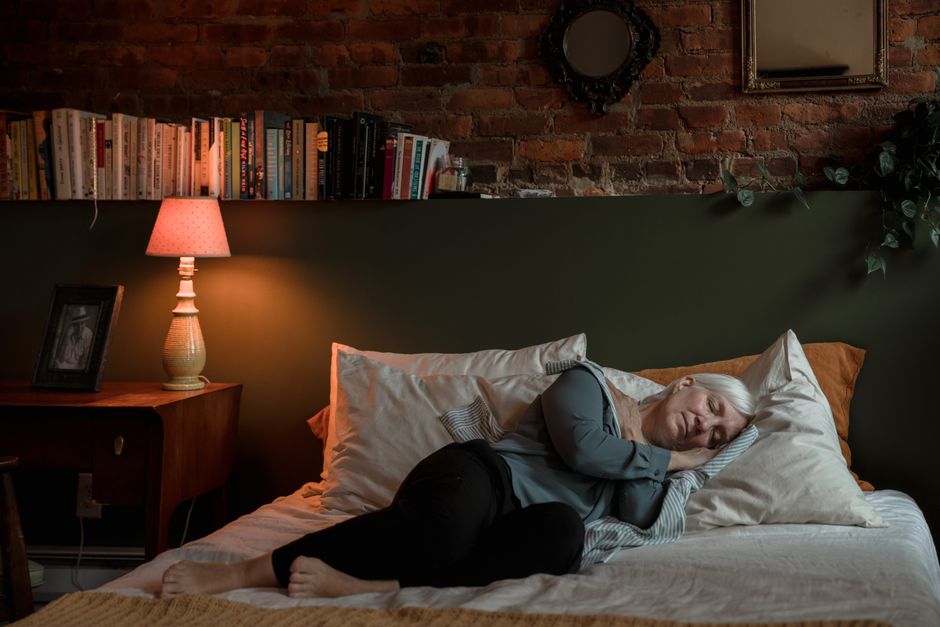
Side sleeping creates unique pressure distribution patterns that differ dramatically from back or stomach sleeping. When you lie on your side, approximately 25-30% of your body weight concentrates on just two small areas: your shoulder and hip. These pressure points need cushioning to prevent pain and numbness. A mattress too firm won’t compress enough to relieve this concentrated pressure, leading to shoulder impingement and hip discomfort.

Back sleepers distribute weight more evenly across their entire body, allowing them to use firmer mattresses successfully. Stomach sleepers need support to prevent spinal sagging. Side sleepers occupy a middle ground—they need enough firmness to support the spine but enough softness to cradle pressure points. Research from the Sleep Foundation shows side sleepers report higher satisfaction with medium-firmness mattresses than any other group.
Pressure Point Considerations for Side Sleepers
Your shoulders and hips bear the brunt of side-sleeping pressure. A medium mattress allows these areas to sink slightly while keeping your spine neutral. This prevents the “hammocking” effect where your torso sags while your hips remain elevated, creating spinal misalignment. Poor pressure relief causes shoulder tendonitis, bursitis, and chronic hip pain over time.
- Shoulder pressure relief prevents rotator cuff strain and nerve compression.
- Hip cushioning reduces pressure on the greater trochanter bone.
- Proper spinal alignment maintains neutral curves from neck to tailbone.
- Adequate support prevents excessive mattress sinking beyond 2-3 inches.
Key Takeaway: Side sleepers need medium firmness to balance shoulder-hip pressure relief with spinal support.
How Do Mattress Firmness Ratings Translate to Side Sleeper Comfort?
Mattress firmness uses a 1-10 scale where 1 is extremely soft (cloud-like) and 10 is extremely firm (board-like). Side sleepers typically score best in the 4-6 range, with 5 being the “Goldilocks” zone for most people. A rating of 4-5 provides plush comfort with adequate support. A rating of 5-6 offers balanced firmness for those preferring more support without sacrificing pressure relief.
Understanding these ratings helps you navigate mattress shopping confidently. Manufacturers describe their products using different terminology—some say “medium-soft,” others say “plush,” and some use numeric ratings. These descriptions aren’t standardized, making it essential to test mattresses or use trial periods. Many mattress companies in 2026 provide detailed firmness guides specific to sleeping position.
Firmness Scale for Side Sleepers
- 1-3 (Very Soft): Too much sinking; causes misalignment and poor support.
- 4-5 (Medium-Soft): Ideal for lightweight to average side sleepers; excellent pressure relief.
- 5-6 (Medium): Best for average to heavier side sleepers; balanced support and comfort.
- 7-8 (Firm): May create pressure points; better for back sleepers or combination sleepers.
- 9-10 (Very Firm): Unsuitable for side sleepers; causes shoulder and hip pain.
Key Takeaway: Most side sleepers thrive on mattresses rated 4-6 on the firmness scale.
What Role Does Body Weight Play in Choosing Mattress Firmness for Side Sleepers?
Body weight significantly impacts how a mattress feels and functions. Lighter side sleepers (under 150 pounds) may find a 4-5 firmness rating perfect, as their lighter weight doesn’t compress mattresses as deeply. Heavier side sleepers (over 200 pounds) often need a 5-6 rating to prevent excessive sinking that compromises spinal alignment. A mattress that feels perfect for a 130-pound person might feel too soft for a 220-pound person sleeping in the same position.

Mattress manufacturers increasingly design products with weight-specific recommendations. A medium mattress might feel soft to someone weighing 250 pounds but firm to someone weighing 130 pounds, even though it’s the same product. This is why trying mattresses in-store matters—your body weight determines how that mattress actually performs for you specifically.
Weight-Based Firmness Guidelines
- Under 130 lbs: Medium-soft (4-5) prevents excessive support; maintains comfort.
- 130-200 lbs: Medium (5-6) provides balanced support and pressure relief.
- 200+ lbs: Medium-firm (6-7) prevents over-sinking; maintains spinal alignment.
- Couples with significant weight differences should consider split-firmness mattresses.
Key Takeaway: Heavier side sleepers need firmer mattresses than lighter side sleepers for proper support.
How Do Different Mattress Materials Affect Firmness for Side Sleepers?
Mattress material dramatically influences how firmness feels and performs. Memory foam contours closely to your body, making it ideal for side sleepers who need pressure point relief. Latex provides responsive support with moderate contouring. Innerspring mattresses offer less pressure relief unless they have thick comfort layers. Hybrid mattresses combine coils with foam or latex, balancing support and comfort. For detailed comparisons, see our guide on memory foam versus hybrid mattresses.

A medium-firmness memory foam mattress often feels softer than a medium-firmness innerspring because memory foam compresses gradually around your body. Two mattresses with identical firmness ratings can feel completely different based on their materials. Side sleepers typically prefer materials that conform gradually rather than those that create firm resistance immediately.
Material Comparison for Side Sleepers
- Memory Foam: Excellent pressure relief; slow response; ideal for side sleepers.
- Latex: Good pressure relief; responsive feel; hypoallergenic option.
- Hybrid: Balanced support and comfort; good for combination sleepers.
- Innerspring: Firm support; less contouring; better for back sleepers.
- Gel-Infused: Memory foam with cooling; prevents heat retention during side sleeping.
Key Takeaway: Memory foam and latex provide superior pressure relief for side sleepers compared to innerspring.
What Are Practical Tips for Testing and Choosing the Right Firmness?
Finding your ideal firmness requires hands-on testing and honest assessment. Most mattress retailers allow you to lie on display models for several minutes. Spend at least 10-15 minutes on each mattress in your actual side-sleeping position, not just lounging. Notice whether your shoulder sinks too much, whether your hip feels supported, and whether your spine feels aligned. Don’t let sales pressure rush your decision—this is a purchase you’ll use 8 hours daily for 7-10 years.
Online mattress companies typically offer 100-night trial periods, allowing you to test firmness in your own bed with your own pillows and bedding. This real-world testing often reveals preferences that showroom testing cannot. Many people need 2-3 weeks to adjust to a new mattress before determining if the firmness truly works for them. For more on adjustment periods, read our guide about how long it takes to adjust to a new mattress.
Step-by-Step Testing Process
- Lie on your side: Assume your natural sleeping position for at least 10 minutes.
- Check shoulder support: Your shoulder should sink 1-2 inches, not 3+ inches.
- Verify hip alignment: Your hip should feel cradled without excessive sinking.
- Assess spinal alignment: Your spine should feel straight, not curved or twisted.
- Notice pressure points: You shouldn’t feel pressure on your shoulder, hip, or knee.
- Test responsiveness: The mattress should support you without feeling like you’re sinking in.
- Use trial periods: Test at home for 2-3 weeks before deciding.
Key Takeaway: Thorough in-store testing and home trial periods are essential for finding your perfect firmness.
Do Side Sleepers with Pain Conditions Need Different Firmness Levels?
Side sleepers experiencing shoulder pain, hip pain, or lower back pain may need adjusted firmness compared to pain-free sleepers. Those with shoulder issues often benefit from slightly softer mattresses (4-5 range) that provide extra cushioning. Side sleepers with lower back pain typically need slightly firmer support (5-6 range) to prevent excessive spinal flexion. However, individual responses vary—some people with back pain find softer mattresses more comfortable.
Consulting a chiropractor or physical therapist can provide personalized recommendations. They understand your specific condition and can suggest firmness ranges that support your treatment goals. For comprehensive guidance on back pain and mattress firmness, see our article on mattress firmness for lower back pain.
Pain-Specific Firmness Recommendations
- Shoulder pain: Medium-soft (4-5) reduces pressure on rotator cuff.
- Hip pain: Medium (5-6) cushions without excessive sinking.
- Lower back pain: Medium to medium-firm (5-6) maintains spinal alignment.
- Neck pain: Pair medium mattress with proper pillow height and support.
- Consult healthcare providers before purchasing if you have chronic pain conditions.
Key Takeaway: Pain-specific conditions may require adjusted firmness within the side-sleeper range.
What Mattress Features Complement the Right Firmness for Side Sleepers?
Firmness alone doesn’t guarantee comfort—other features matter equally. Edge support prevents you from rolling off or feeling unstable when lying near the mattress edge. Motion isolation reduces disturbance when a partner moves, crucial for side sleepers who shift positions frequently. Temperature regulation prevents overheating, which disrupts side sleepers more than back sleepers because side position reduces air circulation around your body.
Durability and longevity ensure your mattress maintains its firmness over time. Quality foams resist permanent indentation, keeping your mattress at the ideal firmness for 7-10 years. Budget-friendly mattresses sometimes soften quickly, losing their firmness advantage within 3-4 years. Reading customer reviews about long-term performance helps identify mattresses that maintain their firmness rating over time.
Essential Features for Side-Sleeper Mattresses
- Edge support: Prevents edge sag and rolling off sensation.
- Motion isolation: Reduces partner disturbance during position changes.
- Cooling technology: Prevents heat buildup around shoulders and hips.
- Breathable cover: Enhances airflow and temperature regulation.
- Quality materials: Ensure firmness consistency for 7-10 years.
- CertiPUR-US certification: Confirms foam safety and durability standards.
Key Takeaway: Complementary features like edge support and cooling enhance the benefits of proper firmness.
Frequently Asked Questions
Can side sleepers use firm mattresses?
Most side sleepers experience discomfort on firm mattresses because they don’t compress enough to relieve shoulder and hip pressure. However, heavier side sleepers (over 220 pounds) sometimes prefer medium-firm (6-7) mattresses for better support. Very light side sleepers might also tolerate firmer mattresses. Personal preference varies, so testing remains essential before purchasing.
Is a medium mattress good for side sleepers?
Yes, medium mattresses (5-6 firmness rating) are excellent for most side sleepers, especially those weighing 130-200 pounds. They provide adequate pressure relief for shoulders and hips while maintaining spinal alignment. Medium firmness represents the most popular choice among side sleepers and offers the best balance of comfort and support for average-weight individuals.
What happens if a side sleeper uses a mattress that’s too soft?
Overly soft mattresses cause excessive sinking, allowing your torso to drop while hips remain elevated, creating spinal misalignment. This leads to lower back pain, shoulder discomfort, and poor sleep quality. Your body may also sink into pressure points rather than being cradled, paradoxically increasing discomfort despite the softness. Most side sleepers need firmness ratings above 3 to maintain proper support.
How does mattress age affect firmness for side sleepers?
Over time, mattress foams compress and soften, gradually losing firmness. A medium mattress might feel medium-soft after 5 years. Quality mattresses resist this degradation, maintaining their firmness rating for 7-10 years. Budget mattresses may soften noticeably within 3-4 years. If you’re a side sleeper, choosing a durable mattress ensures your firmness preference remains consistent throughout its lifespan.
Should couples with different sleep positions choose split-firmness mattresses?
Split-firmness mattresses allow each partner to have their preferred firmness on their side of the bed. This works well when one partner is a side sleeper needing medium firmness and the other is a back sleeper needing firmer support. However, couples sleeping in contact positions may find the firmness difference uncomfortable. Testing together helps determine whether split-firmness or compromise firmness works better for your relationship.
Can I adjust mattress firmness with toppers or pads?
Yes, mattress toppers can modify firmness. Adding a soft topper to a firm mattress makes it softer; adding a firm topper to a soft mattress adds support. However, toppers are temporary solutions and typically last 3-5 years. If your mattress firmness is fundamentally wrong for side sleeping, a topper provides a band-aid rather than a permanent solution. Choosing the right firmness initially prevents needing adjustments later.
What Should Side Sleepers Remember When Choosing Mattress Firmness?
Side sleepers thrive on medium to medium-soft mattresses (4-6 firmness rating) that balance pressure relief with spinal support. Your body weight, material preference, and any pain conditions influence your ideal firmness within this range. Testing mattresses thoroughly in-store and using trial periods prevents costly mistakes. Remember that mattress firmness is one component of sleep quality—proper pillow support, room temperature, and sleep schedule matter equally.
In August 2026, mattress technology continues advancing with better materials, cooling technologies, and customization options. Don’t rush your decision or let sales pressure influence you. A mattress is a 7-10 year investment in your sleep health, spinal alignment, and overall well-being. Taking time to find your perfect firmness pays dividends through better sleep, reduced pain, and improved daily functioning. Your side-sleeping body deserves a mattress specifically designed for your unique pressure point needs.
Key Takeaway: Medium-firmness mattresses specifically designed for side sleepers provide the best balance of comfort and support for long-term sleep quality and spinal health.









Write Your Review
No reviews yet. Be the first to share your experience!