

What Are the Standard Mattress Sizes from Twin to California King?
Choosing the right mattress size is one of the most important decisions when furnishing a bedroom. A twin mattress measures 38 inches wide by 75 inches long, making it ideal for children’s rooms or guest bedrooms. A full mattress is 54 inches wide by 75 inches long, providing more width for single adults. A queen mattress measures 60 inches wide by 80 inches long and is the most popular choice for couples. A king mattress is 76 inches wide by 80 inches long, offering maximum space for two adults. A California king mattress measures 72 inches wide by 84 inches long, providing extra length for taller individuals. Understanding these dimensions helps you select the perfect mattress for your sleeping needs and bedroom space.
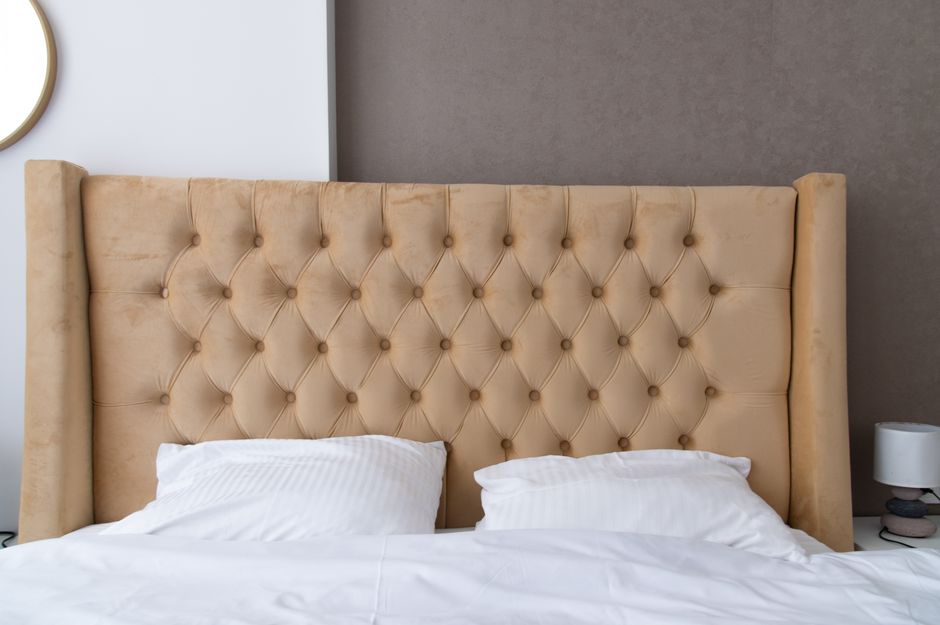
Mattress sizing has remained largely standardized since the mid-20th century, but knowing exact measurements prevents costly mistakes during purchase. Each size serves different purposes and room configurations. The right mattress size impacts sleep quality, comfort, and overall bedroom functionality.
Key Takeaway: Standard mattress sizes range from twin at 38×75 inches to California king at 72×84 inches, with queen being the most popular choice for couples.
How Do Twin and Full Mattresses Compare for Different Sleeping Situations?
Twin mattresses are the smallest standard size and work best for children, teenagers, and single adults in compact spaces. At 38 inches wide, a twin provides minimal lateral space, making it suitable for small bedrooms or dorm rooms. Twin mattresses are also the most affordable option, with lower-cost bed frames and bedding available. They fit easily through doorways and hallways, simplifying delivery and setup. Many parents choose twin mattresses for children’s rooms because they encourage independent sleeping and fit standard bunk bed frames.
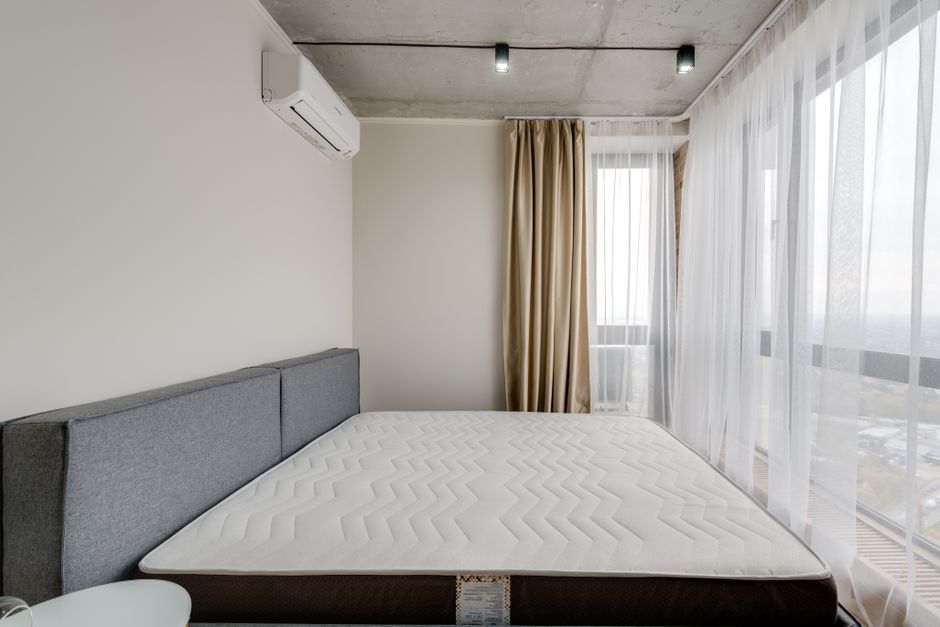
Full mattresses, also called double mattresses, offer 16 additional inches of width compared to twins. This extra space accommodates single adults who prefer more room to move during sleep. Full mattresses work well for guest bedrooms where occasional visitors need comfortable sleeping surfaces. However, full mattresses are cramped for couples, limiting personal space and potentially causing sleep disruptions.
- Twin: 38×75 inches, best for children and single sleepers in small spaces.
- Full: 54×75 inches, ideal for single adults wanting more width.
- Twin mattresses cost significantly less than larger sizes.
- Full mattresses fit in rooms where queens won’t fit.
When Should You Choose a Twin Over a Full?
Choose a twin mattress if your bedroom measures less than 10 feet by 10 feet or if you’re furnishing a child’s room. Twins work perfectly for bunk beds, trundle beds, and daybed configurations. Budget constraints also favor twin selections since they’re the most economical option available in 2026.
Key Takeaway: Twin mattresses suit children and compact spaces, while full mattresses provide better comfort for single adults in slightly larger rooms.
Why Is Queen the Most Popular Mattress Size for Couples?
Queen mattresses dominate the market because they balance comfort, affordability, and bedroom practicality. At 60 inches wide by 80 inches long, queens provide adequate space for couples without requiring oversized bedrooms. Each partner receives 30 inches of width, compared to just 38 inches on a full mattress split between two people. This extra width reduces sleep disruptions from partner movement and improves overall sleep quality. Queens fit standard bedroom dimensions and work with most bed frame styles available in furniture stores.
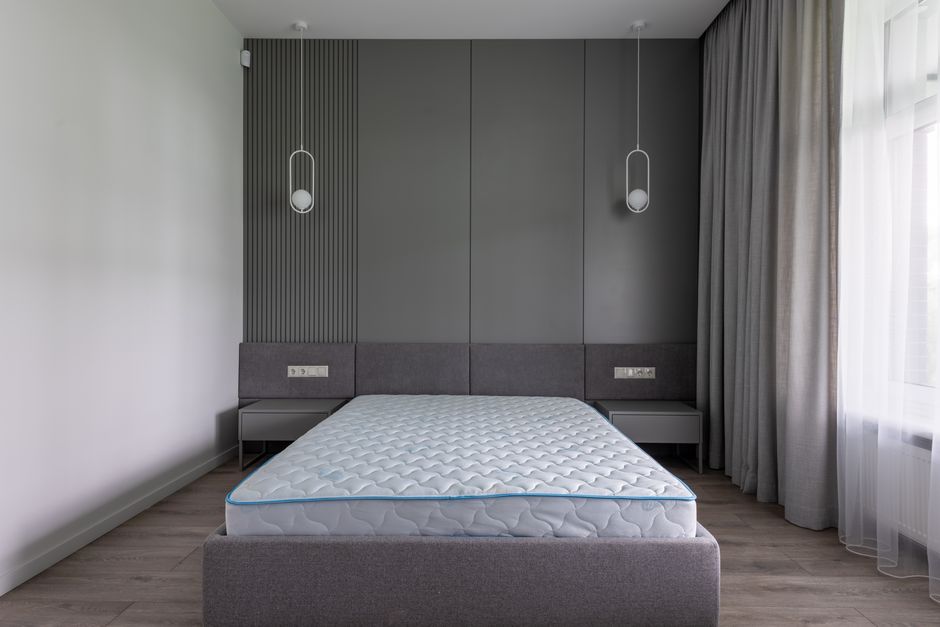
The affordability of queen mattresses makes them accessible to most household budgets. Queen bedding, frames, and accessories are widely available and competitively priced. Moving a queen mattress is manageable for most people, and it fits through standard doorways without difficulty. For these reasons, queens account for approximately 40 percent of all mattress sales in the United States.
What Bedroom Size Works Best for a Queen Mattress?
Queen mattresses fit comfortably in bedrooms measuring at least 10 feet by 12 feet. This size allows space for nightstands, dressers, and movement around the bed. Smaller bedrooms can accommodate queens, but walking space becomes limited. Most interior designers recommend queen mattresses for primary bedrooms in homes with average-sized floor plans.
- Queen mattresses require approximately 120 square feet of bedroom space for comfortable furniture arrangement.
- 60 inches of width provides 30 inches per person for couples.
- Queen bedding and accessories are the most affordable after twin and full sizes.
- Queens fit through standard doorways and hallways during delivery.
Key Takeaway: Queen mattresses are the most popular size because they offer couples comfortable sleeping space at reasonable prices and fit standard bedroom dimensions.
What Are the Advantages of King and California King Mattresses?
King mattresses measure 76 inches wide by 80 inches long, providing maximum comfort for couples and families who occasionally sleep with children. Each partner receives 38 inches of width, equivalent to a full mattress worth of personal space. Kings eliminate most sleep disruptions from partner movement and provide room for pets or children during nighttime visits. The extra width accommodates couples with significantly different sleep styles and temperatures preferences.
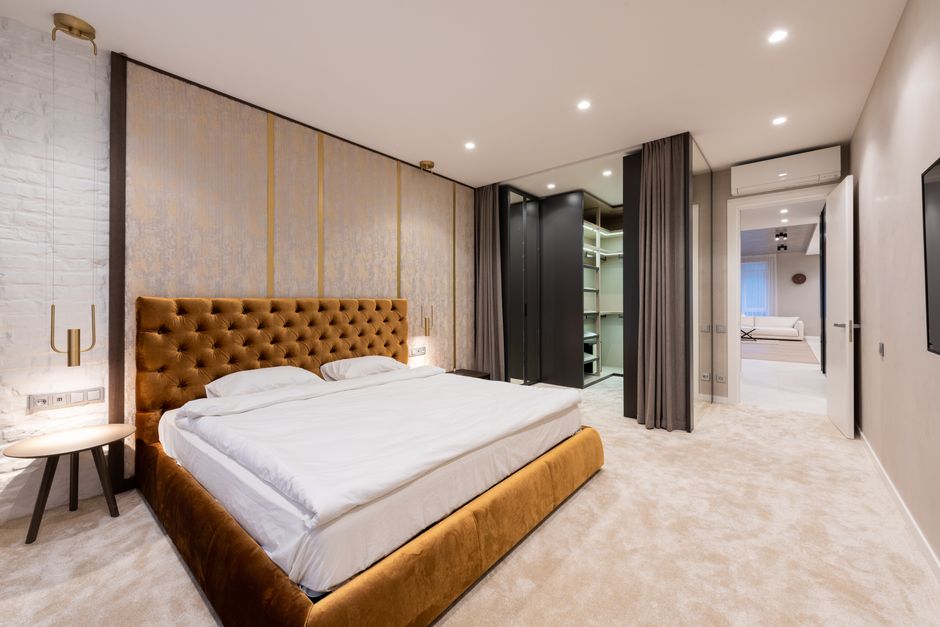
California king mattresses measure 72 inches wide by 84 inches long, offering four additional inches of length compared to standard kings. This extra length benefits taller individuals who exceed 6 feet tall, preventing feet from hanging off the mattress edge. California kings are particularly popular in western states where larger bedrooms are more common. However, California kings are slightly narrower than standard kings, providing 36 inches of width per person.
King vs. California King: Which Should You Choose?
Choose a standard king if your bedroom measures at least 12 feet by 14 feet and you prioritize width over length. Choose a California king if you’re taller than 6 feet or prefer the additional length for stretching. Standard kings fit more easily into traditional bedroom layouts, while California kings work better in master suites with generous dimensions.
- King: 76×80 inches, maximum width for couples and families.
- California King: 72×84 inches, extra length for tall sleepers.
- Kings require bedrooms at least 12×14 feet for comfortable furniture placement.
- California kings are narrower but longer, suiting different bedroom shapes.
- Both sizes are significantly more expensive than queens.
Key Takeaway: King mattresses prioritize width for couples, while California kings prioritize length for taller individuals, with both requiring spacious bedrooms.
How Do You Choose the Right Mattress Size for Your Specific Needs?
Start by measuring your bedroom dimensions and identifying available wall space for the bed. Consider who sleeps in the bed—solo sleepers, couples, families with children, or pets. Evaluate your height and sleeping style, as taller individuals benefit from California kings while side sleepers need adequate width. Think about future needs; if you plan to share your bed more frequently, invest in a larger size. Budget constraints also influence decisions, as prices increase significantly from queens to kings.
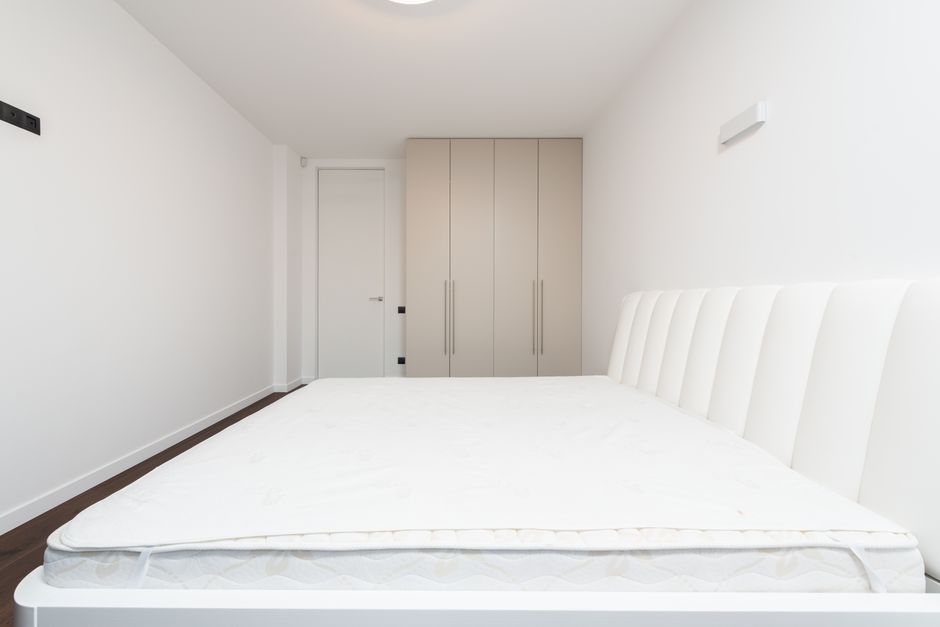
Consider doorway and hallway widths during delivery, as oversized mattresses may require special handling. Visit furniture showrooms to lie on different sizes and experience the actual width and length. Test mattresses with your partner present to ensure both people feel comfortable. Read reviews from mattress manufacturers and retailers to understand how different sizes perform with various body types and sleep positions.
Step-by-Step Guide to Selecting Your Mattress Size
- Measure your bedroom length and width, accounting for furniture placement.
- Identify doorway and hallway dimensions to ensure delivery compatibility.
- Determine sleeping arrangements—solo, couple, or family sleeping patterns.
- Consider your height and whether you need extra length or width.
- Visit showrooms and test mattresses in your preferred sleeping position.
- Compare prices across different sizes to fit your budget.
- Check manufacturer specifications for exact dimensions before purchasing.
Understanding Mattress Depth and Foundation Requirements
Mattress depth affects how much space you need between the bed and ceiling or walls. Standard mattress depths range from 8 to 14 inches, with thicker mattresses requiring deeper bed frames and sheets. Ensure your bed frame accommodates your mattress depth, as mismatches can cause instability. Foundations and box springs must match your mattress size exactly for proper support and warranty coverage.
Key Takeaway: Choose your mattress size by measuring your bedroom, considering sleeping arrangements, testing options in-store, and verifying doorway dimensions for delivery.
What Space and Room Dimensions Do Different Mattress Sizes Require?
Twin mattresses fit in bedrooms as small as 8 feet by 10 feet, leaving adequate space for dressers and movement. Full mattresses require approximately 9 feet by 10 feet of bedroom space for comfortable furniture arrangement. Queen mattresses need at least 10 feet by 12 feet, allowing space for nightstands on both sides. King mattresses require 12 feet by 14 feet or larger, ensuring adequate room for additional furniture and walking space. California kings need similar floor space but benefit from longer, narrower room configurations.
Beyond mattress dimensions, consider the total bedroom layout including doors, windows, and closets. A bedroom that measures exactly 10 feet by 12 feet can technically fit a queen, but you’ll have minimal space for other furniture. Professional interior designers recommend leaving at least 2 feet of walking space on all sides of the bed. This spacing improves bedroom functionality and makes beds easier to make and maintain.
- Twin: 8×10 feet minimum bedroom size for comfortable layout.
- Full: 9×10 feet minimum for single adult sleeping.
- Queen: 10×12 feet minimum for couples with furniture.
- King: 12×14 feet minimum for maximum comfort and furniture.
- California King: 12×14 feet minimum with longer room preferred.
Maximizing Space with the Right Mattress Size
Choose a slightly smaller mattress if your bedroom is compact but you need to accommodate multiple furniture pieces. Platform beds and low-profile frames create visual space in smaller rooms. Wall-mounted nightstands eliminate floor space requirements. Vertical storage solutions like tall dressers and shelving maximize usable bedroom area while maintaining adequate walking space.
Key Takeaway: Match your mattress size to bedroom dimensions, allowing at least 2 feet of walking space around the bed for functionality and comfort.
How Do Mattress Sizes Affect Pricing and Long-Term Value?
Twin mattresses are the most affordable, ranging from $300 to $800 for quality options in 2026. Full mattresses cost between $400 and $1,000, providing slightly better value per square inch. Queen mattresses range from $600 to $2,000, with the widest selection of brands and price points available. King mattresses typically cost $1,000 to $3,000, while California kings range from $1,200 to $3,500. Price increases reflect additional materials, manufacturing complexity, and market demand for larger sizes.
Consider long-term value when comparing mattress sizes. A larger mattress may cost more initially but provides better comfort and durability for couples, potentially lasting longer due to reduced wear patterns. Smaller mattresses wear faster when two people share them, requiring replacement sooner. Evaluate your mattress lifespan expectations and how often you plan to upgrade. For detailed information on mattress longevity, check our guide on how long mattresses should actually last.
- Twin mattresses: $300–$800, most economical option.
- Full mattresses: $400–$1,000, moderate pricing.
- Queen mattresses: $600–$2,000, widest selection and best value.
- King mattresses: $1,000–$3,000, premium pricing.
- California King: $1,200–$3,500, highest cost.
Budgeting for Mattress Accessories and Bedding
Larger mattresses require more expensive bedding, sheets, and mattress protectors. Twin bedding costs significantly less than king-sized sheets and comforters. Factor in bed frame costs, as larger mattresses need sturdier, more expensive frames. Mattress protectors and toppers add $100 to $500 depending on size and quality. Budget for these additional costs when calculating total mattress investment.
Key Takeaway: Mattress pricing increases significantly from twin to California king, with larger sizes requiring additional spending on bedding and accessories.
What Mattress Size Is Best for Different Sleeping Positions and Body Types?
Side sleepers benefit from wider mattresses because they need space to curl comfortably without disturbing partners. Back sleepers require adequate length to prevent feet from hanging off edges. Stomach sleepers need firm support and benefit from larger mattresses that distribute body weight evenly. Taller individuals exceeding 6 feet tall should prioritize mattress length, making California kings ideal choices. Heavier individuals benefit from larger mattresses that distribute weight more evenly and reduce pressure points.
Couples with different sleep positions and body types should prioritize larger mattresses to minimize disruptions. A 200-pound person and a 130-pound person on a queen mattress creates uneven weight distribution and potential sagging. King mattresses provide better support for couples with significant weight differences. For specific guidance on firmness preferences, explore our article on mattress firmness for side sleepers.
- Side sleepers: Queen or larger for comfortable positioning.
- Back sleepers: Full length mattresses to prevent feet overhang.
- Stomach sleepers: Firmer support on larger mattresses.
- Tall individuals (6+ feet): California king for extra length.
- Heavier sleepers: King or California king for weight distribution.
- Couples: King or larger to minimize sleep disruptions.
Testing Mattress Sizes for Your Sleeping Position
Visit mattress showrooms and test different sizes in your preferred sleeping position. Lie on the mattress for at least 10 minutes to assess comfort and space adequacy. If you sleep with a partner, test together to ensure both feel comfortable. Pay attention to edge support and how the mattress handles weight distribution. Ask sales representatives about trial periods that allow you to test mattresses at home before committing to purchase.
Key Takeaway: Match mattress size to your sleeping position and body type, with larger sizes benefiting side sleepers, taller individuals, and couples with different body sizes.
How Should You Prepare Your Bedroom for a New Mattress Size?
Before purchasing a new mattress, ensure your bedroom can accommodate it comfortably. Measure doorways, hallways, and stairwells to verify the mattress can be delivered without damage. Confirm your bed frame dimensions match your chosen mattress size exactly. Remove obstacles from delivery routes, including furniture, rugs, and decorative items. Check ceiling height if you have tall bed frames or canopies that might interfere with larger mattresses.
Prepare your foundation or box spring to match your new mattress size. Old foundations from different-sized mattresses won’t provide adequate support. Consider upgrading to a platform bed or adjustable base if your current frame is incompatible. Plan for bedding replacement, as your new mattress size will require different sheet dimensions. For additional information on mattress setup, review our guide on mattress expansion times.
- Measure doorways and hallways for delivery clearance.
- Verify bed frame dimensions match your mattress size.
- Clear delivery routes of furniture and obstacles.
- Confirm ceiling height accommodates your bed setup.
- Purchase new bedding in the correct mattress size.
- Arrange foundation or box spring replacement if needed.
Key Takeaway: Prepare your bedroom by measuring delivery spaces, upgrading foundations, and purchasing appropriately-sized bedding before your new mattress arrives.
What Are Common Mistakes People Make When Choosing Mattress Sizes?
The most common mistake is selecting a mattress without measuring bedroom dimensions first. Many people purchase king mattresses only to discover they don’t fit through doorways or leave no walking space. Another frequent error is ignoring mattress depth when selecting bed frames, resulting in unstable or incompatible setups. Some couples compromise on queen mattresses when their bedroom could accommodate kings, limiting sleep quality for both partners.
People often underestimate the cost of accessories for larger mattresses, leading to budget overruns. Failing to test mattresses in-store before purchasing results in comfort dissatisfaction. Some buyers ignore future needs, selecting smaller mattresses they’ll outgrow within years. Not accounting for partner sleep styles causes couples to choose inappropriately sized mattresses that create disruptions. Always prioritize proper measurements and in-store testing to avoid these costly mistakes.
- Failing to measure bedroom dimensions before purchasing.
- Ignoring mattress depth compatibility with bed frames.
- Compromising on size to reduce costs without testing comfort.
- Underestimating bedding and accessory expenses.
- Purchasing without testing in-store first.
- Ignoring partner sleep styles and body size differences.
Key Takeaway: Avoid mattress size mistakes by measuring your space, testing in-store, considering partner needs, and budgeting for accessories before purchasing.
Frequently Asked Questions
What is the most popular mattress size in 2026?
Queen mattresses remain the most popular choice, accounting for approximately 40 percent of mattress sales. Queens balance comfort, affordability, and bedroom practicality for couples and single adults. They fit standard bedroom dimensions and offer excellent value compared to king-sized options. Most furniture retailers stock the widest selection of queen-sized mattresses and bedding accessories.
Can you fit a king mattress in a 12×12 bedroom?
Technically, a 76-inch king fits in a 12×12 bedroom, but you’ll have minimal walking space and limited furniture options. Professional designers recommend at least 12×14 feet for comfortable king mattress placement. A 12×12 bedroom is better suited for a queen mattress that allows adequate space for dressers, nightstands, and movement. Measure your specific room layout before deciding.
What’s the difference between a California king and a regular king?
California kings measure 72 inches wide by 84 inches long, while regular kings are 76 inches wide by 80 inches long. California kings offer four extra inches of length, benefiting taller sleepers, but are four inches narrower. Standard kings provide more width for couples, while California kings suit longer room configurations. Choose based on your height and bedroom dimensions.
Is a full mattress big enough for a couple?
Full mattresses are cramped for couples, providing only 27 inches of width per person compared to 30 inches on a queen. Partners frequently disturb each other’s sleep on full mattresses due to limited space. Most sleep experts recommend queen mattresses as the minimum for couples seeking adequate comfort. Full mattresses work better for single adults who prefer extra width.
How much does mattress size affect sleep quality?
Mattress size significantly impacts sleep quality, especially for couples and taller individuals. Inadequate width increases sleep disruptions from partner movement, reducing overall rest quality. Insufficient length causes feet to hang off edges, creating discomfort and poor spinal alignment. Choosing the right size improves sleep duration and quality by providing adequate space and support for your body type.
What mattress size fits through a standard doorway?
All standard mattress sizes fit through typical 36-inch doorways when delivered properly. Mattresses are rolled and compressed during delivery, allowing passage through standard openings. However, verify hallway widths and corner clearances, as tight spaces may require professional maneuvering. Always confirm delivery routes with your mattress retailer before purchasing, especially for king-sized options.
How Should You Finalize Your Mattress Size Decision in 2026?
Make your final mattress size decision by combining bedroom measurements, sleeping needs, budget constraints, and in-store testing. Create a prioritized list of your must-haves—whether that’s maximum width for couples, extra length for tall sleepers, or affordability for budget-conscious buyers. Compare your top choices across multiple retailers to find the best pricing and warranty options. Read customer reviews from verified purchasers to understand how different sizes perform in real-world situations with various body types and sleeping styles.
Schedule delivery at a time when you can be present to verify the mattress fits properly and arrives undamaged. Plan your bedroom furniture arrangement before the mattress arrives, ensuring adequate space for nightstands, dressers, and movement. Purchase appropriately-sized bedding and a mattress protector immediately after delivery. Consider exploring complementary sleep products like adjustable bases or pillows that enhance your new mattress investment. For insights on adjusting to a new mattress, read our article on adjustment periods for new mattresses.
Remember that mattress selection is a long-term investment affecting your health and sleep quality for years. Take time to make an informed decision rather than rushing into a purchase. Visit multiple showrooms, test different sizes, and ask detailed questions about materials, construction, and warranty coverage. Your mattress size choice today influences your sleep comfort, bedroom functionality, and overall well-being throughout the lifespan of your mattress. Make this decision thoughtfully and with confidence.
Key Takeaway: Finalize your mattress size choice by measuring your space, testing options, comparing prices, reading reviews, and planning your bedroom layout before delivery.










Write Your Review
No reviews yet. Be the first to share your experience!