

Which Dining Table Shape Works Best for Small Rooms in 2026?
Round and rectangular dining tables each offer distinct advantages for compact spaces. Round tables maximize conversation flow and require less clearance on certain sides. Rectangular tables provide more seating in a narrower footprint and fit naturally against walls. The best choice depends on your room dimensions, seating needs, and traffic patterns. Small rooms demand strategic furniture selection to avoid feeling cramped. Understanding these shape differences helps you choose a table that enhances both functionality and aesthetics. This guide compares both options across space efficiency, seating capacity, visual impact, and practical considerations for 2026 dining spaces.
How Do Round Dining Tables Maximize Space in Small Rooms?
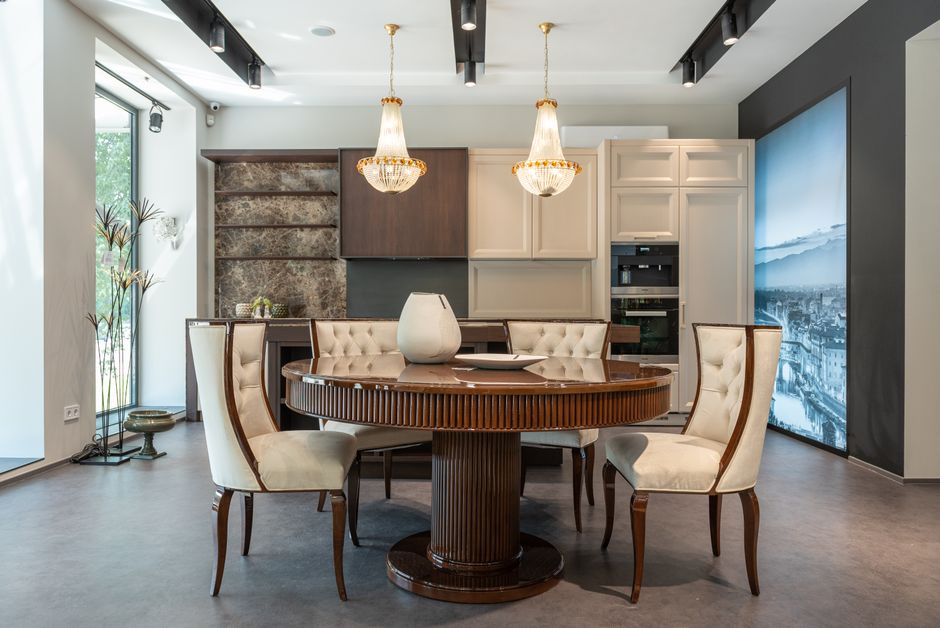
Round tables excel at creating intimate gathering spaces without consuming excessive floor area. Their continuous edge eliminates sharp corners that protrude into walkways. A 48-inch round table seats four to six people comfortably while occupying roughly 18 square feet. Round tables work exceptionally well in open-concept layouts where multiple rooms flow together. They encourage face-to-face conversation since no one sits at a head or foot. This democratic seating arrangement suits modern living where equality and connection matter.
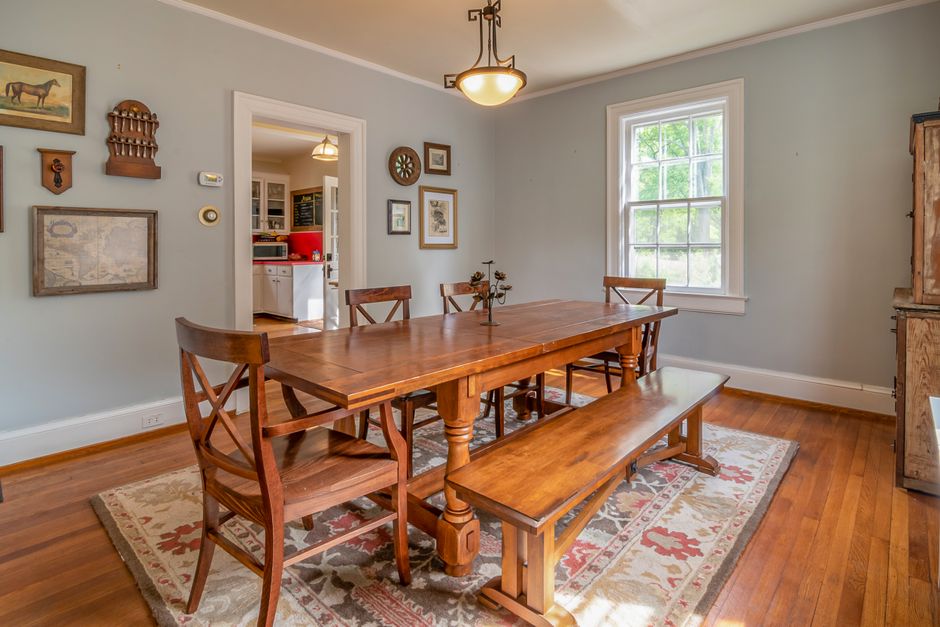
The circular design reduces the visual footprint compared to rectangular alternatives of similar seating capacity. Round tables feel less imposing in narrow dining areas or alcoves. They create natural traffic flow around the perimeter without forcing you into awkward navigation patterns. When positioned centrally, round tables become sculptural focal points rather than space dividers.
Round Table Advantages for Compact Spaces
- No sharp corners means safer navigation in tight quarters.
- 360-degree accessibility allows seating from any angle.
- Smaller footprint than rectangular tables with equivalent seating.
- Better sightlines—everyone sees everyone across the table.
- Easier to add or remove chairs without repositioning the table.
Key Takeaway: Round tables maximize usable floor space while promoting natural conversation flow in small dining areas.
What Are the Benefits of Rectangular Dining Tables in Limited Space?
Rectangular tables offer practical advantages when your small room has specific dimensions or layout constraints. A 36-by-60-inch rectangular table seats six people in a footprint that fits narrow rooms better than round alternatives. Rectangular designs align naturally with walls, creating efficient use of perimeter space. This configuration works especially well in galley-style dining areas or rooms with architectural features like fireplaces or windows. Many people find rectangular tables more versatile for everyday living. They accommodate place settings in straight lines, simplifying table setting and clearing routines.
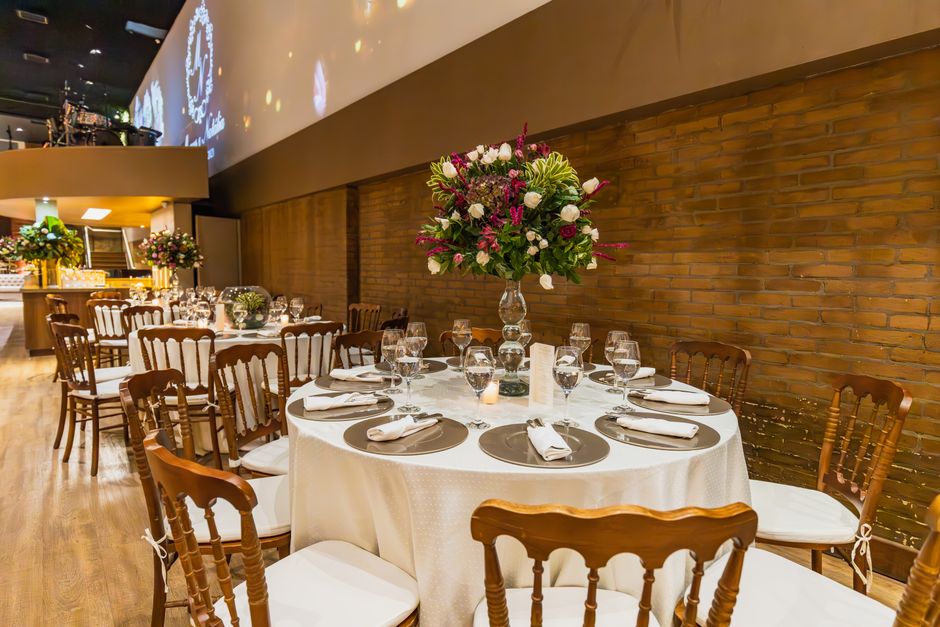
Rectangular tables work well when you need to position the table against a wall to open up floor space. This arrangement lets you use the wall as a natural boundary rather than wasting valuable room area. Narrow rectangular tables (under 36 inches wide) fit snugly in studio apartments or open-concept kitchens. You can pull chairs from only one or two sides without feeling cramped. For families who eat at the same spot daily, rectangular tables provide predictable, organized seating.
Rectangular Table Advantages for Small Spaces
- Fits naturally against walls to maximize floor area.
- Accommodates narrow rooms without protruding into walkways.
- Provides organized, linear seating arrangements.
- Works well with bench seating on one or both sides.
- Allows flexible positioning for multifunctional rooms.
Key Takeaway: Rectangular tables maximize wall-adjacent space and work better in rooms with specific architectural constraints.
How Much Clearance Does Each Table Shape Actually Require?
Clearance requirements differ significantly between round and rectangular tables in small rooms. Round tables need uniform clearance on all sides—typically 36 to 48 inches from the table edge to walls or furniture. This means a 48-inch round table requires a minimum room space of 120 to 144 inches in diameter. Rectangular tables need less perimeter clearance because you typically access them from two sides only. A 36-by-60-inch rectangular table needs 36 inches of clearance on the long sides and 48 inches on the short ends.

For detailed guidance on spacing requirements, consult our complete dining table clearance guide. Proper clearance prevents chairs from scraping walls or blocking doorways. In rooms under 120 square feet, rectangular tables often prove more practical. Round tables work better when you have roughly equal dimensions in length and width. Measure your room carefully before purchasing any table to avoid costly mistakes.
Clearance Comparison by Table Type
- 48-inch round table: Needs 120-144 inch diameter space; seats 4-6 people.
- 36×60-inch rectangular table: Needs 108-132 inches long, 84-96 inches wide; seats 6-8 people.
- 36×48-inch rectangular table: Needs 96-120 inches long, 72-84 inches wide; seats 4-6 people.
- Round tables: Require uniform clearance on all sides.
- Rectangular tables: Allow asymmetrical clearance (less on long sides).
Key Takeaway: Rectangular tables need less total clearance in long, narrow rooms; round tables work best in square or open spaces.
Which Shape Accommodates More Seating in Small Rooms?
Seating capacity depends on table size and your comfort preferences. A 48-inch round table seats four to six people with standard 18-inch place settings. Pushing chairs closer allows seven to eight people, but creates crowding and discomfort. Rectangular tables pack more seating into comparable floor space. A 36-by-60-inch rectangular table seats six to eight people comfortably, and can accommodate ten in tight quarters. Narrower rectangular tables (under 36 inches wide) seat four to six people but feel less cramped on the sides.
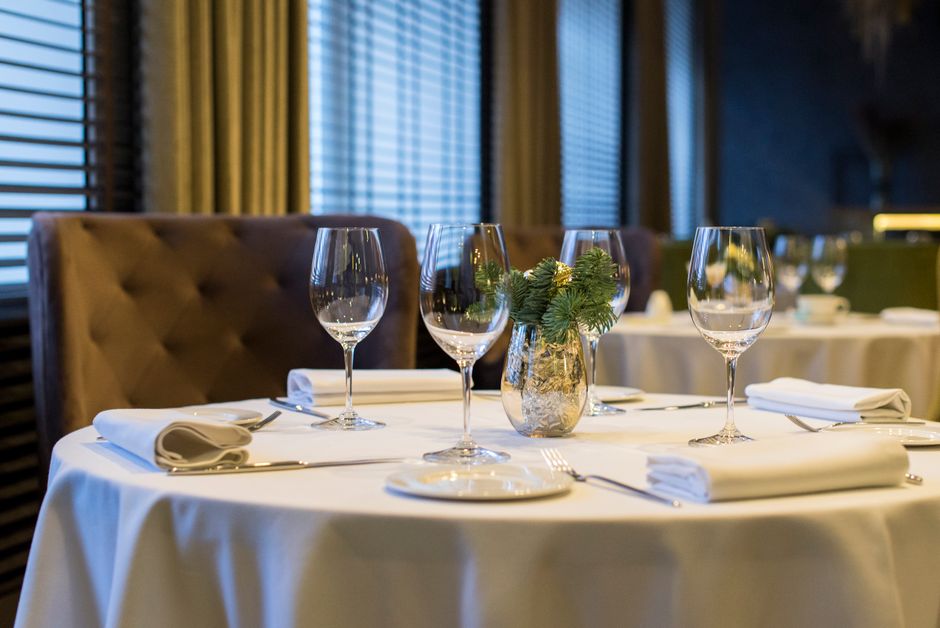
For small rooms where occasional entertaining matters more than daily dining, round tables suffice. If your household includes more than four people or you frequently host dinners, rectangular tables provide practical advantages. Bench seating on rectangular tables increases capacity without adding chair bulk. Benches tuck completely under the table, freeing floor space when not in use. Consider your actual entertaining frequency and guest count before prioritizing maximum seating.
Typical Seating Capacity by Table Size
- 42-inch round: 4 people comfortably, 5-6 with tight spacing.
- 48-inch round: 6 people comfortably, 7-8 squeezed.
- 36×48-inch rectangular: 4-6 people depending on chair width.
- 36×60-inch rectangular: 6-8 people comfortably, 10 in tight conditions.
- Bench seating: Adds 1-2 extra seats while maintaining floor space.
Key Takeaway: Rectangular tables seat more people in comparable floor space; choose based on your actual entertaining needs, not maximum potential.
How Do Visual Impact and Design Influence Your Choice?
The table shape dramatically affects how your small room feels visually. Round tables create softer, more approachable aesthetics. They feel less formal and institutional than rectangular alternatives. Round tables work beautifully in mid-century modern, contemporary, and eclectic design schemes. The curved silhouette draws the eye and becomes a sculptural focal point. In small rooms, this visual interest can make the space feel intentional rather than cramped. Round tables pair well with statement lighting fixtures positioned directly above the center.
Rectangular tables project order and formality. They suit traditional, farmhouse, and minimalist interiors. The linear design emphasizes architectural structure and creates visual lines that extend the room. In narrow spaces, a rectangular table can make the room feel longer and more purposeful. However, rectangular tables can feel heavy in very small rooms if they consume more than one-third of the floor area. Choose a table height and base style that complements your existing décor. Pedestal bases (round or rectangular) take up less visual weight than four-legged designs.
Design Considerations by Room Style
- Modern/contemporary: Round tables feel lighter; rectangular tables look intentional and organized.
- Traditional: Rectangular tables with four legs create classic formality; round tables feel casual.
- Farmhouse: Rectangular tables with benches suit this aesthetic perfectly.
- Minimalist: Pedestal-base tables (either shape) reduce visual clutter.
- Eclectic: Round tables work better as sculptural focal points.
Key Takeaway: Round tables feel lighter and more sculptural; rectangular tables project order and formality—choose based on your design aesthetic.
What Practical Considerations Should Guide Your Decision?
Beyond size and style, daily functionality determines the best table choice. Round tables work well for households where multiple people use the dining space for different activities. The open center allows easy passage and doesn’t block sightlines. Rectangular tables suit homes where one person typically sits at the head—perhaps for homework, work-from-home tasks, or family hierarchy. If you need the table for both dining and other purposes, rectangular tables provide better work surfaces for spreading out papers or projects.
Storage and expandability matter in small spaces. Some round tables come with leaves that expand to oval shapes, offering flexibility. Rectangular tables often expand more easily by adding leaves in the center. If your family might grow or you entertain frequently, consider expansion capability. In very small rooms (under 100 square feet), a 36-inch round table or a 30-by-48-inch rectangular table maximizes flexibility without overwhelming the space. Test how chairs fit when pulled back before purchasing—this determines actual usability in your specific room.
Practical Decision Factors
- Measure your room’s exact dimensions before shopping; don’t estimate.
- Test chair clearance by sitting and pushing back—aim for 12-18 inches behind the chair.
- Consider whether you’ll position the table against a wall or in the room’s center.
- Evaluate expandability if your household or entertaining needs might change.
- Think about daily use: work, homework, crafts, or primarily dining.
- Choose base styles that don’t block leg room (pedestal bases work best).
Key Takeaway: Measure precisely, test chair clearance, and prioritize your actual daily use patterns over theoretical maximum capacity.
How Can You Optimize Your Small Dining Space Regardless of Table Shape?
The right table shape matters less than how you arrange the entire dining area. Use vertical space with wall-mounted shelving or artwork to draw eyes upward. This visual trick makes small rooms feel larger and less cluttered. Choose chairs with open frames rather than solid backs—this reduces visual bulk and improves sightlines. Upholstered chairs take up less visual space than wooden dining chairs. Consider a bench on one side of a rectangular table to save floor space and create cozy seating.
Lighting transforms small dining spaces dramatically. A pendant light directly above the table creates a contained, intentional zone within a larger room. This works equally well with round or rectangular tables. Mirrors opposite windows bounce light around the room and create the illusion of more space. In open-concept layouts, define the dining area with a rug that extends slightly beyond the table on all sides. This anchors the space without requiring physical barriers. Keep the dining area uncluttered by storing serving pieces and linens elsewhere.
Space-Maximizing Tips for Small Dining Areas
- Use wall-mounted shelving to store dishes and free up floor space.
- Choose chairs with open frames or upholstered designs over solid wooden backs.
- Install a pendant light directly above the table to define the zone.
- Use mirrors to reflect light and create visual depth.
- Add a dining rug to anchor the space without taking up room.
- Keep the area uncluttered by storing linens and serving pieces elsewhere.
Key Takeaway: Strategic lighting, vertical storage, and open-frame furniture maximize small dining spaces more effectively than table shape alone.
Frequently Asked Questions
Does a round table really save space compared to a rectangular table?
Not always. A round table’s space savings depend on seating needs. A 48-inch round table seats six people and needs roughly the same floor area as a 36-by-60-inch rectangular table, which also seats six. However, round tables require uniform clearance on all sides, while rectangular tables allow asymmetrical clearance. In narrow rooms, rectangular tables often prove more efficient. Choose based on your room’s shape and dimensions, not assumptions about round tables being universally smaller.
Can you fit a round table against a wall in a small room?
Yes, but it wastes the table’s advantages. Round tables lose their 360-degree accessibility when pushed against a wall. You’ll only access three sides effectively, reducing seating options. Rectangular tables naturally fit against walls and maintain full functionality. If wall placement is necessary due to room dimensions, a rectangular table is the better choice. Round tables perform best when positioned centrally in the room or in open-concept spaces.
What’s the smallest dining table size suitable for small rooms?
The smallest practical round table is 36 inches in diameter, seating three to four people. For rectangular tables, 30-by-48 inches accommodates four people comfortably. Tables smaller than these feel cramped and limit functionality. If your space cannot accommodate a 36-inch round or 30-by-48-inch rectangular table, consider a wall-mounted drop-leaf table or console table that doubles as a workspace. These alternatives work better than undersized permanent tables in extremely tight quarters.
Should I choose round or rectangular based on my room’s shape?
Yes, room shape significantly influences the best choice. Square or roughly square rooms work beautifully with round tables, which echo the room’s proportions. Long, narrow rooms suit rectangular tables that align with the room’s lines. In L-shaped or irregularly shaped rooms, measure carefully to determine which table fits most naturally. The table should complement your room’s existing geometry rather than fight against it. This approach creates visual harmony and maximizes usable space.
Can you expand round tables with leaves like rectangular tables?
Some round tables expand to oval shapes with removable leaves, but this conversion is less seamless than rectangular table expansion. Oval tables lose the round table’s visual cohesion and require more clearance space. If expandability matters for your household, rectangular tables with center leaves offer more practical flexibility. However, if you rarely entertain large groups, a fixed round table size works fine and eliminates storage concerns for unused leaves.
What base style works best for small-room dining tables?
Pedestal bases (single center post) work best in small rooms because they don’t block leg room and feel less visually heavy than four-legged designs. Pedestal bases work equally well with round and rectangular tables. If you prefer four-legged tables, choose designs with slim, tapered legs rather than chunky blocks. Avoid tables with aprons (thick frames connecting the legs) because these reduce leg room and make seating feel cramped. The base style matters more than table shape for maximizing usable space.
Which Dining Table Shape Should You Choose for Your Small Room in 2026?
Choosing between round and rectangular dining tables requires honest assessment of your room’s dimensions, daily use patterns, and design preferences. Round tables excel in open-concept spaces and create softer, more conversational atmospheres. They work best when positioned centrally and require uniform clearance on all sides. Rectangular tables maximize space efficiency in narrow rooms, align naturally with walls, and accommodate more seating in comparable floor area. They suit traditional and farmhouse aesthetics while providing organized, linear functionality.
The best choice depends entirely on your specific circumstances. Measure your room precisely, test chair clearance, and consider how you actually use the dining space daily. Rectangular tables prove more practical for most small rooms because they adapt to various layouts and maximize wall-adjacent space. However, if your room is roughly square and you prioritize conversation flow over maximum seating, a round table creates a more intentional, sculptural focal point. Whatever shape you choose, invest in quality construction and timeless design—good furniture transcends trends and justifies the investment in small spaces where every piece matters significantly.
Key Takeaway: Measure your specific room dimensions and daily needs; rectangular tables typically work better in small spaces, but round tables create superior conversation flow and visual interest.


Write Your Review
No reviews yet. Be the first to share your experience!