

Are Sleeper Sofas Comfortable to Actually Sleep On in 2026? Quick Answer
Sleeper sofas have improved dramatically by 2026, but comfort depends entirely on mattress quality, frame construction, and your personal sleep needs. Modern sleeper sofas with premium memory foam mattresses and sturdy mechanisms can rival traditional beds for occasional guests. However, budget models with thin innerspring mattresses often disappoint nightly sleepers. The best sleeper sofas combine a quality 5-7 inch mattress, reinforced steel frames, and smooth opening mechanisms. If you sleep on one regularly, expect to invest $1,200-$2,500 for genuine comfort. Occasional use with a premium model works well; daily use demands professional-grade construction.
The sleeper sofa market transformed significantly between 2020 and 2026. Manufacturers now prioritize sleep comfort alongside seating functionality. Brands invested in better mattress technology, improved mechanisms, and ergonomic design. Today’s best models feature gel-infused memory foam, adjustable firmness options, and queen-size sleeping surfaces. However, budget constraints still exist for affordable options. Understanding what separates comfortable sleeper sofas from poor performers helps you make an informed purchase decision for your home.
Key Takeaway: Modern sleeper sofas can be genuinely comfortable if you prioritize mattress quality and frame durability over price.
What Makes a Sleeper Sofa Comfortable for Actual Sleep?
Comfort in sleeper sofas depends on five critical factors working together. The mattress thickness determines initial comfort level and long-term durability. A quality frame prevents sagging and maintains structural integrity. The opening mechanism must operate smoothly without pinching or jerking. Cushion density affects how well the sofa supports your body during sleep. Finally, the overall dimensions matter—a cramped sleeping surface frustrates taller people or couples.
Most sleeper sofas fail comfort tests because manufacturers compromise on these fundamentals. Budget models use thin 4-inch mattresses that feel like sleeping on a board. Flimsy frames collapse after months of regular use. Jerky mechanisms make opening and closing the bed a frustrating chore. Premium sleeper sofas address each factor systematically to deliver genuine sleep comfort.
Mattress Quality and Thickness Standards
The mattress is the most important component for sleep comfort. Sleeper sofa mattresses range from 4 inches to 8 inches thick. Thicker mattresses provide better support and cushioning for your body. Memory foam mattresses outperform traditional innerspring options significantly. Gel-infused memory foam sleeps cooler, solving the common complaint of overheating during sleep. A quality 6-7 inch memory foam mattress costs more but delivers years of comfortable sleep.
- 4-inch mattresses: Budget option, uncomfortable for nightly use, acceptable for occasional guests.
- 5-6 inch mattresses: Standard comfort level, suitable for regular use, better support than thin options.
- 7-8 inch mattresses: Premium comfort, comparable to traditional beds, best for daily sleepers.
- Memory foam: Superior comfort, temperature regulation, longer lifespan than innerspring.
- Gel-infused foam: Cooler sleeping surface, prevents heat buildup, ideal for hot climates.
Key Takeaway: Choose at least a 6-inch memory foam mattress if you plan regular sleep on your sleeper sofa.
Frame Construction and Durability
The frame determines how long your sleeper sofa survives daily use. Hardwood frames last longer than plywood or particle board. Steel mechanisms for opening and closing require less maintenance than plastic hinges. Reinforced corners and joints prevent wobbling and structural failure. Quality brands use kiln-dried hardwood for stability and longevity. Budget frames often use staples instead of screws, leading to joint separation after months of use.
A sturdy frame prevents the mattress from sagging into uncomfortable valleys. Proper support extends mattress lifespan by 5-10 years. Check the warranty—reputable brands offer 5-year warranties on frames, indicating confidence in construction quality. Look for sleeper sofas with corner blocks and cross-bracing for maximum stability.
How Do Different Sleeper Sofa Mechanisms Compare for Comfort?
The opening mechanism dramatically affects your daily experience with a sleeper sofa. Pull-out models slide the mattress forward on wheels or rails. Click-clack designs fold the seat back into a bed position. Futon-style mechanisms rotate the cushion. Each system has comfort and usability tradeoffs. Smooth mechanisms require less effort and reduce wear on the mattress. Jerky or sticky mechanisms frustrate users and damage fabric over time.
Modern mechanisms in 2026 feature ball-bearing wheels and precision-engineered rails. Premium models open and close with one-hand operation. Budget mechanisms stick, squeak, or require two people to operate safely. Test the mechanism multiple times before purchasing—it must operate smoothly without grinding sounds or resistance.
Popular Mechanism Types and Comfort Ratings
- Pull-out beds: Smooth operation, good mattress support, requires floor space in front of sofa.
- Click-clack convertibles: Compact design, easy operation, less comfortable for side sleepers.
- Futon-style: Space-efficient, simple mechanism, thinner mattress options reduce comfort.
- Sleeper sectionals: Generous sleeping surface, comfortable for couples, requires more floor space.
- Ottoman storage sleepers: Dual functionality, hidden storage, smaller sleeping area than full sleepers.
Pull-out mechanisms generally rank highest for comfort because they provide full mattress support. The mattress doesn’t fold or compress, maintaining consistent firmness. Click-clack models work well for occasional use but feel less stable for nightly sleepers. Test each mechanism type in person—comfort preferences vary significantly between individuals.
Key Takeaway: Pull-out mechanisms offer the most comfortable sleep experience compared to folding designs.
What Do Sleep Experts Say About Sleeper Sofa Comfort in 2026?
Sleep researchers recognize that sleeper sofas can support healthy sleep when properly designed. Sleep Foundation recommends firmness levels between 5-7 on a 10-point scale for optimal spinal alignment. Sleeper sofas with quality memory foam typically fall in this range. However, experts emphasize that mattress thickness matters less than overall support quality. A 5-inch premium memory foam mattress outperforms a 7-inch budget innerspring mattress significantly.
Chiropractors note that sleeper sofas with inadequate support cause morning back pain. The gap between the sofa frame and mattress can create uncomfortable pressure points. Premium sleeper sofas address this with reinforced frames and thicker padding. For people with existing back conditions, a traditional bed remains superior. However, occasional guests sleeping on a quality sleeper sofa experience minimal discomfort.
How Can You Maximize Comfort on Your Sleeper Sofa?
Even budget sleeper sofas improve significantly with simple additions. A quality mattress topper adds 2-3 inches of cushioning for minimal cost. Supportive pillows reduce neck strain and improve sleep quality. Breathable sheets regulate temperature and prevent overheating. A mattress protector extends lifespan and maintains hygiene. These upgrades cost $150-$400 combined but dramatically improve comfort levels.
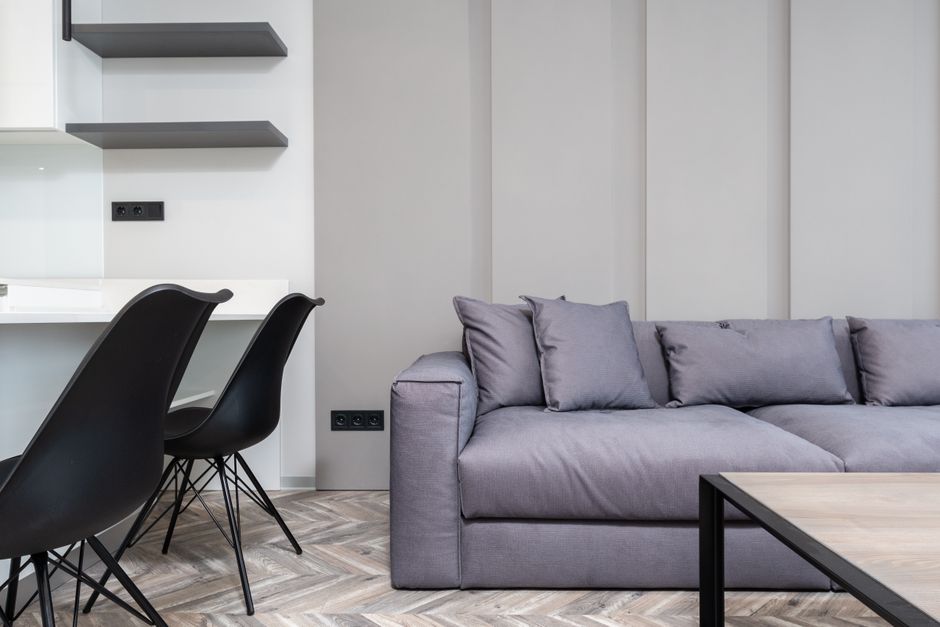
Proper setup matters as much as the sofa itself. Ensure the bed opens completely flat without gaps or angles. Position pillows to support your neck and shoulders properly. Use a blanket for temperature regulation—sleeper sofas often feel cooler than traditional beds. Allow adequate ventilation around the sofa to prevent moisture buildup in the mattress.
Practical Upgrades for Better Sleep Comfort
- Mattress toppers: Add 2-3 inches of memory foam padding, cost $80-$200, improve comfort significantly.
- Quality pillows: Invest in ergonomic pillows designed for side or back sleeping, $40-$100 each.
- Breathable sheets: Use 100% cotton or bamboo sheets, improve temperature regulation, $50-$150 per set.
- Mattress protector: Waterproof cover extends mattress life, prevents stains, cost $30-$80.
- Under-bed storage: Reduces clutter around sofa, improves airflow, maintains structural integrity.
Consider your sleep position when selecting upgrades. Back sleepers need firmer support under the lumbar region. Side sleepers require softer cushioning around shoulders and hips. Stomach sleepers benefit from thinner pillows to maintain neck alignment. Customize your sleeper sofa setup based on your specific sleep needs.
Key Takeaway: A quality mattress topper and proper bedding transform even budget sleeper sofas into comfortable sleep surfaces.
Which Price Range Delivers the Best Comfort-to-Value Ratio?
Budget sleeper sofas under $600 typically disappoint regular sleepers. The mattresses are thin, frames lack reinforcement, and mechanisms operate roughly. These work for occasional overnight guests but not for nightly use. Mid-range sleeper sofas between $800-$1,500 offer genuine comfort for regular use. They feature 5-6 inch memory foam mattresses and sturdy hardwood frames. Premium sleeper sofas from $1,500-$2,500 deliver the best comfort, rivaling traditional beds for daily sleep.
The best value sleeper sofas fall in the $1,000-$1,500 range. They balance quality construction with reasonable pricing. Expect a 6-inch memory foam mattress, hardwood frame, and smooth pull-out mechanism. Brands like Room & Board, West Elm, and Article offer excellent comfort at this price point. For budget-conscious buyers, waiting for sales events can reduce prices by 20-30%.
Price Breakdown by Comfort Level
- Under $600: Budget option, thin mattress, basic frame, occasional use only.
- $600-$1,000: Entry-level comfort, 5-inch mattress, acceptable for monthly guests.
- $1,000-$1,500: Mid-range quality, 6-inch memory foam, suitable for regular use.
- $1,500-$2,500: Premium comfort, 7-8 inch mattress, comparable to traditional beds.
- Over $2,500: Luxury options, customizable features, investment-grade construction.
When comparing prices, factor in warranty coverage and return policies. Brands offering 5-year warranties indicate confidence in product quality. 30-day return policies let you test comfort before committing. Some retailers offer free delivery and setup, adding value to higher-priced models.
Key Takeaway: Invest $1,000-$1,500 for a sleeper sofa that delivers genuine comfort for regular use.
Are Sleeper Sofas Better Than Alternative Space-Saving Bed Options?
Sleeper sofas compete with several alternatives for small-space living. Murphy beds offer more sleeping space but require wall installation and higher upfront costs. Air mattresses are portable but uncomfortable for regular sleep. Futons work for occasional use but lack the comfort of quality sleeper sofas. Daybeds provide seating and sleeping but smaller sleeping surfaces. Each option suits different needs and space constraints.
For most people seeking a dual-purpose furniture piece, sleeper sofas win on practicality. They function as comfortable seating for daily use. The sleeping surface hides when not needed, maintaining living room aesthetics. Quality sleeper sofas rival traditional beds for comfort. Unlike Murphy beds, they require no permanent installation. Compared to futons, modern sleeper sofas offer superior mattress quality and support.
However, if you prioritize sleeping comfort above all else, a traditional bed remains superior. Daily sleepers often prefer dedicated beds over sleeper sofas. The sofa function adds weight and complexity that compromises both seating and sleeping comfort. For guest rooms or multi-use spaces, sleeper sofas make sense. For primary bedrooms, traditional beds typically deliver better long-term satisfaction.
Key Takeaway: Sleeper sofas excel as dual-purpose furniture but cannot match traditional beds for daily sleep comfort.
What Questions Should You Ask Before Buying a Sleeper Sofa?
Smart shopping prevents buyer’s remorse and ensures you get a comfortable sleeper sofa. Ask about mattress composition, thickness, and firmness ratings. Inquire about frame materials and construction methods. Test the opening mechanism multiple times to verify smooth operation. Request information about warranty coverage and what it includes. Ask about delivery and setup services—some retailers include assembly. Verify return policies in case the sofa doesn’t meet comfort expectations.
Take measurements of your space and the sofa’s opened dimensions. Verify that the bed opens completely flat without gaps. Ask about mattress lifespan and replacement costs if repairs become necessary. Inquire whether the sofa comes with a mattress protector. Ask about fabric options and durability for your lifestyle. Request customer reviews from verified purchasers who have owned the sofa for at least one year.
Essential Questions for Sleeper Sofa Retailers
- What is the mattress composition, thickness, and firmness rating?
- Is the frame hardwood, plywood, or particle board?
- How does the opening mechanism work, and how smoothly does it operate?
- What is the warranty coverage, and what does it include?
- Are delivery and assembly included in the price?
- What is the return policy if comfort doesn’t meet expectations?
- How long does the mattress typically last before replacement?
- Are mattress toppers and protectors available as add-ons?
Request to lie on the sofa in both sitting and sleeping positions before purchasing. Spend at least 5-10 minutes testing the sleeping surface. Notice any pressure points or discomfort. Check whether the bed opens fully flat or if gaps remain. Listen for squeaks or grinding sounds in the mechanism. Trust your body’s feedback—if it feels uncomfortable during a test, it won’t improve after purchase.
Key Takeaway: Test sleeper sofas thoroughly before purchasing to ensure they meet your comfort requirements.
Frequently Asked Questions
Can You Sleep on a Sleeper Sofa Every Night?
Yes, but only on quality models with premium mattresses and sturdy frames. Budget sleeper sofas lack the support for nightly use and cause back pain. Premium sleeper sofas with 6-8 inch memory foam mattresses rival traditional beds for daily sleep. However, even quality sleeper sofas eventually require mattress replacement after 5-7 years of nightly use. Most sleep experts recommend traditional beds for primary sleeping, reserving sleeper sofas for occasional or guest use.
How Long Do Sleeper Sofa Mattresses Last?
Quality memory foam mattresses last 5-7 years with regular use. Budget innerspring mattresses deteriorate after 2-3 years. Lifespan depends on mattress thickness, foam density, and usage frequency. Nightly use shortens lifespan compared to occasional use. Using a mattress protector extends durability by 1-2 years. Rotating the mattress periodically reduces uneven wear. Replacement mattresses cost $300-$800, making a quality initial purchase more economical long-term.
Do Sleeper Sofas Sleep Cooler or Hotter Than Traditional Beds?
Sleeper sofas typically sleep hotter because the sofa frame traps heat underneath the mattress. Limited airflow around the sleeping surface increases temperature. Gel-infused memory foam sleeper sofas sleep cooler than standard memory foam. Using breathable cotton sheets and opening windows improves temperature regulation. Adding a mattress topper with cooling gel technology helps. For hot sleepers, a traditional bed with a slatted frame allows better airflow and cooler sleep.
Are Pull-Out Sleeper Sofas More Comfortable Than Click-Clack Models?
Pull-out sleeper sofas generally offer superior comfort because the mattress remains flat and fully supported. Click-clack models fold the mattress, creating potential pressure points and instability. Pull-out mechanisms distribute weight evenly across the entire mattress. Click-clack designs work for occasional guests but feel less stable for nightly sleepers. If comfort is your priority, choose a pull-out model over click-clack alternatives.
What Is the Best Mattress Topper for a Sleeper Sofa?
Memory foam toppers rank highest for sleeper sofas, adding 2-3 inches of cushioning and support. Gel-infused memory foam prevents overheating during sleep. Choose toppers at least 2 inches thick for meaningful comfort improvement. Avoid cheap polyfoam toppers that compress quickly. Quality toppers cost $100-$250 and last 3-5 years. Cooling gel toppers work best for hot sleepers. Ensure the topper fits securely without sliding during sleep.
Should You Buy a Sleeper Sofa or a Traditional Bed for a Guest Room?
Choose a sleeper sofa if you need multi-purpose furniture and have limited space. Choose a traditional bed if guest comfort is your priority and space allows. Quality sleeper sofas deliver acceptable comfort for occasional guests. Traditional beds provide superior comfort and durability for frequent guests. Consider how often guests stay overnight—occasional visitors suit sleeper sofas; frequent guests deserve traditional beds. Sleeper sofas work well in studios and one-bedroom apartments where space is premium.
Is a Sleeper Sofa the Right Choice for Your Home in 2026?
Sleeper sofas have genuinely improved by 2026, offering legitimate comfort for both seating and sleeping when you prioritize quality. A well-designed sleeper sofa with a premium memory foam mattress, sturdy hardwood frame, and smooth pull-out mechanism can satisfy most occasional sleepers. However, comfort depends entirely on your willingness to invest in quality—budget models under $600 disappoint regularly. The sweet spot falls between $1,000-$1,500, delivering genuine comfort without excessive expense.
Consider your specific situation before committing. If you sleep on the sofa nightly, a traditional bed remains superior. If you host overnight guests monthly, a quality sleeper sofa makes perfect sense. For small spaces where a dedicated bedroom isn’t possible, sleeper sofas solve the problem elegantly. Test multiple models in person, ask detailed questions about construction, and prioritize mattress quality above all else. With proper selection and maintenance, a modern sleeper sofa delivers years of comfortable sleeping and seating.
For related furniture guidance, explore our complete spacing guides for optimal sofa and coffee table spacing and dining table clearance requirements. These resources help you design functional, comfortable living spaces that accommodate both furniture and movement.
Key Takeaway: Invest in a quality sleeper sofa with premium mattress and frame construction for genuine sleep comfort that matches your needs.

Write Your Review
No reviews yet. Be the first to share your experience!