

How to Style an Entryway Bench with Hooks and Baskets: Quick Answer and Overview
Styling an entryway bench with hooks and baskets creates a functional, organized entry space that welcomes guests while maximizing storage. The key is balancing visual appeal with practical organization by choosing complementary materials, arranging hooks at varied heights, and selecting baskets that match your décor style. This approach transforms a simple bench into a command center for coats, bags, keys, and everyday items. Start with a quality bench as your foundation, add wall-mounted hooks above it, and incorporate woven or fabric baskets beneath for hidden storage. The result is an entryway that feels intentional, inviting, and clutter-free while serving your household’s daily needs efficiently.
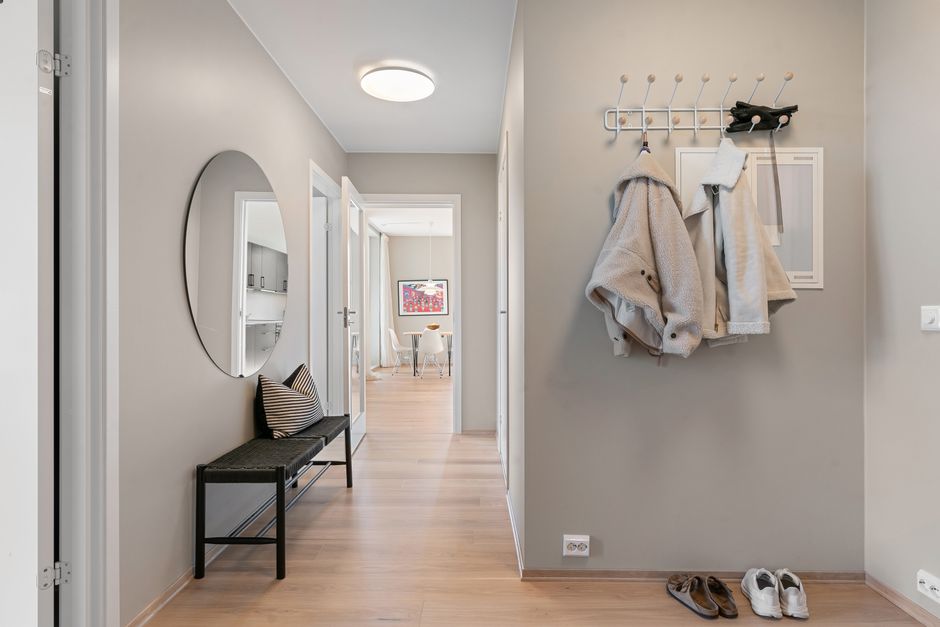
An entryway bench with integrated hooks and baskets solves common storage challenges in homes with limited space. Whether your entryway is a small corner or a spacious mudroom, this styling approach works for any square footage. The combination of vertical hooks and horizontal basket storage creates multiple zones for different items. Hooks hold frequently used coats, bags, and hats, while baskets contain shoes, scarves, and seasonal items. This August 2026 guide walks you through selecting the right pieces, arranging them strategically, and maintaining the space for long-term organization success.
Key Takeaway: An entryway bench with hooks and baskets provides stylish storage that keeps your entry organized while creating a welcoming first impression.
What Materials and Styles Work Best for Entryway Benches?
Material selection determines both the durability and aesthetic of your entryway setup. Wood benches offer timeless appeal and pair well with natural fiber baskets and metal hooks. Metal and upholstered benches provide contemporary style, while reclaimed wood creates rustic charm. Consider your home’s existing décor when choosing materials to ensure cohesion throughout your space.
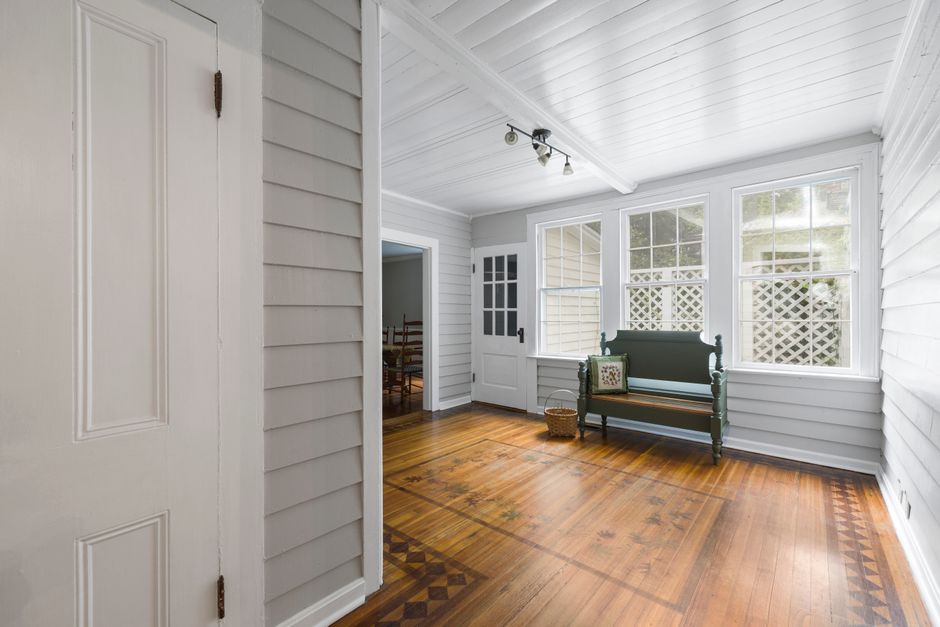
Upholstered benches add comfort and elegance to entryways while providing a soft seating option. They work particularly well in formal homes or spaces where guests frequently sit. Wooden benches suit traditional, farmhouse, and rustic styles, offering durability for high-traffic areas. Metal-frame benches with cushions combine industrial design with comfort, fitting modern and transitional homes perfectly.
Popular Bench Materials for 2026
- Solid wood benches in oak, walnut, or pine for classic durability.
- Upholstered benches with linen or velvet fabric for softness and style.
- Metal-frame benches with wood seats for industrial-modern appeal.
- Reclaimed wood benches for rustic and eco-conscious designs.
- Concrete or stone benches for contemporary minimalist spaces.
Hook materials should complement your bench while withstanding daily use. Stainless steel hooks resist rust and work in any décor style. Brass and bronze hooks add warmth and vintage character, while matte black hooks suit modern aesthetics. Consider your climate—coastal homes benefit from rust-resistant materials, while dry climates allow more flexibility.
Key Takeaway: Choose bench materials and finishes that match your home’s style while prioritizing durability for high-traffic entry spaces.
How Do You Arrange Hooks and Baskets for Maximum Function?
Strategic placement of hooks and baskets maximizes usability and visual balance. Hooks should be positioned 60 to 72 inches from the floor for adult reach, with lower hooks at 36 to 48 inches for children’s items. Stagger hooks at varying heights to accommodate different coat lengths and create visual interest. Space hooks 16 to 24 inches apart to prevent crowding while allowing multiple items per hook.
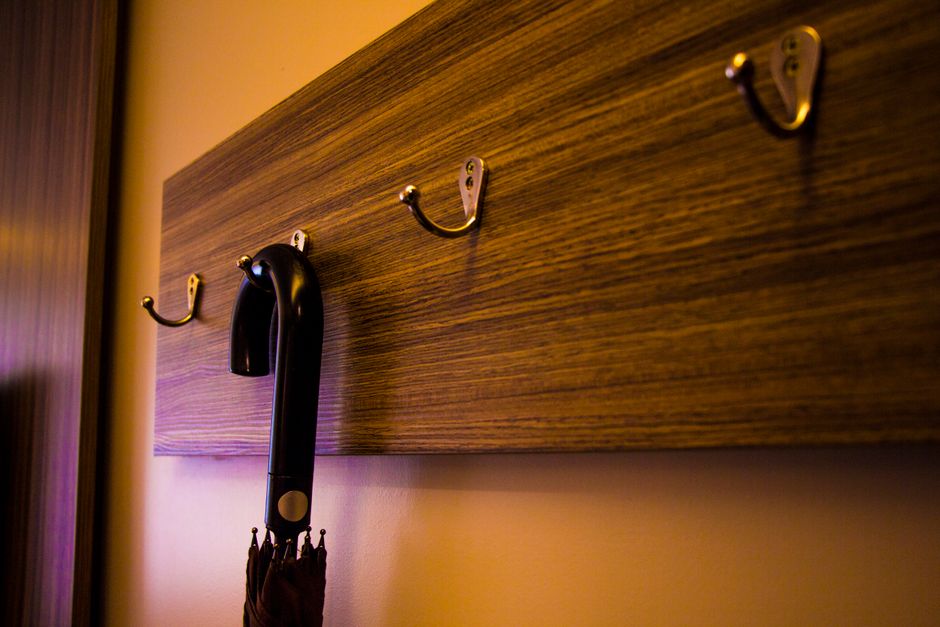
Baskets work best positioned directly under or beside the bench, creating a unified storage system. Use baskets of varying sizes to accommodate different items—larger baskets for shoes and blankets, smaller ones for gloves and scarves. Group baskets by color or material for a cohesive look. Label baskets with tags or small signs to help family members maintain organization and find items quickly.
Hook and Basket Arrangement Guidelines
- Install hooks 60-72 inches high for adults, 36-48 inches for children.
- Space hooks 16-24 inches apart horizontally for adequate separation.
- Place baskets at bench height or directly underneath for easy access.
- Use odd numbers of baskets (3 or 5) for visually pleasing asymmetrical arrangements.
- Leave 12 inches of clearance around baskets for comfortable item placement.
Creating visual hierarchy prevents your entryway from feeling chaotic. Anchor the space with your bench, then layer hooks above and baskets below. Use negative space intentionally—don’t fill every wall inch. This approach keeps the entryway feeling spacious and organized rather than cramped. If you’re working with limited wall space, consider corner installations that maximize vertical real estate.
For entryways with limited floor space, wall-mounted baskets above the bench provide storage without consuming valuable seating area. This solution works particularly well in apartments or homes with narrow hallways. Floating shelves can replace traditional baskets, offering a modern alternative while maintaining the same organizational benefits.
Key Takeaway: Proper hook and basket placement creates functional zones that encourage family members to use the system consistently.
What Types of Baskets Complement Your Entryway Aesthetic?
Basket selection significantly impacts your entryway’s visual appeal. Woven natural fiber baskets like seagrass, rattan, and wicker bring warmth and texture to any space. Fabric baskets with handles offer a softer aesthetic and work well for storing lightweight items. Metal baskets suit industrial and modern styles, while wire baskets provide visibility for contents while maintaining clean lines.
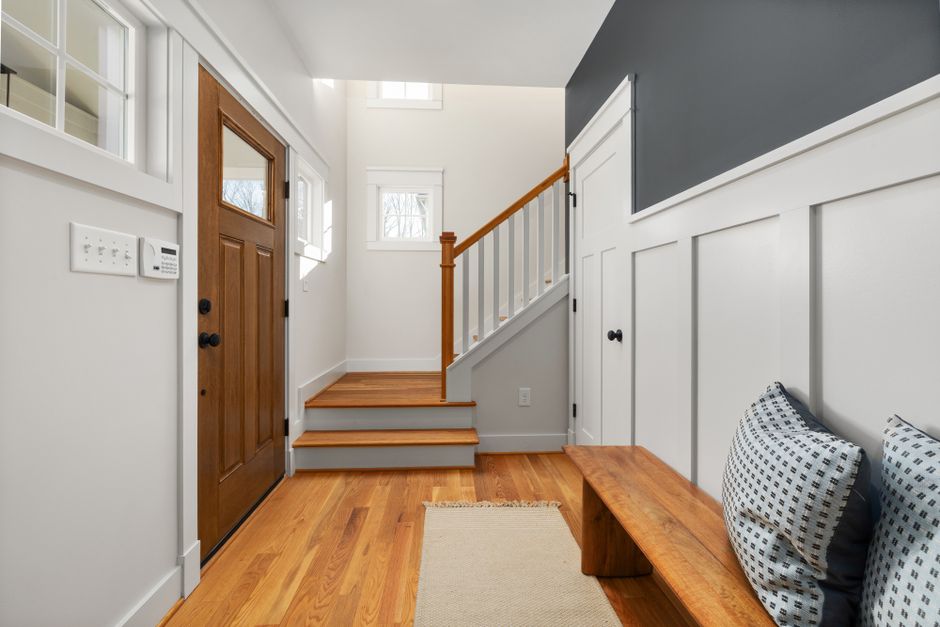
Color coordination ties your entryway together visually. Neutral baskets in cream, gray, and natural tones work with any décor style and hide dust and wear. Patterned or colored baskets can add personality if they match your home’s color palette. Consider seasonal basket swaps—lighter colors for spring and summer, deeper tones for fall and winter. This simple change refreshes your entryway without major renovation.
Basket Types and Their Best Uses
- Woven seagrass baskets for natural, coastal, and farmhouse styles.
- Wicker baskets for traditional and boho-inspired entryways.
- Fabric storage baskets with handles for soft, modern aesthetics.
- Metal wire baskets for industrial and contemporary designs.
- Wooden crate baskets for rustic and eclectic spaces.
Basket sizing matters for both aesthetics and function. A bench typically accommodates 2-3 baskets of varying sizes. Use one large basket for coats or blankets, two medium baskets for shoes and accessories. This arrangement creates visual balance while maximizing storage capacity. Oversized baskets can overwhelm small entryways, while tiny baskets lack practical storage value.
For related organization solutions, check out our guide on how to organize shoes in a small entryway, which pairs perfectly with basket storage strategies. You might also benefit from learning how to organize a storage cabinet for maximum space to extend your organizational system throughout your home.
Key Takeaway: Choose baskets that match your décor style while selecting sizes that fit your bench proportions and storage needs.
How Can You Style Hooks and Baskets for Visual Appeal?
Styling goes beyond functionality—it creates an entryway that feels intentional and welcoming. Mix hook finishes for visual interest: combine matte black with brass or bronze for eclectic appeal. Ensure hooks and baskets coordinate without being identical, creating a curated rather than matchy aesthetic. Add decorative elements like plants, mirrors, or artwork above the bench to complete the look.
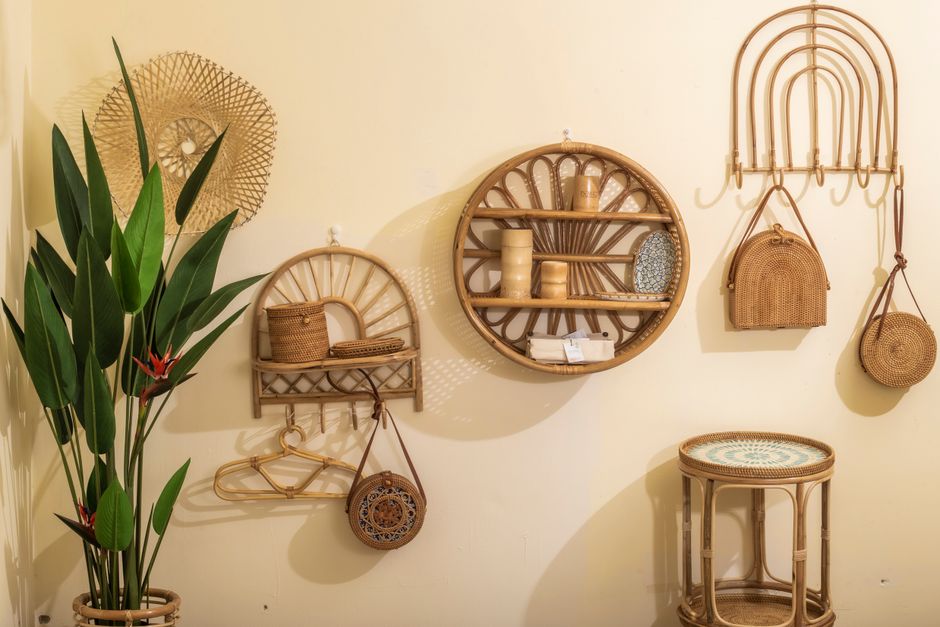
Lighting enhances both function and ambiance in your styled entryway. A wall sconce above the bench improves visibility for finding items while adding warmth. Pendant lights work well in larger entryways, creating a focal point. Consider motion-sensor lighting for hands-free convenience when entering with bags and coats. Proper lighting makes your entryway feel more inviting and helps family members locate items quickly.
Styling Elements to Enhance Your Entryway
- Wall sconces or pendant lights above the bench for task and ambient lighting.
- A decorative mirror to reflect light and create visual space.
- Potted plants or greenery for natural color and freshness.
- Artwork or wall décor that complements your color scheme.
- A runner rug to define the entryway and add texture.
Seasonal styling keeps your entryway fresh and relevant. In summer, use lighter baskets and add fresh flowers. Fall calls for deeper tones and cozy textures. Winter styling incorporates heavier fabrics and warmer colors. Spring brings lighter materials and brighter accents. These seasonal rotations require minimal effort but create significant visual impact throughout the year.
Maintaining visual balance prevents your entryway from feeling cluttered. Follow the rule of three—three hooks, three baskets, three decorative elements—to create cohesion. Leave breathing room between items so the eye can rest. This principle applies whether your entryway is minimalist or maximalist in style.
Key Takeaway: Thoughtful styling with lighting, mirrors, and seasonal elements transforms functional storage into an attractive entryway focal point.
What Are Practical Tips for Maintaining an Organized Entryway System?
Organization systems fail without maintenance routines. Establish a daily habit of returning items to their designated hooks and baskets immediately after use. This prevents accumulation and keeps the space functional. Weekly tidying involves checking baskets for items that have migrated and returning them to proper locations. Monthly deep cleaning removes dust from hooks and baskets while assessing what storage is actually being used.
Labeling baskets significantly improves household compliance with your organization system. Use chalkboard labels, printed tags, or embroidered markers to identify basket contents. This clarity helps family members understand where items belong, reducing clutter. For households with children, use picture labels in addition to words to ensure everyone can participate in organization.
Maintenance and Organization Steps
- Daily: Return coats, bags, and items to hooks and baskets immediately.
- Weekly: Tidy baskets and check for items needing relocation.
- Monthly: Deep clean hooks and baskets, reassess storage needs.
- Seasonally: Rotate seasonal items and update basket contents.
- Quarterly: Donate unused items and refresh baskets if needed.
Creating accountability among household members ensures the system works long-term. Assign specific family members responsibility for maintaining certain hooks or baskets. Children learn organization skills through participation while adults maintain the space. Positive reinforcement works better than criticism—praise family members who consistently use the system correctly.
Dealing with overflow requires honest assessment of your storage capacity. If baskets consistently overflow, you need either larger baskets or additional storage solutions. Consider whether items truly belong in the entryway or should be stored elsewhere. Sometimes the solution isn’t more storage but rather removing unnecessary items from the space.
For additional organization inspiration, explore how to build a DIY shoe rack to expand your entryway storage options. You might also find value in learning how to organize a messy desk with minimal accessories to apply similar principles throughout your home.
Key Takeaway: Regular maintenance routines and clear labeling systems keep your styled entryway organized and functional long-term.
How Do You Choose the Right Bench Size for Your Entryway Space?
Bench dimensions should match your available space while providing adequate seating and storage. Measure your entryway wall width, then select a bench occupying 50-75 percent of that space. This proportion prevents the bench from overwhelming the area while providing substantial functionality. Standard bench widths range from 36 to 60 inches, with 48 inches being ideal for most residential entryways.
Depth matters equally for comfort and proportion. Benches typically measure 14 to 18 inches deep—deep enough for comfortable seating without protruding into walkways. In narrow entryways, consider 12-inch-deep benches to maintain traffic flow. Height should align with standard seating at 18 inches, though some contemporary designs vary. Test the proportions by measuring your space with painter’s tape before purchasing.
Bench Sizing Considerations
- Width: 50-75 percent of available wall space (36-60 inches typical).
- Depth: 14-18 inches for comfort, 12 inches for tight spaces.
- Height: 18 inches standard, varies by design and user preference.
- Clearance: Leave 24-36 inches in front for comfortable access.
- Wall space: Ensure room above for hooks without hitting ceiling.
Consider traffic flow when sizing your bench. Entryways need clear pathways to prevent congestion. A bench positioned along one wall maintains traffic patterns better than a center installation. Ensure hooks and baskets don’t extend into walking paths. In small entryways, wall-mounted benches save floor space while providing the same functionality.
Key Takeaway: Proper bench sizing ensures your styled entryway functions efficiently without compromising traffic flow or proportions.
Frequently Asked Questions
How many hooks should I install above an entryway bench?
Most entryway benches work well with 3-5 hooks spaced 16-24 inches apart. The exact number depends on your bench width and household size. A 48-inch bench typically accommodates 4-5 hooks comfortably. Consider your family’s needs—larger families may need additional hooks or wall space beside the bench for overflow items.
What’s the best way to prevent baskets from looking cluttered?
Keep baskets 60-75 percent full to maintain visual appeal and functionality. Use dividers or smaller containers inside baskets to organize contents. Label baskets clearly so items stay properly categorized. Rotate seasonal items out quarterly to reduce crowding. Remove items that don’t belong in the entryway to keep baskets focused on their intended purpose.
Can I install hooks on a rented entryway wall?
Yes, renter-friendly options include adhesive hooks rated for your coat weight, command strips, or tension rods. These solutions require no permanent wall damage and remove cleanly. Ensure hooks are rated for your household’s actual weight needs. Avoid drilling or nailing unless you have landlord permission. Always check your lease before making modifications.
How do I choose between wall-mounted and floor baskets?
Wall-mounted baskets save floor space and work well in small entryways, while floor baskets provide easier access and accommodate larger items. Consider your space dimensions and storage needs. Floor baskets work better for shoes and heavy items, while wall baskets suit lightweight accessories. You can combine both approaches for maximum functionality.
What hook material works best in humid climates?
Stainless steel and powder-coated metal hooks resist rust and moisture damage in humid environments. Avoid untreated iron or bare brass in coastal or tropical climates. If you prefer brass aesthetics, choose lacquered brass designed for moisture resistance. Properly sealed wood hooks can also work if maintained regularly with protective finishes.
Should my baskets match my bench finish?
Baskets don’t need to match exactly but should coordinate with your bench and décor style. A wooden bench pairs beautifully with natural fiber baskets. Metal benches work with metal, fabric, or woven baskets. Complementary rather than identical creates a curated, intentional look. Test combinations before purchasing to ensure visual harmony.
How Can You Transform Your Entryway with Strategic Styling and Organization?
Styling an entryway bench with hooks and baskets creates a functional, beautiful space that sets the tone for your entire home. This August 2026 guide demonstrates that thoughtful design combines aesthetics with practical organization. By selecting quality materials, arranging hooks and baskets strategically, and maintaining consistent routines, you create an entryway that welcomes guests while serving your household’s daily needs. The key is balancing visual appeal with usability—never sacrifice function for style or vice versa.
Success requires understanding your specific space constraints and household needs. Measure carefully before purchasing, choose materials that complement your existing décor, and implement systems that family members will actually use. Regular maintenance keeps your styled entryway looking fresh and functioning smoothly. Start with a quality bench as your foundation, add well-placed hooks and coordinating baskets, then layer in lighting and decorative elements. This layered approach creates depth and interest while maintaining organization.
Your styled entryway becomes a command center that reduces daily stress and creates a welcoming first impression. Visitors immediately notice an organized, attractive entry space that reflects your home’s character. Family members appreciate the clarity of where items belong, making it easier to maintain organization long-term. This investment in thoughtful entryway styling pays dividends in functionality, aesthetics, and household harmony. Begin your transformation today by measuring your space and selecting pieces that align with your vision.
Key Takeaway: A well-styled entryway bench with hooks and baskets combines beauty and function to create your home’s most welcoming space.








Write Your Review
No reviews yet. Be the first to share your experience!