

How to Make a Futon More Comfortable for Sleeping in 2026?
Futons offer space-saving versatility but often sacrifice comfort for function. The key to better sleep lies in upgrading your mattress, adding quality toppers, investing in supportive bedding, and optimizing your frame setup. Most people find that combining a high-density foam topper with premium sheets and proper pillow support transforms their futon into a genuinely restful sleeping surface. With the right adjustments, you can enjoy both daytime seating and nighttime comfort without compromise. This guide covers everything from mattress selection to positioning strategies that work in 2026.

Key Takeaway: A comfortable futon requires a multi-layered approach combining better mattresses, quality toppers, supportive bedding, and proper frame maintenance.
What’s the Best Mattress Upgrade for Futon Comfort?
Standard futon mattresses are notoriously thin and firm, designed for dual functionality rather than sleep quality. Upgrading to a thicker, higher-density mattress makes an immediate difference in comfort and spinal support. Modern futon-specific mattresses range from eight to fourteen inches thick, offering memory foam, latex, or innerspring options that weren’t available five years ago.

The mattress thickness matters significantly. A typical futon comes with a four to six-inch cotton-filled mattress that compresses quickly. Upgrading to an eight-inch or thicker option provides better cushioning and longer-term durability. Memory foam mattresses conform to your body shape, while latex options offer cooler sleep and natural materials. Innerspring futon mattresses provide traditional support with better bounce.
Comparing Futon Mattress Types
- Memory foam: Excellent body contouring and pressure relief, retains heat slightly.
- Latex: Natural, breathable, cooler sleep surface, hypoallergenic properties.
- Innerspring: Traditional support, good airflow, responsive feel for combination sleepers.
- Hybrid: Combines foam and springs for balanced comfort and support.
Budget matters too. Quality futon mattresses range from three hundred to eight hundred dollars depending on materials and thickness. Investing in a better mattress pays dividends through improved sleep quality and reduced body aches. Many sleepers report noticing improvements within the first week of using an upgraded mattress.
Key Takeaway: Replacing a thin stock mattress with an eight-inch or thicker high-density option dramatically improves futon sleeping comfort.
How Can You Add Comfort with Futon Toppers and Pads?
If replacing the entire mattress isn’t immediately feasible, a quality topper transforms your existing futon into a more comfortable sleeping surface. Toppers add cushioning, improve support, and extend mattress life. A three to four-inch memory foam or latex topper can make a firm futon feel significantly softer without the cost of a full mattress replacement.
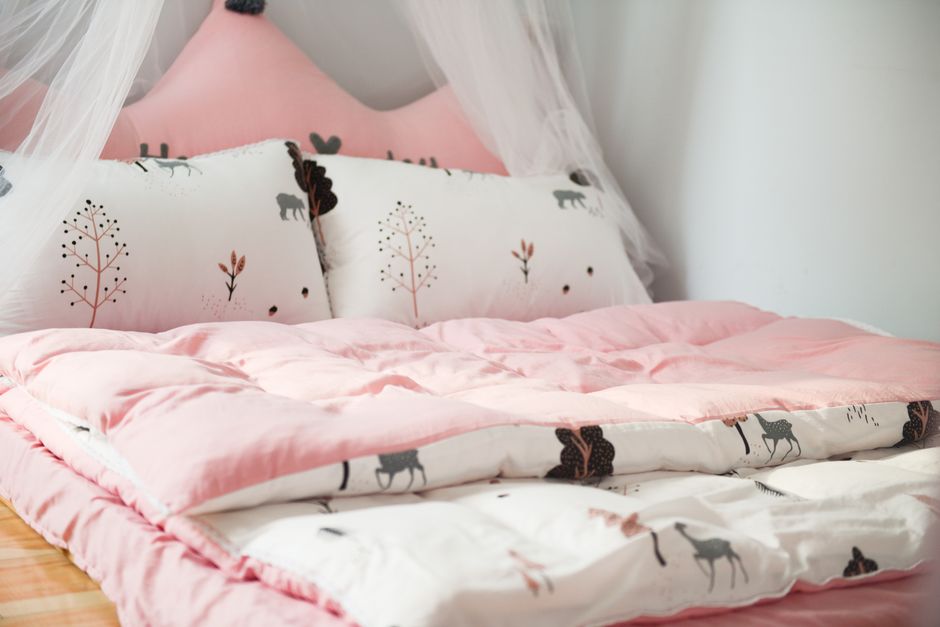
Toppers work by adding a comfort layer above your existing mattress. They’re removable, washable in many cases, and reversible for extended use. A gel-infused memory foam topper keeps you cooler than standard foam. Latex toppers offer natural materials with excellent durability. Egg-crate or convoluted foam toppers provide budget-friendly options, though they compress faster than solid foam.
Topper Selection Criteria
- Thickness: Three to four inches provides noticeable comfort improvement.
- Density: Higher density (four pounds per cubic foot or more) lasts longer.
- Material: Memory foam, latex, or gel-infused for temperature control.
- Cover: Machine-washable covers make maintenance easier and extend product life.
- Size: Ensure exact dimensions match your futon mattress for proper fit.
Installation is straightforward—simply place the topper on your existing mattress and secure with fitted sheets. Toppers typically cost between one hundred and four hundred dollars, making them an affordable comfort upgrade. Many sleepers use toppers even with upgraded mattresses for extra cushioning and temperature regulation.
Key Takeaway: A three to four-inch high-density foam or latex topper dramatically improves comfort without replacing your entire futon mattress.
What Bedding Choices Make Futons More Comfortable?
Quality bedding transforms how your futon feels during sleep. Premium sheets, pillows, and blankets create a more luxurious and supportive sleep environment. Many people overlook bedding as a comfort factor, but high-thread-count sheets and supportive pillows significantly impact sleep quality on futons.

Sheet quality directly affects comfort. Look for Egyptian cotton or bamboo sheets with a thread count between four hundred and six hundred. Higher thread counts feel softer and last longer. Sateen weaves provide a silky feel, while percale offers a crisp, cool surface. Avoid cheap polyester sheets that trap heat and feel clingy on futons.
Essential Bedding Components
- Fitted sheets: Secure sheets prevent bunching and shifting during sleep.
- Pillows: Invest in pillows matching your sleep position and firmness preference.
- Mattress protector: Waterproof protectors extend mattress life and simplify cleaning.
- Blankets: Breathable options like cotton or linen prevent overheating.
- Mattress pad: Adds cushioning while protecting against spills and wear.
Pillows deserve special attention on futons. A futon’s firm surface requires supportive pillows that maintain proper neck alignment. Side sleepers need firmer pillows, while back sleepers benefit from medium-firm options. Memory foam pillows conform to your head and neck, reducing pressure points. Quality pillows cost forty to one hundred fifty dollars but improve sleep quality noticeably.
Key Takeaway: Premium sheets, supportive pillows, and quality blankets create a comfortable sleep environment that complements your futon mattress upgrade.
How Should You Position and Maintain Your Futon Frame?
Proper frame setup and maintenance significantly impact sleeping comfort. A futon frame in poor condition creates uneven support, sagging, and discomfort. Regular maintenance prevents deterioration and ensures consistent comfort throughout the mattress lifespan. Check your frame quarterly for damage, loose joints, and wear patterns.
Frame positioning matters for comfort and longevity. Keep your futon in flat sleeping position when in use as a bed rather than a partially folded position. Partially folded futons create stress on frame joints and uneven mattress compression. Ensure the frame sits level on the floor—use shims if necessary to eliminate rocking or tilting. A level frame distributes your body weight evenly across the mattress.
Frame Maintenance Checklist
- Inspect wooden frame for cracks, splits, or warping monthly.
- Tighten all bolts, screws, and fasteners every three months.
- Check hinges and folding mechanisms for smooth operation.
- Clean underneath the frame to prevent dust accumulation and pest issues.
- Rotate or flip mattress every two months to reduce uneven wear patterns.
- Ensure slats are intact and properly spaced for even mattress support.
Slat spacing directly affects mattress support. Futon frames should have slats spaced no more than four inches apart. Wider spacing allows the mattress to sag between slats, creating uncomfortable dips and pressure points. If your futon has wider spacing, consider adding a plywood base under the mattress for uniform support.
Key Takeaway: Proper frame maintenance, level positioning, and regular mattress rotation ensure consistent comfort and extend your futon’s usable lifespan.
What Practical Steps Improve Futon Sleeping Comfort Daily?
Beyond major upgrades, daily habits and simple adjustments enhance futon comfort. These practical strategies cost little or nothing but make measurable differences in sleep quality. Implement these changes alongside your mattress and bedding upgrades for maximum comfort improvement.
Daily Comfort Optimization Strategies
- Fluff and rotate your mattress every morning to redistribute filling and prevent compression.
- Use a body pillow to support your spine and reduce pressure on your futon mattress.
- Keep your bedroom cool—futons benefit from temperatures between sixty and sixty-seven degrees Fahrenheit.
- Add a wedge pillow under your knees if you sleep on your back for better spinal alignment.
- Use a white noise machine to mask creaking sounds from the futon frame during sleep.
- Ensure your futon frame is completely flat—never sleep on a partially folded futon.
- Invest in blackout curtains to create ideal sleep conditions around your futon.
Temperature control significantly impacts comfort on futons. Futons tend to retain heat more than traditional beds, so breathable bedding and cool room temperatures are essential. Bamboo sheets naturally regulate temperature better than cotton. A cooling mattress protector or gel topper helps dissipate body heat throughout the night.
Pillow arrangement matters more on futons than traditional beds. A futon’s firmer surface requires proper neck support to prevent morning stiffness. Use two pillows—one under your head and one under your knees if sleeping on your back. Side sleepers should use a pillow between their knees to maintain spinal alignment on a futon’s flatter surface.
Key Takeaway: Daily maintenance, temperature control, and proper pillow positioning maximize comfort on your futon without additional purchases.
Frequently Asked Questions
How thick should a futon mattress be for comfortable sleeping?
Aim for eight to twelve inches for optimal comfort. Standard futons come with four to six-inch mattresses designed for dual functionality. An eight-inch mattress provides noticeably better support and comfort for sleeping. Twelve-inch mattresses offer luxury-level comfort comparable to traditional beds. Thicker mattresses cost more but last longer and reduce body aches from inadequate support.
Can a futon topper really improve sleep quality?
Yes, absolutely. A quality three to four-inch topper adds significant cushioning to firm futons. High-density memory foam or latex toppers conform to your body and reduce pressure points. Many sleepers report sleeping better within days of adding a topper. Toppers are removable, affordable, and work well with both stock and upgraded mattresses for layered comfort.
What’s the best futon mattress material for hot sleepers?
Latex and gel-infused memory foam work best for temperature regulation. Latex naturally breathes better than standard foam and doesn’t retain heat. Gel-infused memory foam disperses body heat more effectively than traditional memory foam. Innerspring futon mattresses offer excellent airflow. Avoid dense memory foam without cooling features if you sleep hot, and pair any mattress with breathable bamboo or cotton sheets.
How often should I rotate my futon mattress?
Rotate every two months for even wear distribution. Regular rotation prevents permanent body-shaped indentations and extends mattress lifespan. Flip the mattress end-to-end on alternating rotations. Some modern futon mattresses shouldn’t be flipped—check manufacturer guidelines. Consistent rotation maintains consistent comfort and prevents sagging in high-use areas over time.
Should I use a mattress protector on my futon?
Yes, absolutely. A waterproof mattress protector prevents stains, dust mites, and allergen accumulation. It extends your mattress lifespan significantly and simplifies cleaning. Protectors are removable and machine-washable. Quality protectors breathe well and don’t reduce comfort. A good protector costs thirty to eighty dollars and pays for itself through extended mattress life.
Can futons be as comfortable as regular beds?
With proper upgrades, futons approach traditional bed comfort. A quality thick mattress, supportive topper, premium bedding, and proper maintenance create genuine sleeping comfort. Futons will never feel identical to traditional beds due to their design, but upgraded futons provide excellent sleep quality. Many people prefer futons for their dual functionality and space-saving design despite minor comfort differences.
How Can You Maximize Comfort in Small Spaces with Your Futon?
Futons excel in small spaces, but comfort optimization becomes even more important when space is limited. Strategic furniture arrangement and multi-functional accessories enhance both comfort and usability. Small-space living doesn’t mean sacrificing sleep quality—thoughtful setup makes all the difference.
Consider how you arrange furniture around your futon. Ensure adequate clearance for folding and unfolding without hitting walls or other pieces. A small side table provides convenient space for pillows, books, or a lamp without taking up floor space. Wall-mounted shelving above your futon stores extra bedding and eliminates floor clutter. These arrangements create a more comfortable and functional sleeping environment in tight quarters.
Multi-functional pieces complement futons perfectly in small spaces. An ottoman can serve as both a footrest and storage—similar to how to use an ottoman as a coffee table, ottomans provide flexible functionality. A futon with built-in storage drawers maximizes space efficiency. Vertical organization through wall-mounted organizers keeps your sleeping area clean and comfortable without sacrificing floor space.
Key Takeaway: Small-space futons benefit from strategic furniture arrangement, multi-functional pieces, and vertical storage solutions that enhance comfort without consuming floor space.
What Should You Know About Futon Frame Types and Comfort?
Different futon frame styles impact comfort and functionality. Wooden frames offer durability and traditional aesthetics. Metal frames provide lightweight portability and modern styling. Upholstered frames add comfort and visual appeal. Understanding frame types helps you choose a setup that matches your comfort needs and lifestyle. Frame quality directly affects mattress support and overall sleeping comfort.
Wooden futon frames, typically made from hardwoods like oak or maple, provide excellent support and longevity. Quality wooden frames last decades with proper maintenance. Metal frames, often aluminum or steel, offer lightweight alternatives ideal for frequent movers. Upholstered frames add padding and create a cozier appearance. Consider your living situation—renters benefit from metal frames, while homeowners often prefer wooden options for permanence.
Frame Quality Indicators
- Solid wood construction rather than particle board or plywood.
- Reinforced joints using mortise and tenon or dowel connections.
- Metal brackets and hardware rated for your body weight and mattress weight.
- Smooth operation of folding mechanisms without grinding or sticking.
- Proper slat spacing—no more than four inches apart for mattress support.
Frame maintenance extends comfort and prevents costly repairs. Wooden frames require occasional conditioning to prevent cracking and warping. Metal frames need periodic tightening as fasteners loosen from use. Check your frame’s manufacturer guidelines for specific maintenance recommendations. A well-maintained frame supports your upgraded mattress properly and ensures consistent sleeping comfort.
Key Takeaway: Quality frame construction and regular maintenance provide the foundation for comfortable futon sleeping, regardless of mattress upgrades.
Does Your Sleeping Position Affect Futon Comfort Needs?
Different sleeping positions require different comfort strategies on futons. Back sleepers, side sleepers, and stomach sleepers each benefit from specific mattress firmness levels and pillow arrangements. Understanding your sleep position helps you choose appropriate upgrades that maximize comfort and spinal alignment on your futon.
Back sleepers benefit from medium-firm mattresses that support the natural curve of the spine. A pillow under your knees reduces lower back strain on a futon’s firmer surface. Your head pillow should maintain neutral neck alignment—not too high or low. A futon’s firmness actually suits back sleepers well, provided adequate cushioning prevents excessive pressure on the lower back.
Side sleepers need firmer support to prevent excessive hip and shoulder sinking. A quality topper adds necessary cushioning while maintaining support. A pillow between your knees aligns your spine and reduces pressure on your futon mattress. Memory foam mattresses or toppers work especially well for side sleepers on futons. Ensure your mattress provides enough support to prevent rolling or excessive sinking.
Stomach sleepers should use minimal pillow height to prevent neck strain. Futons’ firmer surface actually works well for stomach sleeping when properly set up. A thin pillow or no pillow maintains neutral spine alignment. A mattress topper adds comfort without reducing support. Stomach sleeping on futons requires careful pillow selection to prevent morning neck stiffness.
Key Takeaway: Tailoring mattress firmness, topper thickness, and pillow arrangement to your sleeping position maximizes futon comfort and spinal health.
What’s the Final Strategy for Maximum Futon Sleeping Comfort?
Maximizing futon comfort requires a comprehensive approach combining multiple upgrades and maintenance strategies. No single solution creates perfect comfort—success comes from layering improvements. Start with a quality mattress upgrade, add a supportive topper, invest in premium bedding, and maintain your frame properly. These combined efforts transform a futon into a genuinely comfortable sleeping surface.
Begin with your most pressing comfort issue. If your current mattress feels too firm, start with a topper. If it sags or feels worn, replace it entirely. Once your mattress foundation is solid, upgrade your bedding and pillows. Implement daily maintenance and positioning strategies. This staged approach spreads costs while delivering noticeable improvements at each step.
Remember that futons serve dual purposes—daytime seating and nighttime sleeping. Comfort upgrades don’t compromise the seating function. A quality mattress and topper still fold and unfold smoothly. Premium bedding rolls up neatly. Your frame maintenance ensures smooth operation. By 2026, futon technology and aftermarket products offer genuine comfort without sacrificing versatility. Invest in your futon’s comfort, and you’ll enjoy better sleep while maintaining space-saving functionality that traditional beds can’t match.
Key Takeaway: Combining mattress upgrades, quality toppers, premium bedding, and frame maintenance creates a comfortable futon that rivals traditional beds while maintaining space-saving versatility.










Write Your Review
No reviews yet. Be the first to share your experience!