

What Are the Benefits of Biophilic Furniture for Stress Reduction in 2026?
Biophilic furniture—pieces designed with natural materials, organic shapes, and nature-inspired elements—significantly reduces stress by reconnecting us with the natural world we evolved alongside. Research shows that exposure to natural elements lowers cortisol levels, decreases anxiety, and improves overall mental well-being. In 2026, as remote work and home-centered lifestyles continue to dominate, integrating biophilic furniture into your living spaces has become essential for managing stress and creating calming environments. The primary benefit is psychological: our brains respond positively to natural patterns, wood textures, and plant-integrated designs, triggering relaxation responses similar to spending time outdoors. Beyond stress reduction, biophilic furniture improves focus, enhances sleep quality, and creates aesthetically pleasing spaces that boost mood and productivity. Whether you’re designing a home office, bedroom, or living room, biophilic furniture offers a scientifically-backed solution to modern stress and disconnection from nature.
How Does Biophilic Furniture Actually Reduce Stress and Anxiety?
The science behind biophilic furniture’s stress-reducing properties is rooted in evolutionary psychology and neurobiology. According to the Journal of Environmental Psychology, humans have an innate tendency to seek connection with nature, a concept called the “biophilia hypothesis.” When we interact with natural materials like solid wood, stone, and organic textures, our nervous system shifts from a sympathetic state (fight-or-flight) to a parasympathetic state (rest-and-digest).
Biophilic furniture works through multiple mechanisms. First, natural materials emit volatile organic compounds (VOCs) that our brains recognize as safe and calming. Wood, for example, releases subtle scents that trigger relaxation responses. Second, the visual patterns found in nature—fractals, curves, and asymmetrical designs—are inherently soothing to our eyes and brain. Unlike sharp angles and artificial materials, biophilic furniture pieces with flowing forms and organic shapes reduce visual stress. Third, the tactile experience of touching natural wood or stone activates sensory pathways that promote calm and reduce heart rate.
The Role of Natural Light and Plant Integration
Biophilic furniture often incorporates elements that enhance natural light penetration and plant integration. Furniture with open frames, glass shelving, or built-in plant stands allows sunlight to flow through spaces while supporting live vegetation. This combination amplifies stress reduction: natural light regulates circadian rhythms and increases serotonin production, while plants actively purify air and provide psychological comfort. Studies from the National Institutes of Health show that simply viewing plants reduces stress markers within minutes.
What Types of Biophilic Furniture Materials Are Most Effective for Stress Relief?
Not all natural materials are equally effective for stress reduction. The most impactful biophilic furniture incorporates specific materials chosen for their psychological and physiological properties.
Solid Wood and Its Stress-Reducing Properties
Solid wood remains the gold standard for biophilic furniture. Unlike veneer or engineered wood, solid wood maintains its natural cellular structure, allowing it to emit beneficial compounds and respond to humidity changes in ways that feel alive and dynamic. Hardwoods like walnut, oak, and ash are particularly effective because they feature visible grain patterns that our brains find naturally calming. The warmth of wood—both visually and to the touch—triggers comfort responses. In 2026, sustainably-sourced solid wood furniture has become more accessible, with manufacturers prioritizing FSC certification and responsible forestry practices.
Stone, Concrete, and Earthy Textures
Stone elements in furniture—such as slate tabletops, marble accents, or concrete bases—ground spaces and create a sense of stability. These materials connect us to the earth’s solidity and permanence, which psychologically reduces anxiety. Unlike cold, industrial materials, natural stone retains warmth and develops patina over time, creating a lived-in feeling that reduces stress associated with sterility or impermanence. Concrete, when left in its natural state with visible aggregate, also provides grounding visual interest.
Woven Natural Fibers
Furniture upholstered or constructed with natural fibers like linen, jute, hemp, and wool offers tactile stress relief. These materials are breathable, temperature-regulating, and visually warm. The texture of woven fibers engages our sense of touch in calming ways, and their neutral earth tones create visual harmony. Research on textile psychology shows that natural fiber textures reduce cortisol more effectively than synthetic materials.
How Can You Incorporate Biophilic Furniture into Your Home for Maximum Stress Reduction?
Integrating biophilic furniture strategically throughout your home requires understanding which spaces benefit most from nature-inspired design and how to layer multiple elements for cumulative stress reduction.
Creating a Biophilic Bedroom for Better Sleep and Recovery
Your bedroom is the most critical space for stress reduction through biophilic furniture. Invest in a solid wood bed frame with organic curves or natural finishes. Avoid painted or heavily finished furniture that off-gases synthetic compounds. Consider natural fiber bedding—linen sheets, wool blankets, and cotton pillows—which regulate temperature and reduce nighttime stress. A wooden nightstand with a simple design allows natural light to interact with the material throughout the day. If you’re assembling furniture in your bedroom, look for designs that minimize assembly stress, much like the tool-free assembly options available for modern bed frames. Add a living plant in a natural ceramic pot near a window; the combination of wood furniture, live plants, and natural light creates a profoundly calming environment that improves sleep quality and reduces nighttime anxiety.
Designing a Stress-Reducing Home Office with Biophilic Elements
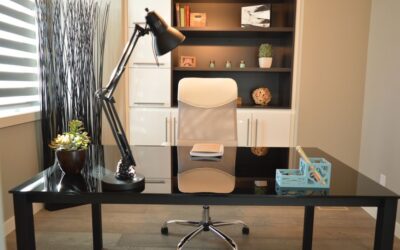
Home offices are stress hotspots in 2026, making biophilic furniture essential for productivity and mental health. Choose a solid wood desk with a natural finish; the texture and appearance of wood reduces screen fatigue and creates psychological separation from digital work. Position your desk to maximize natural light, and pair it with wooden shelving that can support both work materials and potted plants. Biophilic design elements specifically enhance home office productivity by reducing mental fatigue. A wooden chair with natural fiber upholstery provides both comfort and stress reduction during long work sessions. The key is ensuring your biophilic furniture supports your workflow while maintaining visual and tactile connection to nature.
Living Room Layouts with Nature-Inspired Seating and Tables
Living rooms benefit from layered biophilic furniture arrangements. A wooden coffee table with natural edges (live-edge wood) serves as a focal point that connects the room to nature. Pair it with seating upholstered in natural fibers—linen sofas, wool-covered chairs, or jute ottomans. Wooden side tables with plants create vertical greenery that enhances stress reduction. Consider furniture with curved lines rather than sharp angles; organic shapes are inherently more calming. If you’re redesigning your living room layout, tools like 3D room planners can help visualize biophilic furniture arrangements before purchasing.
Dining Spaces That Promote Relaxation and Connection
Dining furniture made from solid wood creates spaces conducive to mindful eating and stress reduction. A natural wood dining table encourages slower, more intentional meals—a practice that reduces anxiety. Wooden chairs with natural fiber cushions are more comfortable for extended dining, promoting relaxation. The visual warmth of wood at the dining table creates an inviting atmosphere that reduces mealtime stress. If you’re considering table materials, understanding durability helps ensure your biophilic investment lasts; comparing sintered stone and marble options shows how material choice affects both aesthetics and longevity.
What Are Common Mistakes When Using Biophilic Furniture for Stress Reduction?
Even with the best intentions, people often undermine the stress-reducing benefits of biophilic furniture through preventable mistakes.
Choosing Aesthetics Over Authenticity
The biggest mistake is selecting furniture that looks natural but lacks authentic biophilic properties. Furniture with nature-inspired patterns printed on synthetic materials doesn’t provide the same stress-reduction benefits as solid wood or natural fibers. Your brain recognizes authenticity at a subconscious level; fake natural elements trigger mild cognitive dissonance rather than calm. Always verify that furniture is made from genuine natural materials, not imitations.
Overcrowding Spaces with Too Much Furniture
While biophilic furniture reduces stress, too much furniture creates visual clutter that increases anxiety. The principle of biophilic design includes spaciousness and simplicity. Select fewer, higher-quality pieces rather than filling every corner. This approach also allows natural light and air circulation to move through spaces, enhancing the stress-reducing effects.
Neglecting Maintenance and Care
Biophilic furniture requires proper maintenance to retain its stress-reducing properties. Neglected wood furniture that’s dusty, damaged, or off-gassing from poor care actually increases stress. Establish a simple maintenance routine: dust regularly, use natural oils for wood care, and ensure adequate ventilation. This ongoing care deepens your connection to the furniture and reinforces the stress-reduction benefits.
Ignoring Light and Plant Integration
Biophilic furniture is most effective when combined with natural light and living plants. Placing a beautiful wooden desk in a dark corner without plants diminishes its stress-reducing potential. Always consider how your biophilic furniture interacts with natural light sources and plan for plant placement nearby.
How Do You Select the Right Biophilic Furniture Style for Your Home?
Choosing biophilic furniture that matches your aesthetic preferences while maximizing stress reduction requires understanding different design approaches and how they align with your lifestyle.
Japandi and Scandinavian Approaches to Biophilic Design
Two major design movements in 2026 emphasize biophilic principles: Japandi (Japanese-Scandinavian fusion) and pure Scandinavian design. Both prioritize natural materials, minimalism, and organic forms. Japandi versus Scandinavian design offers different approaches to biophilic furniture—Japandi emphasizes wabi-sabi (beauty in imperfection) and zen calm, while Scandinavian design focuses on functionality and light wood tones. Japandi furniture often features darker woods, asymmetrical designs, and integrated plant elements, creating profound calm. Scandinavian biophilic furniture uses lighter woods, clean lines, and bright, airy spaces that reduce stress through openness and simplicity. Choose based on whether you’re drawn to subtle, contemplative calm (Japandi) or bright, energizing simplicity (Scandinavian).
Mid-Century Modern with Natural Elements
Mid-century modern furniture with natural materials offers a biophilic approach that emphasizes form and function. Pieces featuring solid wood frames, organic curves, and minimal upholstery connect to nature while maintaining vintage aesthetic appeal. This style works well for those who want biophilic stress reduction without fully committing to minimalism.
Rustic and Farmhouse Biophilic Furniture
Rustic styles naturally incorporate biophilic principles through heavy wood, visible grain, and earthy tones. However, ensure that rustic furniture is made from authentic reclaimed or solid wood rather than distressed engineered materials. Authentic rustic biophilic furniture creates a grounded, secure feeling that reduces stress through its solidity and connection to natural aging processes.
Frequently Asked Questions
Does biophilic furniture really reduce stress, or is it just a design trend?
Biophilic furniture’s stress-reducing effects are scientifically validated, not merely trendy. Multiple peer-reviewed studies confirm that natural materials lower cortisol, decrease anxiety, and improve mental health. The biophilia hypothesis is grounded in evolutionary biology. While biophilic design has gained popularity, its benefits are evidence-based and long-lasting, making it a worthwhile investment beyond temporary aesthetic trends.
How much biophilic furniture do I need to see stress reduction benefits?
You don’t need to replace all furniture immediately. Research shows that even one or two key biophilic pieces—a solid wood bed frame or natural fiber seating—combined with natural light and plants creates measurable stress reduction. Start with high-impact items in spaces where you spend most time, like bedrooms or home offices, then gradually expand your biophilic furniture collection.
Is biophilic furniture more expensive than conventional furniture?
Quality biophilic furniture often costs more upfront due to genuine natural materials and sustainable sourcing. However, it lasts longer, develops character over time, and provides ongoing stress-reduction benefits that justify the investment. Consider it healthcare spending rather than pure furniture cost. Mid-range options exist for budget-conscious buyers seeking biophilic benefits without luxury price tags.
Can I achieve biophilic stress reduction with rented furniture or temporary pieces?
While temporary biophilic furniture provides some benefits, the stress-reduction effects deepen with permanence and familiarity. Rented pieces limit your ability to customize layouts, integrate plants, and develop the psychological connection that enhances calm. If renting, prioritize adding natural elements you control—plants, natural fiber textiles, and lighting modifications—to maximize stress reduction within your constraints.
What’s the best way to maintain biophilic furniture to preserve its stress-reducing properties?
Regular maintenance—dusting, natural oil treatments for wood, and proper humidity control—preserves biophilic furniture’s appearance and stress-reducing effects. Avoid harsh chemicals that off-gas synthetic compounds. Develop a simple care routine that deepens your connection to the furniture. Well-maintained biophilic pieces age beautifully, developing patina that enhances their calming properties and creates a lived-in, secure feeling.
How do plants and biophilic furniture work together for maximum stress reduction?
Biophilic furniture and plants create synergistic stress-reduction effects. Wooden furniture with integrated plant stands or shelving combines natural materials with living greenery. Plants purify air and provide psychological comfort, while furniture creates the framework and aesthetic continuity. Together, they create immersive natural environments that significantly reduce stress, anxiety, and mental fatigue more effectively than either element alone.
Is Biophilic Furniture Worth the Investment for Stress Reduction in 2026?
Biophilic furniture is unquestionably worth the investment in 2026, when stress, remote work, and disconnection from nature have become epidemic. The stress-reducing benefits are scientifically validated, long-lasting, and compound over time as your spaces become increasingly restorative. Unlike trendy furniture that loses appeal, quality biophilic pieces develop character and deepen their calming effects as they age. The investment pays dividends in improved mental health, better sleep, enhanced productivity, and genuine well-being.
The key is approaching biophilic furniture strategically: start with high-impact pieces in spaces where you spend most time, ensure authenticity of natural materials, combine furniture with natural light and plants, and commit to proper maintenance. Whether you’re furnishing a bedroom for better sleep, a home office for stress-free productivity, or a living room for family calm, biophilic furniture addresses a fundamental human need for connection with nature in increasingly artificial environments.
In 2026, as sustainability and wellness become central to home design, biophilic furniture represents both a practical solution to modern stress and a meaningful commitment to living more naturally. The combination of scientific backing, aesthetic appeal, durability, and genuine stress-reduction benefits makes biophilic furniture one of the most worthwhile investments you can make for your home and mental health. Start today by identifying one key space and one quality biophilic furniture piece; the calm you experience will motivate expanding your natural, stress-reducing living environment.





Write Your Review
No reviews yet. Be the first to share your experience!