

What Is the Difference Between Sintered Stone and Marble for Dining Tables?
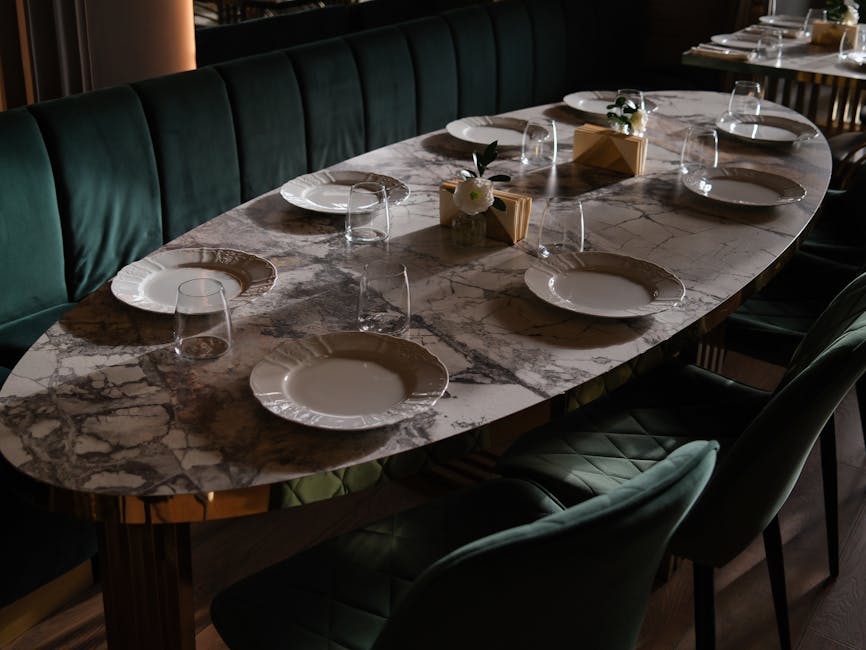
Sintered stone and marble are fundamentally different materials with distinct durability profiles for dining tables. Sintered stone is a engineered composite created by compressing mineral particles at extremely high temperatures, resulting in a non-porous, ultra-hard surface that resists stains, scratches, and heat. Marble, by contrast, is a natural metamorphic rock composed of calcium carbonate, which is softer, porous, and more susceptible to etching from acidic substances. The key takeaway: sintered stone offers superior durability for everyday dining use, while marble provides timeless aesthetic appeal at the cost of higher maintenance requirements. In May 2026, sintered stone has emerged as the preferred choice for families seeking longevity and minimal upkeep. Marble remains popular for formal dining settings where appearance takes priority over practicality. Understanding these material differences helps you make an informed decision based on your lifestyle, budget, and design preferences. Both options have legitimate advantages depending on your household’s needs and how much time you’re willing to invest in maintenance and care routines.
Why Is Sintered Stone More Durable Than Marble for Everyday Use?
Sintered stone’s superior durability stems from its engineered composition and non-porous structure. During manufacturing, mineral particles are subjected to temperatures exceeding 1200 degrees Celsius under extreme pressure, creating an incredibly dense surface with virtually no microscopic pores. This density makes sintered stone resistant to staining, as liquids cannot penetrate the material. Marble, being porous and softer (rated 3-4 on the Mohs hardness scale compared to sintered stone’s 6-7), absorbs liquids readily and etches when exposed to acidic foods like lemon juice, vinegar, or wine.

Heat and Scratch Resistance
Sintered stone withstands hot pots and pans directly from the stove without damage, while marble can develop thermal shock cracks from sudden temperature changes. Scratch resistance also favors sintered stone—its hardness means everyday utensils and cutlery cause minimal visible wear. Marble scratches easily from knives and forks, requiring careful handling. According to industry surface specialists, sintered stone maintains its appearance for 20+ years with basic cleaning, whereas marble typically requires professional sealing every 1-3 years and careful daily maintenance.
Stain and Chemical Resistance
The non-porous nature of sintered stone means spills sit on the surface rather than soaking in, giving you time to wipe them away before any staining occurs. Marble’s porosity allows oils, wine, and acidic substances to penetrate deeply, causing permanent discoloration. Household cleaners containing acids or bleach can damage marble permanently, whereas sintered stone tolerates most standard cleaning products without issue.
How Do Maintenance Requirements Compare Between These Two Materials?
Maintenance differences between sintered stone and marble are substantial and should factor heavily into your decision. Sintered stone requires minimal upkeep—regular cleaning with mild soap and water is typically sufficient. No sealing is needed, no special products are required, and the surface remains protected indefinitely. This makes sintered stone ideal for busy households, families with children, or anyone who values convenience over aesthetics.
Marble Maintenance Demands
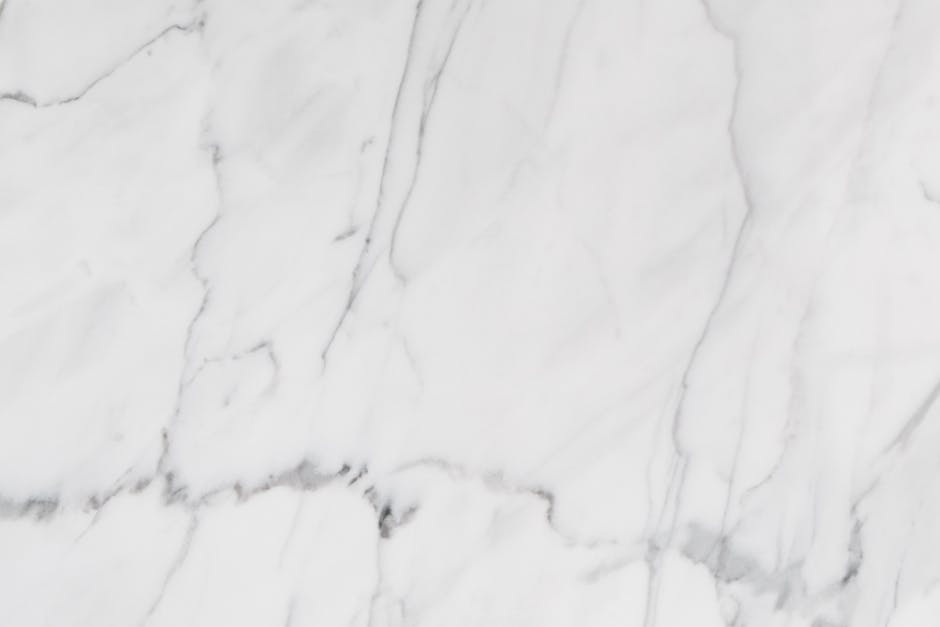
Marble demands significantly more attention and care. It requires professional sealing upon installation and resealing every 1-3 years, depending on usage and the quality of the initial seal. Daily maintenance involves using only pH-neutral cleaners specifically formulated for marble. Acidic cleaners, vinegar-based products, and even some commercial kitchen cleaners can etch the surface, creating dull spots that are difficult and expensive to repair. Spills must be cleaned immediately to prevent staining. Marble also requires regular polishing to maintain its glossy appearance and protective finish.
Cost of Ownership Over Time
While marble may have a lower initial purchase price in some cases, the total cost of ownership favors sintered stone when maintenance is factored in. Professional sealing and resealing services cost $300-$800 per application. Repairs for etching, staining, or scratching on marble can cost $500-$2,000 depending on severity. Sintered stone requires only occasional professional cleaning if desired, with no mandatory maintenance expenses beyond basic household cleaning supplies. Over a 10-year period, marble dining tables typically cost 40-60% more to maintain than sintered stone alternatives.
What Are Common Mistakes When Choosing Between Sintered Stone and Marble?
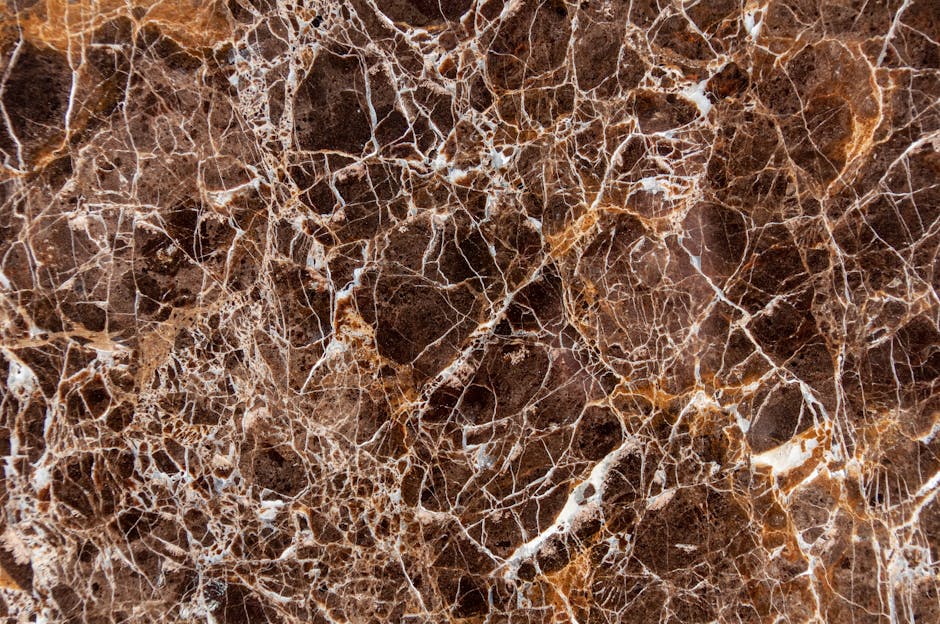
Many homeowners make purchasing decisions based on appearance alone, overlooking the practical implications of material choice. The most common mistake is selecting marble for its aesthetic appeal without considering lifestyle factors. If you have young children, pets, or frequently entertain with red wine and acidic foods, marble will likely disappoint you within 2-3 years as staining and etching accumulate.
Underestimating Maintenance Commitment
People often underestimate how much marble maintenance actually requires. They assume sealing it once will provide permanent protection, then are shocked when etching appears after normal use. Sintered stone buyers, conversely, sometimes overestimate its durability and treat it carelessly, though this rarely causes damage—it simply reflects a misunderstanding of how durable the material actually is.
Ignoring Lifestyle Compatibility
Another critical mistake is ignoring how your household actually uses a dining table. If your table serves as a homework station, craft workspace, or casual dining area rather than formal meals, sintered stone is objectively the better choice. Marble works best in formal dining rooms used primarily for special occasions. Matching material choice to actual usage patterns prevents buyer’s remorse and ensures satisfaction for years to come.
How Do You Choose the Right Dining Table Material for Your Home in 2026?
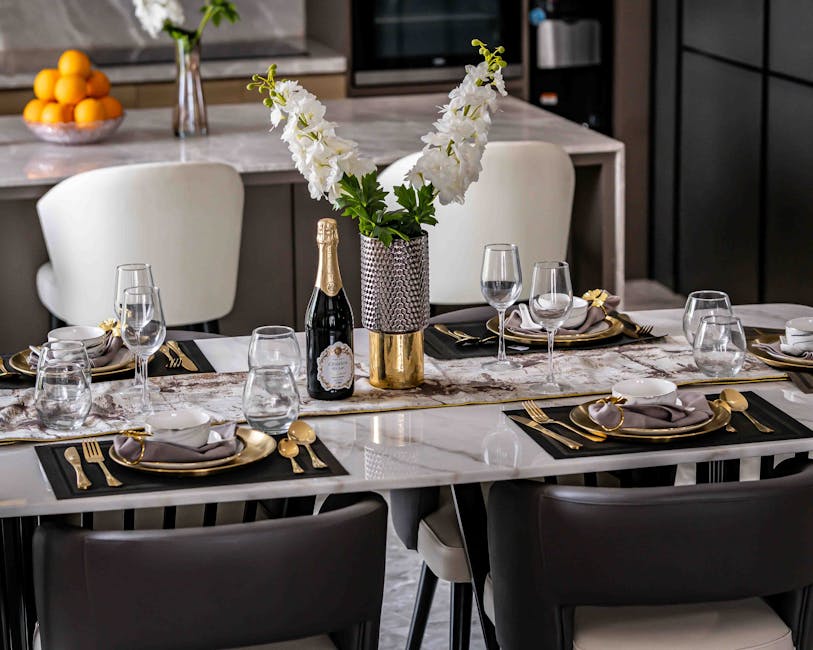
Selecting between sintered stone and marble requires honest assessment of your priorities, lifestyle, and budget. Start by evaluating how your household actually uses the dining table. Do you have children under age 10? Do you work from home and use the table as a desk? Do you frequently cook with acidic ingredients or enjoy wine with meals? Do you prefer low-maintenance solutions or enjoy detailed care routines? These questions directly determine which material suits you best.
Assessment Framework
Create a simple evaluation matrix. Rate your household’s compatibility with each material across five categories: daily wear tolerance, maintenance willingness, budget capacity, aesthetic preference, and lifestyle demands. Sintered stone scores highest on durability, maintenance ease, and suitability for active households. Marble excels in aesthetic appeal and formal settings. If durability and low maintenance rank as your top priorities, sintered stone is the logical choice. If you’re willing to invest time and money in care for the sake of natural stone beauty, marble may justify the additional commitment.
Budget Considerations
Consider your total budget including purchase price, installation, and anticipated maintenance costs over 10 years. Sintered stone typically costs $1,500-$4,000 for a quality dining table with minimal ongoing expenses. Marble ranges from $1,200-$5,000 for the table itself, plus $300-$800 annually for professional care. For households planning to keep their table for 15+ years, sintered stone’s lower total cost of ownership becomes increasingly advantageous. If you’re renovating according to a specific interior design style, sintered stone now comes in finishes that complement Japandi and Scandinavian aesthetics, offering flexibility that marble cannot match.
Visual Preference and Design Integration
Both materials offer aesthetic appeal, but in different ways. Marble provides timeless elegance with natural veining that adds character and luxury. Sintered stone offers modern sophistication with uniform appearance and contemporary finishes. Consider your home’s overall design direction and how the table functions as a focal point. Use design tools like 3D room planners to visualize how each material works within your actual space before making a final decision. This helps prevent costly mistakes based on imagination rather than practical visualization.
What Are the Long-Term Durability Advantages of Sintered Stone?
Sintered stone’s long-term durability advantages become increasingly apparent over years of ownership. The material maintains its appearance indefinitely without sealing, polishing, or special treatments. Scratches that do occur are minimal and typically invisible unless you’re looking for them. The surface doesn’t yellow, fade, or lose its protective qualities over time—a sintered stone table purchased in 2026 will function and appear essentially identical in 2036.
Resistance to Environmental Factors
Sintered stone resists environmental damage that affects marble. Temperature fluctuations, humidity changes, and seasonal variations don’t impact sintered stone. Marble can develop micro-cracks from thermal stress and may shift slightly with humidity changes, affecting seam integrity. UV exposure from sunlight fades marble over time, while sintered stone maintains consistent color indefinitely. These environmental factors make sintered stone superior for dining areas with large windows or variable climate conditions.
Repairability and Restoration
If sintered stone does sustain damage, repairs are straightforward and affordable. Minor chips can be filled with matching epoxy, and the surface can be refinished if needed. Marble damage, particularly etching, is often permanent and difficult to repair without professional intervention costing hundreds of dollars. This repairability advantage means sintered stone maintains resale value better than marble, as potential buyers view it as a more stable, less risky investment.
Frequently Asked Questions
Is sintered stone really more durable than marble for dining tables?
Yes, sintered stone is objectively more durable for dining tables. Its non-porous, engineered structure resists stains, scratches, heat, and chemicals far better than marble’s softer, porous composition. Sintered stone maintains its appearance with minimal maintenance, while marble requires professional sealing, careful handling, and frequent cleaning to prevent etching and staining.
Can marble dining tables handle everyday use?
Marble can handle everyday use if you’re willing to invest significant effort in care and maintenance. However, it’s more suitable for formal dining settings used occasionally rather than daily family meals. Marble requires immediate cleanup of spills, avoidance of acidic foods, and regular professional sealing to prevent permanent damage from normal household use.
How much does marble maintenance actually cost annually?
Marble maintenance typically costs $300-$800 annually for professional sealing and specialized cleaning services. Additional costs may include repairs for etching ($500-$2,000) or staining ($200-$1,000). Over a 10-year period, total maintenance expenses can exceed $5,000, making marble significantly more expensive than sintered stone to own long-term.
What happens if you spill wine on a sintered stone table?
Wine spills on sintered stone simply sit on the surface without penetrating. You can wipe it away immediately with no risk of staining. Even if you forget about the spill for hours, the non-porous surface prevents permanent damage. This same scenario on marble would likely cause permanent staining requiring professional restoration.
Does sintered stone scratch easily like marble does?
No, sintered stone is significantly harder than marble (6-7 on Mohs scale versus 3-4 for marble). Everyday use with knives, forks, and cutlery causes minimal visible scratching on sintered stone. Marble scratches readily from the same utensils, developing a worn appearance within months of regular use.
Which material is better for resale value?
Sintered stone typically maintains better resale value because buyers perceive it as a practical, durable investment requiring minimal maintenance. Marble appeals to luxury-focused buyers but carries the perception of high maintenance costs and potential damage from normal use, potentially reducing its appeal to practical homeowners.
Is Sintered Stone Worth Choosing Over Marble for Your Dining Table?
The answer depends entirely on your household’s priorities and lifestyle, but sintered stone emerges as the superior choice for most modern households in 2026. If durability, low maintenance, and practical functionality matter more than natural stone aesthetics, sintered stone is unquestionably worth choosing. The material delivers exceptional longevity, requires minimal care, resists damage from everyday use, and maintains its appearance indefinitely without professional intervention.
Sintered stone also offers better value over the product’s lifetime. While initial purchase prices may be comparable, sintered stone’s elimination of mandatory maintenance costs, professional sealing expenses, and repair bills makes it significantly more economical over 10-15 years. For families with children, pet owners, work-from-home professionals, and anyone who values convenience, sintered stone is the practical winner.
Marble remains an excellent choice if you’re willing to commit to its maintenance requirements and your dining table serves primarily as a formal furniture piece used occasionally rather than daily. Marble’s natural beauty and timeless elegance justify its higher maintenance demands for those who prioritize aesthetics and have the time and budget for proper care.
In practical terms, choose sintered stone if: you have an active household, young children, pets, limited time for maintenance, or you want maximum durability and minimum care requirements. Choose marble if: you have a formal dining room, you enjoy natural stone beauty, you’re willing to invest in professional care, and your table is used primarily for special occasions rather than daily meals.
The best approach is to honestly assess how your household actually uses a dining table, then make a decision aligned with that reality rather than aspirational ideals. A sintered stone table that serves your family well for 20 years provides far more value than a beautiful marble table that disappoints you within months due to unmet maintenance expectations. In 2026, the material that matches your actual lifestyle delivers the most satisfaction and longevity.










Write Your Review
No reviews yet. Be the first to share your experience!