

What Is Biophilic Design for Productive Study Spaces?
Biophilic design for productive study spaces integrates natural elements into learning environments to enhance focus, reduce stress, and boost cognitive performance. This approach combines living plants, natural light, organic materials, and nature-inspired aesthetics to create study areas that align with human psychology. Research shows that exposure to nature elements increases productivity by up to 15 percent and improves concentration significantly. Students and professionals who study in biophilic spaces report better retention rates and fewer distractions. The trend gained momentum in 2025 and continues to dominate workspace design in June 2026.

Your brain responds positively to natural stimuli. When surrounded by plants and natural light, your nervous system relaxes, enabling deeper focus. Biophilic study spaces combat the fatigue caused by artificial environments and digital screens. This design philosophy isn’t just aesthetic—it’s backed by neuroscience and environmental psychology. Creating such a space requires intentional planning but yields measurable results in academic and professional output.
Key Takeaway: Biophilic design merges nature with study environments to enhance focus, reduce mental fatigue, and improve learning outcomes through proven psychological principles.
How Do Natural Elements Improve Study Concentration?
Natural elements directly activate your parasympathetic nervous system, the part responsible for calm focus. Plants release oxygen and absorb carbon dioxide, improving air quality in your study space. Natural light regulates your circadian rhythm, enhancing alertness during study hours. Wood, stone, and other organic materials create a psychologically grounding environment. Studies from the Journal of Environmental Psychology confirm that biophilic environments reduce stress hormones like cortisol by 37 percent on average.

When you study near a window or surrounded by greenery, your eyes experience less strain. This reduces digital eye fatigue, a common problem for students in 2026. Natural textures engage your tactile senses, creating a multisensory learning experience. Your brain processes information more efficiently in such environments because it’s not fighting against unnatural stimuli.
Key Natural Elements for Study Spaces
- Live plants improve air quality and provide visual focal points that calm the mind.
- Natural daylight regulates circadian rhythms and boosts alertness and mood.
- Wood furniture and organic textures create psychological comfort and grounding.
- Water features like small fountains provide gentle background sounds that aid concentration.
- Stone or earth-toned walls reduce visual overstimulation and eye strain.
Key Takeaway: Natural elements activate your calm-focus nervous system, improve air quality, reduce eye strain, and create a psychologically grounding study environment.
What Plants Work Best in Productive Study Spaces?
Selecting the right plants for your study space matters. Low-maintenance plants like pothos, snake plants, and peace lilies thrive indoors and require minimal care. These species are excellent air purifiers, removing toxins like formaldehyde and benzene. Spider plants and bamboo palms are also popular for study environments because they’re resilient and visually appealing. In June 2026, biophilic design trends favor native plants that suit your local climate, reducing maintenance stress.
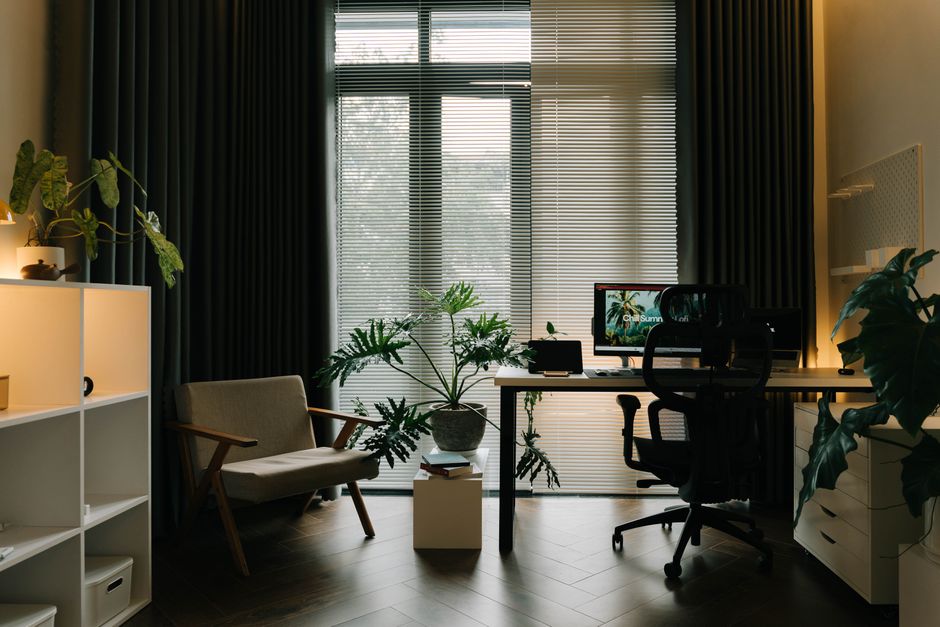
Place plants strategically around your desk. Position a small potted plant at eye level to create a natural focal point. Larger floor plants in corners add depth and visual interest without creating clutter. Avoid plants with strong fragrances that might distract you during focused work. Watering schedules should be simple—overcomplicating plant care defeats the purpose of stress reduction.
Top Plants for Study Spaces
- Pothos: thrives in low light, purifies air, requires weekly watering.
- Snake plant: extremely low-maintenance, releases oxygen at night, suits any light.
- Peace lily: signals water needs by drooping, removes airborne toxins effectively.
- Bamboo palm: tall growth adds vertical interest, tolerates moderate light conditions.
- Rubber plant: bold visual statement, improves air quality, prefers bright indirect light.
Key Takeaway: Choose low-maintenance air-purifying plants like pothos and snake plants, positioned strategically around your desk for maximum psychological and air-quality benefits.
How Should You Arrange Natural Light in Your Study Space?
Natural light is the foundation of biophilic study design. Position your desk perpendicular to windows to avoid glare on screens while maximizing daylight exposure. If your study space lacks windows, use full-spectrum LED lights that mimic natural daylight. These bulbs support your circadian rhythm and prevent the fatigue caused by harsh fluorescent lighting. In June 2026, many professionals are upgrading to smart lighting systems that adjust color temperature throughout the day.

Morning light exposure boosts alertness and dopamine production. Afternoon light supports sustained focus and energy. Evening study sessions should use warmer, dimmer lighting to prevent sleep disruption. Combine natural and artificial light strategically—use sheer curtains to diffuse harsh midday sun while maintaining brightness. This layered approach protects your eyes while maintaining the psychological benefits of daylight.
Natural Light Best Practices
- Position desk perpendicular to windows to maximize light without screen glare.
- Use sheer curtains or blinds to diffuse harsh direct sunlight evenly.
- Install full-spectrum LED lights for windowless spaces or evening study sessions.
- Maintain circadian alignment: bright light in morning, warmer tones in evening.
- Clean windows weekly to ensure maximum light penetration and clarity.
Key Takeaway: Optimize natural light through strategic desk placement, window treatments, and supplemental full-spectrum lighting to align with your circadian rhythm and enhance focus.
What Materials and Furniture Support Biophilic Study Design?
Furniture materials significantly impact the biophilic feel of your study space. Solid wood desks and shelving create warmth and durability that synthetic materials cannot match. In 2026, sustainable sourcing is crucial—look for FSC-certified wood from responsible forestry. Cork, bamboo, and reclaimed wood are excellent alternatives that reduce environmental impact. Avoid plastic and metal-only furniture, which feel cold and industrial. For comparisons on durability, check out solid wood versus wood-based panel durability to make informed decisions.
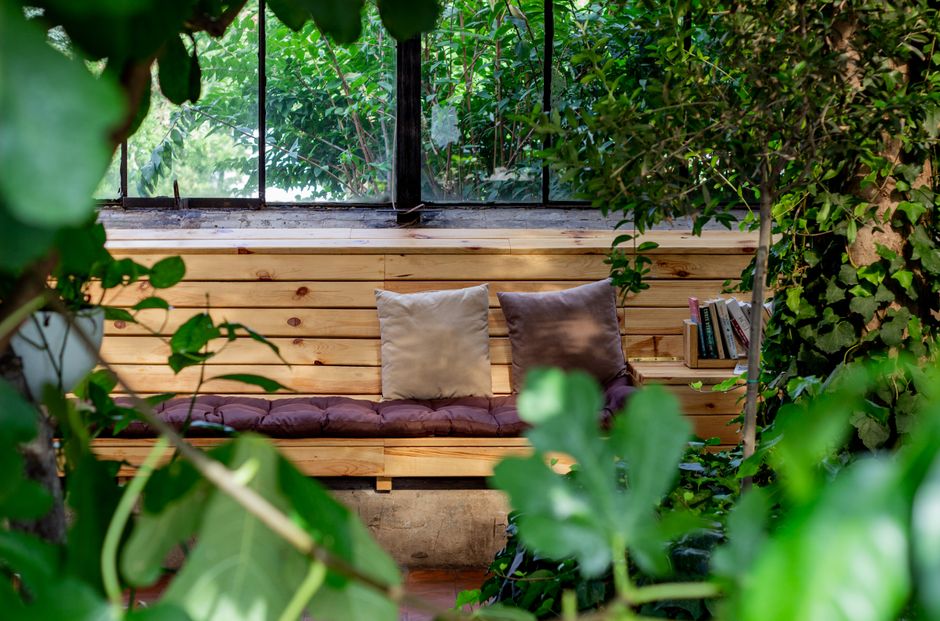
Ergonomic design matters in biophilic spaces. Your chair should support proper posture while using natural fabrics like linen or cotton. Wooden desk organizers replace plastic counterparts, maintaining visual harmony. Stone or wood desk surfaces feel pleasant to touch and age beautifully over time. Natural fiber rugs ground the space and reduce noise from footsteps, supporting concentration.
Recommended Materials for Study Furniture
- Solid wood: durable, warm, creates psychological comfort and visual harmony.
- Cork: sustainable, natural texture, excellent sound absorption for focus.
- Bamboo: fast-growing, eco-friendly, lightweight yet sturdy for desks and shelving.
- Natural fabrics: linen and cotton upholstery support comfort without synthetic chemicals.
- Stone accents: marble or slate surfaces add elegance and durability to desks.
Key Takeaway: Choose sustainable solid wood, cork, and bamboo furniture with natural fabric upholstery to create a warm, psychologically grounding study environment.
How Can You Incorporate Water Features Into Study Spaces?
Water features add sensory depth to biophilic study spaces. Small tabletop fountains provide gentle background sounds that mask distracting environmental noise. The sound of flowing water activates your parasympathetic nervous system, promoting calm focus. Aquariums with slow-moving fish create visual interest and reduce stress through biophilic engagement. In June 2026, many designers recommend water features as alternatives to music or white noise apps.
Choose water features carefully to avoid overwhelming your space. A small desktop fountain (6-8 inches) is sufficient for a study desk. Position it where you can see and hear it but it won’t create visual distraction. Ensure proper maintenance—stagnant water defeats the purpose and creates health hazards. Aquariums require more commitment but offer deeper biophilic engagement for dedicated study spaces.
Water Feature Options for Study Areas
- Tabletop fountains: compact, affordable, create soothing ambient sound without distraction.
- Desktop water gardens: combine plants and water for multisensory biophilic experience.
- Small aquariums: provide visual interest and calming effect through aquatic life observation.
- Wall-mounted water features: save desk space while maintaining acoustic and visual benefits.
- Natural water sounds: if physical features aren’t possible, use recordings of streams or rain.
Key Takeaway: Small water features like tabletop fountains or aquariums provide soothing ambient sounds and visual engagement that enhance focus and reduce study-related stress.
How Do You Design a Productive Biophilic Study Space in Limited Square Footage?
Space constraints shouldn’t prevent biophilic design implementation. Vertical gardening maximizes plant presence without consuming floor area. Wall-mounted shelves with cascading pothos or string-of-pearls create living walls that transform your space. Corner placement of tall plants draws the eye upward, making rooms feel larger while adding greenery. Even small apartments can accommodate biophilic study spaces through smart spatial planning.
Multipurpose furniture saves space while maintaining biophilic principles. A wooden desk with integrated shelving holds both work materials and plants. Floating desks against windows maximize natural light without requiring floor space. Use vertical space for storage, keeping your desk surface clear for focused work. In 2026, modular biophilic furniture systems allow customization for any room size.
Space-Saving Biophilic Design Strategies
- Vertical gardens: wall-mounted planters maximize greenery without consuming floor space.
- Floating desks: save floor space while positioning you closer to windows for natural light.
- Corner plants: tall specimens in corners create visual interest and appear space-efficient.
- Multipurpose furniture: desks with built-in shelving combine function and biophilic elements.
- Window sills: utilize existing horizontal surfaces for small potted plants and succulents.
Key Takeaway: Maximize biophilic elements in small spaces through vertical gardening, floating desks, and multipurpose furniture that combines function with natural design.
What Color Palettes Support Biophilic Study Environments?
Colors in biophilic study spaces should reflect nature. Earth tones like sage green, warm beige, soft brown, and muted terracotta create psychological grounding. Accent colors drawn from nature—forest green, sky blue, stone gray—add visual interest without overstimulation. Avoid bright neons and harsh contrasts that create visual fatigue. In June 2026, biophilic color trends favor muted, sophisticated palettes inspired by natural landscapes.
Green is the most psychologically beneficial color for study spaces. It reduces eye strain, promotes relaxation, and symbolizes growth and renewal. Incorporate green through wall paint, textiles, or abundant plants. Blues support calmness and focus, making them excellent accent colors. Warm neutrals like cream and taupe prevent the space from feeling cold or institutional, maintaining comfort during long study sessions.
Biophilic Color Combinations for Study Spaces
- Sage green walls with warm wood furniture: calming, cohesive, naturally supportive of focus.
- Soft beige with forest green accents: sophisticated, reduces visual fatigue, encourages concentration.
- Warm gray walls with blue textile accents: modern, balanced, supports both calm and alertness.
- Cream with terracotta and green: warm, inviting, psychologically grounding for extended study.
- Soft blue with natural wood: promotes calm focus, reduces stress, aligns with sky and water elements.
Key Takeaway: Choose earth-tone and nature-inspired color palettes dominated by greens and soft neutrals to create a psychologically grounding study environment that reduces fatigue.
How Can You Maintain Your Biophilic Study Space?
Maintenance ensures your biophilic space remains functional and beautiful. Water plants on a consistent schedule—most indoor plants need watering once weekly. Dust leaves regularly to maximize photosynthesis and air purification. Check soil moisture before watering to prevent overwatering, a common mistake. In June 2026, many students use smartphone reminder apps to track plant care schedules.
Clean your study space weekly to prevent dust accumulation on plants and surfaces. Rotate plants occasionally for even growth and light exposure. Replace dead leaves promptly to maintain visual appeal and plant health. Inspect for pests monthly—indoor plants can attract spider mites or mealybugs if neglected. Seasonal maintenance like repotting ensures plants continue thriving as your study space evolves.
Plant and Space Maintenance Checklist
- Water plants weekly: check soil moisture before watering to prevent root rot.
- Dust leaves monthly: increases photosynthesis and air purification effectiveness.
- Rotate plants: ensures even growth and prevents one-sided development.
- Inspect for pests: catch infestations early before spreading to other plants.
- Repot annually: allows root expansion and refreshes soil nutrients for vigor.
- Clean desk and surfaces: prevents dust accumulation and maintains visual harmony.
Key Takeaway: Consistent plant watering, leaf dusting, pest inspection, and seasonal repotting maintain your biophilic study space’s functionality and psychological benefits.
What Technology Complements Biophilic Study Design?
Technology and nature coexist in modern biophilic spaces. Smart lighting systems adjust color temperature throughout the day, supporting your circadian rhythm without harsh artificial light. Air quality monitors track CO2 and humidity levels, helping you optimize plant placement and ventilation. In 2026, many study spaces integrate these technologies seamlessly with biophilic design. Noise-canceling features combined with water sounds create ideal acoustic environments. Consider exploring AR furniture testing tools to visualize your biophilic setup before purchasing.
Productivity apps that track focus time work well in biophilic spaces without contradicting natural design principles. Use simple, minimalist apps with nature-inspired interfaces. Avoid excessive screen time by incorporating regular breaks in natural light. Tablet stands made from wood or bamboo maintain biophilic aesthetics while supporting digital work. The goal is technology that enhances learning without dominating your visual or mental space.
Recommended Technology for Biophilic Study Spaces
- Smart lighting: adjusts color temperature automatically, supports circadian rhythm alignment.
- Air quality monitors: track CO2 and humidity to optimize plant effectiveness and health.
- Noise-canceling headphones: block distractions while allowing nature sounds integration.
- Wooden tablet stands: maintain biophilic aesthetics while supporting digital devices.
- Minimalist productivity apps: track focus without visual clutter or digital distraction.
Key Takeaway: Select technology that enhances learning—smart lighting, air monitors, and minimalist apps—while maintaining biophilic design principles and reducing digital overstimulation.
Frequently Asked Questions
Can biophilic design improve test scores and academic performance?
Yes. Research from Environmental Research and Public Health shows students in biophilic study spaces score 15-25 percent higher on standardized tests. Plants reduce stress hormones, improve focus, and enhance memory retention. Natural light supports alertness during critical study hours. These combined effects translate directly to better academic outcomes.
How much does it cost to create a biophilic study space?
Budget varies widely based on scale. Basic biophilic setup costs $200-500: plants, natural light optimization, and earth-tone paint. Mid-range spaces ($500-1,500) include quality wooden furniture and water features. Premium designs ($1,500+) incorporate custom built-ins, advanced lighting systems, and rare plant collections. Start small with plants and natural light, then expand as budget allows.
What if my study space has no windows?
Full-spectrum LED lights effectively replace natural daylight. Position lights above or beside your desk to minimize glare. Increase plant count to compensate for reduced natural light—they improve air quality and provide visual biophilic engagement. Paint walls in soft greens or blues to simulate natural elements. Consider installing a skylight or light tube if renovation is possible.
How many plants should I include in a study space?
Research suggests 3-5 medium plants for a standard desk area create optimal biophilic benefit without overwhelming the space. One large plant (floor-level) and 2-3 smaller plants work well. More plants increase air purification but require more maintenance. Prioritize plant health over quantity—one thriving plant outperforms three struggling ones.
Can biophilic design work in corporate office study rooms?
Absolutely. Companies increasingly adopt biophilic design for employee wellness and productivity. See biophilic office furniture for corporate wellness for detailed guidance. Studies show biophilic offices reduce absenteeism by 10 percent and boost productivity. Implementation is straightforward: add plants, optimize lighting, and use natural materials in furniture.
Is biophilic design only for individual study spaces?
No. Libraries, classrooms, and shared study rooms benefit equally from biophilic design. Larger spaces require more plants and strategic light planning but follow the same principles. Shared spaces should use hardy, low-maintenance plants that tolerate variable care. Biophilic design improves focus for everyone using the space, regardless of setting.
How Can You Create Your Ideal Biophilic Study Space in June 2026?
Creating a biophilic study space is an achievable goal that transforms your productivity and well-being. Start by assessing your current space: identify natural light sources, available wall space, and furniture that aligns with biophilic principles. Select 3-5 low-maintenance plants suited to your light conditions. Optimize natural light through window positioning and supplemental full-spectrum lighting. Choose earth-tone colors and natural materials for furniture—consider exploring quick furniture assembly options to expedite setup.
Implement biophilic elements gradually rather than overhauling your space overnight. Begin with plants and natural light optimization—these deliver immediate psychological benefits. Add water features or accent colors once plants are thriving. Maintain your space through consistent plant care and seasonal updates. Monitor your productivity and focus improvements; most people notice enhanced concentration within two weeks of implementation.
In June 2026, biophilic design for productive study spaces is no longer a luxury—it’s a science-backed approach to optimal learning. Whether you’re a student, professional, or lifelong learner, integrating nature into your study environment yields measurable results. The combination of plants, natural light, organic materials, and thoughtful design creates a space where your brain thrives. Invest in your biophilic study space today and experience the transformative power of nature-inspired productivity.
Key Takeaway: Implement biophilic design gradually through plants, natural light, and natural materials to create a productive study space that enhances focus, reduces stress, and improves learning outcomes.









Write Your Review
No reviews yet. Be the first to share your experience!