

What Is a Biophilic Kitchen with Herbs and Why Style One in 2026?
A biophilic kitchen integrates living plants, natural materials, and nature-inspired design into your cooking space. Growing fresh herbs transforms your kitchen into a living ecosystem. This design trend connects you to nature daily while improving air quality and providing fresh ingredients. Biophilic kitchens reduce stress and boost mood through natural elements. They combine functionality with wellness, making cooking more enjoyable. In 2026, homeowners prioritize spaces that support mental health and sustainability. A herb-filled kitchen achieves both goals effortlessly.
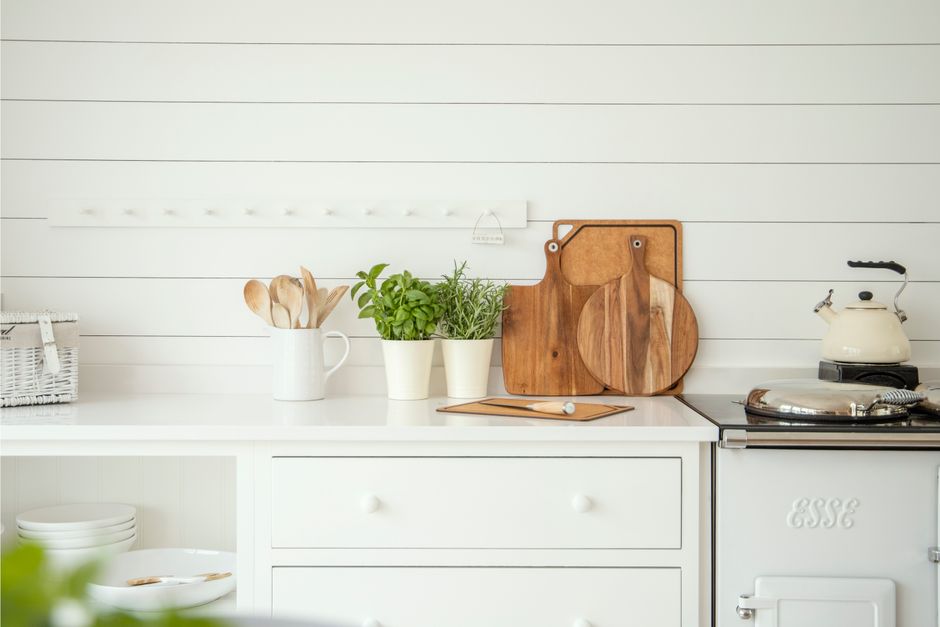
Styling a biophilic kitchen means blending practical herb growing with aesthetic design. You’ll use natural wood, stone, and living plants as focal points. Vertical gardens, window sills, and counter-top planters become design features. The kitchen becomes a space where nature thrives alongside modern appliances. This approach aligns with the broader biophilic design movement gaining momentum in home interiors. Research shows that kitchens with living plants increase user engagement and satisfaction significantly.
Key Takeaway: Biophilic kitchens with herbs merge wellness, sustainability, and beautiful design into your most-used home space.
How Do You Choose the Right Herbs for Your Kitchen Design?
Selecting herbs depends on light availability, your cooking style, and visual appeal. Basil, mint, parsley, and rosemary are kitchen staples with attractive foliage. These herbs tolerate indoor conditions and thrive on sunny window sills. Consider both culinary and decorative qualities when choosing your plants. Some herbs like oregano have trailing growth patterns perfect for hanging displays. Others like basil grow upright, ideal for shelf arrangements.
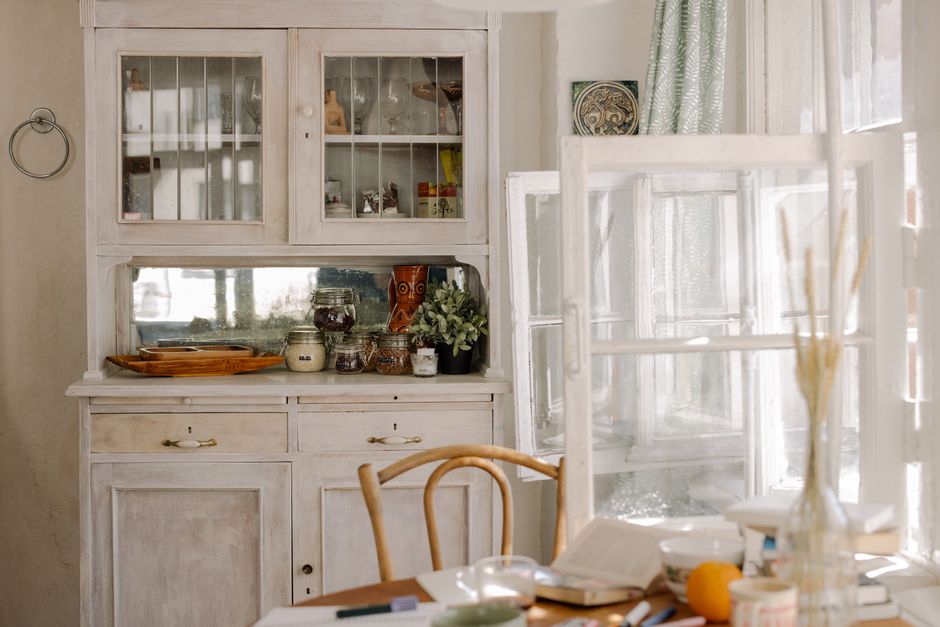
Light requirements vary significantly among herbs. Basil and rosemary need six to eight hours of direct sunlight daily. Parsley and mint tolerate partial shade better. Assess your kitchen’s natural light before purchasing. South-facing windows provide the best light for heat-loving herbs. North-facing windows work for shade-tolerant varieties like mint and chives.
Best Culinary Herbs for Kitchen Styling
- Basil: vibrant green leaves, compact growth, aromatic and culinary.
- Rosemary: silvery-green needles, woody stems, drought-tolerant and elegant.
- Mint: lush foliage, trailing habit, refreshing scent and hardy nature.
- Parsley: feathery leaves, upright form, nutritious and decorative.
- Thyme: delicate foliage, creeping growth, perfect for cascading displays.
- Oregano: dense foliage, trailing stems, Mediterranean aesthetic appeal.
Choose a mix of upright and trailing varieties for visual interest. Combine different leaf textures and colors to create depth. Variegated varieties like golden oregano add unexpected color. Flowering herbs like oregano and thyme provide seasonal blooms. This diversity makes your herb collection a dynamic design element throughout the year.
Key Takeaway: Select herbs based on your kitchen’s light conditions and choose a mix of textures and growth habits for visual appeal.
What Are the Best Placements for Herb Gardens in Your Kitchen?
Window sills remain the premier location for kitchen herbs. They provide natural light, easy access during cooking, and visual interest. Install narrow shelves on sunny windows to expand growing space. Ensure shelves support the weight of moist soil and containers. Use window-mounted planters that don’t obstruct views or block light. These placements keep herbs visible and accessible for daily harvesting.
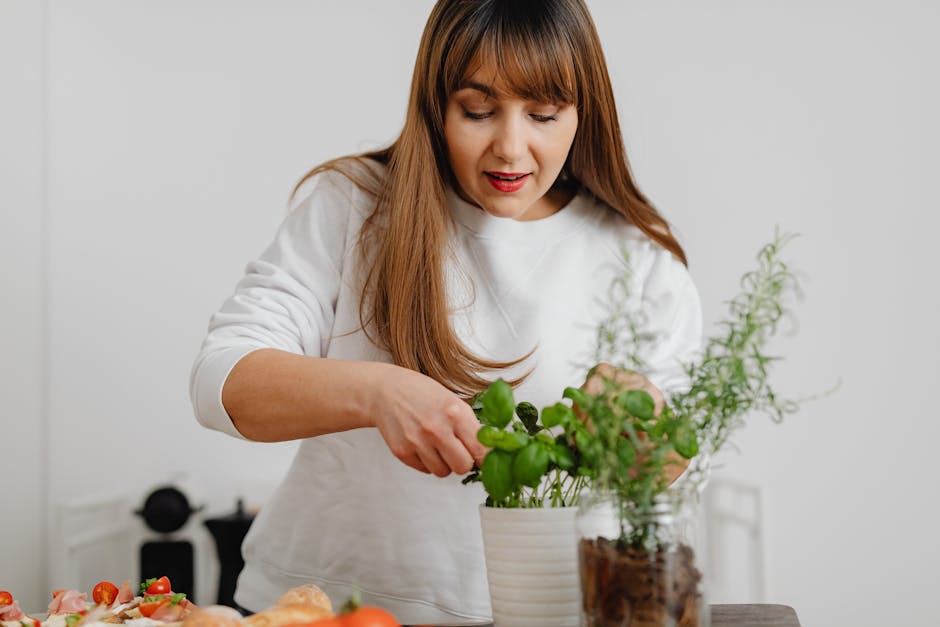
Vertical gardens maximize space in small kitchens. Wall-mounted planters, tiered stands, and hanging baskets create living walls. These installations draw the eye upward, making kitchens feel larger. Vertical arrangements work particularly well above counters or beside cooking areas. Ensure adequate drainage and water protection for walls behind installations. Stainless steel or ceramic backing protects surfaces from moisture damage.
Strategic Herb Placement Options
- Window sills: maximum natural light, easy access, classic placement.
- Floating shelves: space-efficient, adjustable heights, modern aesthetic.
- Hanging planters: saves counter space, creates visual interest overhead.
- Counter-top stands: compact footprint, portable, flexible arrangement.
- Wall-mounted grids: vertical growing system, space-saving, contemporary look.
- Open shelving units: displays herbs prominently, integrates with kitchen design.
Proximity to cooking areas matters significantly. Herbs near the stove or prep zone reduce steps during meal preparation. Consider moisture and heat exposure near cooking surfaces. Some herbs tolerate kitchen humidity better than others. Mint and parsley handle moisture well. Rosemary and thyme prefer drier conditions. Adjust placements based on your cooking patterns and kitchen layout.
Key Takeaway: Combine window sills with vertical solutions to maximize light and create a functional, visually striking herb display.
How Can You Design Containers and Planters That Match Your Kitchen Style?
Container selection defines your biophilic kitchen’s aesthetic. Natural materials like terracotta, ceramic, and wood align with biophilic principles. Terracotta provides classic charm and excellent drainage. Ceramic offers color and pattern options matching your kitchen palette. Wooden planters add warmth and organic texture. Choose containers with drainage holes to prevent root rot and water damage.
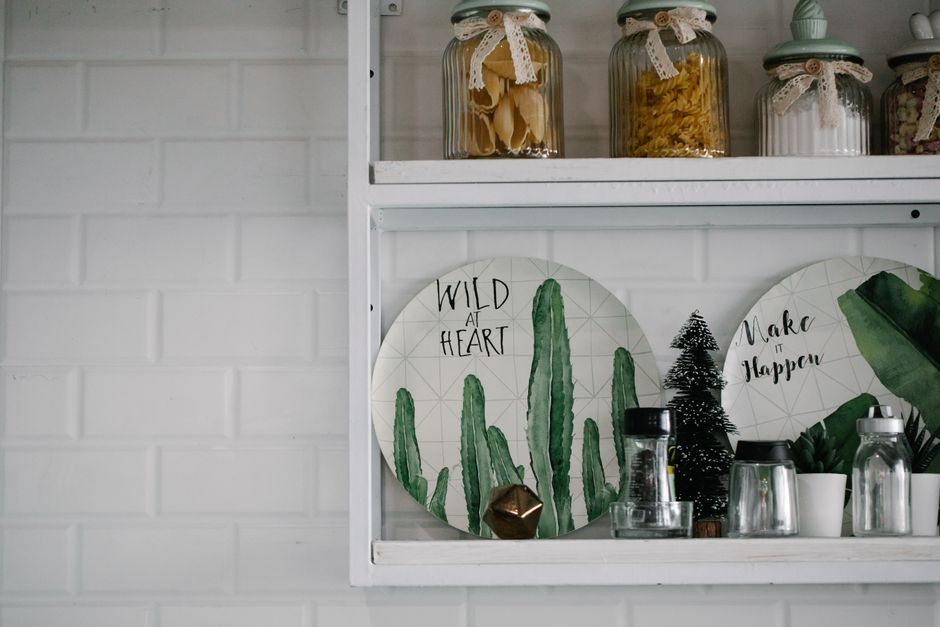
Matching containers creates visual cohesion. Use the same material or color family across your herb collection. Consistent sizing makes arrangements look intentional and organized. Mix container heights to create dynamic displays. Pair tall containers with trailing plants and shorter ones with compact herbs. This variation adds visual interest while maintaining design harmony.
Container Material and Style Guide
- Terracotta: porous, breathable, warm earthy tones, traditional aesthetic.
- Ceramic: glazed options, color variety, modern or rustic finishes.
- Wood: natural warmth, rustic appeal, requires drainage liners.
- Concrete: industrial look, modern minimalist style, durable and heavy.
- Recycled materials: sustainable choice, unique character, eco-friendly appeal.
Size matters for both plant health and visual balance. Herbs need containers at least six inches deep for root development. Wider containers prevent tipping as plants mature. Oversized containers retain too much moisture and cause root problems. Select sizes proportional to your kitchen’s scale. Large kitchens accommodate bigger planters. Compact spaces need smaller, more numerous containers. Ensure containers fit your window sills, shelves, or hanging systems securely.
Key Takeaway: Choose natural materials in coordinated styles to create a cohesive, biophilic herb garden that complements your kitchen design.
What Natural Materials and Finishes Enhance Biophilic Kitchen Design?
Natural wood integrates seamlessly with living herbs. Open wooden shelving displays herb containers beautifully. Reclaimed wood adds character and sustainability credentials. Pair wood with stone countertops or backsplashes for texture contrast. Wood finishes should be food-safe and moisture-resistant. Matte finishes reduce glare and feel more organic than glossy surfaces. Wood elements create warmth that complements green foliage naturally.
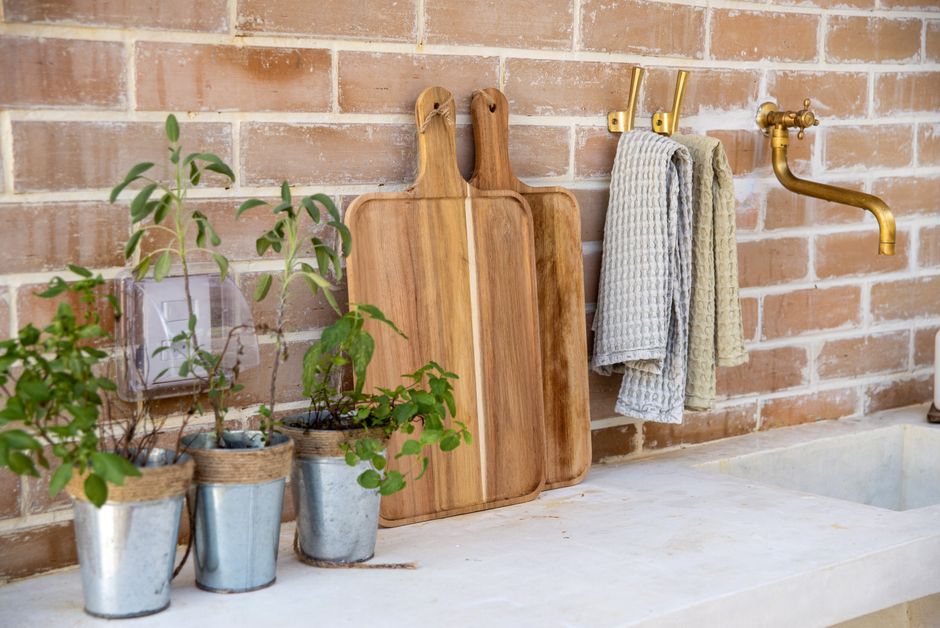
Stone and concrete introduce earthy grounding elements. Stone countertops provide durable, natural backdrops for herb displays. Concrete planters offer industrial-biophilic fusion aesthetics. These materials echo natural landscapes and create visual anchors. Combine smooth stones with organic plant forms. The contrast highlights the living elements in your design. Stone’s cool tones balance warm wood and vibrant green herbs.
Natural Material Integration Strategy
- Reclaimed wood shelving: sustainable, character-rich, supports herb containers.
- Stone countertops: durable, natural texture, complements green foliage.
- Concrete accents: modern biophilic style, industrial warmth, unique aesthetic.
- Natural fiber baskets: storage solution, organic texture, functional decor.
- Woven placemats: table styling element, natural materials, cohesive look.
Lighting enhances natural materials and herb visibility. Warm LED lights mimic natural sunlight without heat damage. Install lights above herb displays to highlight foliage and containers. Pendant lights over islands create ambiance while supporting plant growth. Natural daylight remains ideal, but supplemental lighting extends growing seasons. Position lights to cast shadows that emphasize texture and form. This layered lighting approach creates depth and visual interest in biophilic kitchens.
Key Takeaway: Combine reclaimed wood, stone, and concrete with warm lighting to create an authentic biophilic kitchen environment.
How Do You Maintain Healthy Herbs While Keeping Your Kitchen Stylish?
Watering consistency determines herb health and kitchen aesthetics. Overwatered herbs develop root rot and look droopy. Underwatered plants wilt and lose visual appeal. Most herbs prefer slightly moist soil, not soggy conditions. Check soil moisture daily by touching the top inch. Water when soil feels dry. Morning watering prevents evening moisture that encourages fungal issues. Consistent moisture creates healthy, vibrant displays that enhance your kitchen design.
Harvesting promotes bushier growth and maintains attractive form. Pinch off top leaves regularly to encourage branching. Remove dead or yellowing leaves promptly. Regular harvesting prevents leggy, sparse-looking plants. Trim herbs into rounded shapes for visual appeal. This maintenance doubles as culinary benefit, providing fresh ingredients constantly. Well-maintained herbs look intentional and cared-for, elevating your entire kitchen aesthetic.
Essential Herb Care Practices
- Water when top soil inch feels dry, not soggy.
- Harvest regularly to promote bushy, attractive growth.
- Remove dead leaves immediately for neat appearance.
- Provide six to eight hours of light daily.
- Rotate containers weekly for even light exposure.
- Fertilize monthly with balanced, food-safe fertilizer.
Pest prevention keeps your herbs and kitchen clean. Indoor herbs occasionally attract spider mites or aphids. Inspect plants weekly for pest signs. Spray affected plants with water or mild neem oil solution. Remove heavily infested plants immediately. Prevent pests by ensuring good air circulation around containers. Space plants apart to reduce humidity and pest spread. Healthy, well-maintained herbs resist pests naturally and maintain their visual appeal.
Key Takeaway: Consistent watering, regular harvesting, and proactive pest management keep herbs healthy and beautiful year-round.
What Color Palettes and Design Styles Work Best for Biophilic Kitchens?
Green dominates biophilic kitchens naturally through herb foliage. Coordinate cabinet and wall colors with this dominant green. Soft sage, pale green, or neutral whites complement herb displays. Avoid competing greens that clash with living plants. Let herbs be the primary color focal point. Neutral backgrounds make green foliage pop visually. This approach keeps designs timeless and flexible as herb varieties change seasonally.
Warm earth tones create inviting biophilic spaces. Terracotta, ochre, and warm beige pair beautifully with green herbs. These colors echo natural landscapes and soil tones. Incorporate them through containers, backsplash tiles, or accent walls. Warm lighting enhances earth-tone palettes. This combination creates cozy, nature-connected kitchens that feel grounded and peaceful. The warmth balances cool greens for visual harmony.
Color Palette Combinations for Biophilic Kitchens
- Sage green walls with terracotta herb pots and wood shelving.
- Neutral white cabinetry with warm wood accents and green herb displays.
- Soft beige walls with concrete planters and minimalist herb arrangements.
- Light gray tones with natural wood and vibrant green foliage contrast.
- Cream backgrounds with warm brass fixtures and earthy container colors.
Japandi and Scandinavian styles align well with biophilic kitchens. Japandi emphasizes simplicity, natural materials, and mindful design. Scandinavian style prioritizes light, functionality, and nature connection. Both styles embrace herbs as design elements and functional features. Minimalist arrangements with carefully selected plants create intentional, peaceful spaces. These design philosophies complement biophilic principles perfectly. Learn more about Japandi design principles to apply similar aesthetics to your kitchen.
Key Takeaway: Use neutral or warm earth-tone backgrounds to let herb greenery shine as your primary design feature.
How Do You Integrate Herb Kitchens with Modern Appliances and Technology?
Biophilic design doesn’t require sacrificing modern convenience. Herb displays coexist beautifully with contemporary appliances. Position herb gardens away from major appliances to prevent heat and moisture exposure. Keep herbs visible from main kitchen areas for constant connection. Modern stainless steel appliances contrast attractively with organic herb displays. This juxtaposition creates dynamic, contemporary biophilic spaces. Technology enhances rather than detracts from nature-inspired design when placed thoughtfully.
Smart watering systems support herb health without visual clutter. Drip irrigation systems deliver consistent moisture automatically. Timer-controlled systems reduce daily maintenance. These technologies remain hidden or integrate seamlessly with container designs. Grow lights with timers extend growing seasons without disrupting aesthetics. Choose fixtures that complement your kitchen style. Modern technology enables year-round herb growing in biophilic kitchens. Explore how biophilic lighting design enhances spaces to understand how to integrate grow lights effectively.
Technology Integration for Herb Gardens
- Automated drip irrigation: consistent watering, hidden systems, reduces daily tasks.
- Grow light fixtures: modern design, timer controls, extends growing seasons.
- Moisture sensors: smart monitoring, prevents overwatering, app notifications.
- Adjustable shelving: adaptable to plant heights, modern aesthetic, flexible.
Countertop space remains premium in functional kitchens. Vertical herb solutions preserve counter real estate for food preparation. Wall-mounted systems, hanging planters, and shelf displays keep surfaces clear. This balance maintains kitchen functionality while adding biophilic elements. Modern kitchens require efficient layouts. Herb gardens should enhance, not hinder, workflow. Thoughtful placement ensures herbs beautify without compromising practical use. Your kitchen remains a functional cooking space first, with nature-inspired design enhancing the experience.
Key Takeaway: Integrate smart watering systems and grow lights discreetly to support herb growth while preserving kitchen functionality and aesthetics.
What Practical Steps Can You Take to Start Your Biophilic Herb Kitchen Today?
Begin with assessment and planning before purchasing herbs or containers. Evaluate your kitchen’s light availability throughout the day. Note which areas receive direct sunlight and for how long. Identify available wall space, shelf space, and window sill dimensions. Consider your cooking habits and which herbs you use most frequently. This foundation ensures successful herb growth and design integration. Take photos of your kitchen from different angles to visualize herb placements.
Create a design mood board combining inspiration images, color swatches, and container styles. Research biophilic design principles and their application to kitchens. Sketch potential herb garden layouts on your kitchen floor plan. This planning prevents costly mistakes and ensures cohesive design. Start small with three to five herb varieties. Expand gradually as you develop care skills and design preferences. Successful biophilic kitchens evolve over time rather than appearing overnight.
Step-by-Step Implementation Guide
- Step 1: Assess light availability and identify optimal placement zones.
- Step 2: Choose three to five herbs matching your light conditions.
- Step 3: Select containers in coordinated materials and colors.
- Step 4: Install shelving, hanging systems, or stands as needed.
- Step 5: Pot herbs using quality potting soil with good drainage.
- Step 6: Place herbs in their locations and establish watering routines.
- Step 7: Monitor growth and adjust placements based on performance.
- Step 8: Expand collection gradually with new varieties and arrangements.
Budget considerations guide realistic implementation timelines. Quality containers and shelving represent initial investments. Herbs themselves cost minimal amounts. Spread purchases across several months if needed. DIY solutions reduce costs significantly. Upcycled containers, reclaimed wood shelves, and simple propagation from cuttings minimize expenses. Prioritize quality in foundational elements like shelving and containers. Invest in herbs gradually as your system develops. Biophilic kitchens don’t require expensive overhauls. Thoughtful, incremental changes create beautiful, sustainable results.
Key Takeaway: Plan carefully, start small with five herbs maximum, and expand gradually as you develop expertise and refine your design vision.
Frequently Asked Questions
Can I grow herbs in a kitchen without natural sunlight?
Yes, you can grow herbs under grow lights if your kitchen lacks natural sunlight. LED grow lights provide spectrum-specific light that supports photosynthesis. Position lights six to twelve inches above plants and run them twelve to sixteen hours daily. Herbs like mint and parsley tolerate lower light better than basil and rosemary. Supplemental lighting extends growing seasons in any kitchen. Modern fixtures integrate seamlessly into biophilic designs without visual disruption.
Which herbs are easiest for beginners to grow indoors?
Mint, parsley, and chives are the most forgiving indoor herbs. These varieties tolerate inconsistent watering and lower light conditions. They grow quickly, providing visible results that encourage continued gardening. Basil follows closely as a beginner-friendly herb with beautiful foliage. Start with these hardy varieties before attempting more demanding herbs like rosemary or oregano. Success with easy herbs builds confidence for expanding your collection.
How often should I harvest my kitchen herbs?
Harvest herbs regularly once they reach six inches tall. Pinch off top leaves two to three times weekly for basil and mint. This frequent harvesting encourages bushier growth and prevents flowering. Parsley and thyme tolerate less frequent harvesting every two to three weeks. Never remove more than one-third of the plant at once. Regular harvesting keeps herbs attractive while providing fresh ingredients constantly for cooking.
What’s the best way to prevent pest problems in indoor herb gardens?
Inspect plants weekly for pest signs like yellowing leaves or sticky residue. Ensure good air circulation around containers to prevent humid conditions pests favor. Isolate any infested plants immediately to prevent spread. Spray affected herbs with water or diluted neem oil solution. Remove heavily infested plants rather than treating them extensively. Healthy, well-maintained herbs resist pests naturally. Prevention through proper care remains far more effective than treatment.
Can I use my kitchen herbs for cooking immediately after planting?
Wait two to three weeks before harvesting newly planted herbs. This allows root systems to establish and plants to gain strength. Light harvesting of a few leaves earlier is acceptable once plants reach six inches. Avoid heavy harvesting during the first month. Established plants tolerate regular harvesting better and recover quickly. Patience during initial growth ensures healthy, productive herbs for months or years of culinary use.
How do I choose between window sill and vertical wall arrangements?
Window sills work best if your kitchen has sunny south-facing windows. They provide excellent natural light and easy access. Vertical arrangements maximize space in kitchens with limited window real estate. They create dramatic visual impact and draw eyes upward. Many kitchens benefit from combining both approaches. Use window sills for light-demanding herbs and walls for shade-tolerant varieties. Choose based on your specific kitchen layout and light conditions.
How Can You Create a Biophilic Kitchen with Herbs That Grows with Your Lifestyle?
Biophilic kitchens with herbs represent more than aesthetic choices. They reflect a lifestyle prioritizing wellness, sustainability, and connection to nature. Your herb garden evolves as your cooking interests and design preferences develop. Start with foundational herbs you use regularly. Expand gradually with seasonal varieties and experimental flavors. This organic growth creates a kitchen that feels authentically yours. The space becomes a living expression of your values and interests rather than a static design trend.
Maintaining your biophilic kitchen requires consistent but minimal effort. Daily watering and weekly harvesting become meditative rituals. These simple practices connect you to natural cycles and seasonal changes. Your kitchen becomes a wellness space supporting mental health through nature interaction. The fresh herbs improve your cooking while living plants purify air and reduce stress. This integration of function and wellness distinguishes biophilic design from purely decorative approaches. Your kitchen becomes a sanctuary where cooking, eating, and nature connection merge seamlessly.
Looking forward to 2026 and beyond, biophilic design continues gaining importance in home spaces. Kitchens with living herbs align with broader wellness and sustainability movements. Your investment in herb gardens supports both personal wellbeing and environmental responsibility. Fresh, homegrown herbs reduce packaging waste and food miles. This sustainable approach appeals to environmentally conscious homeowners. As biophilic design becomes mainstream, herb-filled kitchens represent sophisticated, thoughtful living. Explore more about biophilic design benefits for stress reduction to understand the broader wellness advantages of nature-connected spaces. Your kitchen becomes a beautiful, functional, and meaningful part of your home and life.
Key Takeaway: Create a biophilic herb kitchen that grows with your lifestyle, combining wellness, sustainability, and personal expression into a space that truly serves your needs.










Write Your Review
No reviews yet. Be the first to share your experience!