

How Can You Create a Japandi Bedroom on a Budget in 2026?
Japandi design—a harmonious blend of Japanese minimalism and Scandinavian functionality—creates serene, clutter-free bedrooms that don’t require luxury price tags. The key to achieving this aesthetic affordably is prioritizing natural materials, neutral color palettes, and intentional simplicity over expensive statement pieces. By focusing on quality basics like wooden bed frames, linen bedding, and unadorned walls, you can build an authentic Japandi bedroom for under $1,500. The style emphasizes craftsmanship and purposeful design rather than costly items, making it inherently budget-friendly. In June 2026, affordable retailers increasingly stock Japandi-inspired pieces, and strategic thrifting combined with DIY touches can elevate your space dramatically. Understanding the core principles—minimalism, natural materials, and functional beauty—allows you to make smart purchasing decisions that align with both your budget and aesthetic vision. This guide reveals exactly how to layer these elements without overspending, transforming your bedroom into a calm, inviting sanctuary that reflects both Japanese and Scandinavian design philosophies.
What Are the Core Principles of Japandi Design for Bedrooms?
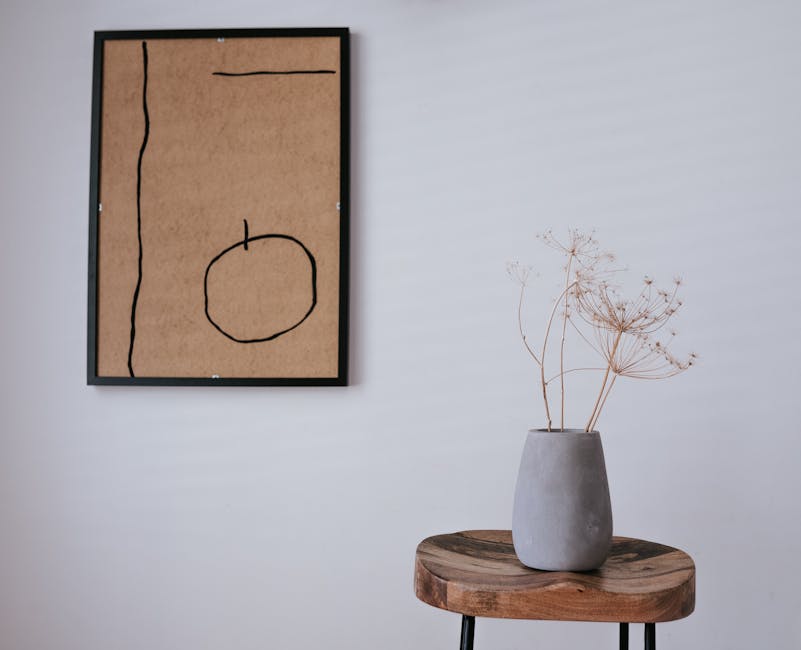
Japandi design merges two distinct philosophies: Japanese wabi-sabi (finding beauty in imperfection and impermanence) and Scandinavian lagom (living with just the right amount). In bedroom contexts, this translates to spaces that feel intentional, uncluttered, and deeply restful. The style prioritizes negative space—leaving walls and surfaces largely bare—which paradoxically makes small budgets work harder for you since you’re not filling every corner with decor.
Minimalism as a Budget Strategy
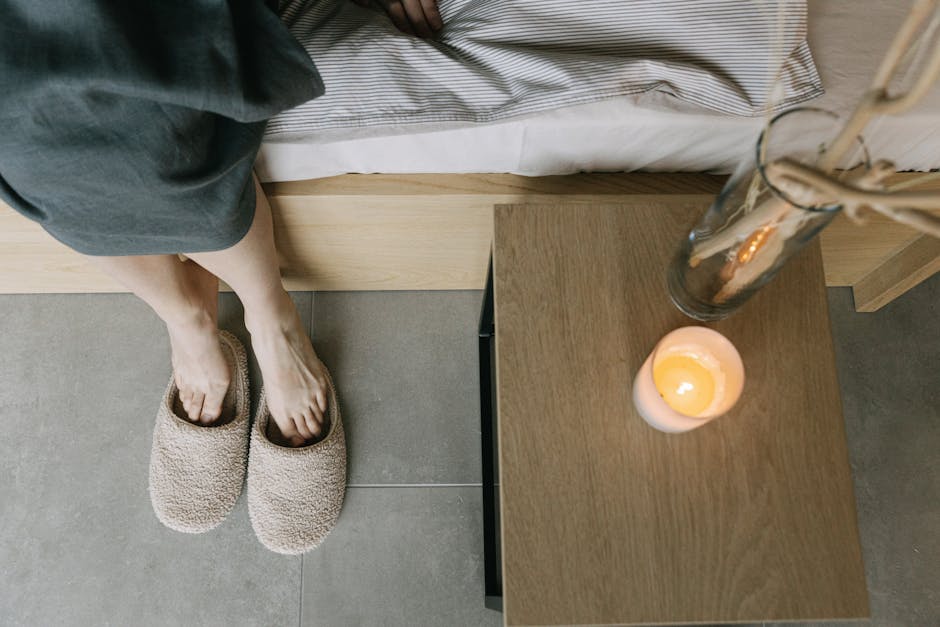
True Japandi minimalism means owning fewer, better pieces rather than many cheap items. This philosophy naturally constrains spending because you’re curating rather than accumulating. A single, well-chosen wooden nightstand costs less over time than replacing three flimsy alternatives. By adopting this mindset, budget becomes an asset—it forces intentionality. You’ll research purchases carefully, seek quality basics, and avoid impulse buys that clutter the space and drain savings.
Natural Materials as Foundation
Japandi relies heavily on natural materials: wood, linen, wool, bamboo, and stone. The good news is that natural doesn’t always mean expensive. Unfinished wood, raw linen, and simple wool blankets are often cheaper than synthetic alternatives because they require minimal processing. Shopping for these materials at discount retailers, warehouse stores, or during sales makes them accessible. The beauty of natural materials is they age gracefully—a linen bedspread becomes softer and more beautiful with use, justifying the initial investment.
How Do You Choose Budget-Friendly Japandi Bedroom Furniture?
Furniture selection makes or breaks a Japandi bedroom, especially on a budget. The strategy is to invest in one or two anchor pieces—typically the bed frame and a simple dresser—while sourcing smaller items affordably. Unlike maximalist styles that hide mediocre pieces under layers of decor, Japandi exposes every item, so quality matters more than quantity. However, quality doesn’t mean designer-brand expensive; it means solid construction, natural materials, and timeless design that won’t look dated in five years.
Bed Frame Selection
Your bed frame is the bedroom’s focal point and deserves careful consideration. Look for simple wooden frames without ornate details—a low-profile platform bed or basic wooden frame from budget retailers costs $200–$400 and achieves authentic Japandi aesthetics. Avoid upholstered frames; they contradict the style’s material honesty and cost more. Natural wood finishes—oak, pine, or birch—work beautifully and are widely available. Consider flat-pack options from retailers like IKEA, which align with Scandinavian design principles and offer significant savings. For more insights on furniture assembly options, explore how assembled versus flat-pack furniture compares in cost.
Storage and Dressers
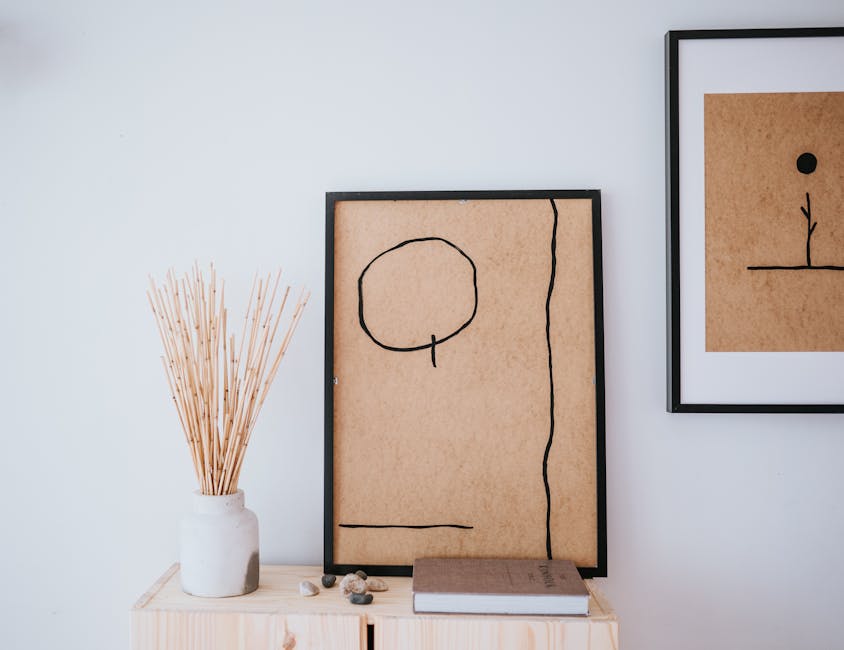
Japandi bedrooms require smart storage to maintain their uncluttered appearance. A simple wooden dresser or chest ($150–$300) provides essential storage while contributing to the aesthetic. Look for pieces with clean lines, minimal hardware, and natural finishes. Floating shelves made from reclaimed wood or simple pine boards offer affordable alternatives to traditional dressers. The key is choosing storage that’s visually calm—avoid pieces with glass fronts, mirrors, or decorative elements that create visual noise.
Nightstands and Bedside Tables
Japandi nightstands should be minimal and functional. A simple wooden table or cube ($50–$150) works perfectly. Some budget-conscious designers skip matching pairs entirely, using a single small table or even a low stool beside the bed. This unconventional approach actually strengthens the design by emphasizing intentionality. Thrift stores frequently stock simple wooden tables that, with a light sanding and natural oil finish, become perfect Japandi pieces at a fraction of retail cost.
What Color Palette and Wall Treatments Work Best on a Budget?
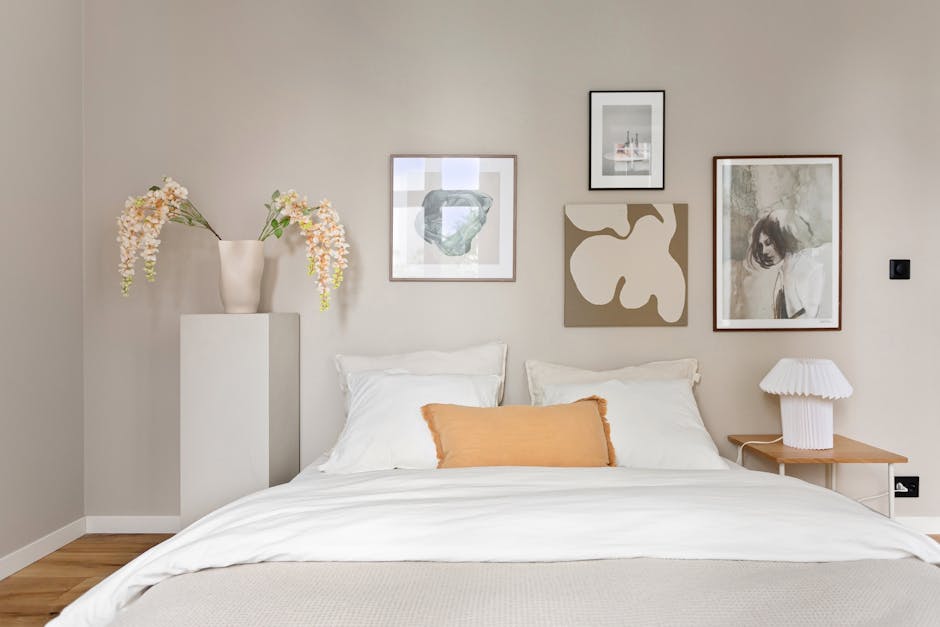
Japandi color schemes are inherently budget-friendly because they rely on neutral, timeless hues that require no repainting or expensive wallpaper. The palette typically includes soft whites, warm grays, warm beiges, and soft blacks, with occasional touches of muted greens or warm browns inspired by natural materials. This restraint means you can live with your walls as-is or apply a single, inexpensive paint color that works for years.
Paint Choices
If walls need refreshing, choose one neutral tone for all walls—painting an accent wall contradicts Japandi principles. Soft whites and warm grays are universally flattering and inexpensive; budget paint brands ($15–$30 per gallon) perform adequately on bedroom walls. Matte or eggshell finishes suit the style better than glossy options and hide imperfections, reducing prep work. One gallon typically covers a standard bedroom, keeping paint costs minimal. Consider leaving one or two walls unpainted if they’re in good condition; asymmetry is acceptable in Japandi design if it’s intentional.
Textured Wall Elements
Instead of wallpaper or paint, create visual interest with texture. A simple wooden wall panel or shiplap (DIY or budget-friendly) adds warmth without expense. Alternatively, hang a large fabric tapestry or plain linen sheet behind the bed as a headboard alternative—this costs $20–$50 and creates a focal point. Exposed brick, if your bedroom has it, needs no treatment and perfectly suits the style. The principle is using what you have or finding free/cheap solutions rather than purchasing decorative wall treatments.
How Do You Select and Style Bedding for a Japandi Bedroom?
Bedding is where Japandi design truly shines on a budget. The style demands natural, high-quality fabrics—linen, cotton, and wool—but these needn’t be luxury-brand expensive. In June 2026, many mainstream retailers offer affordable linen and cotton bedding that meets Japandi standards. The key is choosing neutral colors, simple patterns (or none), and quality weaves that will last years, making per-use cost very reasonable.
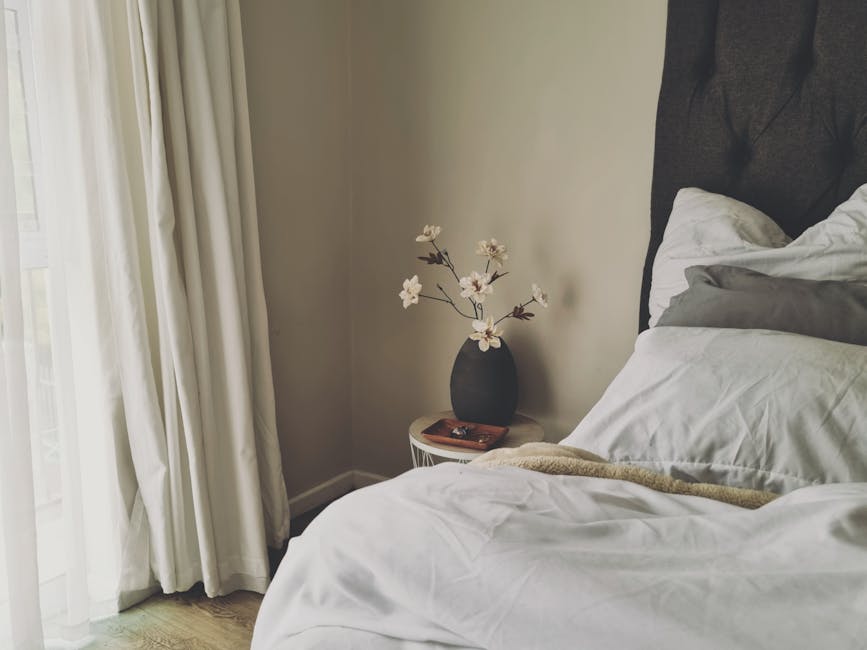
Linen and Cotton Essentials
A basic Japandi bed consists of a fitted sheet, flat sheet, and duvet cover in natural colors—white, cream, soft gray, or warm beige. Budget retailers like Target, Walmart, and online options offer linen or linen-blend bedding for $40–$80 per piece, significantly cheaper than luxury brands. Cotton percale sheets ($25–$50) provide a crisp, natural alternative. The beauty of these materials is they improve with washing, becoming softer and more textured. Avoid synthetic blends, patterned prints, and heavy quilting; simplicity is both more authentic and more affordable.
Layering and Texture
Create depth without clutter by thoughtfully layering. A simple duvet, one or two throw pillows in neutral tones, and a lightweight wool or cotton throw blanket ($30–$60) complete the look. Thrift stores offer excellent deals on wool blankets and quilts; choose pieces in neutral colors and simple weaves. Avoid decorative pillows and excessive layering—Japandi beds look intentional, not overdressed. One or two pillows with neutral linen covers suffice; add a single accent pillow in a muted natural tone if desired.
How Can You Incorporate Plants and Natural Elements Affordably?
Plants are essential to Japandi design, bringing nature indoors and supporting the style’s connection to natural beauty. The good news is plants are inexpensive—a small pothos or snake plant costs $5–$15 at any garden center. The key is choosing low-maintenance varieties that thrive in bedroom conditions and displaying them in simple, natural containers. This approach aligns with biophilic design principles; learn more about how biophilic design reduces stress.
Plant Selection and Placement
Bedroom plants should be calming and low-maintenance. Snake plants, pothos, peace lilies, and bamboo palms thrive in varied light and don’t demand frequent watering. Place one or two plants on nightstands, dressers, or shelves—not scattered everywhere. A single large plant in a corner creates a focal point without visual clutter. Thrift stores and plant swaps offer free or cheap mature plants; propagating cuttings from friends’ plants costs nothing and aligns with the style’s appreciation for natural growth and imperfection.
Natural Containers and Planters
Skip expensive ceramic planters; use simple terra cotta ($3–$8), unglazed ceramic, or wooden boxes. Thrifted ceramic vessels, glass jars, or even small wooden crates work beautifully. The key is choosing neutral colors and simple shapes that don’t compete with the plant. Woven baskets ($10–$30) add warmth and texture while hiding less-attractive pots. Natural materials and understated design align perfectly with Japandi principles while keeping costs minimal.
How Do You Source Affordable Japandi Decor and Accessories?
Japandi bedrooms use minimal decor, which is excellent news for budgets. Rather than filling shelves and walls, you’ll select just a few meaningful pieces—perhaps a simple wooden box, a small ceramic vessel, or a framed piece of natural wood. This restraint makes even modest budgets stretch far because you’re buying very little. The challenge is finding pieces that are authentically minimal rather than just sparse.
Thrifting and Secondhand Shopping
Thrift stores are Japandi treasure troves. Look for simple wooden boxes, ceramic vessels, small wooden stools, and vintage wooden frames. Prices range from $2–$20, and the imperfect, aged quality of secondhand items perfectly embodies wabi-sabi philosophy. Estate sales and online marketplaces often have beautiful wooden pieces, simple ceramics, and natural textiles at fractions of retail cost. The hunt itself becomes part of the design process—you’re curating a space with intention and history.
DIY and Upcycling
Create custom decor by sanding and finishing thrifted wooden pieces, repurposing glass jars as storage, or framing pressed leaves or simple botanical prints (free or $5 from online sources). A simple wooden tray becomes a nightstand organizer; a plain wooden box stores bedside essentials. These projects cost nearly nothing and add personal meaning to your space. Japandi celebrates the beauty of simple, functional objects—DIY pieces often embody this better than purchased decor.
How Do You Design Lighting That Enhances Japandi Aesthetics on a Budget?
Lighting profoundly affects bedroom atmosphere, and Japandi design emphasizes soft, warm, natural light supplemented by simple fixtures. Budget-friendly options abound: simple pendant lights, basic table lamps, and string lights can all work within Japandi aesthetics if chosen thoughtfully. The principle is avoiding ornate fixtures, harsh overhead lighting, and anything that feels unnecessarily decorative. For deeper insights on lighting’s role in design, explore how lighting supports biophilic design.
Pendant and Overhead Fixtures
Skip expensive designer pendant lights; budget retailers offer simple wooden, paper, or metal fixtures for $30–$80. Look for minimalist designs—a simple wooden pendant, paper lantern, or basic metal shade. Avoid anything with excessive ornamentation or bright finishes. If your bedroom has recessed or basic overhead lighting, leave it as-is; Japandi doesn’t require statement fixtures. Install a dimmer switch ($15–$30) to control light intensity, creating the soft ambiance essential to the style.
Table Lamps and Bedside Lighting
A simple wooden or ceramic table lamp on each nightstand ($25–$60 each) provides warm task lighting. Look for lamps with natural materials, neutral shades, and minimal design. Thrift stores frequently have simple wooden or ceramic lamps for $5–$20; replace shades with plain linen or paper ($10–$20) to update them. Alternatively, use small clip lamps or adjustable reading lights that take up minimal space. The goal is functional, warm light that supports relaxation without drawing attention to the fixture itself.
What Common Mistakes Should You Avoid When Styling a Budget Japandi Bedroom?
Even with careful planning, budget constraints can lead to design compromises that undermine Japandi aesthetics. Understanding common pitfalls helps you allocate resources wisely and avoid purchases you’ll regret. The most frequent mistake is buying cheap items that look cheap—synthetic fabrics, flimsy furniture, and poorly finished pieces contradict Japandi’s emphasis on quality and natural materials. Another error is over-decorating; the urge to fill space with budget decor items defeats the style’s minimalist purpose. Finally, mismatched materials and finishes create visual chaos rather than calm.
Avoiding Low-Quality Materials
Cheap polyester bedding, particle-board furniture, and plastic accessories undermine Japandi design and don’t save money long-term—they require replacement within a year or two. Instead, invest modestly in quality basics: natural fiber bedding, solid wood furniture, and genuine materials. A $60 linen sheet lasts years and becomes more beautiful with age; a $20 polyester alternative pills and fades. This approach actually saves money because you’re buying once and living with pieces for years rather than constantly replacing cheap alternatives.
Resisting Impulse Decorative Purchases
Budget shopping can trigger impulse buys—cute items that seem inexpensive but clutter your space. Before purchasing anything, ask: “Does this serve a function or enhance calm?” If the answer is no, skip it. Japandi bedrooms thrive with empty wall space, clear surfaces, and minimal objects. A $10 decorative item you don’t love wastes money and visual space. Thrifting makes this harder because deals tempt you, but restraint is essential. Set a budget for decor ($100–$200 total) and stick to it, purchasing only pieces you’ll live with for years.
Ensuring Material Cohesion
Mixing too many finishes—glossy wood with matte metal with plastic—creates visual discord. Instead, limit your material palette: natural wood, simple metal, ceramic, and natural textiles. If you choose a warm wood tone, repeat it throughout; if you select brushed metal fixtures, use brushed metal consistently. This doesn’t mean everything matches perfectly; Japandi embraces subtle variation. But intentional material choices create harmony, making even budget pieces feel cohesive and intentional.
How Do You Create a Complete Japandi Bedroom on a Specific Budget?
Let’s break down a realistic budget allocation for a complete Japandi bedroom in June 2026. This framework helps you prioritize spending and make informed decisions. A modest $1,000 budget covers essentials; a $1,500 budget allows more flexibility; and a $2,000 budget provides comfort without luxury. The key is front-loading spending on anchor pieces (bed frame, mattress, basic furniture) and sourcing smaller items affordably through thrifting, DIY, and strategic sales shopping.
$1,000 Budget Breakdown
Bed frame: $200–$300 (simple wooden platform or IKEA option). Mattress: $300–$400 (budget-friendly online brands offer quality at lower prices). Bedding: $80–$120 (linen or cotton sheets, duvet cover, one throw blanket). Furniture: $150–$200 (simple wooden dresser or nightstand from thrift stores or budget retailers). Lighting: $50–$80 (basic table lamp and overhead fixture). Plants and decor: $40–$80 (thrifted pieces, small plants, simple accessories). Paint/walls: $20–$50 (if repainting needed). This allocation creates a functional, aesthetically cohesive bedroom without compromising on materials or design integrity.
$1,500 Budget Breakdown
With an additional $500, you can upgrade quality across categories: invest in higher-quality linen bedding ($150–$200 total), add a second piece of furniture like a small dresser ($150–$200), choose a better mattress ($400–$500), and allocate more to decor and plants ($100–$150). This budget allows purchasing new quality basics rather than relying heavily on thrifting, though combining new and secondhand pieces still yields the best results. You can also afford better lighting fixtures and perhaps professional paint application if needed.
$2,000 Budget Breakdown
A $2,000 budget provides genuine comfort and choice. Allocate $400–$500 for a quality bed frame, $500–$600 for a good mattress, $200–$250 for premium bedding, $300–$400 for quality furniture pieces, $100–$150 for lighting, and $200–$300 for plants, decor, and wall treatments. At this level, you can afford new quality basics from reputable retailers while still incorporating thrifted statement pieces. The budget allows for professional touches like custom shelving or higher-end paint, creating a bedroom that feels intentionally designed and personally curated.
Frequently Asked Questions
What is the difference between Japandi and Scandinavian bedroom design?
Japandi blends Japanese minimalism with Scandinavian functionality, while pure Scandinavian design emphasizes coziness and warmth. Japandi is more austere and focuses on wabi-sabi beauty, while Scandinavian style welcomes more layering and texture. Both styles are budget-friendly and prioritize natural materials. For a detailed comparison, see how Japandi compares to Scandinavian design.
Can you achieve Japandi style without buying new furniture?
Absolutely. Thrifting, upcycling, and working with existing pieces is entirely aligned with Japandi philosophy. Focus on simple, natural materials and minimal styling rather than having perfect pieces. Paint or refinish old wooden furniture, repurpose items functionally, and let imperfection shine. This approach embodies wabi-sabi principles while keeping costs minimal.
What’s the best way to organize a Japandi bedroom on a budget?
Use hidden storage like under-bed boxes, simple wooden dressers, and floating shelves to keep surfaces clear. Invest in a few quality storage pieces rather than many cheap organizers. Thrifted wooden boxes, baskets, and simple containers provide affordable, aesthetically appropriate storage. The goal is maintaining visual calm by hiding items rather than displaying them.
How do you add warmth to a Japandi bedroom without compromising the style?
Layer natural textures: wool blankets, linen bedding, wooden furniture, and woven baskets create warmth without clutter. Warm color tones—soft whites, warm grays, natural wood—feel inviting. Plants bring life and coziness. Soft lighting and simple ceramic or wooden accessories add subtle warmth. These elements are all budget-friendly and authentically Japandi.
What are the best plants for a budget Japandi bedroom?
Low-maintenance, affordable plants include pothos, snake plants, peace lilies, and bamboo palms—all available for $5–$15. These thrive in varied bedroom light and require minimal care. Propagate cuttings from friends’ plants for free. Display in simple terra cotta or thrifted ceramic pots. One or two plants suffice to enhance the space without creating clutter.
Can you use bright colors in a Japandi bedroom on a budget?
Traditional Japandi uses neutral palettes, but subtle muted tones—soft sage, warm taupe, gentle blue-gray—can work if used sparingly. Avoid bright, saturated colors as they contradict the calm aesthetic. If adding color, do so through inexpensive accents like a single throw pillow or plant rather than major pieces. Neutral walls ensure long-term satisfaction and flexibility.
Is Creating a Japandi Bedroom on a Budget Worth Your Time and Investment?
Absolutely. A Japandi bedroom offers exceptional value for both budget and well-being. The style’s emphasis on minimalism, natural materials, and intentional design means you’re investing in pieces that last—quality linen, solid wood, and timeless aesthetics don’t go out of style. Unlike trend-driven designs requiring constant updates, Japandi improves with age and use. A well-designed Japandi bedroom becomes a sanctuary that supports better sleep, reduced stress, and genuine contentment with your space. The budget-friendly approach forces intentionality; you’ll own fewer, better items that you genuinely love, reducing waste and financial regret. In June 2026, affordable retailers increasingly stock Japandi-appropriate pieces, making this style more accessible than ever. The time invested in thrifting, DIY touches, and thoughtful curation pays dividends—you’re not just decorating a room, you’re creating a personal retreat that reflects your values and supports your well-being. Whether your budget is $1,000 or $2,000, Japandi design principles ensure you’ll create a beautiful, functional bedroom that feels intentionally designed and deeply personal. The combination of aesthetic beauty, practical functionality, and genuine affordability makes Japandi an excellent choice for budget-conscious designers seeking meaningful, lasting results. Your investment in this style yields years of peaceful, beautiful living—far exceeding the initial cost in terms of quality of life and personal satisfaction.




Write Your Review
No reviews yet. Be the first to share your experience!