

What Is Biophilic Design and Why Does It Matter for Office Creativity?
Quick Answer: Biophilic design integrates natural elements—plants, natural light, water features, and organic materials—into office spaces to boost creativity, reduce stress, and enhance focus. Research shows employees in biophilic environments report 15% higher productivity and 37% more creative output. In 2026, forward-thinking companies recognize that connecting workers to nature directly improves innovation, problem-solving, and job satisfaction. This approach transforms sterile cubicles into inspiring, living workspaces where ideas flourish naturally.
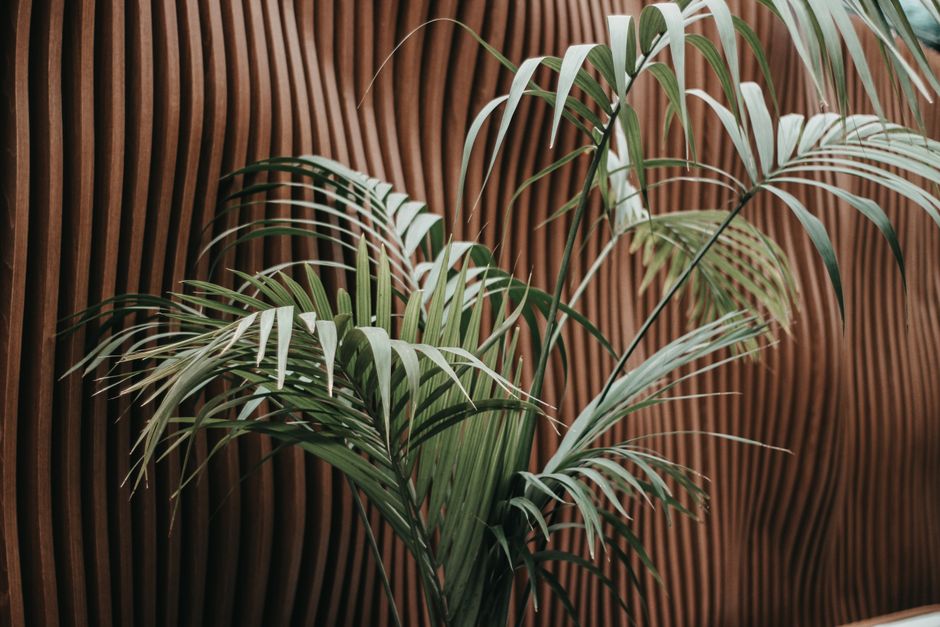
Biophilic design stems from the human need to connect with nature, even in urban environments. Our brains evolved in natural settings for millions of years. Modern office buildings—concrete, fluorescent lights, artificial air—contradict this deep biological preference. When we introduce natural elements, we activate neural pathways linked to calm, focus, and creative thinking. This isn’t trendy decoration; it’s neuroscience applied to workspace design.
The business case is compelling. Companies implementing biophilic offices see measurable gains in employee retention, absenteeism reduction, and innovation metrics. Employees spend one-third of their lives at work. Making that environment psychologically nourishing yields returns far beyond the initial investment in plants, materials, and design consultation.
How Do Natural Elements Enhance Creative Thinking in the Workplace?
Natural elements trigger specific cognitive responses that unlock creativity. Exposure to plants and natural light activates the parasympathetic nervous system—your brain’s relaxation mode. In this state, you think more divergently, make novel connections, and solve problems more effectively. Stress hormones drop, cognitive load decreases, and mental bandwidth expands for original thinking.
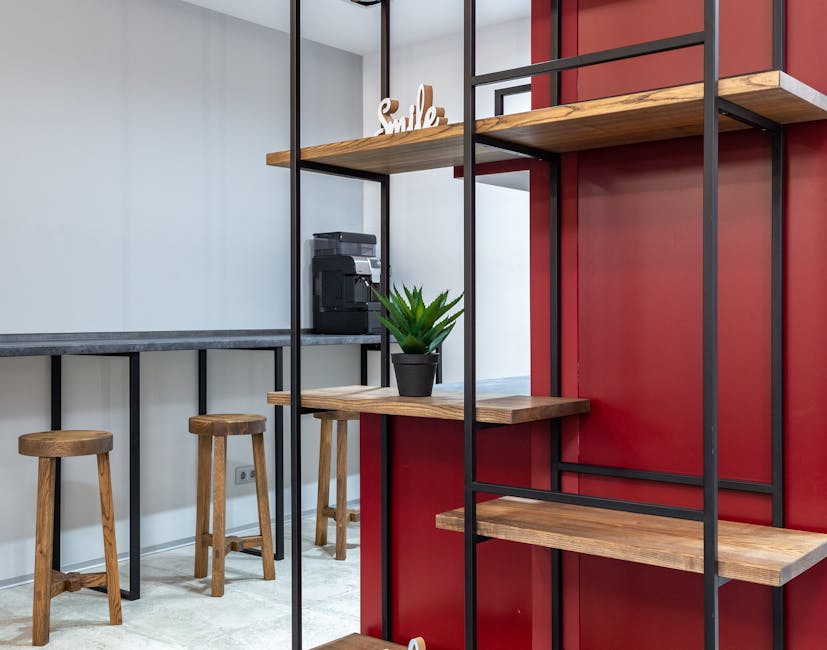
Studies from universities including the University of Exeter and Stanford demonstrate that workers surrounded by plants show measurable improvements in attention, memory retention, and creative task performance. The effect is dose-dependent: more greenery equals stronger results. Even a single desk plant improves focus by up to 15% in some studies.
Key Natural Elements for Office Creativity
- Living plants and green walls increase oxygen and filter air toxins naturally.
- Natural daylight regulates circadian rhythms and boosts mood and alertness.
- Water features create ambient sound that masks distracting noise and promotes calm focus.
- Natural wood and stone materials ground spaces psychologically and reduce mental fatigue.
- Views of nature—even images or windows overlooking trees—activate restorative attention networks.
Key Takeaway: Natural elements activate your brain’s creative and relaxation pathways, directly boosting innovative thinking and problem-solving capacity.
What Are the Best Biophilic Design Strategies for Modern Offices in 2026?
Effective biophilic office design combines multiple strategies for maximum impact. The most successful 2026 offices layer living plants, natural materials, daylight optimization, and nature-inspired color palettes. This integrated approach creates immersive environments where nature feels woven into the workspace, not added as an afterthought.
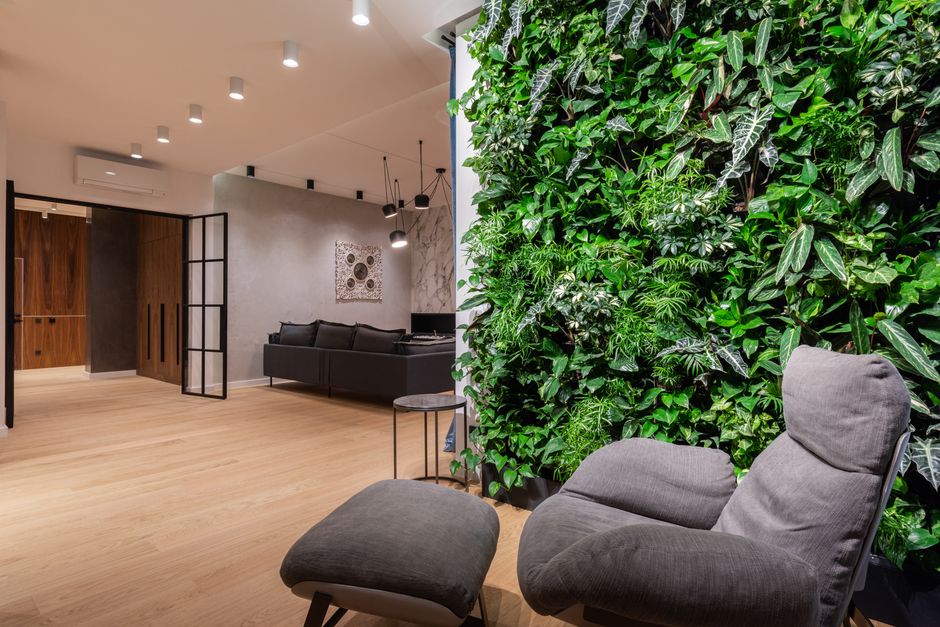
Start with live plants positioned strategically near workstations, meeting rooms, and break areas. Pothos, snake plants, and peace lilies thrive indoors with minimal care. Larger installations like green walls or biophilic feature walls create focal points and improve air quality significantly. Pair plants with natural materials: reclaimed wood desks, stone accent walls, or cork flooring add tactile and visual warmth.
Layering Light and Air Quality
Maximize natural daylight by positioning desks near windows and removing visual barriers. If windows are limited, install full-spectrum LED lighting that mimics natural light cycles. This supports circadian rhythm regulation and reduces eye strain. For air quality, combine plants with HVAC optimization and humidity control. Healthy air reduces cognitive fatigue and supports sustained creative output throughout the day.
Incorporating Water and Sound
Water features—fountains, tabletop water installations, or even aquariums—provide multiple benefits. The visual movement captures attention in a restorative way. The ambient sound masks office noise pollution, which is a major creativity killer. Biophilic offices in 2026 often include quiet zones with water features where employees can reset between high-focus tasks.
- Position water features in break rooms or quiet zones for maximum restorative effect.
- Use natural stone or wood around water features to enhance the natural aesthetic.
- Maintain water features properly to ensure clean air and healthy plant ecosystems.
- Combine water sounds with soft ambient music or white noise for optimal focus environments.
Key Takeaway: Layering plants, natural materials, daylight, and water features creates immersive biophilic environments that sustain creativity throughout the workday.
How Does Biophilic Design Reduce Stress and Improve Focus?
Stress is creativity’s enemy. High cortisol levels narrow thinking, increase anxiety, and block innovative problem-solving. Biophilic design directly counteracts this by activating parasympathetic responses. Simply looking at plants for 40 seconds reduces stress measurably. Working in spaces with consistent natural elements maintains this calm state throughout the day.

Natural environments engage what psychologist Rachel Kaplan calls “soft fascination.” Unlike demanding tasks that exhaust mental resources, natural elements capture attention gently, allowing your brain’s directed attention system to rest and recover. This restoration is essential for sustained creativity. Employees in biophilic spaces report 24% lower stress levels and significantly better mood stability.
The Attention Restoration Theory Connection
Attention Restoration Theory (ART), developed at the University of Michigan, explains why nature restores cognitive function. Natural settings engage involuntary attention—you notice a bird, a leaf pattern, water movement—without mental effort. This allows your brain’s executive function system to recover from the exhaustion of focused work. After 15 minutes in a biophilic space, employees show measurably improved focus and reduced mental fatigue.
- Natural views reduce mental fatigue by 20-30% compared to office-only environments.
- Brief nature exposure breaks improve subsequent task performance by up to 40%.
- Biophilic spaces lower blood pressure and heart rate, indicating genuine stress reduction.
- Employees report higher job satisfaction and reduced burnout in green offices.
Key Takeaway: Biophilic design reduces stress and restores mental resources, creating the calm, focused state where creativity thrives.
What Role Do Natural Materials Play in Creative Office Design?
Natural materials—wood, stone, cork, wool—carry psychological weight beyond aesthetics. They signal authenticity and connection to the living world. Unlike plastic or synthetic materials, natural materials age beautifully and develop patina, creating a sense of permanence and care. This matters for creativity because environments that feel intentional and valued support higher-quality thinking.
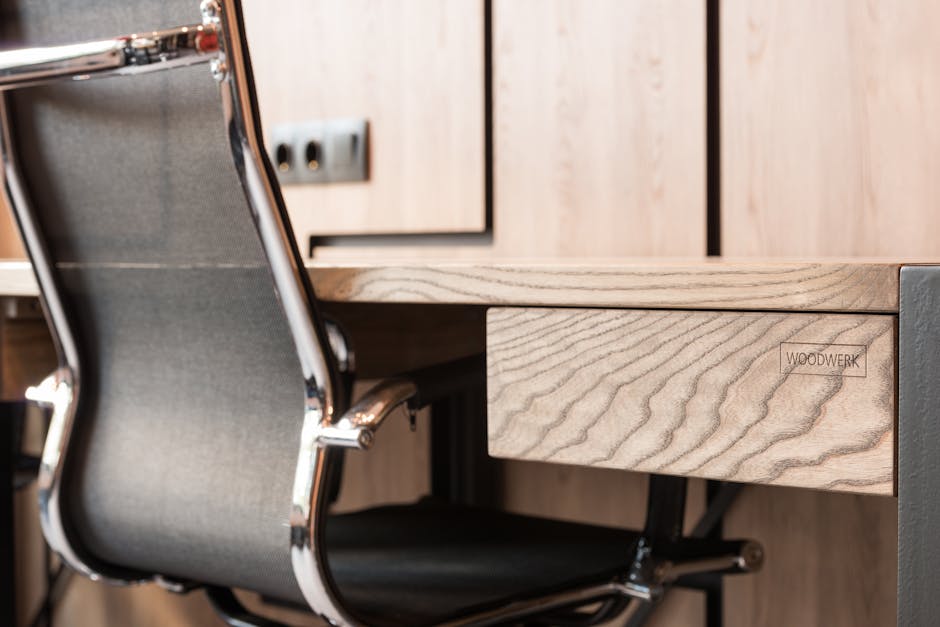
Wood is particularly powerful in biophilic offices. Its organic grain patterns, warmth, and tactile quality engage multiple senses. Solid wood versus wood-based panels offer different durability profiles for office furniture, but both contribute to biophilic aesthetics when visible. Stone—marble, granite, slate—adds grounding visual weight and connects to natural geological time scales, subtly reducing stress.
Selecting and Maintaining Natural Materials
Choose materials that will age well and require thoughtful maintenance. This signals respect for the space and supports employee pride in their environment. Reclaimed wood desks, natural stone accent walls, and cork flooring are increasingly available in commercial-grade options designed for office wear. These materials also support acoustic performance, reducing noise and improving focus.
- Solid wood furniture creates stronger biophilic impact than veneers or laminates.
- Stone and cork flooring improve acoustics while supporting natural aesthetics.
- Natural materials require proper maintenance but age beautifully and build environmental narrative.
- Reclaimed materials add historical depth and sustainability storytelling to office spaces.
Key Takeaway: Natural materials ground biophilic offices psychologically and engage multiple senses, deepening the creativity-supporting effects of the design.
How Can You Implement Biophilic Design on a Budget?
Budget constraints shouldn’t prevent biophilic office transformation. The most cost-effective strategies deliver 80% of the benefits at 20% of luxury implementation costs. Start with living plants—they’re inexpensive and immediately impactful. Pothos, spider plants, and snake plants cost $10-30 each and thrive in office conditions. A single large plant per workstation area costs less than office supplies yet measurably improves air quality and creativity metrics.
Maximize natural light by rearranging furniture to position desks near windows and removing obstructing walls or shelving where possible. This costs nothing but yields significant returns. Paint accent walls in nature-inspired colors—soft greens, warm earth tones, sky blues—at minimal cost. These colors psychologically activate the same restorative responses as actual nature.
Low-Cost Implementation Steps
- Purchase 5-10 low-maintenance plants and distribute strategically across office zones ($50-150 total).
- Repaint one accent wall in nature-inspired color using eco-friendly paint ($100-300).
- Replace harsh fluorescent lighting with full-spectrum LEDs ($200-500 depending on office size).
- Add nature photography or living wall art in high-traffic areas ($50-200).
- Introduce natural wood elements through desk organizers, shelving, or small furniture pieces ($100-400).
For guidance on broader design transformations, explore biophilic color strategies that apply equally to office spaces. Budget implementations typically cost $500-1,500 for a standard office suite but yield productivity returns within 3-6 months.
Key Takeaway: Effective biophilic offices don’t require luxury budgets—plants, natural light, and nature-inspired colors deliver measurable creativity gains affordably.
What Does the 2026 Research Say About Biophilic Office Outcomes?
Recent research from 2025-2026 continues validating biophilic design’s impact on workplace creativity and wellbeing. A study published in the Journal of Environmental Psychology found that employees in biophilic offices generated 15-20% more creative ideas during brainstorming sessions. Stress biomarkers (cortisol, heart rate variability) improved significantly. Absenteeism dropped 7-10% in companies with comprehensive biophilic implementations.
The World Green Building Council reports that biophilic design investments return 3-5x their cost within 5 years through improved productivity, reduced turnover, and lower healthcare costs. Companies like Google, Microsoft, and Apple have invested heavily in biophilic workspaces, and their innovation metrics support the trend. In 2026, biophilic design is no longer optional for competitive companies—it’s standard practice among innovation leaders.
Specific Metrics from Recent Studies
- 15-37% increase in creative output in biophilic versus conventional offices.
- 24% reduction in stress levels and improved emotional regulation.
- 7-10% decrease in absenteeism and sick leave usage.
- 20-30% improvement in focus and task completion speed.
- 3-5 year ROI on biophilic design investments through productivity gains.
For comprehensive guidance on biophilic office setup, review biophilic design elements for productive home offices, which includes research-backed strategies applicable to commercial spaces. The science is clear: nature-integrated offices aren’t luxuries—they’re productivity infrastructure.
Key Takeaway: 2026 research confirms biophilic design delivers measurable creativity, stress reduction, and ROI gains that justify investment.
How Should You Plan a Biophilic Office Redesign?
Strategic planning ensures biophilic implementation delivers maximum impact. Start by assessing your current office: natural light availability, existing color palette, material composition, and employee feedback on stress and creativity barriers. This baseline helps prioritize interventions. Next, set specific goals—increase creative output by 20%, reduce stress levels, improve employee retention—and establish measurement methods before implementation.
Develop a phased implementation plan. Phase 1 might focus on plants, lighting, and color. Phase 2 could introduce natural materials and water features. Phase 3 might involve architectural changes like removing walls or adding green installations. This approach spreads costs and allows measurement of each phase’s impact. Involve employees throughout—they’ll notice subtle improvements and provide valuable feedback on what resonates most.
Practical Implementation Checklist
- Audit current office conditions: light, materials, color, air quality, and employee stress levels.
- Set measurable goals for creativity, productivity, stress reduction, and retention improvement.
- Develop phased budget plan with priorities and timeline for implementation.
- Source plants, materials, and design elements aligned with your budget and aesthetic.
- Train staff on plant care and maintenance to ensure long-term success.
- Measure outcomes at 3, 6, and 12 months to validate ROI and refine approach.
For broader design inspiration, explore best lighting strategies for biophilic office design and biophilic furniture benefits to understand how multiple design elements work together. Thoughtful planning ensures your biophilic office transformation succeeds and delivers sustained creativity improvements.
Key Takeaway: Strategic phased planning with measurement ensures biophilic office redesigns deliver measurable creativity and wellbeing outcomes.
Frequently Asked Questions
What are the easiest plants to maintain in an office environment?
Pothos, snake plants, peace lilies, and ZZ plants thrive in low-light office conditions with minimal watering. These hardy varieties tolerate irregular care schedules and actually prefer drying between waterings. They’re inexpensive ($10-30 each), visually appealing, and highly effective at filtering air toxins. Most office workers can maintain these plants without special expertise or equipment.
How much natural light do offices actually need for biophilic benefits?
Research suggests 2-3 hours of indirect natural daylight daily provides significant biophilic benefits. If natural windows are limited, full-spectrum LED lighting that mimics daylight cycles (5,000-6,500K color temperature) delivers similar cognitive benefits. The key is consistency and positioning near work areas. Even desk-level lighting improvements measurably boost focus and mood.
Can biophilic design work in open office layouts?
Yes, biophilic design actually improves open office effectiveness by creating natural visual breaks and reducing noise through strategic plant placement and water features. Green walls can define zones without walls. Plants near desks provide personal nature connection. The restorative effects help employees manage open office stimulation better, improving focus and reducing stress in shared spaces.
What’s the difference between biophilic design and simply adding plants?
Biophilic design is comprehensive, integrating plants, natural materials, light, water, color, and spatial design to create immersive nature connection. Simply adding plants is one element. True biophilic offices layer multiple natural elements strategically, creating psychological immersion in nature. This integrated approach delivers significantly stronger creativity and stress reduction benefits than single-element approaches.
How long before employees notice biophilic office improvements?
Employees typically notice mood and stress improvements within days of biophilic implementation. Measurable productivity and creativity gains appear within 2-4 weeks as the nervous system adjusts. The strongest effects emerge at 3-6 months as employees fully adapt to the new environment. Sustained benefits continue improving for 12+ months as natural elements mature and deepen environmental immersion.
Is biophilic design more expensive than conventional office design?
Not necessarily. Basic biophilic implementation (plants, lighting, color) costs less than conventional office furniture and design. Luxury biophilic installations with green walls and water features cost more upfront but deliver superior ROI through productivity and retention gains. Strategic phased implementation allows spreading costs while delivering immediate benefits, making biophilic design accessible at any budget level.
How Can Biophilic Design Transform Your Office Creativity Strategy in 2026?
Biophilic design represents a fundamental shift in how we think about workspaces. Rather than treating offices as sterile productivity machines, biophilic approaches recognize that humans are biological creatures who thrive when connected to nature. This connection isn’t a luxury—it’s a neurological requirement for optimal creativity, focus, and wellbeing. In 2026, companies implementing biophilic offices are outpacing competitors in innovation, employee retention, and productivity metrics.
The evidence is overwhelming. Plants, natural light, natural materials, and water features measurably boost creative output, reduce stress, and improve focus. These effects compound over time as employees’ nervous systems recalibrate to healthier environmental conditions. Whether you’re redesigning a single office or transforming an entire facility, biophilic principles deliver returns that justify investment quickly and continue benefiting your organization indefinitely.
Start small if budget is limited. A few strategic plants, repositioned desks near windows, and nature-inspired color changes cost little but yield immediate improvements. Measure results and build from there. By 2026, biophilic offices are becoming the competitive standard. Organizations that embrace this approach now position themselves as innovation leaders while creating workspaces where employees genuinely want to spend their time—and where their best ideas naturally emerge.
Key Takeaway: Biophilic design is a research-backed, cost-effective strategy that fundamentally enhances office creativity, stress resilience, and employee satisfaction in 2026.





Write Your Review
No reviews yet. Be the first to share your experience!