

What Are Drop Leaf and Folding Dining Tables?
Drop leaf and folding dining tables are space-saving furniture solutions designed for homes with limited square footage. These tables feature hinged leaves or collapsible sections that expand when needed and fold away when not in use. Drop leaf tables have side leaves that hang vertically and fold down, while folding tables typically collapse entirely. Both styles maximize functionality without consuming permanent floor space. They’re ideal for apartments, small homes, and multipurpose rooms where dining flexibility matters most.
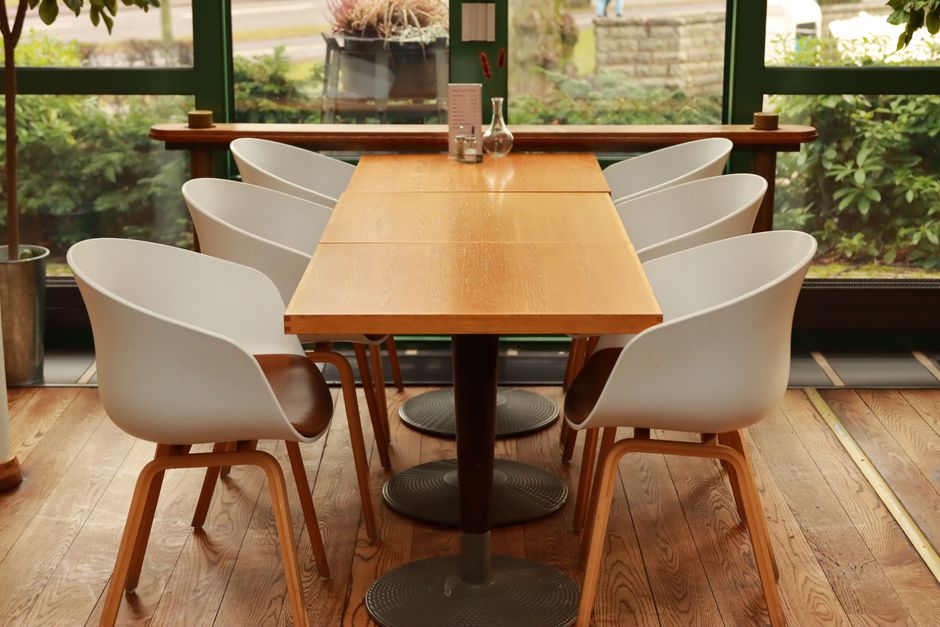
In 2026, these tables have evolved significantly with modern materials, sleek designs, and hybrid mechanisms. Manufacturers now offer styles ranging from minimalist Scandinavian designs to rustic farmhouse aesthetics. The market has expanded to include tables with storage compartments, adjustable heights, and sustainable wood options. Whether you’re furnishing a studio apartment or need extra dining capacity for occasional entertaining, drop leaf and folding tables provide elegant solutions that don’t compromise on style or durability.
Why Choose Space-Saving Dining Solutions?
Space-saving tables solve a critical problem for urban dwellers and small-home owners. They transform compact living areas into multifunctional spaces. During the week, your dining area becomes a workspace or living room. When guests arrive, you have a full-sized dining surface. This flexibility eliminates the need for dedicated dining rooms in smaller homes.
Key Takeaway: Drop leaf and folding tables maximize living space while maintaining full dining functionality for entertaining.
How Do Drop Leaf Tables Differ From Folding Designs?
Drop leaf and folding tables operate on different mechanical principles, each offering distinct advantages. Drop leaf tables feature a central fixed top with hinged leaves on the sides that swing down when not in use. The leaves are supported by swing legs or brackets that fold underneath. Folding tables, conversely, collapse the entire top surface or have a center section that folds, reducing the overall footprint dramatically. Understanding these differences helps you choose the right design for your space and lifestyle.
Drop Leaf Table Mechanics
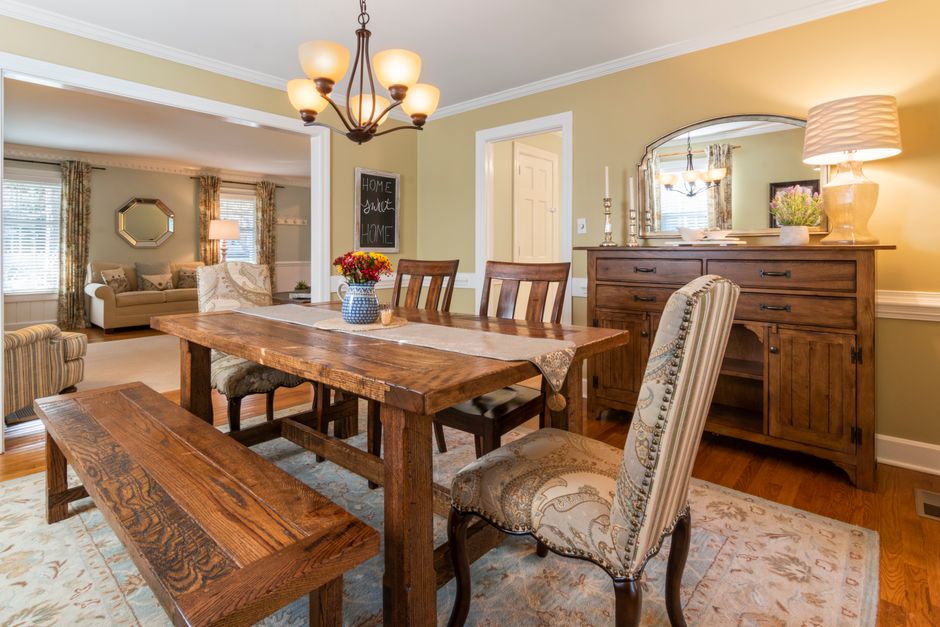
Drop leaf tables maintain a permanent central section with expandable wings on each side. The leaves swing down on hinges and rest against the table base when closed. Support legs or brackets automatically extend when leaves are raised, preventing sagging. This design provides stability and elegance, making drop leaf tables ideal for traditional and transitional dining rooms. They’re excellent for daily use because the central section remains accessible even when leaves are down.
- Central fixed top stays in place permanently.
- Side leaves swing down on hinges for compact storage.
- Support legs or brackets extend automatically when leaves are raised.
- Excellent for traditional and transitional home styles.
- Typically seats 2-4 people when compact, 4-8 when expanded.
Folding Table Mechanics
Folding tables collapse entirely or have a center section that folds inward. The entire top surface or major portions fold down, reducing height and depth significantly. Many modern folding designs feature center hinges that allow the table to collapse like a book. This compact storage makes them perfect for apartments where dining space is strictly occasional. Folding tables are also highly portable and ideal for renters who move frequently.
- Entire top or center section folds for maximum compactness.
- Highly portable and easy to move between rooms.
- Ideal for occasional entertaining and small gatherings.
- Typically requires minimal storage space when collapsed.
- Great for renters and temporary living situations.
Key Takeaway: Drop leaf tables offer permanent central access with expandable sides, while folding tables collapse entirely for maximum space savings.
What Design Styles Are Popular for Drop Leaf Tables in 2026?
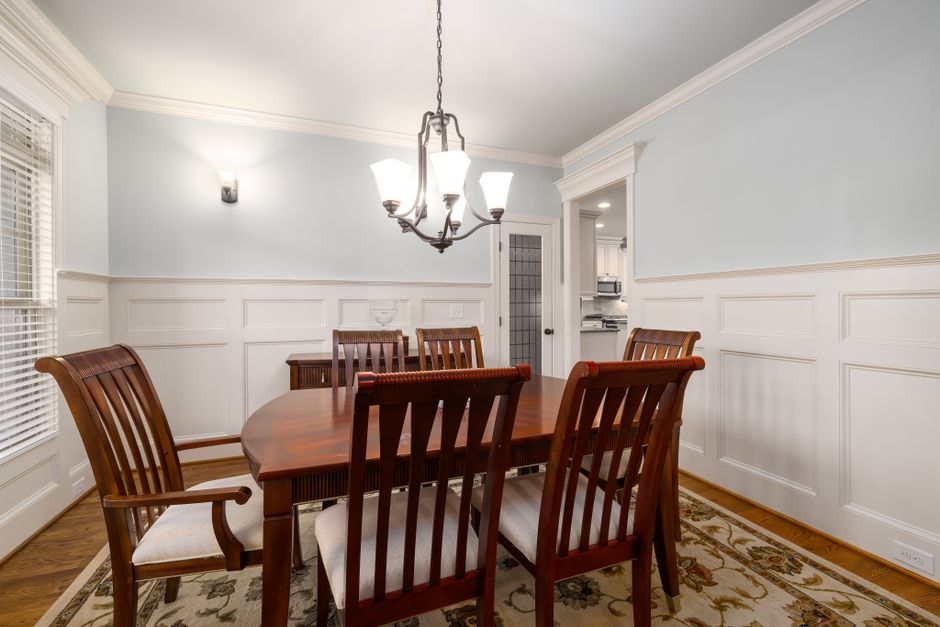
The 2026 drop leaf table market showcases diverse aesthetic options catering to various interior design preferences. Scandinavian minimalism dominates with clean lines, light wood finishes, and functional elegance. Farmhouse and rustic styles feature distressed wood, turned legs, and warm tones. Mid-century modern designs emphasize tapered legs, organic shapes, and retro appeal. Contemporary styles incorporate glass tops, metal bases, and bold finishes. This variety ensures you can find a drop leaf table that complements your existing décor while maximizing functionality.
Popular Style Categories
- Scandinavian: Light wood, minimalist design, clean lines, neutral colors.
- Farmhouse: Distressed finishes, turned legs, natural wood, warm tones.
- Mid-Century Modern: Tapered legs, organic shapes, walnut or teak wood.
- Contemporary: Glass or metal tops, geometric bases, bold color options.
- Traditional: Ornate legs, rich wood finishes, classic proportions.
- Industrial: Metal frames, reclaimed wood, exposed hardware.
Material Choices in 2026
Modern drop leaf tables offer sustainable and durable material options. Solid wood remains popular, with options like oak, maple, walnut, and pine. Engineered wood and high-quality plywood provide budget-friendly alternatives. Glass tops paired with wood or metal bases create contemporary elegance. Bamboo and reclaimed wood appeal to eco-conscious buyers. Metal frames with wood tops combine durability with style. Manufacturers increasingly focus on sustainable sourcing and non-toxic finishes, reflecting 2026 consumer priorities.
Key Takeaway: 2026 drop leaf tables blend diverse design aesthetics with sustainable materials to suit any home style.
What Size Drop Leaf Table Should You Choose for Your Space?
Selecting the correct size drop leaf table requires measuring your available space and considering your entertaining needs. The table must fit comfortably when expanded without overwhelming the room. When folded, it should occupy minimal floor space. Consider how many people you typically host and whether you need the table for daily dining or occasional entertaining. Measure doorways and hallways to ensure the table can be moved during delivery. Understanding your specific spatial constraints prevents purchasing a table that doesn’t fit your lifestyle or home layout.
Measuring Your Space Correctly
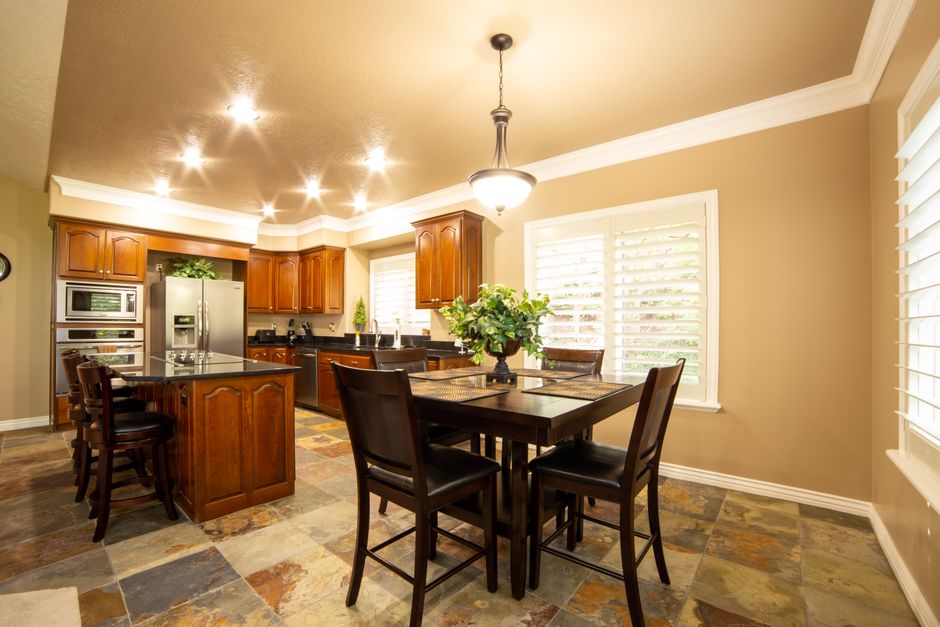
Before purchasing, measure the area where your table will sit both when expanded and collapsed. Account for adequate clearance around all sides when the table is open. Check the clearance requirements around dining tables to ensure comfortable movement and chair placement. Measure doorways, hallways, and staircases to confirm the folded table can navigate through your home. Note ceiling height if the table will be positioned near light fixtures. These measurements prevent costly returns and ensure seamless integration into your space.
- Measure the room length and width in feet.
- Note the space available when the table is fully expanded.
- Measure doorways and hallways for delivery and repositioning.
- Consider minimum 36 inches of clearance around the table perimeter.
- Check ceiling height near light fixtures and overhead obstacles.
- Account for chair space when calculating total dining footprint.
Common Drop Leaf Table Dimensions
Drop leaf tables come in various sizes to accommodate different spaces and seating needs. Small compact models measure 30-36 inches wide when closed and expand to 48-54 inches. Medium tables range from 36-42 inches closed to 54-60 inches open. Large dining drop leaf tables expand from 60+ inches to accommodate 8-10 people. Height typically ranges from 28-30 inches for standard dining. Width varies from 24-36 inches when closed. These dimensions help you compare options and visualize how each table fits your home.
Key Takeaway: Accurate space measurements and understanding table dimensions ensure you select a drop leaf table that fits your home and lifestyle perfectly.
How Can You Maximize Functionality With Folding Table Features?
Modern folding tables incorporate innovative features that enhance usability beyond basic expansion and collapse. Storage compartments built into table bases provide hidden space for linens, placemats, and serving dishes. Adjustable height mechanisms allow tables to transition from dining to workspace height. Locking mechanisms ensure stability when expanded. Removable legs and tops simplify storage and transportation. Some models include built-in shelving or drawers. These advanced features transform folding tables into multifunctional furniture pieces that adapt to your changing needs throughout the day and week.
Smart Storage Solutions
Integrated storage maximizes the utility of space-saving tables. Tables with shelves underneath provide accessible storage for dining essentials without taking additional floor space. Drawer compartments built into the base keep table linens, napkins, and serving utensils organized. Some premium models feature lockable storage sections for valuables. Hanging hooks on table legs accommodate chairs and bags. These storage features eliminate the need for separate furniture, reducing clutter in small living areas. Storage-equipped tables are particularly valuable in studio apartments and open-concept homes.
- Shelves beneath the table surface store dining essentials.
- Drawers in the base keep linens and serving items organized.
- Hooks on legs hold chairs when not in use.
- Lockable compartments protect valuables and important items.
- Magnetic surfaces on some models hold metallic kitchen tools.
Versatile Use Cases
Beyond dining, drop leaf and folding tables serve multiple purposes in modern homes. They function as workspace desks during the day, transforming into dining surfaces for evening meals. In home offices, they provide extra counter space for projects and paperwork. They work as craft tables, console tables, or display surfaces. Some users employ them as temporary bar seating for entertaining. This versatility justifies the investment, as a single piece handles multiple functions. Choosing a table with neutral styling ensures it complements various room configurations and purposes.
Key Takeaway: Advanced features like storage compartments and adjustable mechanisms transform folding tables into versatile multifunctional furniture.
What Practical Tips Help You Choose and Use Drop Leaf Tables?
Selecting and maintaining a drop leaf or folding table requires attention to specific practical considerations. Quality construction ensures longevity and stability. Proper maintenance protects your investment. Understanding assembly requirements and warranty coverage prevents frustration. Testing mechanisms before purchase guarantees smooth operation. These practical tips help you make an informed decision and enjoy your table for years to come.
Selection and Purchase Tips
- Test the leaf mechanism in-store to ensure smooth, quiet operation.
- Inspect joints and hinges for solid construction and quality hardware.
- Verify that support legs lock securely when leaves are raised.
- Check weight capacity to ensure it supports your serving needs.
- Read reviews specifically mentioning stability and durability.
- Confirm warranty coverage and return policies before purchasing.
- Measure your doorway to ensure delivery is possible.
- Ask about assembly services or delivery setup options.
Maintenance and Care Guidelines
Proper maintenance extends the lifespan of your drop leaf or folding table significantly. Clean wood surfaces with appropriate furniture polish to maintain finish and protect against moisture. Wipe spills immediately to prevent staining and wood damage. Periodically check hinges and support mechanisms for loose hardware and tighten as needed. Avoid placing heavy objects on leaves to prevent warping. Store folded tables in climate-controlled areas to prevent wood expansion and contraction. Use felt pads under legs to protect floors and facilitate movement. Following these guidelines keeps your table functioning smoothly for decades.
Key Takeaway: Testing mechanisms before purchase and following maintenance guidelines ensures your drop leaf table remains functional and beautiful for years.
How Do Drop Leaf Tables Compare to Other Space-Saving Dining Solutions?
Drop leaf and folding tables are one of several space-saving dining options available in 2026. Round pedestal tables optimize seating in compact areas without requiring expansion mechanisms. Console tables that transform into dining surfaces offer elegant alternatives. Nesting tables provide flexible seating for multiple guests. Wall-mounted drop-down tables maximize minimal spaces. Each solution offers unique advantages depending on your specific needs. Understanding how drop leaf tables compare helps you select the best option for your home. For more detailed comparisons, explore our comprehensive guide on round versus rectangular dining tables for small rooms.
Comparison of Space-Saving Options
- Drop Leaf Tables: Permanent central section with expandable sides; excellent for daily use.
- Folding Tables: Collapse entirely; maximum space savings; ideal for occasional entertaining.
- Round Pedestal Tables: No legs in corners; efficient seating; fixed size with no expansion.
- Console Tables: Narrow profile when closed; elegant styling; limited expansion capacity.
- Wall-Mounted Tables: Fold against wall completely; extreme space savings; limited seating capacity.
- Nesting Tables: Multiple tables stack together; flexible grouping; smaller individual surfaces.
Key Takeaway: Drop leaf tables balance functionality and style better than most alternatives for homes needing regular dining flexibility.
What Budget Considerations Should Guide Your Purchase in 2026?
Drop leaf and folding tables range dramatically in price from budget-friendly options under $300 to premium pieces exceeding $2,000. Budget tables often use engineered wood and basic mechanisms but still provide functional dining. Mid-range tables ($500-$1,000) offer solid wood construction and reliable hardware. Premium tables feature high-quality materials, superior craftsmanship, and advanced features. Your budget should reflect expected usage frequency and desired longevity. A table used daily warrants greater investment than one for occasional entertaining. Consider long-term value rather than initial price when making your decision.
Price Categories and What to Expect
- Budget ($200-$400): Engineered wood, basic mechanisms, limited style options, shorter lifespan.
- Mid-Range ($400-$900): Solid wood, reliable hardware, diverse styles, 5-10 year lifespan.
- Premium ($900-$1,500): High-quality wood, superior mechanics, designer styles, 10-15 year lifespan.
- Luxury ($1,500+): Exceptional craftsmanship, rare materials, advanced features, 15+ year lifespan.
Value Maximization Strategies
Maximize your investment by prioritizing quality construction over aesthetics. A well-made table with simple styling outlasts a trendy table with poor mechanisms. Look for sales during major furniture events and holiday seasons. Consider scratch-and-dent models from reputable retailers for significant savings. Verify that your budget includes delivery and assembly costs. Check for financing options that spread payments over time. Investing slightly more upfront in a quality table saves money on replacements and repairs over years of use.
Key Takeaway: Balance your budget with expected usage frequency and quality construction to maximize long-term value.
What Are Frequently Asked Questions About Drop Leaf and Folding Tables?
How Much Space Do Drop Leaf Tables Actually Save?
Drop leaf tables typically reduce footprint by 30-50% when leaves are folded down. A table that expands to 60 inches might measure only 30-36 inches when compact. This dramatic reduction transforms a dining area into additional living space for other activities. Folding tables provide even greater space savings, often reducing to one-third their expanded size. The actual savings depend on your specific table model and how much you utilize the expansion feature regularly.
Are Drop Leaf Tables Stable When Fully Extended?
Quality drop leaf tables with proper support mechanisms are very stable when fully extended. Support legs or brackets that lock into place provide solid foundation for the expanded leaves. Premium tables use heavy-duty hardware and quality wood joints to prevent wobbling. Budget models may exhibit slight movement if mechanisms aren’t robust. Test the table in-store before purchasing to verify stability. Proper maintenance and regular hardware checks ensure long-term stability and safe dining experiences for your family.
Can You Use Drop Leaf Tables for Workspaces?
Absolutely. Many people use drop leaf tables as dual-purpose furniture for dining and working. The adjustable size accommodates both functions effectively. When closed, the compact surface works for laptop use or paperwork. When expanded, it provides ample space for multiple projects or dining. Neutral design styles ensure the table looks professional in both contexts. This versatility makes drop leaf tables excellent choices for home offices, studios, and open-concept apartments where space must serve multiple purposes.
How Do You Protect Drop Leaf Table Finishes?
Use coasters and placemats to prevent water rings and heat damage on wood surfaces. Wipe spills immediately with a soft cloth to prevent staining. Apply furniture polish monthly to maintain finish and provide protective coating. Avoid placing hot dishes directly on the table surface. Use felt pads under objects to prevent scratches. Store the table away from direct sunlight to prevent fading. Keep the table in climate-controlled environments to minimize wood expansion and contraction that can damage finishes.
What’s the Best Wood Type for Drop Leaf Tables?
Solid hardwoods like oak, maple, and walnut are excellent choices for durability and appearance. Oak offers strength and attractive grain patterns. Maple provides smooth finish and resistance to dents. Walnut delivers rich color and sophisticated aesthetic. Pine is budget-friendly but softer and more prone to damage. Engineered wood costs less but doesn’t last as long. Consider your lifestyle and budget when choosing wood type. Harder woods justify higher prices through superior longevity and resistance to wear.
How Often Should You Inspect Hinges and Mechanisms?
Inspect hinges and support mechanisms quarterly to catch loose hardware before problems develop. Tighten any loose bolts or screws with appropriate tools. Check that leaves open and close smoothly without resistance. Verify that support legs lock securely when extended. Lubricate hinges with furniture-safe oil if they squeak. Address any issues immediately to prevent further damage. Regular inspection prevents small problems from becoming major repairs, extending your table’s functional lifespan significantly.
Which Drop Leaf Table Design Should You Choose for Your Home?
Selecting the ideal drop leaf or folding table for your home requires balancing aesthetics, functionality, and practical constraints. Consider your interior design style and choose a table that complements existing furniture. Evaluate your actual space and select appropriate dimensions. Determine whether you need daily dining functionality or occasional entertaining capacity. Assess your budget and prioritize quality construction over trendy features. Think about future flexibility—will you move frequently or stay in your current home? A table that matches your lifestyle and décor becomes an investment piece that enhances your home for years.
The 2026 market offers exceptional drop leaf and folding table options for every taste and budget. Whether you prefer Scandinavian minimalism, farmhouse charm, or contemporary elegance, quality options exist. Modern tables incorporate thoughtful features like storage compartments and adjustable mechanisms that maximize functionality. By understanding the differences between drop leaf and folding designs, measuring your space accurately, and prioritizing quality construction, you’ll select a table that transforms your home. These versatile pieces prove that small spaces need not sacrifice dining elegance or entertaining capacity.
Key Takeaway: Choose a drop leaf or folding table that aligns with your design preferences, spatial constraints, and lifestyle needs for lasting satisfaction and functionality.



Write Your Review
No reviews yet. Be the first to share your experience!