

How to Choose the Right Bench Length for Your Hallway?
Selecting the correct bench length for your hallway requires measuring your available space, considering traffic flow, and accounting for furniture placement. A hallway bench should be proportional to your wall length and leave adequate clearance for comfortable passage. Most hallway benches range from 36 inches to 60 inches, though custom sizes work for unique spaces. The right length enhances your entryway’s functionality and aesthetic appeal while maintaining safe, unobstructed movement through the area. This comprehensive guide walks you through every step of the selection process.
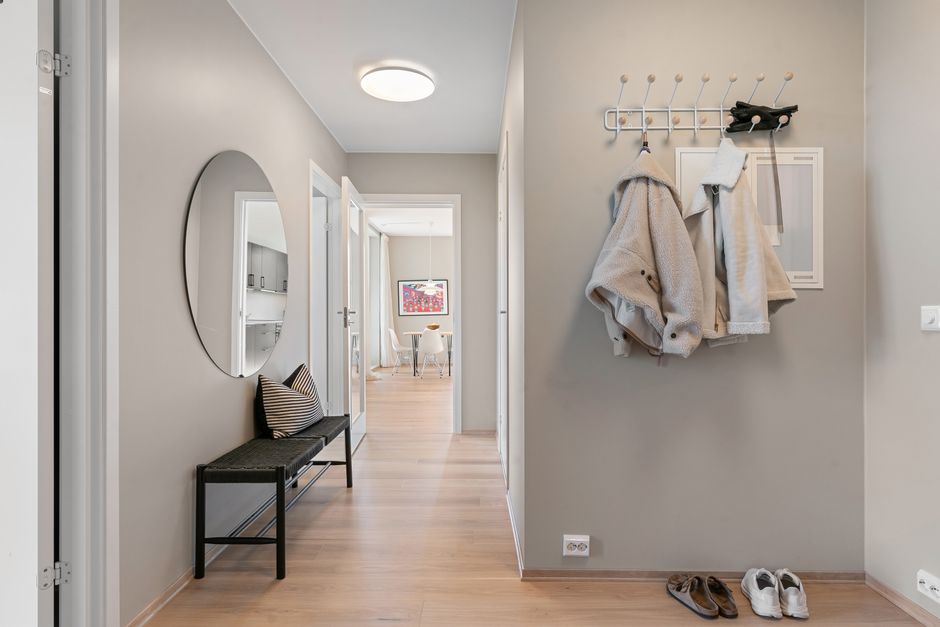
Your hallway bench serves both practical and decorative purposes. It provides seating for removing shoes, storage for items, and a visual anchor for your entryway design. Getting the length right ensures your bench complements rather than overwhelms your space. Poor sizing choices can make hallways feel cramped or leave walls looking bare and unfinished. By following these measurement and planning strategies, you’ll find a bench that fits perfectly.
What Are the Standard Bench Sizes for Hallways?
Hallway benches come in several standard lengths that accommodate different space requirements. Understanding these common sizes helps you determine whether a standard option or custom piece suits your needs best. Most furniture manufacturers offer benches in predictable increments, making shopping and planning more straightforward.
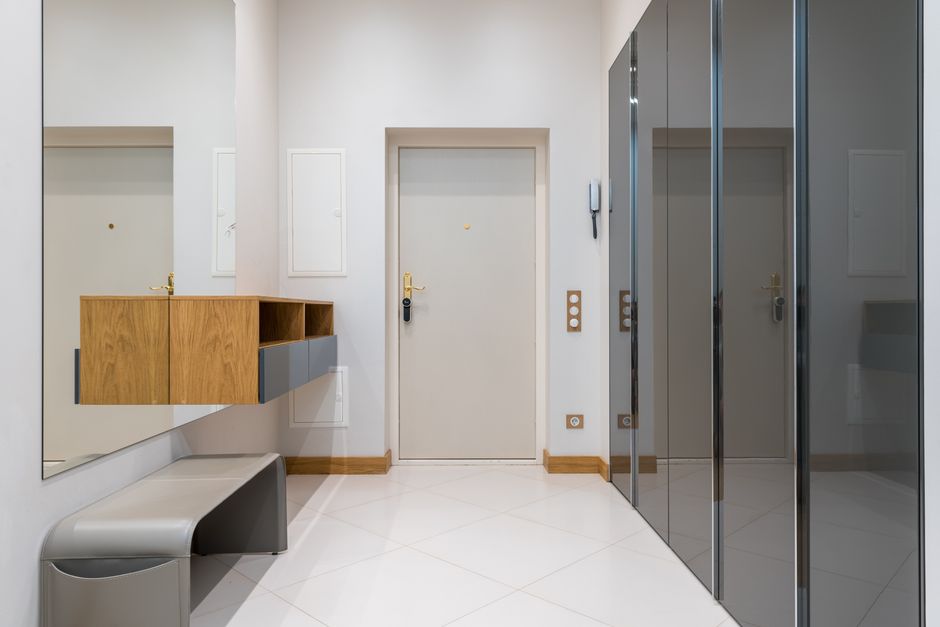
- 36-inch benches: Ideal for narrow hallways and small entryways with limited wall space.
- 48-inch benches: The most popular choice, fitting standard hallway widths and offering comfortable seating for two people.
- 60-inch benches: Best for long hallways and spacious entryways where you want a statement piece.
- 72-inch benches: Extra-large option for grand entryways or commercial spaces with high traffic.
- Custom lengths: Available from specialty furniture makers for unique architectural spaces.
Key Takeaway: Standard bench lengths range from 36 to 72 inches, with 48 inches being the most versatile choice for typical hallways.
How Do Hallway Dimensions Affect Bench Length?
Your hallway’s width and wall length are the primary factors determining appropriate bench dimensions. Measure the wall where you plan to place the bench from corner to corner or until architectural features interrupt the space. Subtract at least 12 inches from this measurement to ensure the bench doesn’t overwhelm the area. This creates visual balance and prevents the space from feeling cramped or cluttered.
Consider how your hallway connects to adjacent rooms. Narrow hallways typically benefit from benches under 48 inches to maintain clear sightlines and traffic flow. Wider hallways with longer walls can accommodate 60-inch benches or larger. Always account for doorways, closets, and other architectural elements when measuring available wall space.
What About Depth and Height Considerations?
While length is crucial, bench depth and height also impact functionality and aesthetics. Standard bench depth ranges from 15 to 18 inches, allowing comfortable seating without protruding too far into the hallway. Height typically measures 18 to 20 inches, matching standard seating proportions and coordinating with console tables in your entryway.
Key Takeaway: Bench depth of 15-18 inches and height of 18-20 inches complement most hallway proportions and traffic patterns.
How Do You Measure Your Hallway for the Perfect Bench Fit?
Accurate measurement is essential for selecting a bench that fits your space perfectly. Begin by measuring the wall length where you intend to place the bench using a reliable tape measure. Record the measurement in both feet and inches for precision. Take multiple measurements across different points of the wall to account for any irregularities or uneven surfaces that are common in older homes.
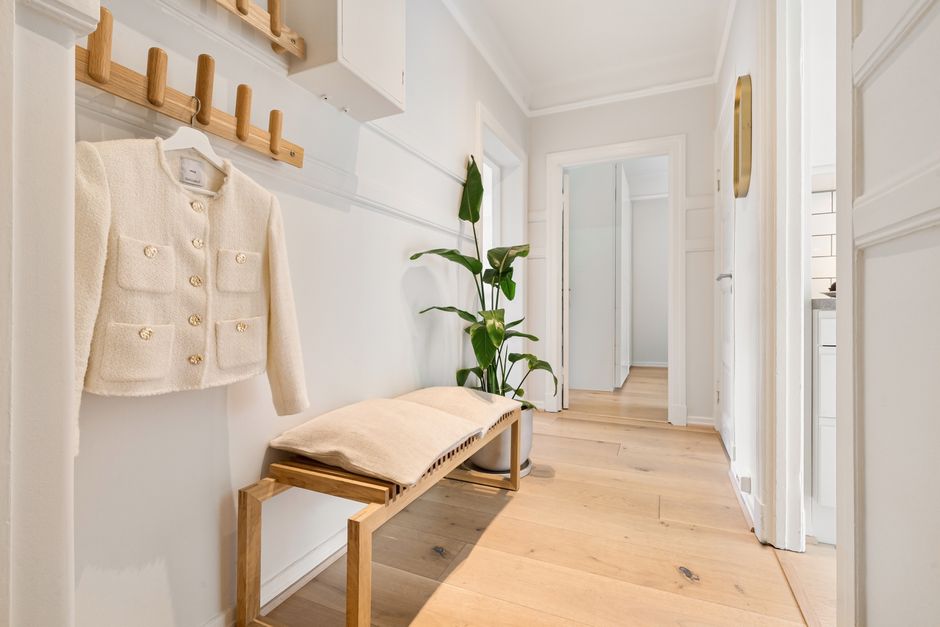
Next, measure the hallway’s width from wall to wall. This ensures your bench won’t obstruct traffic flow or create safety hazards. Mark any obstacles like light switches, outlets, radiators, or architectural trim that might interfere with bench placement. Take photos of your hallway from multiple angles to reference while shopping or consulting with designers.
Step-by-Step Measurement Process
- Measure the wall length where the bench will sit, recording the full distance in inches.
- Measure hallway width from opposite walls to determine clearance requirements.
- Note the height of baseboards, wainscoting, or trim that might affect bench placement.
- Identify light switches, outlets, and other fixtures that could interfere with the bench.
- Photograph the space from multiple angles with measurements labeled for reference.
- Create a simple floor plan sketch showing wall dimensions and obstacle locations.
Creating a Floor Plan Sketch
Drawing a simple floor plan helps visualize how different bench lengths will look in your hallway. Use graph paper where each square represents one foot of actual space. Sketch your hallway walls, doorways, and any fixed features like closets or radiators. Test different bench lengths on your drawing to see which proportions feel balanced. This visual planning tool prevents costly mistakes and helps you communicate with furniture retailers.
Key Takeaway: Precise measurements and a simple floor plan sketch ensure you select a bench length that fits perfectly and maintains safe traffic flow.
What Design Factors Should Influence Your Bench Length Choice?
Beyond pure measurements, design principles guide bench selection for a cohesive entryway aesthetic. The rule of thirds suggests your bench should occupy approximately one-third of your available wall space. This creates visual balance without overwhelming the hallway or leaving the wall looking bare. Consider your hallway’s overall style, existing furniture, and color palette when evaluating bench options.
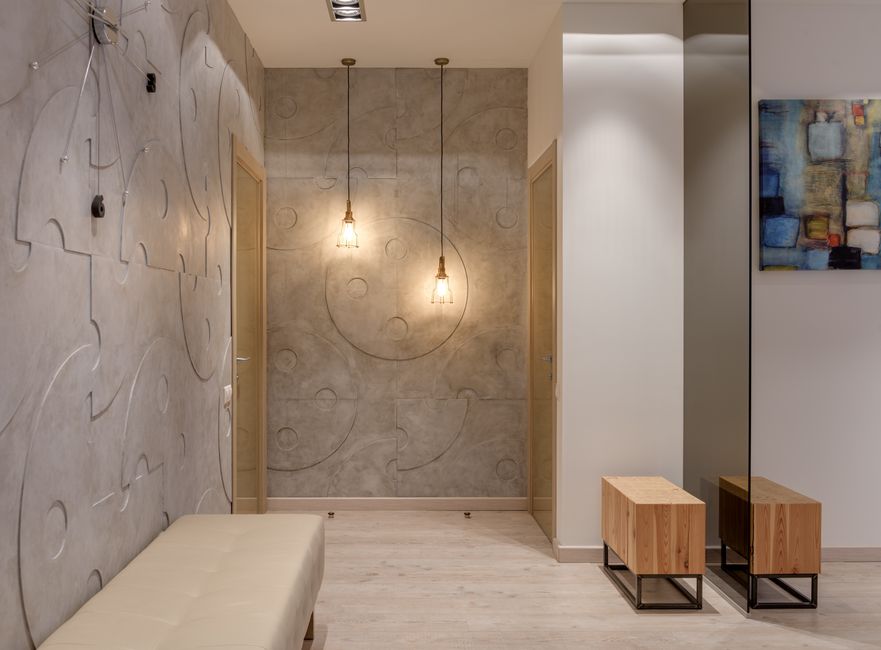
Your bench’s length should complement other entryway elements like console tables, mirrors, and coat racks. If you have a console table, your bench length should be similar or slightly shorter for visual harmony. Benches that are too long relative to other furniture create an unbalanced composition. Too-short benches may appear insignificant in spacious hallways.
Balancing Proportions in Your Entryway
- Choose bench length as approximately one-third of available wall space for visual balance.
- Match or coordinate bench length with console table dimensions for cohesive design.
- Consider ceiling height—taller hallways support longer, more substantial benches.
- Account for wall décor like mirrors or artwork that might compete with bench presence.
- Evaluate traffic patterns to ensure bench length doesn’t create bottlenecks or obstacles.
Style and Aesthetic Considerations
Your bench’s length should align with your home’s design style and personality. Modern minimalist hallways often feature sleek, streamlined benches in the 36-48 inch range. Traditional or transitional spaces may benefit from longer benches that create a more substantial, grounded presence. Contemporary farmhouse styles work well with 48-60 inch benches featuring natural wood tones and simple designs.
Consider how your bench length affects sight lines and perceived space. Longer benches can make narrow hallways feel even tighter, while shorter benches might seem lost in spacious entryways. The visual weight of your bench’s material and design also influences how length is perceived. A lightweight, open-frame bench appears less imposing than a solid, upholstered version of the same length.
Key Takeaway: Design balance, style consistency, and visual proportion should guide your bench length selection as much as physical measurements.
How Can You Maximize Storage and Functionality With Bench Length?
Longer benches typically offer more storage capacity and seating comfort than shorter options. A 48-inch bench accommodates two adults comfortably while providing under-seat storage for shoes, bags, and seasonal items. Sixty-inch benches seat three people and offer significantly more storage volume. Consider your household’s needs and how often the bench will be used for seating versus storage.

The type of bench construction affects how length translates to usable storage. Benches with built-in cubbies or shelves maximize organization in every inch. Open-frame designs with storage baskets underneath offer flexibility and visual lightness. Upholstered benches with hinged tops provide hidden storage but may feel less accessible for daily items. Match your bench length to your actual storage and seating needs rather than choosing based solely on wall space.
Storage Features by Bench Length
- 36-inch benches: Minimal storage, best for decorative purposes or tight spaces.
- 48-inch benches: Adequate storage for one household’s daily items and seasonal accessories.
- 60-inch benches: Substantial storage capacity with room for multiple family members’ belongings.
- 72-inch benches: Maximum storage and seating, ideal for large families or high-traffic entryways.
What Common Mistakes Should You Avoid When Choosing Bench Length?
Many homeowners select benches that are either too long or too short for their spaces, creating functional and aesthetic problems. Oversized benches in small hallways create traffic hazards and make the space feel cramped and cluttered. Undersized benches in large hallways look insignificant and fail to utilize available wall space effectively. Measure twice and plan carefully to avoid these costly mistakes.
Another common error is ignoring traffic patterns and daily usage. Benches that obstruct doorways or create bottlenecks in high-traffic areas become obstacles rather than assets. Some homeowners choose bench length based solely on available wall space without considering how the piece functions in daily life. Test your planned bench length by walking through your hallway and visualizing the furniture in place.
- Selecting benches too long for available wall space, creating visual imbalance.
- Choosing benches too short for spacious hallways, leaving walls looking bare.
- Ignoring traffic flow and daily usage patterns in your entryway.
- Failing to account for doorways, closets, and architectural features.
- Neglecting to coordinate bench length with other entryway furniture dimensions.
- Purchasing without measuring, leading to returns and wasted time.
Key Takeaway: Careful measurement, traffic pattern analysis, and coordination with existing furniture prevent costly selection mistakes.
How Do You Arrange Multiple Pieces Around Your Hallway Bench?
Your bench’s length influences how you arrange other entryway furniture and décor. A shorter bench allows space for additional furniture like accent chairs or console tables on either side. Longer benches become the focal point, with wall space above reserved for mirrors, artwork, or floating shelves. Plan your entire entryway layout before purchasing to ensure all pieces work together harmoniously.
Consider vertical space above your bench for wall-mounted storage and décor. A 48-inch bench pairs well with a large mirror or artwork centered above it. Longer benches support multiple smaller pieces or a gallery wall arrangement. Ensure any wall hangings don’t interfere with traffic or create visual clutter. The goal is creating a functional, beautiful entryway that welcomes guests and serves your family’s daily needs.
Layout Tips for Different Bench Lengths
- 36-inch benches: Pair with small mirrors or single artwork pieces; leave room for additional furniture.
- 48-inch benches: Center a large mirror or medium artwork; add side tables for practical storage.
- 60-inch benches: Create a gallery wall above or use the full wall as your statement piece.
- 72-inch benches: Make the bench your focal point; keep wall décor minimal and complementary.
What Should You Consider About Future Changes and Flexibility?
Choosing a bench length that allows for future changes keeps your entryway fresh and adaptable. Selecting a versatile length like 48 inches works well if you might rearrange your hallway or move the bench to another location. Extremely long benches limit flexibility and may become problematic if your needs change. Think about whether you might want to add or remove furniture in the future.
Consider the bench’s potential resale value and appeal to future homeowners. Benches in standard sizes like 48 inches are easier to place in different homes and sell more quickly than unusual custom lengths. If you’re building a sustainable capsule furniture collection, selecting timeless, standard sizes ensures pieces remain useful and valuable long-term. Balance current needs with long-term flexibility when making your final selection.
Key Takeaway: Standard bench lengths offer greater flexibility and future adaptability than custom sizes, supporting long-term value and functionality.
Where Can You Find the Right Bench Length for Your Hallway?
Furniture retailers, both online and in-store, offer extensive bench selections in standard and custom sizes. Visit showrooms to see how different lengths look in person and test comfort and quality. Online retailers provide wider selections and often better pricing, though you cannot see the piece before purchase. Read detailed product descriptions and customer reviews to ensure quality and accurate dimensions.
Custom furniture makers create benches in any length to match your exact specifications and style preferences. This option costs more but ensures a perfect fit and personalized design. Consider whether the investment in custom sizing justifies the cost for your space. Many standard benches offer excellent quality and design at reasonable prices, making custom options unnecessary for most homeowners.
How Can You Make Your Final Bench Selection Decision?
After measuring your space and considering design factors, narrow your choices to two or three options. Create a comparison chart listing dimensions, price, storage features, and style characteristics. Visit showrooms or order samples if possible to evaluate quality and appearance. Trust your instincts about what feels right for your space and lifestyle. Your ideal bench should look beautiful, function well, and fit comfortably in your hallway without compromising traffic flow or safety.
Take your time with this decision rather than rushing to purchase. Live with your measurements and floor plan sketches for a few days, visualizing the bench in your space. Discuss options with family members who use the hallway daily. Once you’ve selected your bench, arrange delivery when you can supervise placement and ensure it fits through doorways and around corners. Proper installation sets the stage for enjoying your new entryway for years to come.
Key Takeaway: Deliberate decision-making based on measurements, design principles, and functional needs ensures you select a bench that perfectly serves your hallway.
Frequently Asked Questions
What is the most common hallway bench length?
The 48-inch bench is the most popular choice for residential hallways. This length accommodates two people comfortably, provides adequate storage without overwhelming most wall spaces, and fits standard entryway proportions. It’s widely available from furniture retailers in various styles and price points, making it an accessible option for most homeowners seeking a versatile, functional piece.
Can a bench be too long for a hallway?
Yes, excessively long benches can create traffic hazards and make hallways feel cramped. Benches longer than one-third of your available wall space may overwhelm the area visually. If a bench extends close to doorways or creates bottlenecks, it’s too long for your space. Always test traffic flow and ensure at least 18-24 inches of clearance on either side of the bench.
How much clearance should I leave on either side of a bench?
Leave at least 12 inches of wall space on each side of your bench for visual balance and design flexibility. For traffic flow safety, ensure at least 18-24 inches of clear hallway width beyond the bench’s depth. These clearances prevent the bench from appearing cramped or creating navigation hazards. Measure your hallway width carefully to ensure adequate space remains for comfortable passage.
Should my bench length match my console table length?
Benches and console tables don’t need to match exactly, but coordinating their lengths creates visual harmony. A console table slightly longer than your bench, or vice versa, works well in most entryways. If both pieces are dramatically different lengths, the entryway may feel disjointed. Aim for complementary proportions that work together visually rather than identical dimensions.
What if my hallway has an unusual shape or narrow width?
Narrow or irregularly shaped hallways often require custom bench lengths or creative placement solutions. Consider placing a bench on an angled wall or in an alcove to maximize space. Shorter benches (36 inches or less) work better in tight spaces. Consult with a furniture designer or interior decorator if your hallway presents unique challenges that standard sizing doesn’t address.
Can I use a dining bench in my hallway?
Dining benches can work in hallways if their length and height are appropriate for the space. Most dining benches measure 36-72 inches long and coordinate well with entryway aesthetics. Ensure the bench’s depth doesn’t obstruct traffic flow and that its height complements your hallway proportions. Dining benches often feature sturdy construction and attractive designs that translate well to entryway settings.
How Do You Finalize Your Bench Selection and Installation?
Once you’ve selected your ideal bench length, confirm all measurements with the retailer before purchase. Ask about delivery options, assembly requirements, and return policies. Arrange delivery at a time when you can supervise and ensure the bench fits through your doorways and around any corners. Measure doorway widths and hallway turns beforehand to prevent delivery complications.
Upon arrival, inspect the bench for damage and verify it matches your ordered specifications. Position it along your wall, leaving appropriate clearance on both sides. Secure the bench if it has a back or sides that could tip. Add cushions, storage baskets, or décor elements that complement your hallway’s style. Step back and enjoy your new entryway focal point, knowing you’ve selected the perfect length for your space.
Key Takeaway: Careful measurement, thoughtful design planning, and proper installation ensure your hallway bench becomes a functional and beautiful entryway asset that serves your family for years.








Write Your Review
No reviews yet. Be the first to share your experience!