

How to Choose an Accent Chair That Fits Your Decor: Quick Answer
An accent chair is a standalone seating piece that adds visual interest, color, or pattern to a room while providing functional seating. Choosing the right accent chair involves assessing your existing decor style, measuring your available space, selecting complementary colors and fabrics, and considering both comfort and durability. The best accent chairs serve as focal points that enhance your room’s aesthetic without overwhelming the space. In July 2026, sustainable and versatile designs dominate the market, offering homeowners stylish options that align with eco-conscious living. This guide walks you through every step of selecting an accent chair that perfectly complements your home.
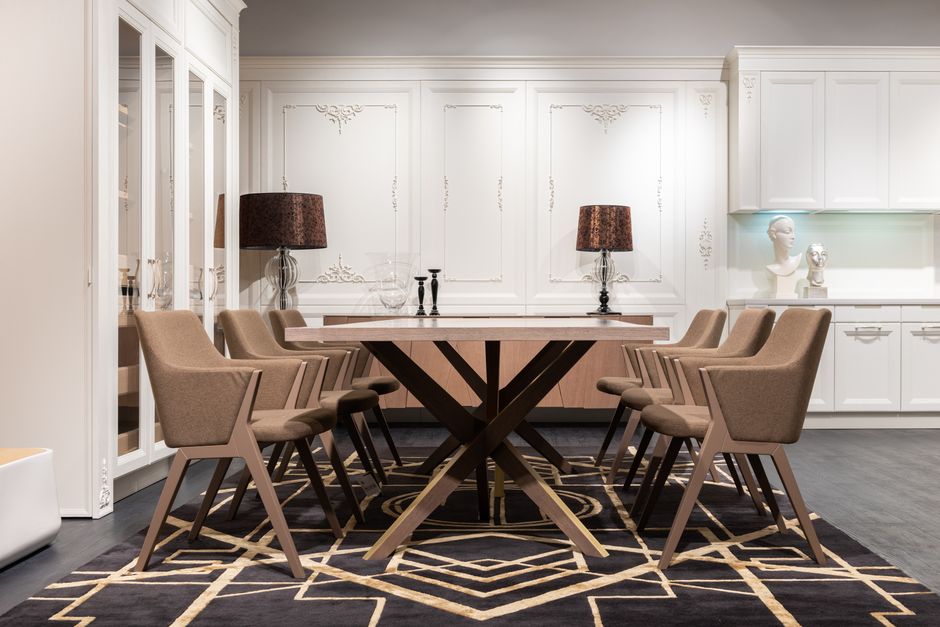
Accent chairs have evolved beyond basic functionality. Modern options range from minimalist Scandinavian designs to bold mid-century modern silhouettes. Whether you’re furnishing a living room, bedroom, or home office, the right accent chair transforms the entire space. Many 2026 designs incorporate sustainable materials and timeless aesthetics. Understanding your personal style, space constraints, and budget ensures you invest in a piece you’ll love for years to come.
Key Takeaway: Selecting the perfect accent chair requires balancing style preferences, spatial constraints, color coordination, and quality materials.
How Do You Assess Your Room’s Existing Decor Style?
Before shopping for an accent chair, evaluate your room’s current design direction. Walk around your space and note the dominant colors, patterns, furniture styles, and overall aesthetic. Are your walls neutral or boldly colored? Does your furniture lean toward traditional, modern, industrial, or eclectic? Understanding these elements prevents purchasing a chair that clashes with your existing pieces.
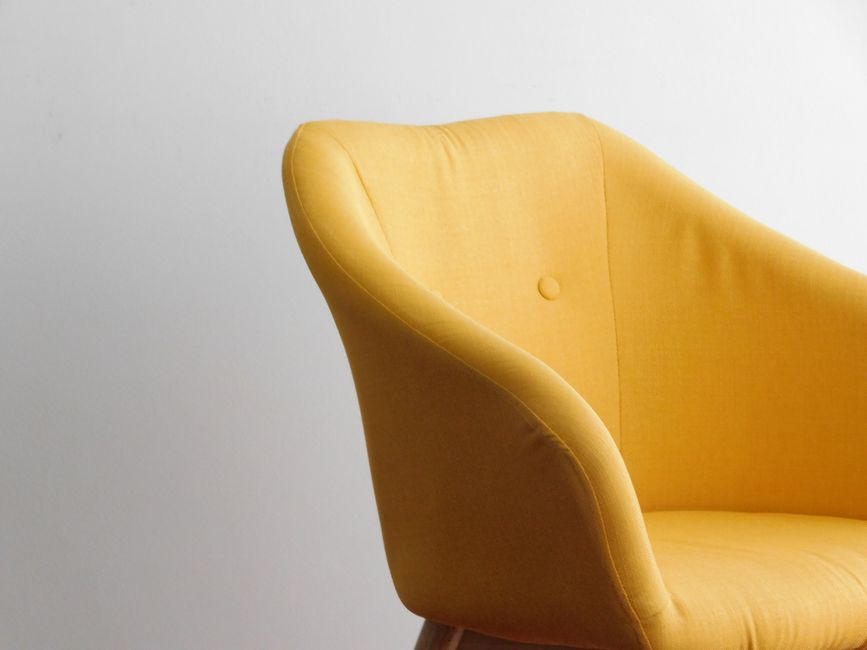
Your accent chair should either complement or intentionally contrast your current decor. A complementary approach means selecting colors and styles that harmonize with existing furniture. A contrasting approach uses your accent chair as a bold statement piece that adds unexpected visual interest. Both strategies work; your choice depends on your design goals and comfort level with risk.
Identifying Your Design Style
Common decor styles in 2026 homes include:
- Modern Minimalist: Clean lines, neutral colors, uncluttered spaces.
- Mid-Century Modern: Tapered legs, geometric shapes, warm wood tones.
- Scandinavian: Light woods, soft textures, functional simplicity.
- Bohemian: Rich colors, mixed patterns, layered textures.
- Traditional: Ornate details, classic fabrics, formal arrangements.
- Industrial: Exposed metal, concrete, reclaimed wood elements.
Once you identify your style, search for accent chairs within that category. This creates cohesion and ensures your new piece enhances rather than disrupts your room’s flow. Many retailers now offer style filters online, making research easier than ever.
Key Takeaway: Defining your room’s existing style guides every accent chair decision you’ll make.
What Color and Pattern Combinations Work Best?
Color selection is perhaps the most impactful decision when choosing an accent chair. Your options range from neutral tones that blend seamlessly to vibrant hues that command attention. Consider the 60-30-10 design rule: sixty percent dominant color, thirty percent secondary color, and ten percent accent color. Your accent chair typically fills the accent color role, though it can also serve as a secondary color element.
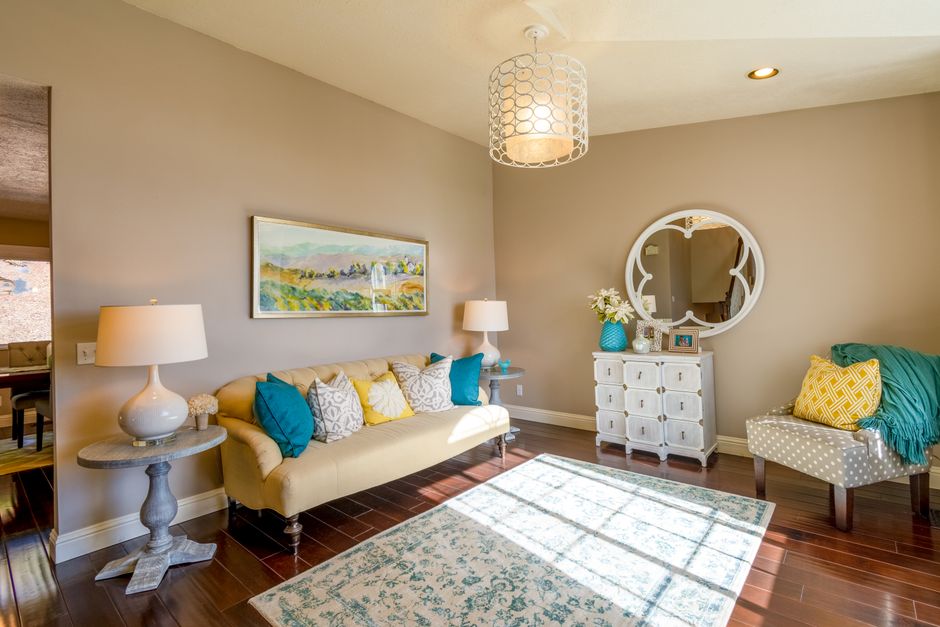
Neutral accent chairs in gray, beige, or cream work with virtually any decor style. They provide visual interest through texture rather than color. Bold accent chairs in jewel tones, warm terracottas, or deep blues create dramatic focal points. Test color samples in your actual room lighting before purchasing, as artificial and natural light dramatically affect how colors appear.
Pattern Considerations
Patterned accent chairs add personality and depth to rooms. However, balance is essential. If your sofa features a bold pattern, choose a solid accent chair. If your walls are patterned, opt for a solid upholstery. Mixing complementary patterns—such as geometric and floral—can work beautifully when colors coordinate.
- Solid colors: Versatile, timeless, easy to coordinate with other pieces.
- Geometric patterns: Modern, dynamic, works well in contemporary spaces.
- Floral patterns: Romantic, traditional, adds natural elements indoors.
- Striped or textured: Sophisticated, adds visual movement without overwhelming.
- Mixed patterns: Bold choice requiring careful color coordination.
Sustainable fabric options in 2026 include organic cotton, linen, recycled polyester, and performance fabrics. These materials offer durability and environmental benefits. Learn more about sustainable choices by exploring top sustainable furniture trends for 2026 homes.
Key Takeaway: Color and pattern selection determines whether your accent chair harmonizes or contrasts with your existing decor.
How Do You Measure and Fit an Accent Chair to Your Space?
Proper measurements prevent purchasing an accent chair that’s too large or awkwardly positioned in your room. Start by measuring your available floor space. Accent chairs typically range from twenty-eight to thirty-six inches wide and thirty to thirty-six inches deep. Consider traffic flow—ensure the chair doesn’t block doorways or walkways. Leave at least eighteen inches between your accent chair and other furniture pieces for comfortable movement.
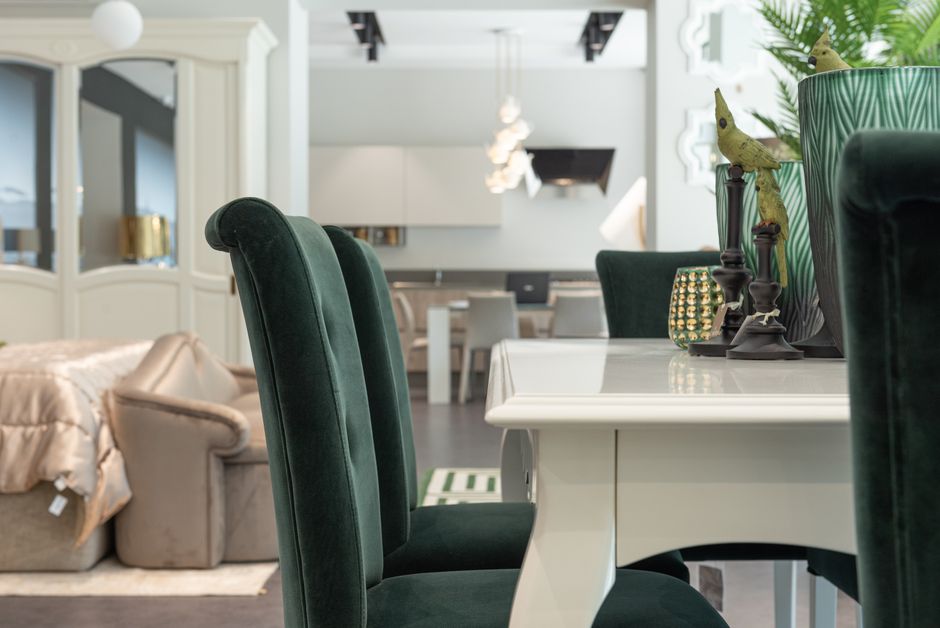
Ceiling height matters too. In rooms with standard eight-foot ceilings, avoid chairs taller than thirty-six inches, as they can feel cramped. High-backed chairs work better in rooms with nine-foot or higher ceilings. Measure your doorway width if you’re concerned about delivery, similar to how you’d measure a couch for moving.
Space Planning Tips
Effective placement maximizes both function and aesthetics:
- Corner placement: Utilizes unused space, creates cozy reading nooks.
- Opposite sofa: Encourages conversation, balances room layout.
- Window seating: Provides natural light, creates peaceful retreat spots.
- Bedroom placement: Offers comfortable seating without cluttering the room.
- Home office addition: Provides alternative seating or breaks up monotony.
Create a floor plan sketch before purchasing. Mark furniture placement, doorways, and windows. This visual reference prevents impulse purchases that don’t fit your space. Many furniture retailers offer virtual room planners online for digital visualization.
Key Takeaway: Accurate measurements and thoughtful placement ensure your accent chair enhances rather than complicates your room layout.
What Fabric and Material Options Should You Consider?
Fabric choice impacts durability, maintenance, comfort, and environmental impact. Upholstery materials range from natural fibers like cotton and linen to synthetic blends and performance fabrics. Natural fibers breathe well and feel luxurious but may require more maintenance. Performance fabrics resist stains and wear, making them ideal for high-traffic areas or homes with pets and children.

In 2026, eco-conscious consumers increasingly choose sustainable upholstery options. Recycled polyester, organic cotton, and innovative plant-based materials offer environmental benefits without sacrificing quality. Compare sustainable performance leather alternatives for durability and style.
Common Upholstery Materials
- Cotton: Breathable, soft, natural; requires regular cleaning and maintenance.
- Linen: Durable, elegant, wrinkles naturally; adds texture and sophistication.
- Polyester blends: Affordable, stain-resistant, long-lasting; less breathable than natural fibers.
- Performance fabrics: Specially treated to resist stains and moisture; ideal for active households.
- Leather or faux leather: Easy to clean, durable, professional appearance; can feel cold initially.
- Velvet: Luxurious, soft, elegant; shows dust and requires gentle care.
Test fabric samples in your home’s lighting. Feel the texture and weight. Consider your lifestyle: busy families benefit from performance fabrics, while those seeking luxury might prioritize velvet or genuine leather. Learn about sustainable performance leather versus real leather for detailed comparisons.
Key Takeaway: Fabric selection balances aesthetic preferences, maintenance requirements, durability, and environmental values.
How Do You Evaluate Comfort and Support Features?
An accent chair must be comfortable despite its decorative purpose. Sit in chairs before purchasing whenever possible. Notice the seat depth—typically sixteen to eighteen inches for comfortable leg support. Check armrest height; they should align with your elbow when seated. Back support matters equally; test whether the backrest angle suits your preferred sitting position.
Cushion firmness varies dramatically. Plush cushions feel cozy but may lose shape over time. Firmer cushions provide support and durability. Medium-density foam offers a balanced compromise. Consider your intended use: reading chairs benefit from high backs and firm support, while decorative accent pieces can prioritize aesthetics slightly more.
Comfort Assessment Checklist
Before finalizing your purchase, verify these comfort elements:
- Seat depth allows comfortable leg positioning without cutting off circulation.
- Backrest angle supports your preferred sitting posture.
- Armrest height aligns with your natural elbow position when seated.
- Cushion firmness matches your comfort preferences and intended use.
- Overall height accommodates your frame without feeling cramped.
- Base construction feels stable and sturdy when weight is applied.
Quality construction ensures long-term comfort. Hardwood frames last longer than particleboard. Eight-way hand-tied springs indicate superior construction compared to sinuous springs. Removable cushion covers simplify cleaning and maintenance, extending the chair’s lifespan.
Key Takeaway: Comfort assessment during purchase prevents buyer’s remorse and ensures years of enjoyable use.
What Budget Range Is Realistic for Quality Accent Chairs?
Accent chair prices span a wide range depending on materials, construction quality, and brand reputation. Budget options start around two hundred dollars but may feature lower-quality construction and materials. Mid-range chairs between four hundred and eight hundred dollars offer better durability and design options. Premium chairs exceeding one thousand dollars typically feature superior craftsmanship and luxury materials.
Your budget should reflect your intended use and lifestyle. High-traffic areas and active households justify investing in quality construction and durable fabrics. Decorative accent pieces used occasionally can work with more budget-friendly options. Consider cost-per-use over the chair’s expected lifespan for true value assessment.
Budget-Friendly Shopping Strategies
Maximize your budget with these smart shopping approaches:
- Shop end-of-season sales for significant discounts on quality pieces.
- Compare online retailers and local furniture stores for competitive pricing.
- Consider floor models or display pieces for substantial markdowns.
- Look for sustainable brands offering eco-friendly options at reasonable prices.
- Check return policies; some retailers offer trial periods before final commitment.
- Read customer reviews emphasizing durability and long-term satisfaction.
Investing in sustainable furniture aligns with growing market trends. Explore building a sustainable capsule furniture collection for long-term value and environmental responsibility. Quality pieces justify higher initial costs through durability and timeless appeal.
Key Takeaway: Balancing budget with quality ensures you purchase an accent chair offering both value and lasting satisfaction.
How Do You Coordinate Your Accent Chair with Other Furniture?
An accent chair should enhance your room’s overall design rather than compete with existing pieces. If your sofa is the room’s main focal point, your accent chair should support rather than overshadow it. Coordinate through shared design elements: similar leg styles, complementary colors, or matching material palettes. This creates visual cohesion without monotony.
Consider the room’s other furniture pieces when selecting your accent chair. If you have a TV stand with clean modern lines, choose an accent chair with similar contemporary styling. Traditional room settings call for accent chairs with classic proportions and details. Eclectic spaces can handle more adventurous combinations as long as colors and materials connect somehow.
Coordination Techniques
- Color echoing: Repeat a sofa color in smaller quantities through the accent chair.
- Material matching: Use similar wood tones or metal finishes across furniture pieces.
- Style consistency: Maintain design period or aesthetic approach throughout the room.
- Scale balance: Pair substantial sofas with appropriately-sized accent chairs.
- Accent variation: Add visual interest through different textures while maintaining color harmony.
Accessorizing your accent chair with throw pillows and blankets extends coordination possibilities. These elements can tie together multiple furniture pieces while adding comfort and texture. Layer complementary colors and patterns for a designed, intentional appearance.
Key Takeaway: Thoughtful coordination between your accent chair and existing furniture creates harmonious, well-designed spaces.
Practical Tips: Step-by-Step Guide to Choosing Your Perfect Accent Chair
Follow this systematic approach to confidently select an accent chair that transforms your space:
- Define your style: Identify your room’s existing decor aesthetic and design preferences.
- Measure your space: Record available floor space, doorway width, and ceiling height accurately.
- Establish your budget: Determine realistic spending limits based on quality and intended use.
- Assess color needs: Decide whether you want complementary or contrasting colors with existing pieces.
- Research fabric options: Compare upholstery materials considering maintenance, durability, and sustainability.
- Test comfort features: Sit in chairs and evaluate seat depth, backrest angle, and cushion firmness.
- Review construction quality: Inspect frames, springs, and joinery for durability indicators.
- Check return policies: Ensure you can return or exchange the chair if it doesn’t work in your space.
- Plan placement: Visualize where the chair will sit and how it flows with traffic patterns.
- Make your purchase: Buy from reputable retailers offering delivery and assembly services if needed.
This systematic approach eliminates guesswork and ensures thoughtful decision-making throughout the selection process.
Frequently Asked Questions
What Size Accent Chair Works Best for Small Spaces?
Compact accent chairs measuring twenty-eight to thirty inches wide fit comfortably in smaller rooms. Look for chairs with exposed legs, which create visual lightness compared to skirted bases. Armless designs or chairs with minimal armrests maximize usable space. Vertical proportions work better than wide, sprawling silhouettes in tight areas. Light colors and simple patterns prevent the chair from visually overwhelming small spaces.
Can You Use Multiple Accent Chairs in One Room?
Yes, multiple accent chairs work beautifully when coordinated thoughtfully. Choose chairs in the same style family with complementary colors and materials. Avoid matching pairs, which feel overly formal; instead, select chairs with subtle differences creating visual interest. Multiple accent chairs work especially well in large living rooms, bedrooms with seating areas, or home offices. Ensure adequate spacing between pieces for comfortable traffic flow and conversation.
How Often Should You Replace an Accent Chair?
Quality accent chairs last ten to fifteen years with proper care and maintenance. Replace chairs sooner if they develop structural damage, lose cushion support, or no longer suit your evolving style. Regular cleaning, rotating cushions, and addressing stains promptly extend lifespan significantly. Sustainable choices often outlast budget options, making them better long-term investments despite higher initial costs.
What’s the Difference Between an Accent Chair and an Occasional Chair?
Accent chairs serve both decorative and functional purposes, providing regular seating while adding visual interest. Occasional chairs are smaller, more decorative pieces used less frequently. Accent chairs typically feature bolder colors or patterns, while occasional chairs often blend more subtly into spaces. Both enhance room aesthetics, but accent chairs provide more substantial seating comfort and usage frequency.
Should Your Accent Chair Match Your Sofa?
Matching sofas and accent chairs creates cohesive, coordinated spaces but isn’t necessary. Complementary colors and styles often feel more intentional and designed than exact matches. Mix similar design periods or color palettes while varying specific styles and details. This approach adds visual interest while maintaining overall harmony. Your personal preference and room aesthetic guide this decision.
How Do You Clean and Maintain Upholstered Accent Chairs?
Vacuum regularly using upholstery attachments to remove dust and debris. Address spills immediately by blotting gently with clean cloths. Use manufacturer-recommended cleaning products; test on hidden areas first. Rotate cushions monthly to ensure even wear. Professional cleaning annually maintains appearance and extends lifespan. Protective fabric treatments offer additional stain resistance for high-traffic pieces.
How Do You Make Your Final Accent Chair Decision?
After gathering information and assessing options, trust your instincts. The perfect accent chair combines aesthetic appeal with practical functionality and personal comfort. Visualize the chair in your specific space under your actual lighting conditions. Consider how you’ll use it daily and whether it aligns with your lifestyle and maintenance capacity. Quality pieces that bring you joy justify their investment through years of enjoyment.
Document your final choice by photographing potential options and comparing them side-by-side. Sleep on major decisions rather than purchasing impulsively. Verify return policies, delivery timelines, and assembly requirements before finalizing payment. Once you’ve selected your accent chair, arrange it thoughtfully within your space to maximize both aesthetic impact and functional comfort.
Your accent chair should feel like a natural extension of your home’s personality. Whether you prioritize bold statement-making or subtle sophistication, sustainable materials or traditional craftsmanship, the right choice enhances your space and brings daily satisfaction. Take time with this decision, and you’ll enjoy your accent chair for years to come.
Key Takeaway: Selecting an accent chair that fits your decor involves balancing style, comfort, quality, and personal preference through systematic evaluation and thoughtful consideration.






Write Your Review
No reviews yet. Be the first to share your experience!