

How to Choose the Right TV Stand Size for Your Television?
Selecting the correct TV stand size is crucial for both aesthetic appeal and functional safety. The right stand prevents tip-overs, improves cable management, and enhances your viewing experience. Most experts recommend that your TV stand width should be 80-100% of your television’s width for optimal stability and appearance. Measure your TV’s width first, then calculate the ideal stand dimensions. Proper sizing also ensures your stand accommodates entertainment equipment like cable boxes, gaming consoles, and sound systems. Getting this decision right saves money and prevents costly mistakes during installation.
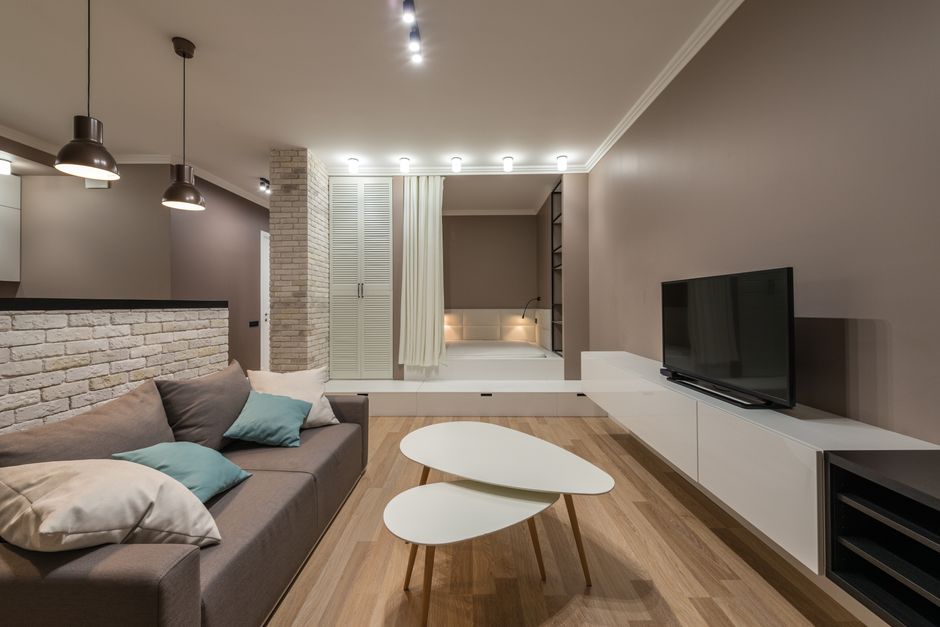
Beyond width, consider your room layout, viewing distance, and furniture arrangement. A TV stand that’s too small looks unbalanced and risks instability. One that’s too large overwhelms your space and wastes room. The 2026 furniture market emphasizes proportional design that complements modern living spaces. This guide walks you through every measurement consideration to find your perfect fit.
What Are the Key Measurements You Need to Take?
Before purchasing a TV stand, gather accurate measurements of both your television and available space. Start by measuring your TV’s width from edge to edge using a measuring tape. Write down this number in inches. Next, measure the height and depth of your television as well. These dimensions help ensure the stand can support your TV’s weight and fit within your entertainment center.
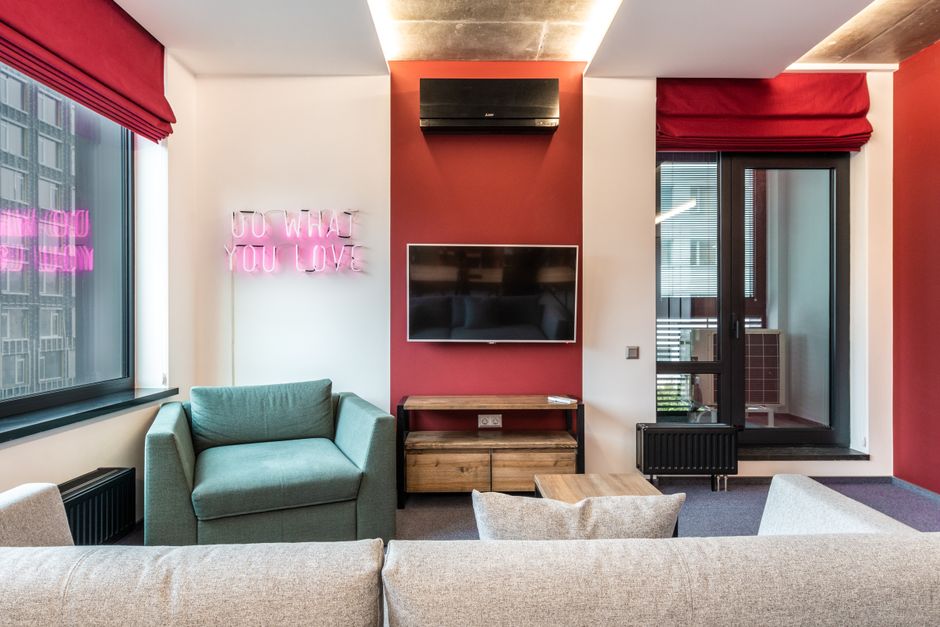
Measure your wall space or furniture area where the stand will sit. Include measurements of the wall width, available floor space, and any obstacles like windows, doors, or baseboards. Consider traffic flow and how people will move through your room. Document all measurements before shopping.
Key Takeaway: Accurate measurements are the foundation of choosing the right TV stand size.
- TV width (edge to edge in inches)
- TV height (top to bottom)
- TV depth (front to back)
- Available wall or floor space width
- Distance from floor to ceiling
- Weight capacity requirements
- Depth available for stand extension
Understanding TV Stand Width Guidelines
The golden rule for TV stand sizing is the 80-100% width rule. Your stand should be at least 80% of your TV’s width, ideally reaching 90-100% for balanced proportions. For example, if your television is 55 inches wide, your stand should be 44-55 inches wide. This sizing prevents the TV from appearing to float awkwardly above the stand. It also provides adequate surface area for equipment placement underneath.
Some interior designers prefer stands that are slightly narrower than the TV for a modern, minimalist look. Others choose stands that match the TV width exactly for traditional aesthetics. The choice depends on your design preference and available space.
Calculating Proper Depth and Height
TV stand depth is often overlooked but critically important. Measure the depth of your television from front to back. Your stand should have at least 2-3 inches more depth than your TV to prevent overhanging. This prevents the TV from tipping forward and allows for cable connections at the back. Most modern TV stands offer 12-18 inches of depth, which accommodates most televisions and equipment.
Height matters for ergonomic viewing. Position your TV so the center screen sits at or slightly below eye level when seated. Most experts recommend mounting the TV 24-30 inches from the floor to the center of the screen. Your stand height should support this viewing position based on your seating arrangement.
How Do Room Dimensions Affect Your TV Stand Choice?
Your room size and layout directly impact which TV stand dimensions work best. A large living room can accommodate a bigger stand and larger television, while smaller bedrooms need compact options. Measure your room’s width and length to understand available space. Consider furniture placement, traffic patterns, and how people will view the television from different areas.
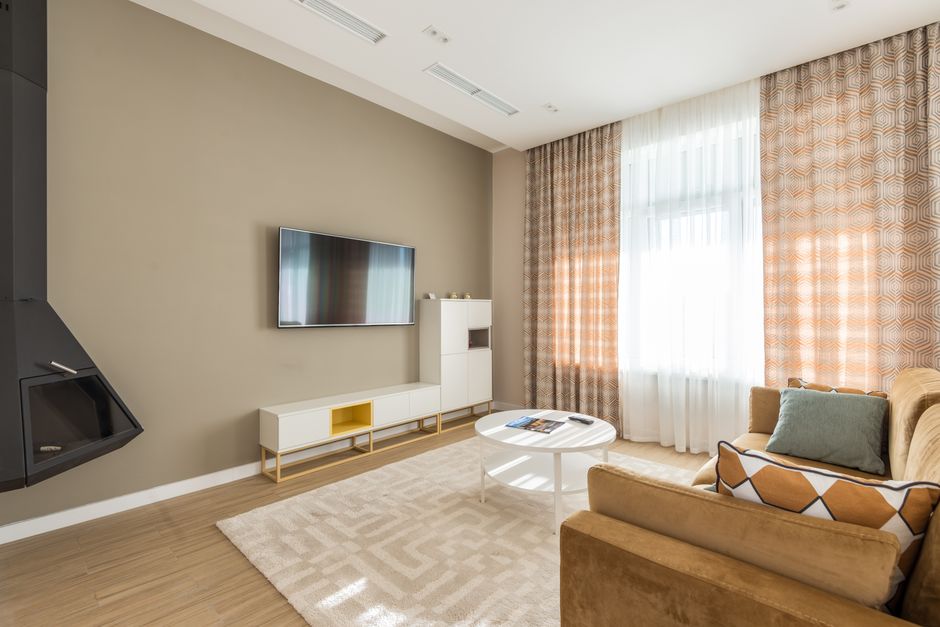
In 2026, open-concept living spaces dominate home design trends. These layouts require TV stands that don’t obstruct sightlines or create visual clutter. Compact, proportional stands work better in these modern spaces than oversized entertainment centers.
- Large rooms (over 300 sq ft): 55-75 inch TVs with stands 50-65 inches wide
- Medium rooms (200-300 sq ft): 43-55 inch TVs with stands 40-50 inches wide
- Small rooms (under 200 sq ft): 32-43 inch TVs with stands 30-40 inches wide
- Bedrooms: Compact stands 24-36 inches wide for 24-32 inch TVs
- Apartments: Narrow stands 18-30 inches wide to maximize floor space
Considering Viewing Distance and Angle
Viewing distance determines ideal TV size and stand height. The general rule is to sit 1.5-2.5 times the TV’s diagonal measurement away from the screen. For a 55-inch TV, sit 82-137 inches away. This distance affects how your stand should position the television in your room. Stands that tilt or swivel help optimize viewing angles from different seating positions.
Neck strain occurs when TVs are positioned too high or at awkward angles. Your stand height should allow comfortable viewing without tilting your head excessively. Test different heights before committing to a specific stand size.
Wall Space and Obstacle Considerations
Identify obstacles that affect stand placement: windows, doors, heating vents, outlets, and architectural features. A stand that’s technically the right size might not fit your actual space due to these obstacles. Measure distances from walls, considering baseboard height and trim. Ensure adequate clearance for opening doors or windows near the TV area.
Cable management becomes easier with proper stand sizing. Larger stands with built-in cable channels accommodate multiple devices. Ensure your chosen stand provides adequate routing for power cords, HDMI cables, and other connections.
Key Takeaway: Room layout and obstacles significantly influence practical TV stand sizing choices.
What Weight Capacity and Stability Factors Matter Most?
TV stand stability depends on weight capacity, base design, and material quality. Check your television’s weight—modern TVs are surprisingly light due to LED technology. A 55-inch TV typically weighs 40-60 pounds. Your stand must safely support this weight plus any equipment you’ll place on shelves. Most quality stands support 100-150 pounds minimum, providing safety margin.
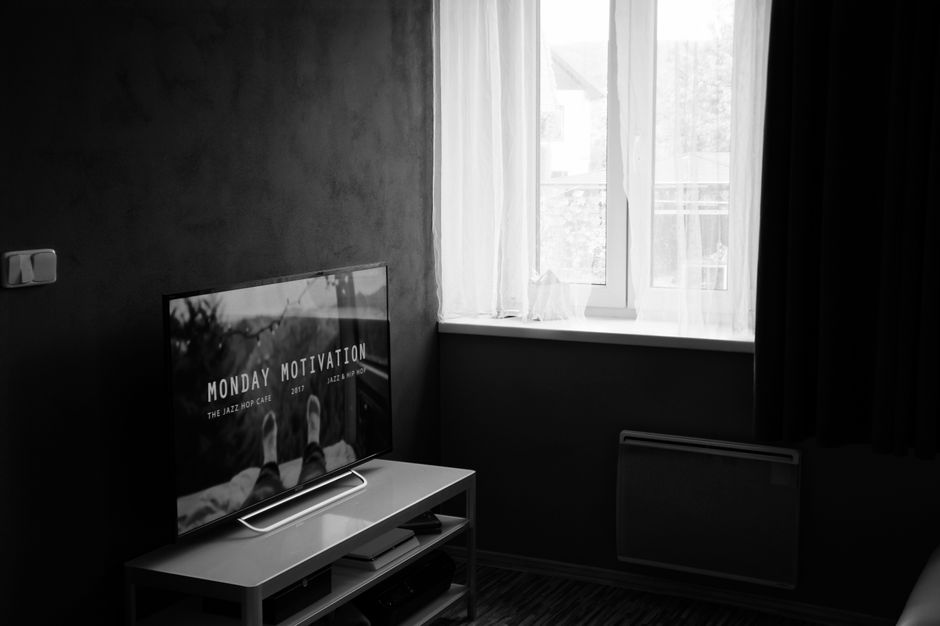
Base width significantly impacts stability. Wider bases prevent tipping better than narrow ones. Look for stands with feet that extend at least 75% of the stand’s width. Heavy-duty materials like solid wood or reinforced metal offer better stability than particleboard or plastic.
- Weight capacity should exceed your TV weight by at least 50 pounds
- Base width should be 70-100% of stand width
- Feet should be rubberized to prevent sliding
- Shelves should support additional equipment weight
- Center of gravity must remain low for stability
- Anti-tip brackets add extra safety for homes with children or pets
Material Considerations for Durability
Material quality affects both stability and longevity. Solid wood stands offer superior durability and weight capacity. Metal frames provide modern aesthetics with excellent strength. Glass shelves add visual appeal but require careful weight distribution. Particleboard or MDF stands are budget-friendly but less stable over time.
In 2026, sustainable furniture options are increasingly popular. Consider stands made from reclaimed wood or recycled materials. These eco-friendly options provide comparable durability while reducing environmental impact. Check manufacturer specifications for weight ratings specific to each material type.
Anti-Tip Safety Features
Anti-tip brackets and wall anchors prevent accidents, especially important in homes with children or pets. These features secure the stand to the wall, preventing forward tipping. Some modern stands include automatic stabilization systems that adjust to weight distribution. Review safety certifications from organizations like CPSC (Consumer Product Safety Commission) before purchasing.
How Should You Measure for Wall-Mounted vs. Stand Options?
Wall-mounted televisions require different measurement considerations than stand-mounted options. For wall mounting, measure the available wall space, stud locations, and desired mounting height. Wall-mounted setups save floor space but require proper installation. Consider cable management behind the wall and access for future maintenance.
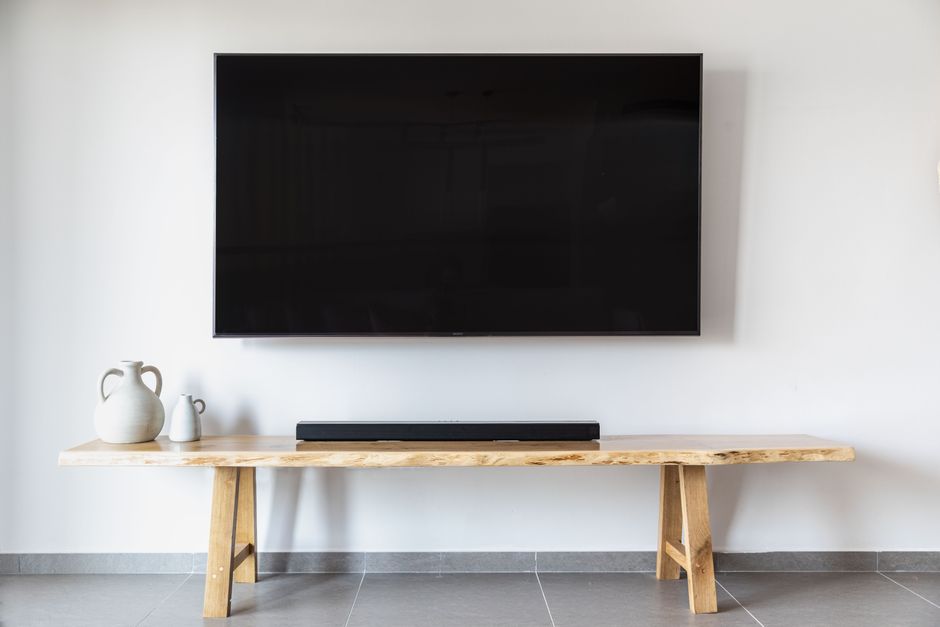
TV stands offer flexibility to reposition equipment and easier access for repairs. They work better in rental properties where wall mounting isn’t permitted. Stands also provide storage for equipment and media, adding functional value beyond TV support.
- Wall mounting: Measure stud spacing (typically 16 inches apart), available wall width, and desired height
- Stand mounting: Measure floor space, wall width, and furniture arrangement
- Combination: Wall-mounted TV with stand-based equipment storage
- Corner stands: Maximize space in small rooms using corner dimensions
- Swivel stands: Allow viewing angle adjustment from different room positions
Comparing Space Efficiency
Wall mounting eliminates floor space requirements, ideal for small apartments or bedrooms. However, it requires professional installation and permanent wall modifications. TV stands occupy floor space but offer portability and flexibility. Modern compact stands maximize storage while minimizing footprint. Choose based on your space constraints and future moving plans.
What Are Practical Steps to Find Your Perfect TV Stand Size?
Follow this systematic approach to identify the ideal TV stand dimensions for your specific situation. These actionable steps ensure you make an informed decision without guesswork or costly mistakes.
- Step 1: Measure your TV width, height, and depth with a tape measure. Record all dimensions in inches.
- Step 2: Calculate the ideal stand width using the 80-100% rule based on your TV width.
- Step 3: Measure your available space including wall width, floor depth, and height clearance.
- Step 4: Identify obstacles like windows, doors, vents, and electrical outlets affecting placement.
- Step 5: Determine viewing height by calculating comfortable eye level from your primary seating position.
- Step 6: Check your TV’s weight and compare against stand weight capacity ratings.
- Step 7: Create a scale drawing of your room showing TV stand placement and dimensions.
- Step 8: Research specific stand models matching your calculated dimensions and requirements.
- Step 9: Read customer reviews focusing on stability, assembly difficulty, and long-term durability.
- Step 10: Verify return policies before purchasing in case the stand doesn’t fit your space perfectly.
Using Online Tools and Calculators
Many furniture retailers offer online sizing tools and room planners. These digital tools let you visualize different stand sizes in your space before purchasing. Upload photos of your room and overlay furniture dimensions for accurate visualization. Some tools provide augmented reality features showing how stands look in your actual environment.
Manufacturer websites typically provide detailed dimension specifications and weight capacity information. Use these resources to create comparison spreadsheets of potential options. This systematic approach saves time and prevents impulse purchases that don’t fit your needs.
Testing Before You Commit
Visit furniture showrooms to see different stand sizes in person. Sit in comparable seating positions to test viewing angles and heights. This hands-on experience reveals whether dimensions work practically, not just theoretically. Some retailers offer in-home delivery with trial periods, allowing you to test stands in your actual space.
Ask about assembly services and return policies. Quality furniture retailers provide white-glove delivery and professional installation. These services ensure your stand is properly assembled and positioned for optimal stability and appearance.
How Do You Match Your TV Stand to Your Interior Design?
Beyond functionality, your TV stand should complement your room’s aesthetic. Modern minimalist spaces work best with sleek, narrow stands. Traditional living rooms suit stands with decorative details and wood finishes. Industrial spaces benefit from metal frames and open shelving. Your stand’s style should harmonize with existing furniture and décor.
Color coordination matters for visual cohesion. Match your stand to other furniture pieces or choose neutral tones that work with multiple color schemes. In 2026, sustainable furniture emphasizes natural materials and finishes that age gracefully. These timeless options remain attractive as design trends evolve.
- Modern style: Sleek lines, minimal ornamentation, neutral colors, metal or glass
- Traditional style: Wood finishes, decorative details, warm tones, closed storage
- Industrial style: Metal frames, open shelving, dark finishes, mixed materials
- Farmhouse style: Reclaimed wood, white or natural finishes, rustic hardware
- Contemporary style: Mixed materials, geometric shapes, bold colors, functional design
Storage and Functionality Considerations
Modern TV stands offer integrated storage for media, gaming consoles, and entertainment equipment. Shelves, drawers, and cabinets keep your space organized and cables hidden. Consider how much equipment you need to store when selecting stand size and configuration. Open shelving displays decorative items but requires careful organization. Closed storage keeps clutter hidden but reduces accessibility.
Cable management features reduce visual clutter significantly. Look for stands with built-in cable channels, clips, and routing options. These features maintain a clean appearance while accommodating multiple connections. Proper cable management also improves equipment ventilation and reduces heat buildup.
Frequently Asked Questions
What is the ideal TV stand width for a 55-inch television?
For a 55-inch TV, the ideal stand width is 44-55 inches, following the 80-100% rule. Most 55-inch televisions measure approximately 55 inches wide. A stand between 44-55 inches provides visual balance and adequate support. This sizing accommodates most equipment while maintaining proportional aesthetics in typical living rooms.
Can a TV stand be too small for my television?
Yes, stands smaller than 80% of your TV’s width create instability risks and unbalanced appearance. Undersized stands may not provide adequate support, increasing tip-over risk. They also limit space for equipment placement and cable management. Always choose stands meeting the minimum 80% width requirement for safety and functionality.
How do I know if my TV stand is stable enough?
Check the weight capacity rating against your TV’s actual weight. The stand should support at least 150% of your TV’s weight. Inspect the base width—wider bases provide better stability. Look for anti-tip brackets and wall anchoring options. Quality stands from reputable manufacturers include stability certifications and testing documentation.
Should my TV stand match my other furniture?
Matching your stand to existing furniture creates visual cohesion, though it’s not strictly necessary. Coordinating materials, finishes, or color families creates harmony without exact matching. Modern design often mixes styles intentionally for visual interest. Ensure your stand complements your overall décor rather than clashing with dominant design elements.
What’s the best TV stand depth for most televisions?
Most televisions work well with stands offering 12-18 inches of depth. This depth accommodates typical TV thickness plus 2-3 inches of overhang clearance. Ensure adequate space behind the stand for cable connections and ventilation. Measure your specific TV’s depth before purchasing to confirm compatibility.
How high should my TV stand be off the ground?
Position your TV’s center screen 24-30 inches from the floor for comfortable viewing. This height aligns with eye level when seated in typical living room furniture. Adjust based on your seating height and viewing distance. Higher stands work better for rooms where people stand frequently; lower stands suit spaces with primarily seated viewing.
What Final Considerations Help You Make the Right Choice in 2026?
Selecting the right TV stand size combines precise measurements, room analysis, and aesthetic preferences. Start with accurate TV and space dimensions, then apply the 80-100% width rule as your foundation. Consider weight capacity, stability features, and material quality to ensure longevity. Factor in your room’s design style and storage needs for a stand that enhances your entire entertainment space.
Modern furniture shopping in 2026 emphasizes sustainability and quality over quantity. Choose stands made from durable, eco-friendly materials that will serve you for years. Invest in proper installation and cable management for optimal functionality. Take time testing options before purchasing—rushing this decision often leads to expensive mistakes.
Remember that your TV stand is more than just a support structure. It’s a functional furniture piece that impacts your room’s aesthetics, organization, and viewing experience. By following this comprehensive guide and measuring carefully, you’ll find a stand that perfectly fits your television, space, and lifestyle. Your future self will appreciate the thoughtful decision-making process when you’re enjoying years of comfortable, worry-free viewing.
Key Takeaway: Choosing the right TV stand size requires accurate measurements, weight capacity verification, and consideration of your room’s specific layout and design style.









Write Your Review
No reviews yet. Be the first to share your experience!