

How to Choose the Right Dining Table Size for Your Space?
Selecting the correct dining table size is essential for creating a functional and balanced dining room. The right table fits your space without overwhelming it, accommodates your household comfortably, and allows proper movement around it. Most dining tables range from 36 to 48 inches wide and 60 to 120 inches long, but your specific needs depend on room dimensions, seating requirements, and traffic flow. In 2026, homeowners increasingly prioritize sustainable furniture choices, making it important to invest in a table that will serve your family for years. This guide walks you through measuring, calculating, and selecting the perfect dining table for your unique space.
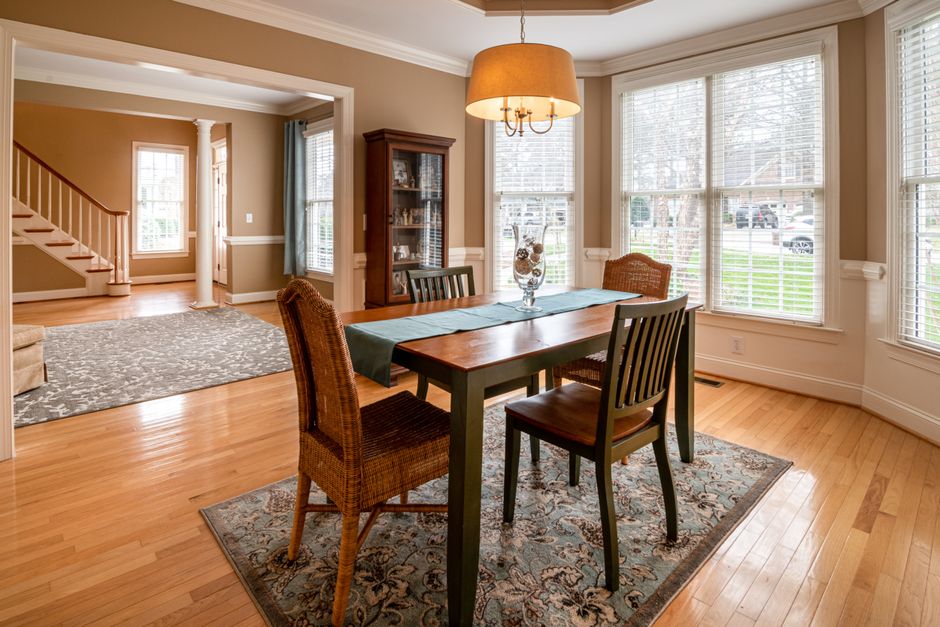
Key Takeaway: Measure your room first, allow 36 to 42 inches of clearance around the table, and select dimensions based on your household size and daily usage patterns.
How Do You Measure Your Dining Room Correctly?
Accurate measurements form the foundation of your dining table selection. Start by measuring your entire dining room length and width using a tape measure, recording dimensions in feet and inches. Note the location of doorways, windows, and built-in furniture like buffets or cabinets. These features affect how much usable space you actually have for a table. Take photos of your room from multiple angles to reference while shopping. Many retailers offer virtual room planners, which help visualize different table sizes in your actual space.
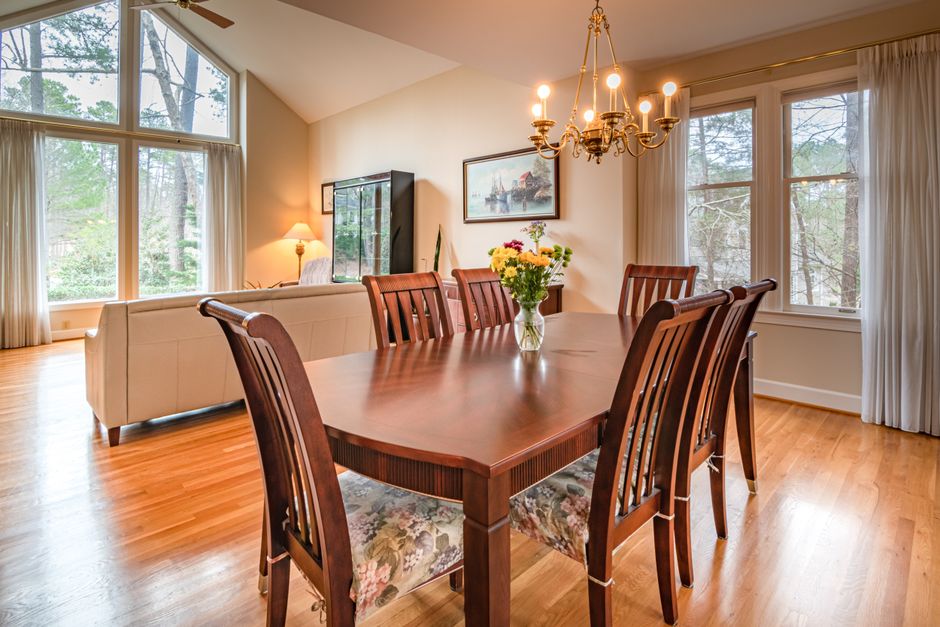
Next, identify your room’s traffic patterns. How do people move from the kitchen to the living room? Where do you open doors? These pathways need clearance. You’ll want at least 36 to 42 inches of walking space on all sides of your table. This distance allows diners to pull out chairs comfortably and others to pass behind them without bumping into anyone. If your room is tight, consider a round or oval table, which typically takes up less visual space than rectangular options.
Essential Measurements to Record
- Room length and width in feet and inches.
- Distance from walls to any permanent fixtures or obstacles.
- Doorway widths and swing directions.
- Window and electrical outlet locations.
- Available floor space after accounting for other furniture.
Key Takeaway: Precise room measurements and awareness of traffic flow determine the maximum table size your space can accommodate.
What Seating Capacity Do You Actually Need?
Seating capacity depends on how often you entertain and your household size. A general rule: allow 24 inches of table width per person on long sides and 12 inches on short ends. A 36-inch-wide table seats two people per side comfortably. A 42-inch-wide table accommodates two people per side with more elbow room. Longer tables (72 to 96 inches) seat four to six people on long sides, plus two on ends. Consider your daily needs versus occasional entertaining when deciding on size.
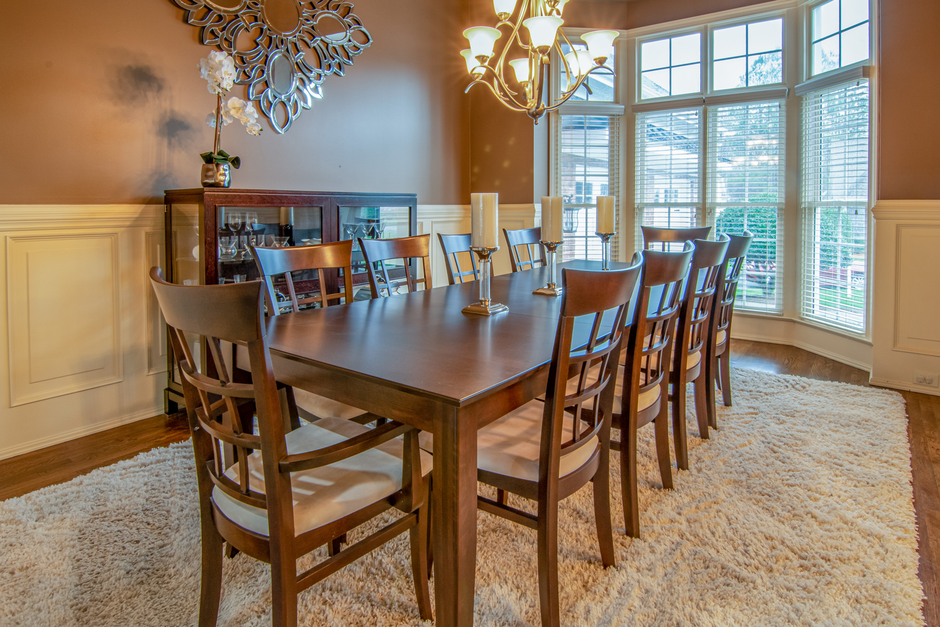
Many families choose tables slightly larger than their everyday needs to accommodate holiday gatherings and guests. Leaf extensions and expandable tables offer flexibility without requiring permanent large-table footprints. However, storage for leaves can be challenging in smaller homes. Think realistically about how often you’ll use extra seating. If you entertain monthly, an expandable table makes sense. If gatherings happen once yearly, a standard-size table may suffice with supplementary folding chairs.
Seating Guidelines by Table Dimensions
- 36-inch width: 2 seats per long side, 1 per end (4-6 total).
- 42-inch width: 2-3 seats per long side, 1 per end (6-8 total).
- 48-inch width: 3 seats per long side, 1-2 per end (8-10 total).
- 60-inch length: Compact option for small to medium rooms.
- 72-inch length: Standard family dining table size.
- 96-inch length: Large gatherings, requires spacious dining rooms.
Key Takeaway: Match table seating to your household size plus occasional guests, using the 24-inch-per-person guideline for comfortable dining.
How Do Different Table Shapes Affect Your Space?
Table shape dramatically influences how your dining room feels and functions. Rectangular tables are most common and efficient for long, narrow rooms. They seat more people relative to floor space and work well against walls. Round tables promote conversation and fit better in square rooms or smaller spaces. They require less clearance around them since no corners protrude. Oval tables combine benefits of both: they seat many people and work in various room shapes. Square tables suit smaller households and contemporary decor but limit seating compared to rectangular options.
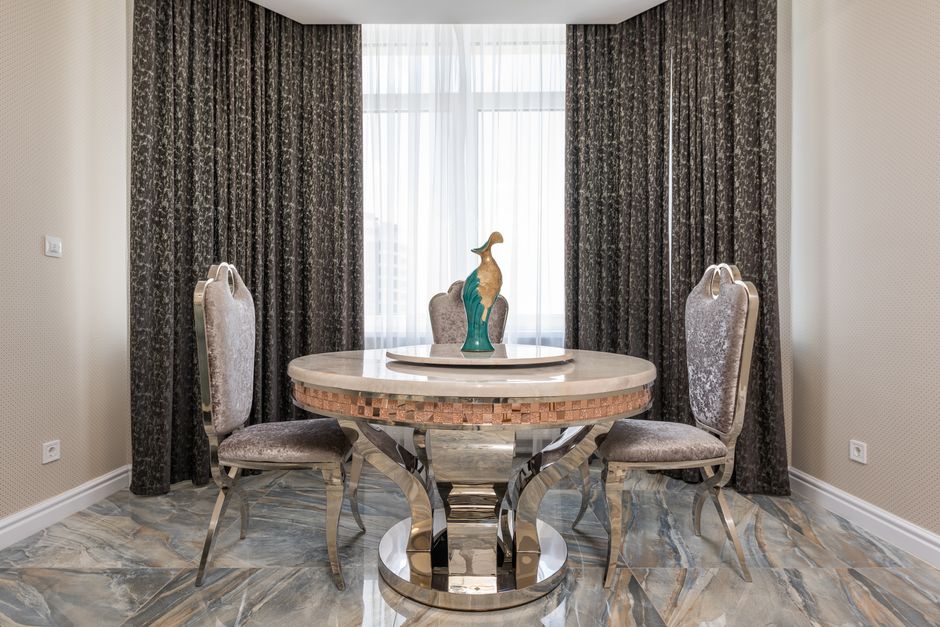
Consider your room’s architecture when selecting shape. A long, narrow dining room demands a rectangular table. A square room with equal dimensions benefits from a round or square table. Open-concept homes work well with oval or rectangular tables that don’t interrupt sightlines. Your existing furniture style also matters—modern spaces often feature rectangular or square tables, while traditional homes suit round or oval designs. When choosing sustainable furniture, manufacturers like those highlighted in guides on top sustainable furniture trends for 2026 offer various shapes in eco-friendly materials.
Shape Comparison for Different Room Types
- Rectangular: Best for long rooms, seats most people, traditional appeal.
- Round: Ideal for small spaces, promotes conversation, no sharp corners.
- Oval: Versatile, seats many, works in various room shapes.
- Square: Contemporary style, compact, suits smaller households.
- Extendable: Flexible sizing, accommodates varying guest counts.
Key Takeaway: Choose table shape based on room dimensions and layout—rectangular for long rooms, round for intimate spaces, oval for flexibility.
What Clearance Space Should You Plan Around Your Table?
Proper clearance transforms a dining room from cramped to comfortable. The standard recommendation is 36 to 42 inches of space between your table edge and walls or furniture. This allows diners to pull out chairs fully and stand behind them without hitting walls. In tight spaces, 30 inches is the minimum, though this feels restrictive. Traffic paths perpendicular to the table should have 48 inches minimum to allow two people to pass comfortably. If your room is smaller than 10 by 12 feet, prioritize clearance over table size.
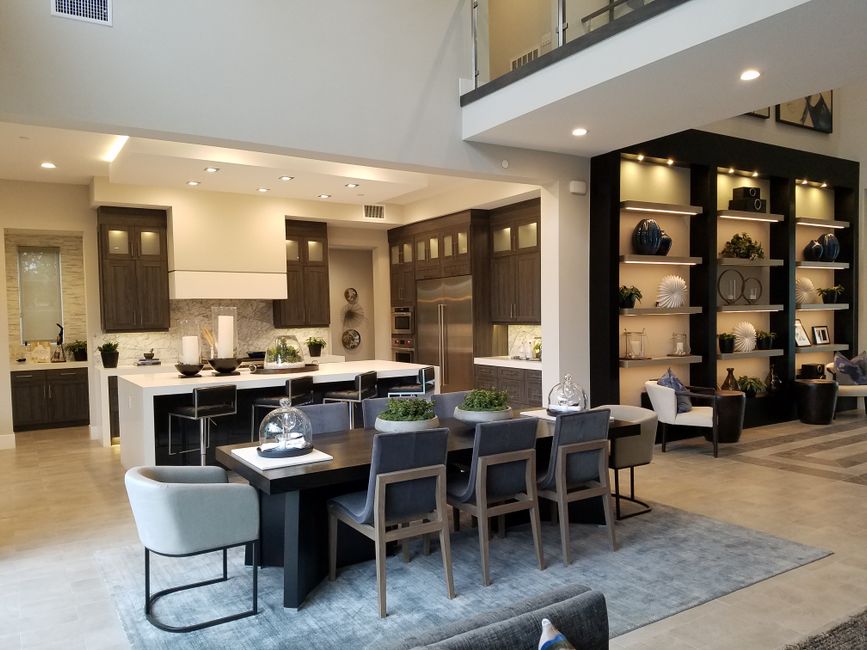
Visualize movement patterns before purchasing. Can someone walk from the kitchen to the living room without squeezing past a diner? Can you open a china cabinet without the table blocking it? These practical considerations prevent frustration after purchase. Use painter’s tape to outline your intended table size on the floor and walk through your daily movements. This simple test reveals whether your chosen dimensions work in reality. Many people overlook this step and end up with tables that feel too large for their actual lifestyle.
Key Takeaway: Maintain 36 to 42 inches of clearance on all sides and 48 inches in traffic paths for comfortable dining room function.
How Should You Approach Sustainable Table Selection?
In 2026, sustainability matters more than ever for home furnishings. When selecting a dining table, consider materials, durability, and end-of-life options. Solid wood tables from responsibly managed forests outlast particle board alternatives and can be refinished multiple times. Look for certifications like FSC (Forest Stewardship Council) or PEFC (Programme for the Endorsement of Forest Certification). Reclaimed wood tables offer unique character while reducing environmental impact. Bamboo grows quickly and regenerates, making it an excellent sustainable choice.
Beyond materials, evaluate manufacturing practices and shipping distances. Tables produced locally generate fewer carbon emissions than those shipped internationally. Some manufacturers now offer take-back programs for old furniture, supporting circular economy principles. For insights on sustainable options, explore resources about sustainable furniture take-back programs for recycling in 2026. Investing in quality sustainable furniture means your table serves your family for decades, reducing the need for replacement and waste. This approach aligns with building a sustainable capsule furniture collection.
Sustainable Material Options
- FSC-Certified Wood: Responsibly harvested, traceable source, high durability.
- Reclaimed Wood: Repurposed from old buildings, unique character, zero new resource extraction.
- Bamboo: Fast-growing, renewable, lightweight, eco-friendly alternative.
- Recycled Materials: Tables made from reclaimed metals or composite materials.
- Non-Toxic Finishes: Low-VOC stains and sealers reduce harmful emissions.
Key Takeaway: Select dining tables from sustainable materials with certifications, local production, and take-back options for environmental responsibility.
What Practical Steps Should You Follow Before Purchasing?
Taking deliberate steps before purchase prevents costly mistakes. First, finalize your measurements and create a floor plan drawing to scale. Second, photograph your space and note lighting, flooring, and existing furniture colors. Third, research table styles that complement your décor and meet sustainability standards. Fourth, visit showrooms to sit at tables and test chair heights and comfort. Fifth, check return policies and delivery options before ordering.
Pre-Purchase Checklist
- Measure room length, width, and note all obstacles and doorways.
- Calculate required clearance (36-42 inches minimum on all sides).
- Determine seating needs using 24-inch-per-person guideline.
- Choose table shape suited to your room dimensions and layout.
- Research sustainable materials and manufacturer certifications.
- Create a scale floor plan and use painter’s tape to outline table footprint.
- Visit showrooms to test comfort and visualize proportions.
- Review return policies, delivery timelines, and assembly requirements.
- Compare prices across retailers and check for sustainable options.
- Read customer reviews focusing on durability and quality.
Key Takeaway: Complete measurements, floor planning, and showroom visits before purchasing to ensure your dining table fits perfectly and meets your family’s needs.
How Does Your Dining Table Fit Into Overall Home Design?
Your dining table is a major design statement in your home. It should coordinate with your kitchen cabinetry, flooring, and wall colors while reflecting your personal style. In open-concept homes, the dining table visually connects to living and kitchen spaces, making cohesion important. Consider whether you prefer a matching set with chairs or mixing styles for eclectic appeal. The table’s finish—matte, glossy, or hand-rubbed—affects how light reflects and the overall ambiance. Lighting above the table, whether a chandelier, pendant, or recessed lights, should complement the table’s style.
Think about how your dining table will age. Will you keep it for decades, or do you enjoy refreshing furniture periodically? Timeless designs in neutral woods work longer than trendy finishes. If you prefer evolving styles, consider how future refinishing or repainting might affect the table. Quality sustainable pieces often develop character over time, becoming more beautiful with age. This perspective aligns with the concept of building a sustainable capsule furniture collection where fewer, better pieces serve multiple purposes across years.
Key Takeaway: Select a dining table that coordinates with your home’s overall design while prioritizing timeless style and quality materials for lasting appeal.
Frequently Asked Questions
What is the ideal dining table size for a small apartment?
For small apartments, a 36-inch-wide by 60-inch-long table works well, seating four to six people comfortably. Round tables 42 to 48 inches in diameter maximize seating while taking up less visual space. Ensure 30 to 36 inches of clearance around the table. Consider extendable tables for flexibility without permanent bulk. Wall-mounted or drop-leaf tables offer additional space-saving options for tight quarters.
How much clearance do you need behind dining chairs?
You need at least 36 to 42 inches behind dining chairs for comfortable movement. This allows diners to pull chairs back fully and stand without bumping walls or other furniture. In high-traffic areas or larger homes, 48 inches provides generous clearance for two people to pass comfortably. Measure from the table edge to the wall or nearest obstacle to verify adequate space before purchasing.
Can a dining table be too large for a room?
Yes, an oversized table makes a room feel cramped and difficult to navigate. If your table consumes more than 50 to 60 percent of your dining room floor space, it’s likely too large. The table should leave ample walking paths and allow comfortable chair movement. A slightly smaller table that feels spacious is better than a large one that creates bottlenecks and feels restrictive during daily use.
What table dimensions work best for rectangular dining rooms?
Rectangular rooms suit rectangular tables running the room’s length. A 36-inch-wide table allows 36 to 42 inches of clearance on each long side. Length depends on available space—common options are 60, 72, 84, or 96 inches. Measure your room and subtract 84 inches (42 inches clearance on each end) to determine maximum table length. This ensures comfortable movement in and out of the space.
Is a round or rectangular table better for small spaces?
Round tables are generally better for small spaces because they eliminate sharp corners and require less clearance overall. A 42 to 48-inch round table seats four to six people and feels less bulky than a rectangular equivalent. However, rectangular tables maximize seating relative to floor space. Your choice depends on whether you prioritize perceived spaciousness or maximum seating capacity in your small dining area.
What sustainable dining table materials last the longest?
Solid hardwoods like oak, walnut, and maple last 30+ years with proper care and refinishing. Reclaimed wood offers exceptional durability since it’s already seasoned. Bamboo is surprisingly durable and sustainable. Avoid particle board or veneer-only tables for longevity. FSC-certified wood ensures sustainability alongside durability. Quality construction with solid joinery matters more than material alone—invest in well-made pieces from reputable manufacturers.
How Should You Finalize Your Dining Table Decision?
After completing measurements, evaluating seating needs, and considering shape and sustainability, you’re ready to decide. Create a shortlist of two to three tables that meet your criteria. Compare prices, delivery times, and warranty information. Read customer reviews emphasizing durability and quality. Visit showrooms if possible to experience proportions and comfort firsthand. Ask retailers about assembly, care instructions, and return policies. Trust your instincts about style and comfort—you’ll be living with this table daily.
Remember that the right dining table balances functionality with aesthetics. It should fit your space without overwhelming it, accommodate your household comfortably, and reflect your values regarding sustainability and quality. Take time with this decision rather than rushing. A well-chosen dining table becomes a gathering place for family meals, homework sessions, and celebrations for years to come. When you select a sustainable option, you’re also investing in environmental responsibility and supporting manufacturers committed to ethical practices. Your dining table is more than furniture—it’s the heart of your home.
Key Takeaway: Finalize your dining table choice by comparing shortlisted options, reading reviews, testing in showrooms, and ensuring the table aligns with your space, lifestyle, and values.


Write Your Review
No reviews yet. Be the first to share your experience!