

How to Stop Sofa Cushions from Sagging? Quick Answer
Sagging sofa cushions result from compressed foam, weakened springs, and frame damage over time. Stop sagging by adding plywood support under cushions, replacing worn foam, reinforcing the frame, and rotating cushions regularly. Prevention through proper use and maintenance extends sofa life significantly. Most fixes cost between $100 and $500, making early intervention far cheaper than full replacement. Understanding the root cause determines the best solution for your specific sofa type.
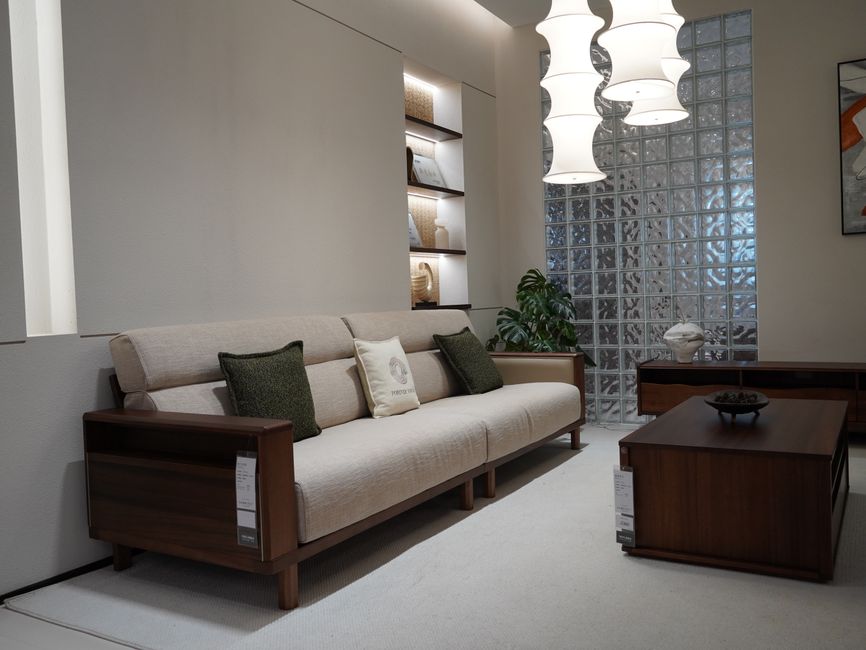
Sofa cushion sagging affects comfort and appearance, frustrating homeowners across the country. Modern sofas from 2026 feature various construction methods—some use high-density foam, others rely on spring systems. Each type requires different maintenance approaches. Recognizing early warning signs helps you address problems before they worsen. This guide covers prevention strategies, DIY repairs, and professional solutions to restore your sofa’s original comfort and support.
Key Takeaway: Early intervention and regular maintenance prevent most sagging issues and save you thousands in replacement costs.
What Causes Sofa Cushions to Sag Over Time?
Sofa cushion sagging stems from several interconnected factors working together. The primary culprit is foam degradation—high-density foam compresses under body weight and loses its ability to spring back. This process accelerates with daily use and poor maintenance. Temperature and humidity fluctuations also weaken foam structure, especially in humid climates like the Southeast.
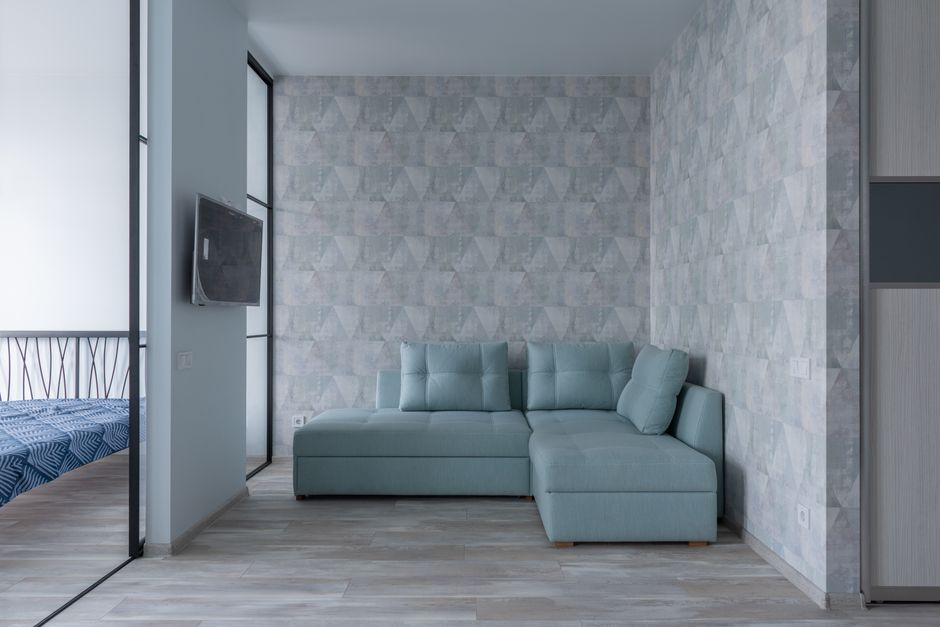
Springs and support systems fail when they lose tension or break entirely. Older sofas use eight-way hand-tied springs; newer models often use sinuous wire springs or no-sag springs. Each system has different lifespans and failure patterns. Frame damage from moisture, insects, or structural stress compounds these issues significantly.
Common Causes of Cushion Sagging
- High-density foam compression from daily body weight and pressure.
- Spring system failure, including broken or loose coils.
- Weakened frame structure from wood rot or insect damage.
- Poor fabric support allowing cushions to shift and settle.
- Inadequate cushion core density in budget sofas.
- Moisture exposure causing foam breakdown and mildew growth.
Usage patterns dramatically affect sagging speed. Sitting in the same spot repeatedly concentrates wear in one area. Families with children and pets experience faster degradation due to increased jumping and impact stress. Professional furniture makers recommend rotating cushions weekly to distribute wear evenly across all surfaces.
Key Takeaway: Understanding your sofa’s specific construction helps identify which sagging prevention method works best.
How Do You Prevent Sofa Cushions from Sagging Before It Starts?
Prevention is always cheaper and easier than repair. Start by rotating cushions every week, moving them to different positions. This simple habit distributes wear evenly and prevents permanent compression in one spot. Flip cushions regularly if they’re reversible to maximize their lifespan and maintain consistent support across the entire seating surface.

Protect your sofa from environmental damage by controlling humidity levels in your home. Use a dehumidifier in damp climates to keep moisture below 50 percent. Avoid placing sofas near windows, heating vents, or air conditioning units where temperature swings occur. Direct sunlight fades fabric and weakens foam structure, so use curtains or blinds to filter UV rays.
Essential Prevention Strategies for 2026 Sofas
- Rotate cushions weekly to distribute wear evenly across all surfaces.
- Use furniture protectors and throws to shield from spills and UV damage.
- Maintain humidity between 30 and 50 percent using dehumidifiers.
- Avoid jumping on cushions and limit weight concentration in one area.
- Vacuum cushions monthly to remove dust and debris buildup.
- Use sofa covers that breathe to prevent moisture accumulation.
Proper weight distribution matters more than most people realize. Encourage family members to spread their weight across multiple cushions rather than sitting in the same spot. If you have pets, consider using a pet-resistant upholstery fabric like those discussed in our pet-proof upholstery guide. Regular cleaning prevents dirt accumulation that degrades foam and fabric fibers.
Key Takeaway: Simple weekly habits like cushion rotation prevent most sagging problems before they require expensive repairs.
What Are the Best DIY Fixes for Sagging Sofa Cushions?
DIY repairs work best for minor sagging caused by cushion compression rather than frame damage. The plywood support method is the most popular solution among homeowners. Remove cushions and place a sheet of quarter-inch plywood across the seating deck, cutting it to fit your sofa’s dimensions precisely. This provides firm support that prevents cushions from sinking into gaps and compressing further.

Foam replacement offers another effective DIY solution for cushions that have permanently lost their shape. Purchase high-density foam sheets from fabric supply stores, measuring your cushions carefully before ordering. Cut the new foam to exact dimensions using a bread knife or electric carving knife. Wrap it in batting to smooth edges and improve comfort, then place it back in the cushion cover.
Step-by-Step DIY Plywood Support Installation
- Remove all cushions from your sofa and set them aside safely.
- Measure the seating deck length and width, accounting for armrest depth.
- Cut quarter-inch plywood to fit snugly without forcing or gaps.
- Sand the plywood edges smooth to prevent fabric snags.
- Place plywood on the seating deck, testing cushion fit before finishing.
- Return cushions and test comfort level before permanent installation.
Spring replacement requires more technical skill but provides long-lasting results. If your sofa uses sinuous wire springs, purchase replacement springs from furniture supply companies. Remove the old springs carefully, noting their attachment points. Install new springs using the same method, ensuring proper tension throughout. This repair typically costs $150 to $300 in materials but extends your sofa’s life by five to ten years.
Cushion fluffing with a plumper tool temporarily restores shape in moderately compressed cushions. Beat cushions with a clean tennis racket or furniture plumper several times weekly. This breaks up compressed foam and redistributes filling. While not a permanent fix, this maintenance technique maintains comfort between deeper repairs and costs nothing beyond initial tool investment.
Key Takeaway: Plywood support and foam replacement are the most cost-effective DIY solutions for sagging cushions.
When Should You Call a Professional Upholsterer?
Professional help becomes necessary when sagging involves frame damage, multiple spring failures, or extensive foam deterioration. Upholsterers have specialized tools and expertise to assess structural problems that DIY solutions cannot address. If your sofa sags unevenly or makes creaking sounds, the frame likely needs reinforcement or repair that requires professional skill.
Frame rebuilding is a complex process requiring knowledge of wood types, joinery techniques, and structural engineering. Professional upholsterers can strengthen weak frames, replace broken components, and restore original support. This investment typically costs $400 to $1,200 depending on damage severity. For high-quality vintage or designer sofas, professional restoration preserves value and extends lifespan significantly.
Signs You Need Professional Upholstery Services
- Visible frame cracks, splits, or structural damage visible from underneath.
- Multiple broken springs or springs that won’t stay in place.
- Uneven sagging affecting only certain cushions or seating areas.
- Creaking, squeaking, or popping sounds when sitting down.
- Sagging that worsens rapidly despite DIY prevention efforts.
- Sofa value exceeds $2,000 or has significant sentimental importance.
Professional upholsterers can also upgrade your sofa with modern materials during repairs. Replacing old springs with high-quality sinuous systems improves comfort and durability. Upgrading to premium foam provides better support and longer lifespan. These enhancements typically cost $500 to $1,500 but make older sofas feel like new while preserving their original character and style.
Key Takeaway: Professional repairs are worthwhile for expensive sofas, structural damage, or when DIY methods fail to resolve sagging.
How Do You Maintain Sofa Cushions to Extend Their Lifespan?
Regular maintenance prevents sagging and keeps your sofa looking and feeling like new. Vacuum cushions monthly using an upholstery attachment to remove dust, crumbs, and pet hair. This prevents debris from settling into foam and breaking down fibers. For stubborn stains, use a fabric-safe cleaner appropriate for your sofa’s material type, testing on hidden areas first.
Fluff and reshape cushions daily by patting and adjusting them. This simple habit maintains loft and prevents permanent compression. If your sofa has removable cushion covers, wash them according to manufacturer instructions every three to six months. Clean covers prevent dirt accumulation that degrades underlying foam and extends the cushion’s usable life significantly.
Monthly and Seasonal Maintenance Checklist
- Vacuum all cushion surfaces with upholstery brush attachment monthly.
- Fluff and rotate cushions daily to maintain even wear patterns.
- Spot-clean stains immediately using appropriate fabric cleaner.
- Check for loose seams or zipper damage that allows filling to escape.
- Inspect frame from underneath quarterly for signs of damage or pests.
- Use furniture protector spray seasonally to repel stains and moisture.
Protect your investment with furniture covers that breathe and allow air circulation. Avoid plastic covers that trap moisture and promote mildew growth. Choose covers made from cotton blends or microfiber that protect against spills while maintaining breathability. If you have pets, consider protective covers specifically designed to resist scratching and staining, as discussed in our complete pet-proof upholstery guide.
Professional cleaning every 12 to 18 months removes deep-set dirt and allergens that accumulate in cushion cores. Professional cleaners use specialized equipment and solutions that restore appearance while protecting fabric integrity. This investment, typically $200 to $400, maintains your sofa’s appearance and extends its functional lifespan considerably.
Key Takeaway: Consistent daily and monthly maintenance prevents most sagging problems and keeps your sofa comfortable for years.
What Practical Steps Can You Take Right Now to Fix Sagging Cushions?
Start today by assessing your sofa’s current condition. Sit on different cushions and note which areas feel compressed or unsupported. Check underneath the sofa for visible frame damage, broken springs, or moisture issues. Take photos of problem areas to reference when purchasing repair materials or consulting professionals. This assessment guides your repair approach and helps estimate costs accurately.
Implement immediate prevention measures while planning repairs. Rotate cushions right now and commit to doing this weekly. Remove any items stored under the sofa that restrict airflow and trap moisture. Adjust furniture placement to avoid direct sunlight and temperature fluctuations. These zero-cost changes prevent further deterioration while you plan more substantial repairs.
Immediate Action Plan for Sagging Cushions
- Assess damage by sitting on each cushion and noting compression areas.
- Check the sofa frame from underneath for structural damage or moisture.
- Rotate all cushions immediately and establish a weekly rotation schedule.
- Clean underneath the sofa to improve airflow and prevent moisture buildup.
- Order plywood and foam materials if DIY repairs are appropriate for your sofa.
- Schedule professional assessment if frame damage or multiple spring failures exist.
Purchase high-density foam and plywood this week if DIY solutions suit your situation. Most fabric and home improvement stores carry these materials in standard sizes. Foam typically costs $30 to $60 per cushion, while plywood sheets run $25 to $50. Installation takes one to two hours for most homeowners, making this an affordable weekend project that immediately improves comfort.
Consider your sofa’s age and overall condition when deciding between repair and replacement. Sofas over 15 years old often have multiple issues requiring expensive professional work. If repair costs exceed 50 percent of replacement cost, replacement may be more economical. Budget-friendly sofas under $800 are often cheaper to replace than repair, while designer pieces justify professional restoration investment.
Key Takeaway: Taking action today prevents problems from worsening and saves significant money on future repairs.
Frequently Asked Questions
How long do sofa cushions typically last before sagging?
Quality sofas last 7 to 10 years with proper maintenance before noticeable sagging occurs. Budget sofas with low-density foam may sag within 3 to 5 years. Premium sofas using high-quality materials and construction can remain comfortable for 15 years or longer. Usage intensity, weight distribution, and environmental factors significantly affect lifespan. Regular rotation and maintenance extend cushion life by 2 to 3 years on average.
Can you fix sagging cushions without replacing the foam?
Yes, plywood support under cushions prevents sagging without foam replacement. This method works best for moderate compression and costs under $50. However, if foam is permanently flattened or deteriorated, replacement provides better long-term comfort. Adding plywood buys time while you save for complete cushion restoration. This temporary solution maintains functionality while planning more comprehensive repairs.
Is it worth repairing an old sofa with sagging cushions?
Repair makes sense for sofas with strong frames and sentimental value, or designer pieces worth $2,000 or more. Professional restoration typically costs $500 to $1,500 but extends life 10 years. Compare this against replacement costs and your sofa’s condition. If multiple structural problems exist beyond cushions, replacement may be more economical. Consider the sofa’s overall aesthetic and whether repairs align with your current décor style.
What’s the cheapest way to fix sagging sofa cushions?
Plywood support is the most affordable DIY solution, costing $25 to $50 in materials. Cushion rotation and fluffing are free but temporary. Adding high-density foam costs $30 to $60 per cushion. Professional repairs start around $400 for frame reinforcement. DIY solutions suit most homeowners, while professional work becomes necessary only for structural frame damage or multiple spring failures.
Should you flip sofa cushions to prevent sagging?
Flipping reversible cushions prevents sagging by distributing wear evenly across both sides. Rotate cushions weekly, flipping them when possible to maximize lifespan. Non-reversible cushions should still be rotated between different seating positions. This simple habit prevents permanent compression in one spot and maintains cushion shape. Combined with weekly fluffing, rotation dramatically extends comfort and extends your sofa’s functional lifespan.
Can humidity cause sofa cushions to sag?
Yes, excessive humidity accelerates foam degradation and promotes mildew growth. Moisture breaks down foam structure and weakens support systems. Keep indoor humidity between 30 and 50 percent using dehumidifiers in damp climates. Ensure proper ventilation around your sofa to prevent moisture accumulation. Avoid placing sofas near bathrooms or kitchens where steam and humidity are highest. Controlling humidity extends cushion lifespan by 2 to 3 years.
How Can You Restore Your Sofa’s Comfort and Support in 2026?
Sagging sofa cushions don’t require immediate replacement when you understand prevention and repair options. Early intervention through plywood support, foam replacement, and professional restoration saves thousands compared to buying new furniture. Implement daily maintenance habits—rotating cushions weekly, controlling humidity, and protecting from sunlight—to prevent problems before they start. These simple actions maintain comfort and extend your sofa’s lifespan significantly.
Choose your repair approach based on sofa value, damage severity, and your DIY comfort level. Budget sofas benefit from affordable plywood and foam solutions that restore functionality quickly. Designer pieces and vintage sofas justify professional upholstery work that preserves their character and value. Regardless of approach, addressing sagging promptly prevents compounding structural damage that becomes exponentially more expensive to repair.
Start today by assessing your sofa’s condition and implementing prevention strategies. Rotate cushions this week, check frame integrity, and address moisture issues. Order repair materials if DIY solutions suit your situation, or schedule professional consultation for structural problems. Your sofa investment deserves proper maintenance and timely repairs. With consistent care and strategic intervention, your sofa will provide comfortable seating for years to come.
Key Takeaway: Combining prevention habits, timely DIY repairs, and professional help when needed keeps your sofa comfortable and extends its lifespan by years.




Write Your Review
No reviews yet. Be the first to share your experience!