

What’s the Difference Between Mesh and Padded Office Chairs for Long Hours?
Mesh office chairs use breathable fabric that allows air circulation, while padded chairs feature cushioned upholstery for immediate softness. For long-hour work sessions, the choice between these two affects comfort, temperature control, and spinal support. Mesh chairs excel at heat dissipation and maintain firmness over time. Padded chairs provide plush initial comfort but may compress and retain heat. In August 2026, ergonomic research confirms that neither is universally superior—the best choice depends on your climate, body type, and work duration. Understanding the trade-offs helps you select the chair that maximizes productivity and minimizes pain during extended sitting.
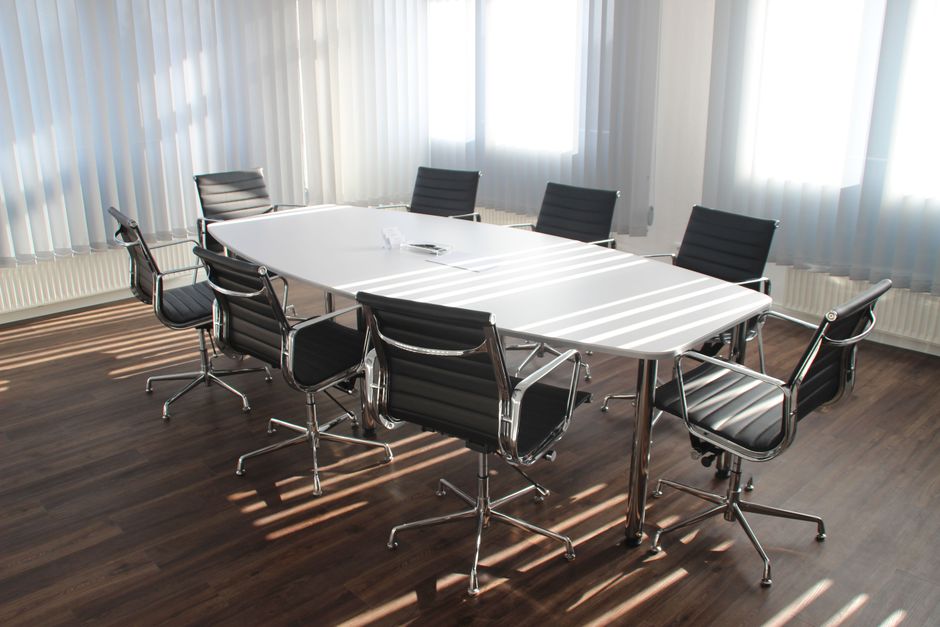
Office chair selection impacts your health more than most people realize. Sitting eight to ten hours daily requires a seat engineered for sustained comfort and proper alignment. The debate between mesh and padded designs has intensified as remote work becomes standard. Both materials have legitimate advantages. Your decision should factor in your workspace temperature, personal sweat response, budget, and existing back issues.
How Does Mesh Breathability Compare to Padded Chair Heat Retention?
Mesh fabric creates tiny openings that allow hot air and moisture to escape directly from your back and seat. This continuous airflow prevents the swampy feeling common in padded chairs during warm months. Padded upholstery traps heat against your body, creating a warmer microclimate. In August 2026, climate control in offices varies widely. Mesh chairs perform best in warm environments or for users who sweat easily.
Heat retention in padded chairs isn’t always negative. During winter or in cold offices, the insulating effect provides comfort. However, prolonged heat buildup reduces blood circulation and can trigger back pain. Research from ergonomic institutes shows that temperature regulation directly affects focus and productivity during eight-hour workdays.
Breathability Benefits of Mesh Chairs
- Continuous air circulation prevents moisture accumulation on skin and fabric.
- Cooler seat surface reduces discomfort during hot months or in poorly ventilated offices.
- Lower risk of bacterial growth from sweat trapped in upholstery.
- Ideal for users in warm climates or those prone to excessive perspiration.
Key Takeaway: Mesh chairs excel at temperature regulation, making them superior for warm environments and extended sitting sessions.
Which Chair Type Provides Better Support for Prolonged Sitting Sessions?
Support quality depends on the chair’s underlying structure, not just surface material. A well-designed mesh chair with proper lumbar support outperforms a poorly padded chair lacking spinal alignment. Padding alone doesn’t guarantee comfort. The foam density, chair frame rigidity, and armrest positioning matter more than upholstery type. For long hours, inadequate support causes lower back strain regardless of whether the seat is mesh or padded.
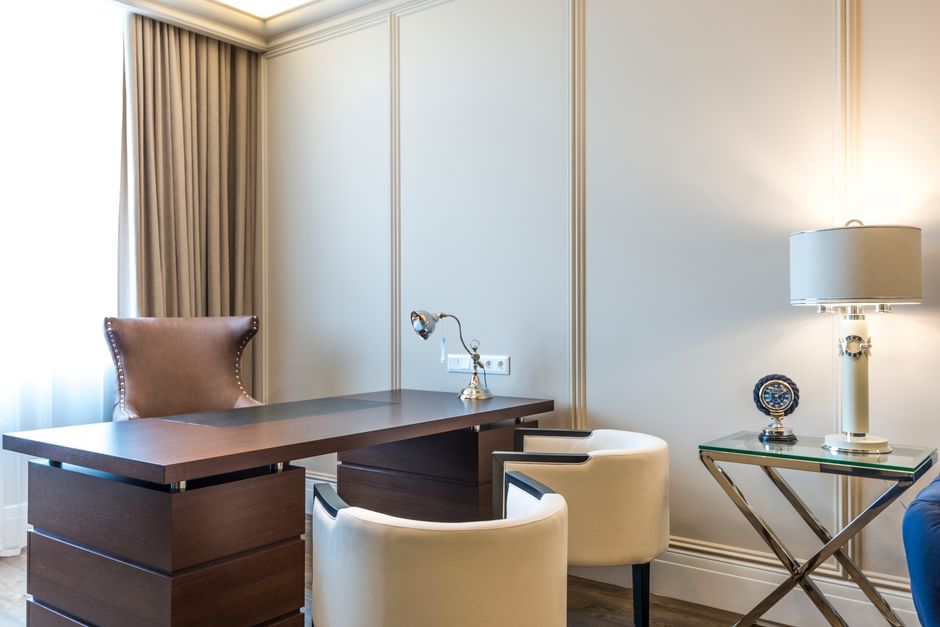
Padded chairs offer immediate comfort that feels welcoming during the first few hours. This initial softness appeals to buyers but can mask structural deficiencies. After six to eight hours, padding compresses, reducing support quality. Mesh chairs maintain consistent firmness throughout the day because the material doesn’t compress like foam. For users with existing back pain, consistent support matters more than initial plushness.
Support Comparison Factors
- Lumbar curve design: Both mesh and padded chairs can include proper lumbar support; check specifications.
- Seat depth and height adjustability: Essential for proper thigh and knee alignment.
- Armrest quality: Reduces neck and shoulder strain during extended typing.
- Base stability: A five-star base prevents unwanted movement and improves posture control.
For additional guidance on chair setup, review our complete office chair adjustment guide for proper posture in 2026. Correct positioning amplifies any chair’s support benefits.
Key Takeaway: Consistent support matters more than surface material; choose the chair with better structural engineering regardless of mesh or padding.
How Does Durability and Maintenance Differ Between These Two Chair Types?
Mesh fabric resists compression and maintains its shape longer than padded upholstery. After two to three years, padded chairs often show visible sagging where users sit repeatedly. Mesh doesn’t sag because the material doesn’t compress. Cleaning differs significantly. Mesh requires vacuuming or compressed air to remove dust from fabric openings. Padded chairs need spot cleaning with upholstery-safe products but don’t trap particles as easily.

Durability costs matter over a five-year period. A quality mesh chair costs slightly more initially but lasts longer without replacement. Padded chairs may require foam replacement or reupholstering after four years of daily use. Stains affect both types differently. Padded fabric absorbs liquids and stains permanently. Mesh allows spills to pass through without absorbing, making cleanup easier.
Maintenance and Longevity Checklist
- Mesh chairs: Vacuum monthly, use compressed air for deep cleaning, replace wheels if damaged.
- Padded chairs: Spot-clean spills immediately, use fabric protectant spray, check foam density annually.
- Both types: Lubricate base mechanisms yearly, inspect armrests for wear, tighten bolts quarterly.
- Expected lifespan: Mesh chairs 5-7 years, padded chairs 3-5 years with heavy daily use.
Key Takeaway: Mesh chairs outlast padded options and require less maintenance over a five-year ownership period.
Which Chair Type Suits Different Body Types and Work Environments?
Body weight, height, and personal comfort preferences determine the ideal chair type. Heavier users benefit from mesh chairs because padding compresses under sustained weight, reducing support. Lighter users may find padded chairs adequate. Climate and office setup matter equally. Hot, humid offices demand mesh. Cold offices or outdoor-facing workspaces benefit from padded insulation. Your typical work duration also influences the choice. For eight-hour daily sessions, mesh chairs reduce fatigue. For occasional four-hour sessions, padded comfort suffices.
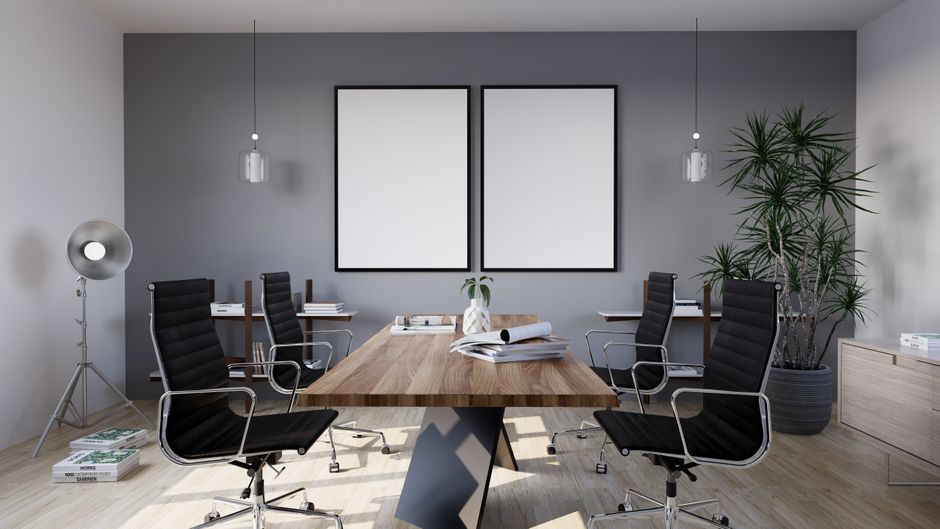
Industry workers have different needs than office professionals. Warehouse managers sitting for four hours daily may prefer padded comfort. Remote workers in home offices with variable temperatures should consider mesh. Hybrid workers rotating between locations benefit from adjustable chairs that perform adequately in both settings.
Matching Your Situation to Chair Type
- Hot climate or poor ventilation: Choose mesh for superior airflow and temperature control.
- Body weight over 250 pounds: Select mesh to prevent padding compression and support loss.
- Existing lower back pain: Prioritize structural support quality over material type.
- Budget-conscious buyers: Mesh chairs offer better long-term value despite higher initial cost.
- Preference for plush initial feel: Padded chairs deliver immediate comfort but require replacement sooner.
Key Takeaway: Match chair type to your climate, body type, and work duration for optimal comfort and health benefits.
How Should You Choose Between Mesh and Padded Chairs in August 2026?
Start by assessing your primary pain points. Do you overheat after four hours of sitting? Mesh solves that. Do you need immediate plush comfort for occasional use? Padded works. Next, evaluate your office temperature. Measure actual seat temperature during your workday using a thermal sensor. Most offices maintain 68-72°F, where mesh performs better. Check your chair budget. Quality mesh chairs cost 15-25 percent more upfront but save money over five years.
Test both types before purchasing. Visit office furniture showrooms and sit in each chair for at least fifteen minutes. Notice when discomfort begins. If your back hurts before fifteen minutes, support is inadequate regardless of material. If heat bothers you after thirty minutes, mesh is necessary. Read independent reviews from users with your body type and work schedule.
Decision-Making Checklist
- Measure your office temperature and humidity levels during peak work hours.
- Assess your personal sweat response and heat sensitivity honestly.
- Determine your daily sitting duration and weekly work schedule.
- Identify existing pain areas—lower back, neck, shoulders, or hips.
- Set a realistic budget accounting for replacement costs over five years.
- Test both chair types for at least fifteen minutes before deciding.
For comprehensive posture guidance, review our office chair adjustment guide to ensure proper setup regardless of which type you select.
Key Takeaway: Prioritize temperature control and structural support over material preference when making your final decision.
What Additional Features Matter Beyond Mesh vs. Padded Material?
Lumbar support design matters more than upholstery type for users with existing back pain. Check whether the chair includes adjustable lumbar support or fixed curves. Seat height range determines whether the chair fits your desk height and leg length. Most people need 16-20 inches of seat height adjustment. Armrests should adjust in height and width to prevent shoulder strain. Look for chairs with tilt mechanisms that allow reclining without losing support.
Wheel quality affects mobility and floor protection. Soft-rolling casters work on hard floors. Hard wheels work on carpet. A five-star base provides stability. Check weight capacity—most office chairs support 250-300 pounds. Heavy users need chairs rated for 350+ pounds. Consider whether the chair includes a headrest. Headrests reduce neck strain during phone calls and video conferences.
Essential Feature Checklist
- Lumbar support: Adjustable curves outperform fixed designs for personalized comfort.
- Seat height range: Minimum 16-20 inches adjustment to match desk height properly.
- Armrest adjustment: Height, width, and angle adjustability reduce shoulder and neck pain.
- Tilt mechanism: Multi-position locks allow reclining while maintaining support.
- Weight capacity: Verify the chair supports your body weight plus 10 percent safety margin.
- Caster type: Match wheels to your floor surface—soft for hard floors, hard for carpet.
For detailed information on lumbar support effectiveness, read our science-based guide to lumbar support in 2026.
Key Takeaway: Evaluate lumbar support, adjustability, and weight capacity alongside material choice for comprehensive comfort.
Frequently Asked Questions
Do mesh office chairs get uncomfortable after eight hours of sitting?
Quality mesh chairs maintain consistent firmness throughout the day without compression. However, poor-quality mesh may feel too firm initially and require a break-in period. Padded chairs become uncomfortable after six to eight hours as foam compresses. Mesh chairs typically remain comfortable longer if the underlying support structure is solid and properly adjusted to your body.
Can you add padding to a mesh chair if it feels too firm?
Yes, you can purchase aftermarket seat cushions designed for office chairs. However, adding padding reduces the breathability advantage of mesh chairs. A better solution is selecting a mesh chair with higher-density foam in the initial design. If firmness is your concern, test the specific chair model for at least thirty minutes before purchasing to ensure adequate comfort.
Are padded office chairs better for winter use than mesh chairs?
Padded chairs provide slight warmth benefits in cold offices, but modern office buildings maintain consistent temperatures year-round. The insulation difference is minimal. If temperature varies significantly in your workspace, choose the chair based on summer conditions since most people work in warmer months. You can add a seat cushion to mesh chairs during winter if needed.
How often should you replace an office chair?
Quality mesh chairs last five to seven years with daily use. Padded chairs typically require replacement after three to five years as foam compresses. Heavy users may need replacement sooner. If your chair causes pain, visible sagging appears, or mechanisms fail, replacement is overdue. Consider replacement costs when comparing mesh and padded options initially.
Do mesh chairs work well for people with back pain?
Mesh material itself doesn’t treat back pain, but consistent support does. A mesh chair with proper lumbar support, adjustable armrests, and correct height positioning helps manage back pain effectively. The key is selecting a chair engineered for ergonomics, not the material type. Many high-quality mesh chairs include advanced support features that outperform basic padded alternatives.
What’s the average cost difference between mesh and padded office chairs?
Quality mesh chairs typically cost $300-800, while padded office chairs range from $250-600. Mesh chairs cost 15-25 percent more initially but last longer. Over five years, mesh chairs provide better value despite higher upfront cost. Budget options exist in both categories, but investing in quality ergonomic design matters more than saving $100-150 initially.
Which Chair Type Should You Choose for Long-Hour Comfort in August 2026?
Mesh and padded office chairs each excel in different situations. Mesh chairs win for temperature control, durability, and consistent support during eight-hour workdays. They’re ideal for warm climates, heavy users, and anyone prioritizing long-term value. Padded chairs offer immediate comfort and work well for occasional use in cool environments. The best choice depends on your specific situation rather than universal superiority.
Start by honestly assessing your work environment and personal comfort needs. Measure your office temperature, evaluate your sweat response, and determine your daily sitting duration. Test both chair types before purchasing. Prioritize structural support and adjustability features alongside material choice. Remember that proper chair adjustment amplifies any chair’s benefits. Whether you select mesh or padded, invest in quality construction and ergonomic design for long-term health and productivity.
Your office chair directly affects your health, focus, and job satisfaction. Taking time to choose correctly prevents years of discomfort and potential injury. In August 2026, both mesh and padded options offer excellent choices when you match them to your specific needs. Prioritize consistency of support over initial feel, temperature control over perceived luxury, and durability over budget shortcuts.
Key Takeaway: Choose mesh for warm climates and long hours, padded for occasional use in cool spaces, but prioritize support quality and adjustability over material type.








Write Your Review
No reviews yet. Be the first to share your experience!