

How Long Should a Mattress Actually Last? Quick Answer
Most mattresses last between 7 and 10 years, though this varies significantly by type, quality, and usage. Memory foam mattresses typically reach 8 to 10 years, while innerspring models average 5 to 7 years. Hybrid mattresses often perform similarly to memory foam, lasting 8 to 10 years. Premium mattresses with superior materials may extend to 12 years or beyond. However, your mattress may need replacement sooner if you experience sagging, reduced support, or persistent discomfort. The key is monitoring your sleep quality and physical comfort rather than relying solely on age.
A mattress represents a significant investment in your sleep health and overall wellness. Understanding its true lifespan helps you budget for replacement and avoid years of poor sleep quality. In August 2026, mattress technology continues to improve, offering better durability and longevity options than ever before. Most sleep experts recommend evaluating your mattress annually after year five to catch declining support early. Your body’s changing needs and the mattress’s gradual deterioration make regular assessment essential.
Key Takeaway: Most quality mattresses last 7 to 10 years, but individual factors like construction, weight, and maintenance significantly affect actual lifespan.
What Factors Determine How Long Your Mattress Lasts?
Mattress lifespan depends on multiple interconnected factors beyond just the calendar. The materials used in construction directly impact durability and comfort retention. Higher-density foams, reinforced coils, and premium covers resist wear better than budget alternatives. Your body weight, sleeping position, and how often you use the mattress all accelerate or slow deterioration rates.
Environmental conditions in your bedroom also matter significantly. High humidity, temperature fluctuations, and poor ventilation can degrade foam and coil systems faster. Mattress maintenance practices—regular rotation, using a quality foundation, and keeping it clean—extend lifespan considerably. Additionally, the quality of your bed frame and box spring affects how much stress transfers to the mattress itself.
Material Quality and Construction Type
The materials inside your mattress directly determine how many years it survives. Memory foam density, measured in pounds per cubic foot, ranges from 3 to 5+ pounds. Higher-density foam resists compression and sagging better than lower-density alternatives. Coil count and gauge in innerspring mattresses also matter—more coils and thicker wire generally indicate longer-lasting construction.
- Memory foam: 3.5+ pounds per cubic foot lasts significantly longer than budget options.
- Innerspring coils: 400+ coil count with 13-14 gauge wire indicates premium durability.
- Hybrid construction: Combines foam and coils for extended lifespan over either alone.
- Natural latex: One of the most durable options, lasting 12+ years with proper care.
- Polyfoam: Budget-friendly but deteriorates faster than memory foam or latex.
Body Weight and Sleep Habits
Heavier individuals place greater stress on mattress materials, accelerating compression and sagging. A 150-pound sleeper will see different wear patterns than a 250-pound sleeper on the same model. Side sleepers create more localized pressure points than back sleepers, potentially shortening lifespan. Couples sharing a bed double the stress on the mattress compared to solo sleepers.
Your sleep habits also influence durability. Jumping on the mattress, sitting on the edge repeatedly, or using it as a couch adds unnecessary wear. Children and pets amplify this effect significantly. Consistent, gentle use extends mattress life by years compared to heavy, varied usage patterns.
Key Takeaway: Premium materials and lighter, gentler use patterns can extend your mattress lifespan by 3 to 5 years beyond the standard range.
How Do Mattress Types Compare in Durability and Lifespan?
Different mattress types offer distinct durability profiles based on their construction. Understanding these differences helps you choose a model that will serve you well for years. In 2026, the mattress market offers more options than ever, each with proven longevity data. Comparing lifespan by type helps you make an informed decision aligned with your sleep needs and budget.
Memory Foam vs. Innerspring Mattresses
Memory foam mattresses typically last 8 to 10 years when manufactured with quality materials. The foam gradually loses responsiveness and develops permanent indentations over time. Innerspring mattresses average 5 to 7 years because coils weaken and lose tension. However, premium innerspring models with reinforced coil systems can approach 8 years. Memory foam versus hybrid mattresses shows that hybrid designs often outperform pure innerspring in durability.
Memory foam’s main advantage is consistent support retention throughout its lifespan. Innerspring mattresses suffer from coil poking and sagging in high-stress areas more noticeably. The trade-off is that memory foam can trap heat and develop odors if not properly ventilated. Innerspring models typically sleep cooler but deteriorate faster under sustained pressure.
Hybrid and Latex Mattress Longevity
Hybrid mattresses combine foam and coil systems, typically lasting 8 to 10 years. This combination allows the foam to protect the coils from direct pressure while the coils provide structural support. Natural latex mattresses represent the durability champion, often lasting 12 to 15 years. Latex resists sagging and maintains support better than any synthetic alternative available in 2026.
- Hybrid mattresses: 8-10 years average lifespan with balanced foam and coil benefits.
- Natural latex: 12-15 years due to superior material resilience and durability.
- Synthetic latex: 8-10 years, more affordable but less durable than natural latex.
- Gel-infused memory foam: 8-10 years with improved cooling compared to standard foam.
- Pillow-top mattresses: 6-8 years as the top layer deteriorates faster.
The investment in latex or hybrid construction pays dividends over time through extended lifespan. While initial costs run higher, the durability advantage means fewer replacement cycles. This translates to better long-term value despite the upfront expense. Consider your long-term sleep health when evaluating mattress type options.
Key Takeaway: Latex mattresses last longest at 12-15 years, while memory foam and hybrid models average 8-10 years, significantly outlasting traditional innerspring designs.
What Are the Warning Signs Your Mattress Needs Replacement?
Even if your mattress hasn’t reached the typical 7 to 10 year mark, certain signs indicate it’s time for replacement. Your body provides the clearest feedback about mattress condition through sleep quality and physical discomfort. Ignoring these warning signs can lead to poor sleep, back pain, and health complications. Recognizing replacement indicators early allows you to shop proactively rather than desperately.
Physical Deterioration and Comfort Loss
Visible sagging, especially in the center or edges, signals structural failure. A depression deeper than 1.5 inches indicates the mattress can no longer provide adequate support. Lumps, bunching, or uneven surfaces throughout the mattress show internal material breakdown. You might notice the mattress feels softer or less responsive than when new, particularly in high-use areas.
- Sagging deeper than 1.5 inches: Clear sign of structural failure requiring replacement.
- Permanent body impressions: Indicate foam compression beyond recovery point.
- Lumps or uneven surfaces: Show coil breakage or foam deterioration inside.
- Reduced support and sinking feeling: Suggest material loss of resilience.
- Visible wear on cover: May allow dust and allergens to penetrate the mattress.
Sleep Quality and Health Indicators
Waking with back, neck, or shoulder pain despite years of comfort suggests mattress failure. Increased allergy symptoms or respiratory issues may indicate dust mite accumulation in degrading materials. You might notice tossing and turning more frequently as the mattress fails to support proper spinal alignment. If you sleep better on hotel or guest beds, your home mattress likely needs replacement.
Sleep quality should improve or remain consistent over your mattress’s lifespan. Gradual decline in comfort, morning stiffness, or persistent fatigue points to inadequate support. These symptoms often develop slowly, making annual evaluation important for early detection. Adjusting to a new mattress takes time, but improvement should occur within two to four weeks.
Key Takeaway: Visible sagging, lumps, and persistent morning pain are clear signals your mattress needs replacement regardless of age.
How Can You Extend Your Mattress Lifespan in 2026?
Proper maintenance practices significantly extend mattress life beyond the manufacturer’s estimates. Simple habits cost nothing but pay substantial dividends in durability and comfort. Implementing these strategies protects your investment and maintains sleep quality longer. Start these practices immediately after purchasing your mattress for maximum benefit.
Rotation and Foundation Care
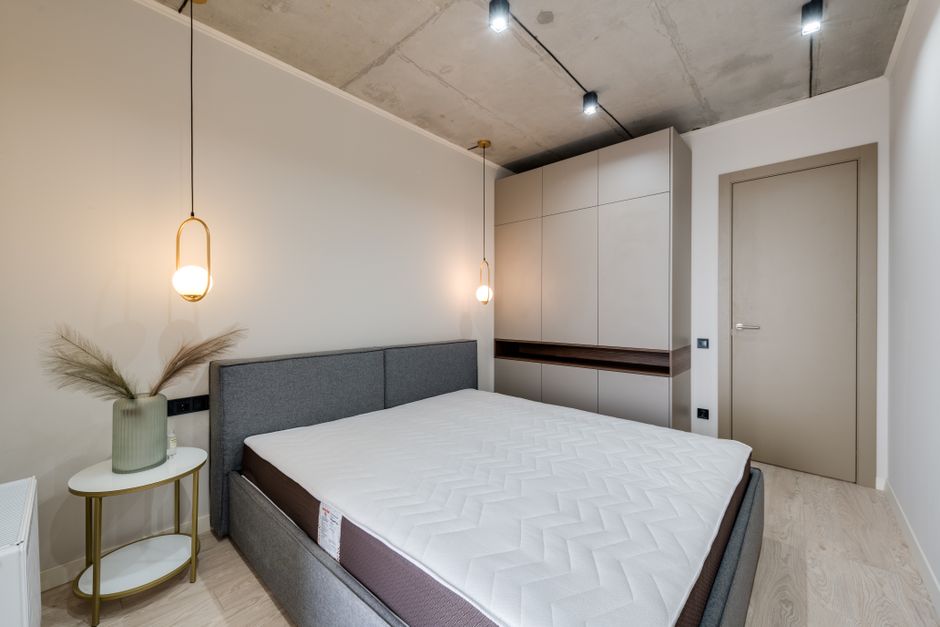
Rotating your mattress every three months distributes wear evenly across the surface. Flip it if the manufacturer recommends (many modern mattresses are one-sided). A quality box spring or platform bed foundation prevents sagging and extends lifespan by years. Avoid placing mattresses directly on the floor, which traps moisture and promotes deterioration. Ensure your bed frame is sturdy and level to prevent uneven stress distribution.
- Rotate mattress every 3 months to distribute wear evenly.
- Flip if recommended by manufacturer (check care instructions).
- Use quality box spring or platform foundation rated for your mattress weight.
- Keep mattress off the floor to prevent moisture accumulation.
- Ensure bed frame is sturdy and level for proper support.
Cleaning and Environmental Control
Vacuum your mattress monthly using an upholstery attachment to remove dust and allergens. Spot-clean stains immediately with mild soap and water to prevent deep penetration. Protect the mattress with a quality waterproof protector to guard against spills and accidents. Maintain bedroom humidity between 30 and 50 percent to prevent mold and dust mite proliferation. Good air circulation helps prevent odors and material degradation from moisture.
Avoid eating in bed and keep liquids away from your mattress to prevent accidental damage. Use mattress pads to absorb body moisture and reduce direct contact with the core materials. Sunlight exposure occasionally helps kill bacteria but excessive UV can degrade fabrics and foams. These simple practices cost little but dramatically extend mattress lifespan and maintain hygiene.
Key Takeaway: Regular rotation, protective covers, and environmental control add years to your mattress lifespan with minimal effort or expense.
When Should You Replace Your Mattress Regardless of Age?
Certain situations warrant mattress replacement even if the mattress hasn’t reached its typical lifespan. Your health and sleep quality take priority over arbitrary age guidelines. Major life changes often signal the need for a different mattress type or firmness level. Listening to your body’s needs ensures you get the support necessary for optimal sleep and health.
Health Changes and Sleep Position Shifts
Developing back pain, arthritis, or other health conditions may require a firmer or softer mattress. Pregnancy creates unique support needs that your current mattress may not address. Weight gain or loss changes how your body interacts with the mattress, potentially requiring replacement. Switching from side sleeping to back sleeping or vice versa may necessitate a different firmness level.
If you’ve experienced shoulder pain from a too-firm mattress, upgrading to a more appropriate model improves sleep quality immediately. Addressing shoulder pain from firmness issues sometimes requires replacement rather than adjustment. Consulting your doctor about mattress needs helps ensure your choice supports your health goals. Your mattress should adapt to your needs, not force you to adapt to it.
Allergies and Hygiene Concerns
If allergies worsen despite regular cleaning, your mattress likely harbors dust mites and allergens. Mattress age increases allergen accumulation as materials break down and create crevices. Visible mold, mildew, or persistent odors indicate the mattress is compromised. Bed bugs or other pest infestations require immediate mattress replacement for health and safety reasons.
- Worsening allergies despite cleaning suggest deep allergen accumulation.
- Visible mold or mildew indicates moisture damage beyond repair.
- Persistent odors that don’t improve with cleaning signal material breakdown.
- Pest infestations require immediate replacement for health safety.
- Mattress damage from water, fire, or accidents warrants replacement.
Key Takeaway: Health changes, allergies, and safety concerns override age guidelines when deciding mattress replacement timing.
What’s the Best Mattress Replacement Strategy for 2026?
Planning ahead ensures you replace your mattress strategically rather than in crisis mode. Start evaluating your mattress annually after year five to catch decline early. Research mattress options and read reviews during this evaluation period before you desperately need replacement. Many retailers offer trials and warranties in 2026, giving you confidence in your purchase decision.
Shopping and Purchase Timing
Holiday sales, particularly Memorial Day, Labor Day, and Black Friday, offer significant mattress discounts. Shopping during these periods can save 20 to 50 percent compared to regular prices. However, don’t delay replacement if your mattress is failing just to wait for a sale. Your health and sleep quality matter more than saving money on a future purchase. Consider financing options if budget constraints make immediate replacement difficult.
Test mattresses in-store for at least 10 to 15 minutes to assess comfort and support. Request trial periods that allow 30 to 100 nights at home before final commitment. Check warranty coverage to understand what’s included and for how long. Mattress-in-a-box expansion time matters if you choose compressed delivery options. Reading reviews from verified buyers helps identify reliable models in your budget range.
Key Takeaway: Plan mattress replacement strategically during sales periods while prioritizing your sleep health over cost savings.
How Do You Dispose of Your Old Mattress Responsibly?
Once you’ve purchased your replacement mattress, properly disposing of the old one matters for environmental and health reasons. Many municipalities have specific regulations about mattress disposal due to their size and composition. Dumping mattresses illegally creates environmental hazards and health risks. Fortunately, 2026 offers several responsible disposal options that benefit communities and the environment.
Comprehensive disposal options for old mattresses include donation, recycling, and professional removal services. Charities and nonprofits accept mattresses in good condition for people in need. Recycling facilities break down mattresses into component materials for reuse. Many retailers offer removal services when delivering your new mattress. Contact your local waste management authority for approved disposal methods in your area.
Key Takeaway: Responsible mattress disposal through donation, recycling, or professional services protects the environment and helps your community.
Frequently Asked Questions
Can a mattress last longer than 10 years?
Yes, premium mattresses with high-quality materials, particularly natural latex, can last 12 to 15 years or longer. Proper maintenance, light use, and favorable environmental conditions extend lifespan significantly. However, even durable mattresses eventually lose support and comfort. Regular evaluation after year eight helps determine if replacement is needed despite excellent condition.
Is it bad to sleep on an old mattress?
Sleeping on an old, deteriorating mattress can cause back pain, poor sleep quality, and health issues. Sagging and loss of support force your spine into unnatural positions throughout the night. Accumulated allergens and dust mites in aging mattresses worsen allergies and respiratory problems. Upgrading to a supportive mattress improves sleep quality and overall health significantly.
How often should you replace a mattress?
Most sleep experts recommend replacing your mattress every 7 to 10 years, though this varies by type and quality. Latex mattresses may last 12 to 15 years, while budget innerspring models need replacement every 5 to 7 years. Listen to your body and evaluate annually after year five rather than following strict timelines. Individual factors like body weight and sleep habits affect actual replacement timing.
What mattress type lasts the longest?
Natural latex mattresses offer the longest lifespan, typically lasting 12 to 15 years with proper care. Synthetic latex and quality hybrid mattresses average 8 to 10 years. Memory foam mattresses also last 8 to 10 years with good maintenance. Innerspring mattresses have the shortest lifespan at 5 to 7 years on average. Material quality and construction matter more than type for durability.
Should you flip or rotate your mattress?
Rotating your mattress every three months distributes wear evenly and extends lifespan. Flipping is only recommended if your mattress is double-sided, which most modern mattresses are not. Check your mattress manual for specific care instructions. Proper rotation prevents sagging in high-use areas and maintains consistent support across the entire surface.
What warranty should a mattress have?
Quality mattresses typically include 10-year warranties covering manufacturing defects. Some premium brands offer extended warranties up to 15 or 20 years. Warranties usually cover sagging beyond 1.5 inches and structural failures but exclude wear from normal use. Read warranty details carefully to understand coverage limits and claim procedures before purchasing.
How Should You Approach Mattress Replacement in 2026?
Understanding mattress lifespan empowers you to make informed decisions about replacement timing and selection. Most quality mattresses last 7 to 10 years, though premium options extend to 12 to 15 years with proper care. Monitoring your sleep quality and physical comfort provides clearer guidance than calendar age alone. Start evaluating your mattress annually after year five to catch decline early and plan replacement strategically.
Your body’s changing needs, health conditions, and sleep preferences should drive replacement decisions more than arbitrary timelines. Investing in quality materials and maintaining your mattress properly extends lifespan and maximizes value. When replacement time arrives, research thoroughly, test options carefully, and consider your specific needs for firmness and support. Responsible disposal of your old mattress completes the cycle by supporting environmental sustainability.
In 2026, the mattress market offers unprecedented variety and quality options for every budget and preference. Take advantage of sales and trial periods to find the perfect mattress for your needs. Prioritize your sleep health and comfort over cost considerations, knowing that quality mattresses represent long-term investments in your wellbeing. With proper selection and maintenance, your next mattress will provide years of restorative, comfortable sleep.










Write Your Review
No reviews yet. Be the first to share your experience!