

How Long Does It Take to Adjust to a New Mattress?
Most people need 7 to 14 days to adjust to a new mattress, though some require up to 30 days for full adaptation. Your body needs time to acclimate to different support levels, firmness, and materials. Sleep quality often improves significantly once your spine aligns properly with the mattress. The adjustment period varies based on your previous bed’s condition and the new mattress’s construction. Many sleep experts recommend giving yourself at least two weeks before deciding if a mattress is truly right for you.

Switching from an old, worn mattress to a new one creates a noticeable physical shift. Your muscles, joints, and spine must readjust to fresh support systems. During this transition, you might experience mild discomfort, unusual sleep positions, or temporary sleep disruption. This is completely normal and doesn’t necessarily mean the mattress is wrong for you. Understanding what happens during this adjustment window helps you make informed decisions about your purchase.
Key Takeaway: Most sleepers adjust to a new mattress within 7 to 14 days, but patience and proper sleep habits accelerate the process.
What Happens During the First Week of Sleeping on a New Mattress?
Your body experiences significant changes during days one through seven. The new mattress applies pressure to different areas than your old bed did. You might notice your neck, shoulders, or lower back feeling slightly sore or stiff. These sensations typically fade as your muscles adapt to the fresh support. Most people report the first few nights feel noticeably different, which can affect sleep quality temporarily.
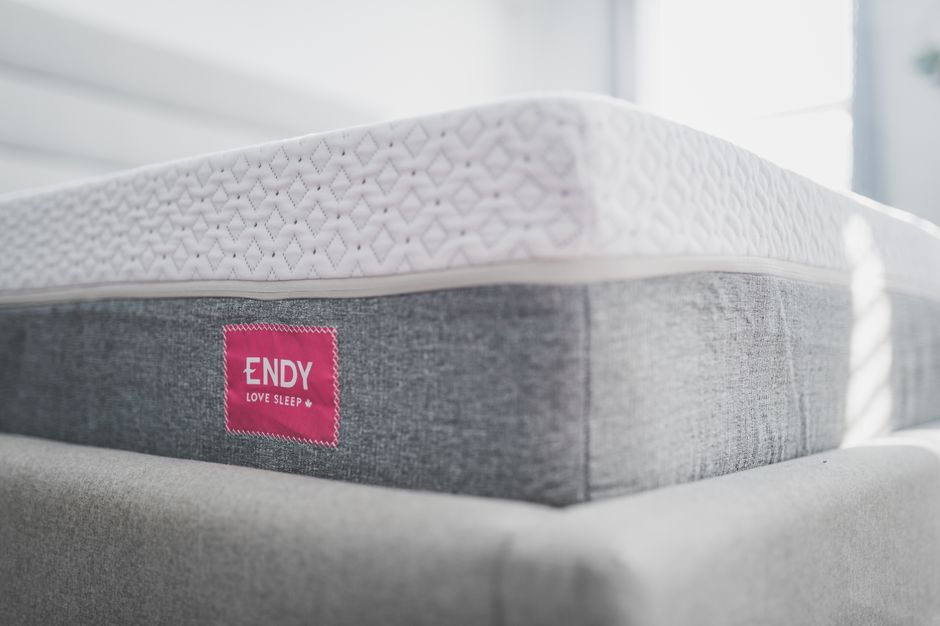
The first week is when many people question their purchase decision. This is the hardest adjustment period psychologically. You’re comparing your new mattress to years of familiarity with your old bed. Sleep might feel lighter, heavier, warmer, or cooler depending on the mattress materials. Give yourself grace during this phase—your body is literally relearning how to sleep.
Common First-Week Sensations
- Mild muscle soreness in the neck, shoulders, or back.
- Unusual sleep positions as your body finds comfort.
- Temperature fluctuations due to different foam or coil systems.
- Vivid dreams or lighter sleep cycles.
- Waking up slightly more often than usual.
These sensations are signs your body is adapting, not warnings that the mattress is defective. Most people find these symptoms disappear by day five or six. If soreness persists beyond the first week, you may need to evaluate mattress firmness or support level.
Key Takeaway: First-week discomfort is normal and typically resolves as your body acclimates to new support.
How Does Mattress Firmness Affect Your Adjustment Timeline?
Mattress firmness dramatically influences how quickly you adapt. Switching to a significantly firmer or softer mattress requires longer adjustment than a similar-firmness upgrade. If you’ve always slept on a soft mattress and buy a firm one, expect closer to 14 to 30 days of adjustment. Conversely, a minor firmness change might take only 5 to 7 days. Your spine alignment preferences and sleep position heavily determine comfort speed.
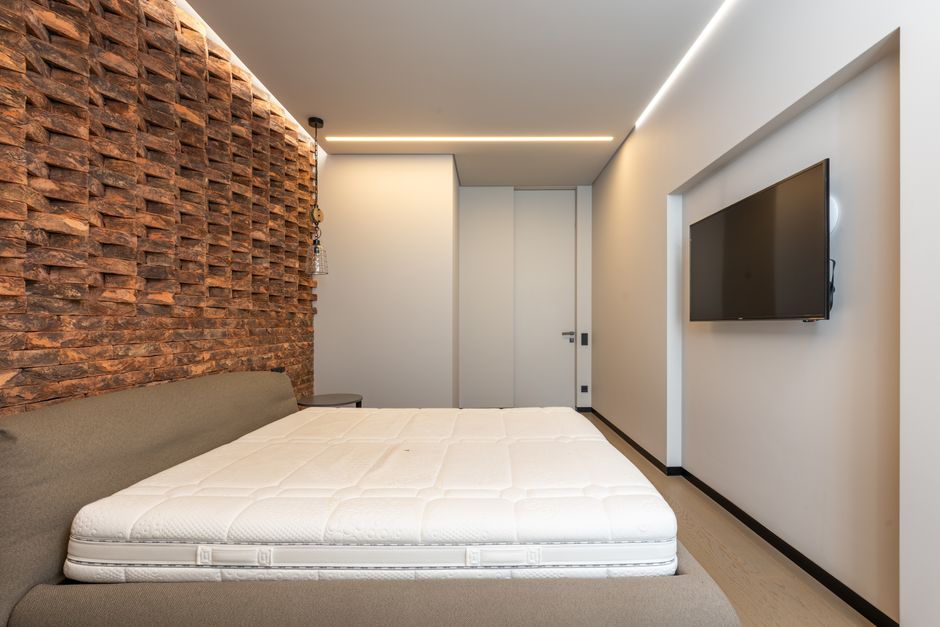
People with lower back pain often benefit from firmer mattresses, as discussed in our expert guide on mattress firmness for lower back pain. However, the adjustment to a firmer surface takes patience. Your body may resist the change initially because it’s used to deeper sinking. This doesn’t mean the firm mattress is wrong—your muscles simply need time to strengthen and adapt to proper spinal support.
Firmness Adjustment Timeline
- Minor firmness change: 5 to 7 days for full adaptation.
- Moderate firmness change: 10 to 14 days for comfortable sleep.
- Major firmness change: 21 to 30 days for complete adjustment.
- Luxury plush to firm: Up to 30 days; most dramatic transition.
- Firm to memory foam: 10 to 14 days; moderate adaptation period.
Track how you feel each night during the adjustment period. Write down sleep quality, soreness location, and overall comfort. This data helps you distinguish between normal adjustment discomfort and genuine mattress incompatibility. By day 14, you should have a clearer picture of whether this mattress suits your needs long-term.
Key Takeaway: Larger firmness changes require longer adjustment periods, sometimes extending to 30 days.
What Mattress Materials Extend or Shorten Adjustment Time?
Different mattress materials have distinct adjustment curves. Memory foam typically requires 10 to 14 days as your body learns the material’s response characteristics. Innerspring mattresses often feel familiar quickly, sometimes within 3 to 5 days, since many people have slept on coil systems before. Hybrid mattresses fall in the middle, usually needing 7 to 10 days. Latex mattresses have a unique feel that can take 10 to 21 days to fully appreciate.

Material composition affects temperature regulation, motion isolation, and responsiveness. These factors influence how quickly you perceive the mattress as comfortable. Memory foam sleepers often report needing the longest adjustment because the material feels entirely different from traditional springs. However, once adapted, many prefer memory foam’s pressure relief. Understanding your mattress material helps set realistic expectations for your adjustment journey.
Material-Specific Adjustment Periods
- Memory foam: 10 to 14 days; slowest adjustment due to unique feel.
- Innerspring: 3 to 7 days; fastest adaptation for most sleepers.
- Hybrid: 7 to 10 days; balanced adjustment timeline.
- Latex: 10 to 21 days; distinctive responsiveness requires learning.
- Air beds: 5 to 10 days; customizable firmness speeds adaptation.
If you’re upgrading from an old innerspring to modern memory foam, expect a longer adjustment. The materials feel completely different, and your muscles need time to appreciate memory foam’s support. Conversely, switching between innerspring brands might feel almost instant. Material familiarity plays a surprisingly large role in how quickly you settle into your new mattress.
Key Takeaway: Memory foam and latex require longer adjustment periods than traditional innerspring systems.
How Can You Speed Up Mattress Adjustment in 2026?
Several practical strategies accelerate your adaptation to a new mattress. Maintaining consistent sleep schedules helps your body establish new sleep patterns faster. Sleeping seven to eight hours nightly allows your muscles adequate time to relax and adjust. Poor sleep duration during adjustment delays the process significantly. Additionally, proper pillow support matters greatly—ensure your pillow aligns with your new mattress’s firmness level for optimal neck support.

Environmental factors influence adjustment speed. Keep your bedroom temperature between 60 and 67 degrees Fahrenheit for optimal sleep. A cool room helps you sleep deeper, allowing your body to fully relax into the mattress. Reduce screen time one hour before bed to improve sleep quality during this critical adjustment window. These habits combine to create ideal conditions for rapid mattress adaptation.
Practical Adjustment Acceleration Tips
- Sleep 7 to 8 hours nightly to give your body maximum adjustment time.
- Maintain a consistent bedtime and wake time, even on weekends.
- Use a pillow that matches your mattress firmness for proper alignment.
- Keep your bedroom cool, dark, and quiet for deeper sleep.
- Avoid sleeping on your old mattress during the adjustment period.
- Gentle stretching before bed reduces muscle tension and soreness.
- Stay hydrated throughout the day to support muscle recovery.
Light stretching, particularly for your lower back and shoulders, can reduce adjustment soreness. Spend five minutes stretching before bed and after waking. This practice helps your muscles relax into the new mattress more comfortably. Combined with consistent sleep schedules and proper environmental conditions, these strategies typically reduce adjustment time by several days.
Key Takeaway: Consistent sleep schedules, proper pillow support, and optimal bedroom conditions accelerate mattress adjustment.
When Should You Consider Returning Your New Mattress?
Most mattress retailers offer 30 to 120-day trial periods for exactly this reason. If you still dislike your mattress after 14 to 21 days of consistent use, it may not be the right fit. However, don’t confuse normal adjustment discomfort with genuine incompatibility. True incompatibility usually involves persistent pain, excessive heat, or chronic sleep disruption beyond the adjustment window. Keep detailed sleep notes to distinguish between adjustment and actual problems.
Certain red flags suggest a mattress truly isn’t working for you. Waking with sharp pain in the same location every morning after two weeks indicates a support mismatch. Excessive heat that doesn’t improve despite room temperature adjustments suggests a material incompatibility. Severe motion transfer that prevents your partner from sleeping might indicate insufficient support. These issues typically don’t resolve with more time and warrant exploring return options.
Signs Your Mattress Isn’t Right for You
- Persistent localized pain after 14 to 21 days of use.
- Chronic overheating that doesn’t improve with environmental adjustments.
- Excessive sagging or visible indentations after one week.
- Severe motion transfer disrupting your partner’s sleep consistently.
- Allergic reactions or respiratory issues from mattress materials.
Document your experiences during the trial period. Take photos of any sagging, record sleep quality metrics, and note pain locations and intensity. This documentation supports return claims if needed. Most reputable manufacturers stand behind their products and make returns straightforward during trial periods. Don’t suffer through an unsuitable mattress—use the trial period as intended.
Key Takeaway: Return your mattress if problems persist after 14 to 21 days, but distinguish between adjustment discomfort and genuine incompatibility.
What Role Does Your Sleep Position Play in Adjustment?
Your primary sleep position significantly impacts adjustment duration and comfort. Side sleepers often need longer adjustment periods because new mattresses apply pressure differently to hips and shoulders. Back sleepers typically adapt faster since spinal alignment changes are often more noticeable and beneficial. Stomach sleepers should ensure their new mattress isn’t too soft, which can cause lower back strain and extend adjustment time. Understanding your sleep position helps predict your adjustment timeline.
Some people naturally change sleep positions when switching mattresses. Your body instinctively seeks the most comfortable position on new support. This position-shifting is normal and usually resolves within the first week. If you’re a consistent side sleeper, stick with that position during adjustment rather than experimenting with new positions. Consistency helps your body adapt to the new mattress more efficiently.
Key Takeaway: Sleep position affects adjustment duration, with side sleepers typically requiring longer adaptation periods.
How Does Age and Physical Condition Affect Mattress Adjustment?
Younger individuals typically adjust to new mattresses faster than older adults. People under 40 usually adapt within 7 to 10 days, while those over 60 might need 14 to 21 days. Age-related muscle stiffness and reduced flexibility slow the adaptation process. Additionally, people with chronic pain conditions often require extended adjustment periods. Their bodies are more sensitive to pressure point changes and need careful monitoring during the transition.
Physical fitness levels also influence adjustment speed. Active individuals with strong core muscles adapt faster because their bodies are accustomed to physical changes. Sedentary individuals may experience more soreness during adjustment. If you have arthritis, fibromyalgia, or other chronic conditions, communicate with your mattress retailer about extended trial periods. Many companies offer accommodations for customers with specific health concerns.
Key Takeaway: Age and physical condition significantly impact adjustment duration, with older adults and those with chronic pain needing extended periods.
What’s the Difference Between Adjustment Discomfort and Mattress Defects?
Distinguishing between normal adjustment and actual defects prevents unnecessary returns. Adjustment discomfort is temporary, typically mild, and improves daily over the first two weeks. It’s usually muscular soreness rather than sharp pain. Defects, conversely, persist or worsen over time and often involve structural issues like permanent sagging or material breakdown. A mattress with a defect won’t improve with more adjustment time—it requires replacement.
Examine your mattress physically during the first week. Check for uneven surfaces, permanent indentations, or visible damage. Run your hand across the surface to detect lumps or irregularities. Most quality mattresses feel uniform and supportive from day one. If you notice manufacturing defects, contact the retailer immediately. Don’t wait until day 14 to report obvious problems—document them early with photos and detailed descriptions.
Key Takeaway: Adjustment discomfort improves over two weeks, while defects persist and worsen without improvement.
How Can You Optimize Your Sleep Environment During Mattress Adjustment?
Your sleep environment profoundly influences how quickly you adapt. A dark, quiet room promotes deeper sleep, allowing your body maximum time to adjust to new support. Install blackout curtains if outside light disrupts your sleep. Use white noise machines to mask disruptive sounds from neighbors or traffic. These environmental optimizations help you sleep longer and more deeply during the critical adjustment window.
Bedding quality matters more during adjustment than most people realize. High-quality sheets reduce friction and heat buildup, making your new mattress feel more comfortable. Moisture-wicking fabrics help regulate temperature, particularly important for memory foam mattresses that retain heat. A supportive pillow that complements your mattress firmness prevents neck strain during adjustment. These seemingly minor details combine to significantly impact your adaptation experience.
Sleep Environment Optimization Checklist
- Maintain bedroom temperature between 60 and 67 degrees Fahrenheit.
- Use blackout curtains to eliminate outside light.
- Install white noise machines to mask disruptive sounds.
- Invest in high-quality, moisture-wicking sheets.
- Choose a pillow that matches your mattress firmness.
- Remove electronic devices to reduce blue light exposure.
- Keep the bedroom dedicated to sleep and intimacy only.
Your mattress is only one component of quality sleep. The complete sleep environment—temperature, light, sound, bedding, and pillows—collectively determines how well you adjust. Optimize every element during your adjustment period for the best possible experience. This holistic approach typically reduces adjustment time by several days and improves overall sleep satisfaction.
Key Takeaway: Optimizing your complete sleep environment accelerates mattress adjustment and improves sleep quality.
Should You Flip or Rotate Your New Mattress During Adjustment?
Most modern mattresses shouldn’t be flipped, but rotating them can benefit adjustment. Check your mattress manual for specific care instructions. One-sided mattresses, which comprise most models sold in 2026, should never be flipped—this damages the internal structure. However, rotating your mattress 180 degrees every one to two weeks during adjustment can promote even wear and comfort development. This practice helps your body experience consistent support across the entire surface.
Rotating your mattress also prevents permanent body impressions from forming in specific areas. Your body weight naturally creates slight indentations as you sleep. Regular rotation distributes this pressure across the entire mattress, preserving its structural integrity. During adjustment, this practice also helps you experience how the mattress feels in different positions. Some people find certain areas more comfortable than others during the adjustment period.
Key Takeaway: Rotate your mattress every one to two weeks during adjustment, but never flip one-sided models.
Frequently Asked Questions
Is it normal to feel sore after sleeping on a new mattress?
Yes, mild soreness is completely normal during the first 7 to 14 days. Your muscles are adjusting to different support levels and pressure points. The soreness typically improves daily and disappears within two weeks. If severe pain persists beyond two weeks in the same location, contact your mattress retailer about potential support issues or return options.
Can I sleep on my old mattress while adjusting to my new one?
No, alternating between mattresses prevents proper adjustment. Your body needs consistent contact with the new mattress to adapt effectively. Switching back and forth confuses your muscles and extends the adjustment period. Commit to sleeping exclusively on your new mattress for at least 14 days to allow proper acclimation.
How long does memory foam take to break in?
Memory foam typically requires 10 to 14 days for full adjustment. The material feels distinctly different from traditional springs, requiring longer adaptation. After the adjustment period, most people appreciate memory foam’s pressure-relieving properties. Some find it continues to improve slightly over the first month as the material fully compresses and settles.
What if I still don’t like my mattress after 30 days?
Most retailers offer 30 to 120-day trial periods. If you genuinely dislike the mattress after 30 days of consistent use, initiate a return. Document your experience with sleep notes and photos. Reputable manufacturers want you satisfied and will process returns smoothly. Don’t suffer through an unsuitable mattress—the trial period exists for this exact situation.
Does mattress topper help with adjustment?
A mattress topper can ease adjustment if your new mattress is too firm. However, it may delay full adaptation by preventing direct contact with the mattress support system. If you use a topper, remove it after one to two weeks to allow your body to fully adjust to the actual mattress. Toppers work best as permanent solutions, not temporary adjustment aids.
Why does my new mattress feel harder in the morning?
Your mattress naturally feels firmer when it’s cold. Temperature affects foam density and coil responsiveness. As your body warms the mattress during sleep, it softens slightly. This is completely normal and not a sign of defective materials. The mattress will feel more consistent as you spend more time on it and your body temperature stabilizes.
Conclusion: How Long Does It Really Take to Adjust to a New Mattress?
The adjustment period for a new mattress typically spans 7 to 14 days for most people, though some require up to 30 days for complete adaptation. This timeline depends on multiple factors including mattress firmness, material composition, your sleep position, age, and physical condition. Understanding that temporary discomfort during the first week is normal helps you avoid premature return decisions. Most sleep experts recommend committing to your new mattress for at least two weeks before evaluating its long-term suitability.
Accelerate your adjustment by optimizing your sleep environment, maintaining consistent sleep schedules, and using proper pillow support. Distinguish between normal adjustment soreness and genuine mattress defects by monitoring your experience over the first 14 to 21 days. Document your sleep quality, pain locations, and comfort levels to make informed decisions about keeping or returning your mattress. Remember that a quality mattress investment deserves a proper trial period—patience during adjustment typically leads to years of improved sleep quality and health benefits.
Key Takeaway: Most mattress adjustments take 7 to 14 days; optimize your sleep environment and maintain consistency for faster adaptation and better long-term satisfaction.










Write Your Review
No reviews yet. Be the first to share your experience!