

How to Convert a Futon from Sofa to Bed Easily: Quick Answer
Converting a futon from sofa to bed is simple: pull the frame forward, fold the backrest down, and adjust the mattress. Most modern futons transition in 30-60 seconds using a lever or pull mechanism. The key is understanding your specific futon’s hinge system—whether it uses a frame-folding design, a backrest-lowering system, or a split-mattress configuration. Start by clearing the area around your futon, locate the release mechanism, and move smoothly in one fluid motion. With practice, you’ll master the conversion and maximize your space-saving furniture investment.

Futons have become increasingly popular in 2026 as versatile furniture solutions for apartments, dorm rooms, and guest spaces. Their dual functionality saves valuable square footage while maintaining style and comfort. Understanding the conversion process prevents damage to the frame and ensures safe sleeping surfaces. Whether you own a traditional Japanese-style futon or a modern Western design, learning the correct technique extends your furniture’s lifespan and improves your daily experience.
What Are the Different Futon Conversion Mechanisms?
Modern futons feature several distinct conversion systems, each requiring slightly different techniques. The most common design is the frame-folding mechanism, where the entire base pivots at a central hinge point. This type typically has a release lever or handle positioned underneath or on the side of the frame. The backrest simultaneously folds down as the front portion rises, creating a flat sleeping surface. Understanding your futon’s specific mechanism prevents frustration and damage during conversion.
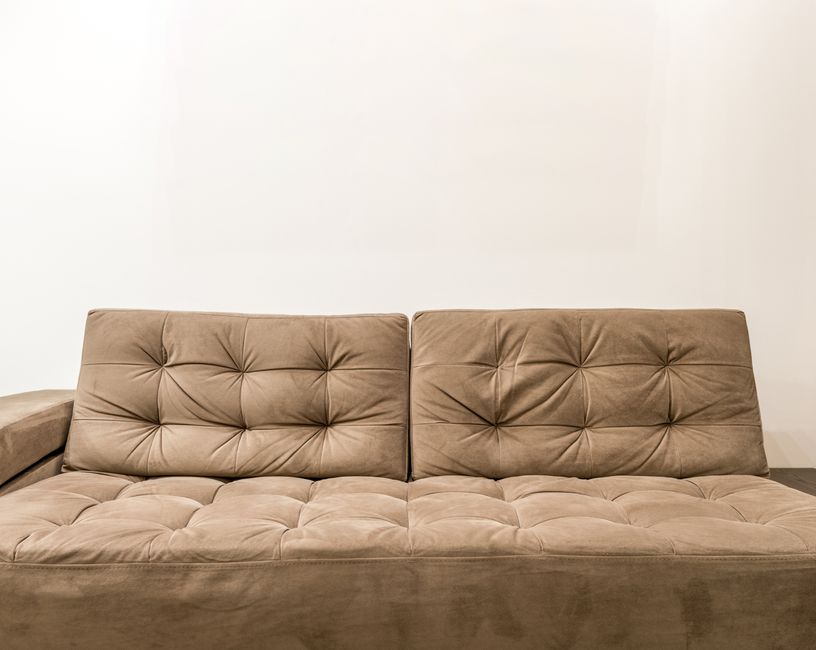
Common Futon Hinge Systems
- Frame-folding mechanism: entire base pivots at central hinge with synchronized backrest.
- Split-mattress design: separate cushions that stack or reconfigure independently.
- Backrest-lowering system: cushioned back folds flat while frame stays stationary.
- Convertible arm system: removable or fold-flat armrests to maximize bed width.
- Locking hinge design: secured positions for sofa and bed modes with safety stops.
The split-mattress design offers maximum flexibility for customization. You can arrange cushions in various configurations beyond just sofa and bed modes. Some users create chaise lounges or sectional arrangements. This system works well in studios where space reconfiguration matters most.
Identifying Your Futon’s Release Mechanism
Locate the release lever or handle on your specific futon model before attempting conversion. Most manufacturers place this mechanism on the underside of the frame, near the front legs. Some newer models feature side-mounted handles for easier access. Check your instruction manual or manufacturer’s website for exact positioning details. A quick inspection saves time and prevents accidental damage during your first conversion attempt.
Key Takeaway: Different futon designs require different conversion techniques, so identifying your specific mechanism is the first essential step.
How Do You Properly Convert Your Futon Frame Step-by-Step?
The conversion process follows a logical sequence that works for most standard futon frames. Begin by clearing the area around your futon—remove pillows, blankets, and any items on the surface. Ensure the space in front of the futon is completely open for the frame to move. Check that no obstacles block the backrest from folding. This preparation phase takes just one minute but prevents accidents and damage.

Step-by-Step Conversion Process
- Clear all items from the futon surface and surrounding floor area completely.
- Locate and identify the release lever or handle beneath or beside the frame.
- Engage the release mechanism by pulling, pushing, or lifting as designed.
- Gently pull the front edge of the futon frame forward toward you in one smooth motion.
- Allow the backrest to fold down naturally as the frame transitions to horizontal position.
- Adjust the mattress and cushions until they sit flat and evenly across the entire frame.
- Check for any gaps between cushions and secure them if necessary.
- Test the stability of the bed configuration before lying down.
Smooth, deliberate movements work better than sudden jerking motions. If you encounter resistance during conversion, stop immediately and check for obstacles or misaligned components. Never force the mechanism—this indicates something is blocking proper movement. Gentle pressure combined with patience ensures successful transitions every time.
The reverse process—converting from bed back to sofa—follows the same principles in reverse order. Lift the front edge upward while the backrest simultaneously rises. Most futons lock into both positions with satisfying clicks or stops. These safety mechanisms prevent accidental collapse during use.
Key Takeaway: Clear your space, engage the release mechanism, and move smoothly in one fluid motion for effortless conversion.
What Common Mistakes Should You Avoid During Conversion?
Many people damage their futons through improper conversion techniques. Forcing the mechanism is the most common error—this can bend hinges or crack the wooden frame. Never apply excessive pressure if something feels stuck. Instead, investigate what’s blocking movement. Clearing obstacles takes seconds and prevents expensive repairs. Additionally, avoid converting your futon while items remain on the surface, as they can shift and cause imbalance.

Mistakes That Damage Your Futon
- Forcing the mechanism when resistance is encountered damages hinges permanently.
- Converting with items on the surface causes uneven weight distribution and frame stress.
- Ignoring the manufacturer’s instructions leads to incorrect technique and damage.
- Skipping the clearing step results in pinched fingers or trapped fabric.
- Converting too quickly causes jerking motions that strain the frame structure.
- Neglecting maintenance of hinges allows rust and stiffness to develop.
Regular maintenance prevents most conversion problems. Apply silicone spray or light machine oil to hinges monthly to keep them smooth. Wipe down the frame to prevent dust buildup in mechanical areas. Store your futon in a climate-controlled environment to avoid wood warping. These simple steps extend your furniture’s lifespan significantly.
If your futon becomes difficult to convert, consult the manufacturer before attempting repairs yourself. Professional technicians can realign hinges or replace worn components. Attempting DIY fixes often makes problems worse. A quick call to customer service costs less than replacing damaged parts.
Key Takeaway: Avoid forcing mechanisms, keep the surface clear, and maintain hinges regularly to prevent damage.
How Can You Make Your Converted Futon Bed More Comfortable?
Converting your futon to a bed is just the first step toward restful sleep. The mattress quality directly impacts comfort levels. Standard futon mattresses are firmer than traditional beds, which some sleepers prefer. Others find them uncomfortable without additional cushioning layers. Adding a memory foam topper transforms the sleeping experience significantly. A 2-3 inch topper costs $50-150 and dramatically improves comfort for extended sleep periods.

Layering your futon bed with quality bedding creates a more inviting sleep environment. Use fitted sheets designed for futon dimensions to prevent slipping. Add a soft duvet or comforter for warmth and coziness. Pillows matter too—choose ones that support your preferred sleeping position. For detailed comfort improvements, check our guide on how to make a futon more comfortable for sleeping in 2026.
Comfort Enhancement Options
- Memory foam toppers add cushioning and contour support for better sleep quality.
- Fitted sheets prevent bunching and keep bedding secure throughout the night.
- High-quality pillows support proper neck alignment and spinal positioning.
- Mattress pads add extra cushioning while protecting the futon from stains.
- Weighted blankets reduce anxiety and promote deeper, more restful sleep.
- Blackout curtains and white noise machines create ideal sleep environments.
Your sleeping position influences which comfort additions work best. Side sleepers need firmer support to prevent hip and shoulder pain. Back sleepers benefit from medium firmness that supports spinal alignment. Stomach sleepers require thinner pillows to avoid neck strain. Assess your preferences before investing in comfort upgrades. Testing products at furniture stores helps ensure satisfaction before purchase.
Key Takeaway: Add memory foam toppers and quality bedding to transform your futon bed into a genuinely comfortable sleeping space.
What Practical Tips Help You Master Futon Conversion?
Mastering futon conversion requires practice and attention to detail. Most people achieve smooth conversions within their first week of ownership. Daily practice builds muscle memory and confidence. Soon, the process becomes automatic and requires no conscious thought. Your friends and guests will be impressed by your quick, seamless transitions between sofa and bed modes.
Practical Tips for Easy Conversion
- Practice the conversion 3-4 times daily for the first week to build muscle memory.
- Keep the release mechanism clean and free from dust for smooth operation.
- Use a conversion checklist until the process becomes automatic and routine.
- Measure your space before conversion to ensure adequate clearance exists.
- Create a dedicated conversion area free from furniture and obstacles.
- Film yourself converting to identify any awkward movements or inefficiencies.
- Share the conversion technique with household members for consistent results.
Lighting matters during conversion—ensure adequate illumination to see the mechanism clearly. Poor lighting leads to fumbling and potential accidents. A simple desk lamp positioned near your futon solves this problem. Nighttime conversions become much safer and faster with proper visibility.
Create a pre-conversion routine that becomes automatic. Check for obstacles, remove items, engage the release, and convert smoothly. This routine prevents mistakes and saves time. Within two weeks, your brain will execute this sequence without conscious effort. You’ll convert your futon as naturally as making your bed.
Key Takeaway: Practice regularly, maintain clean hinges, and establish a consistent routine for effortless conversions.
Frequently Asked Questions
How long does it take to convert a futon from sofa to bed?
Most modern futons convert in 30-60 seconds once you master the technique. First-time conversions may take 2-3 minutes as you locate the release mechanism and understand the motion. With daily practice, the process becomes nearly automatic. Speed improves significantly within the first week of ownership.
Can you damage your futon by converting it incorrectly?
Yes, forcing the mechanism or converting with items on the surface can damage hinges and the frame. Always move smoothly without forcing resistance. If something feels stuck, stop and investigate rather than applying force. Proper technique ensures your futon lasts for years without mechanical issues.
Do all futons convert the same way?
No, different futon designs use different conversion mechanisms. Frame-folding models work differently than split-mattress designs. Always consult your manufacturer’s instructions for your specific model. Understanding your futon’s unique system prevents confusion and damage during conversion.
What should you do if your futon won’t convert smoothly?
Check for obstacles blocking movement and clear the surrounding area completely. Inspect hinges for dust or debris and clean them with a soft cloth. Apply silicone spray to hinges if they’re stiff. If problems persist, contact the manufacturer’s customer service for professional guidance rather than forcing the mechanism.
Is it normal for futon hinges to make noise during conversion?
Minor creaking or clicking sounds are normal as hinges move through their range of motion. These typically indicate the locking mechanisms engaging at sofa and bed positions. However, grinding or scraping sounds suggest debris in the hinges. Clean and lubricate the mechanism if unusual noises develop.
How often should you convert your futon for maintenance purposes?
Converting your futon 2-3 times weekly keeps hinges moving smoothly and prevents stiffness. Regular use prevents rust and ensures all mechanical components function properly. Even if you don’t need the bed mode, occasional conversions maintain the mechanism’s longevity and reliability.
How Does Mastering Futon Conversion Enhance Your Living Space in 2026?
Converting a futon from sofa to bed easily transforms how you use your living space. This skill unlocks the full potential of space-saving furniture that serves multiple purposes simultaneously. Whether you live in a compact apartment, dorm room, or house with limited guest space, futon mastery provides flexibility and functionality. Your investment in a quality futon becomes truly worthwhile when conversion becomes second nature.
In 2026, more people than ever embrace minimalist living and multi-functional furniture. Futons represent this trend perfectly—they eliminate the need for separate sofas and guest beds. Learning proper conversion technique ensures you enjoy both functions without compromise. Your guests sleep comfortably on a properly configured bed, while your living room maintains its stylish sofa appearance during the day.
The confidence gained from mastering futon conversion extends to other furniture skills. You’ll feel empowered to arrange and rearrange your space as needed. This flexibility encourages creative interior design and personalization. Combined with other space-saving solutions like using ottomans as coffee tables and strategic accent chair placement, your futon becomes part of a cohesive, efficient living environment.
Key Takeaway: Mastering futon conversion maximizes your space, improves comfort, and unlocks the full potential of this versatile furniture investment.










Write Your Review
No reviews yet. Be the first to share your experience!