

How to Organize Dresser Drawers Efficiently: Quick Answer
Organizing dresser drawers efficiently means using vertical folding methods, categorizing clothing by type, and maximizing space with dividers and drawer organizers. Start by decluttering items you don’t wear, then fold clothes using the KonMari method or file-folding technique for easy visibility. Add shelf liners, dividers, and small containers to create zones for socks, underwear, and accessories. This system saves time dressing, reduces wrinkles, and makes your bedroom feel calmer. Most people complete a full dresser reorganization in two to four hours. The key is maintaining your system weekly to prevent chaos from returning. Efficient drawer organization transforms your morning routine and bedroom aesthetics dramatically.
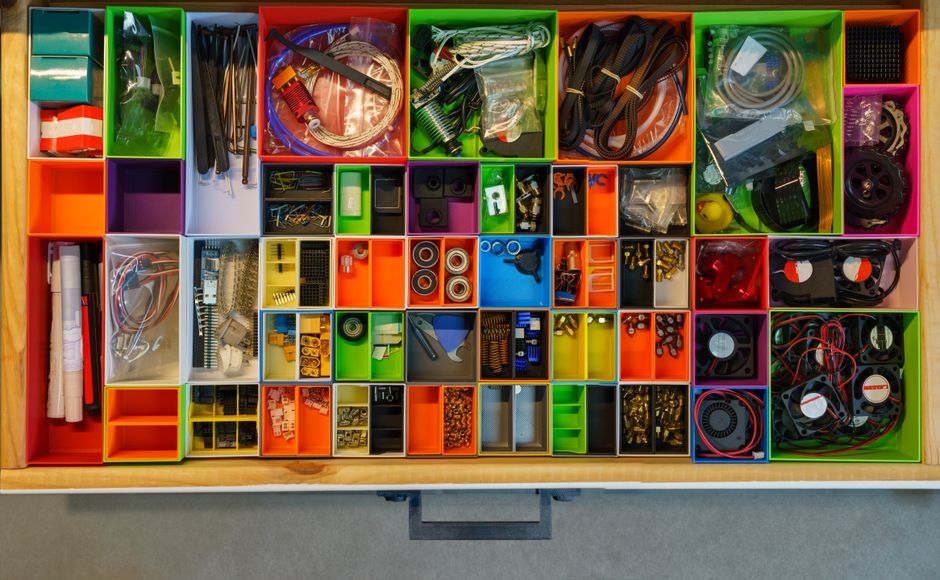
A well-organized dresser is the foundation of a functional bedroom. When your drawers are chaotic, getting dressed becomes stressful and time-consuming. In 2026, many people are adopting minimalist and sustainable approaches to clothing storage. This article provides practical, tested methods to transform your dresser drawers. Whether you have a small apartment or spacious home, these strategies work for any drawer size. You’ll learn professional organizing techniques that require minimal investment but deliver maximum results.
Why Is Dresser Drawer Organization Important?
Organized drawers save you precious time every morning. When everything has a designated spot, you spend seconds finding what you need instead of minutes searching. This efficiency reduces decision fatigue and stress before your day even starts. A tidy dresser also extends clothing lifespan by preventing wrinkles and damage from overstuffing.

Mental clarity follows physical organization. Studies show that cluttered spaces increase anxiety and reduce focus. An organized dresser creates a sense of control in your bedroom space. Additionally, you’ll actually wear more of your clothes when they’re visible and accessible. This maximizes your wardrobe investment and reduces impulse purchases.
- Saves 5-10 minutes daily on getting dressed.
- Reduces clothing wrinkles and extends garment life.
- Decreases decision fatigue and morning stress.
- Improves bedroom aesthetics and mental wellbeing.
- Helps you discover forgotten clothing items.
Key Takeaway: Dresser organization directly impacts your daily routine, mental health, and clothing longevity.
How Do You Declutter Your Dresser Before Organizing?
Decluttering is the essential first step. Remove every single item from your dresser and place it on your bed. This gives you a complete inventory and prevents forgotten items from ending up back in drawers. Be honest about what you actually wear versus what you keep out of guilt.
The four-box method works perfectly for dresser decluttering. Create boxes labeled: Keep, Donate, Sell, and Trash. For each item, ask yourself three questions: Do I wear this regularly? Does it fit properly? Do I feel confident wearing it? If you answer no to any question, it belongs in another box. Most people find they can donate 30-50 percent of their dresser contents.
Practical Decluttering Criteria
- Keep items you’ve worn in the past three months.
- Remove pieces with stains, holes, or broken zippers.
- Donate clothes that don’t fit or feel uncomfortable.
- Sell designer items or gently used pieces online.
- Trash items unsuitable for donation or resale.
Set a timer for 30 minutes and work through one category at a time. Socks, underwear, and accessories are easiest to evaluate quickly. Save sentimental items for last when you’re experienced with decision-making. This prevents emotional attachment from slowing your progress.
Key Takeaway: Decluttering first creates space and clarity for an efficient organization system.
What Are the Best Folding Methods for Drawer Storage?
The KonMari method revolutionized how people fold clothes for storage. Unlike traditional folding, KonMari involves folding clothes into compact rectangles that stand upright in drawers. This vertical filing method lets you see every item at a glance. You’ll never forget about clothes buried at the bottom of a stack again.
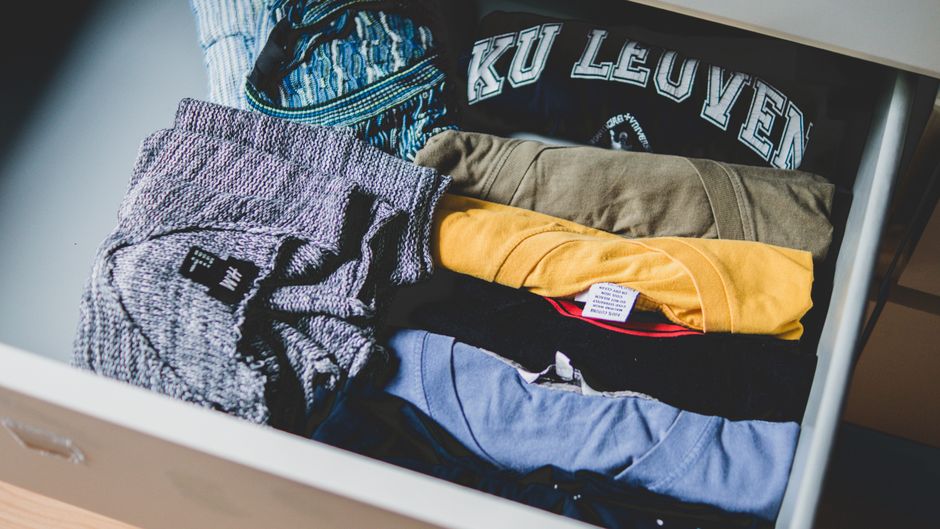
Here’s how to execute the KonMari fold for t-shirts and sweaters. Lay the garment flat lengthwise. Fold one long side toward the center, then the other side. Fold the item in half widthwise. Stand it upright in your drawer. The result is a compact rectangle approximately 4-6 inches wide. This method works for t-shirts, sweaters, jeans, and most casual clothing.
Alternative Folding Techniques
- File-folding: Creates vertical stacks visible from above.
- Capsule folding: Minimizes wrinkles for delicate fabrics.
- Rolling method: Maximizes space in small drawers.
- Hanger method: Keeps items wrinkle-free but uses more space.
For delicate items like silk blouses, try the rolling method instead. Roll garments tightly to save space and prevent creases. This works especially well for underwear and socks that need compact storage. Experiment with different methods to find what works best for your clothing types and drawer dimensions.
Key Takeaway: Vertical folding methods maximize visibility and space while keeping clothes wrinkle-free.
How Should You Organize Drawer Sections by Category?
Categorizing clothing by type creates an intuitive system you’ll maintain effortlessly. Dedicate separate drawers or sections to underwear, socks, bras, pajamas, and everyday wear. This logical grouping saves time and prevents mixing categories. Most people find four to five main categories work best for a standard dresser.
Create a drawer map on paper before placing items back. Sketch your dresser with drawer numbers. Assign each drawer a category: top drawer for underwear and socks, second for bras and shapewear, third for pajamas and loungewear, fourth for t-shirts and casual tops. This visual reference helps family members maintain your system. Take a photo and post it inside the master bedroom closet door.
Recommended Drawer Organization Layout
- Top drawer: Underwear, socks, hosiery, and accessories.
- Second drawer: Bras, shapewear, and intimate items.
- Third drawer: Pajamas, loungewear, and sleepwear.
- Fourth drawer: T-shirts, casual tops, and lightweight layers.
- Bottom drawer: Sweaters, cardigans, and heavier items.
Within each category, further organize by color or style. Group white socks together, black socks together, and patterned socks separately. This micro-organization saves precious morning seconds. Consider your daily routine when assigning drawer locations. Keep your most-worn items in easily accessible middle drawers.
Key Takeaway: Logical categorization creates an intuitive system that’s easy to maintain long-term.
What Organizers and Dividers Should You Use?
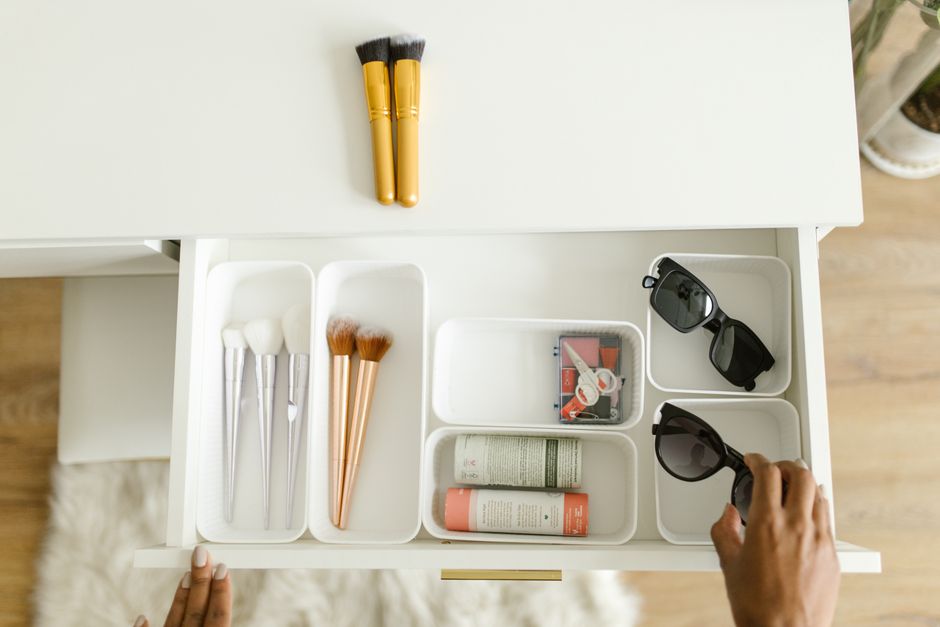
Drawer dividers transform open spaces into organized zones. These simple tools prevent clothes from shifting and mixing categories. Dividers come in various materials: plastic, wood, fabric, and bamboo. Choose dividers that fit your drawer dimensions and aesthetic preferences. Most cost between five and twenty dollars per set.
Fabric drawer organizers with compartments work exceptionally well for socks and underwear. These soft-sided containers keep small items contained without damaging delicate fabrics. For larger items like folded t-shirts, use rigid plastic or bamboo dividers. Adjustable dividers accommodate different drawer widths and allow flexibility as your wardrobe changes.
Popular Organizer Options for 2026
- Bamboo drawer dividers: Eco-friendly, adjustable, and durable.
- Fabric compartment organizers: Soft, flexible, and affordable.
- Acrylic dividers: Clear, modern-looking, and space-efficient.
- Expandable shelf risers: Create vertical layers in deep drawers.
- Drawer liners: Protect drawers and prevent sliding.
Shelf liners serve a dual purpose: protecting your dresser finish and preventing clothes from sliding. Choose liners with non-slip backing. Measure your drawer dimensions before purchasing. Non-adhesive liners are easier to remove and replace when needed. Quality liners cost five to fifteen dollars and last several years.
Key Takeaway: Strategic use of dividers and organizers maintains your system with minimal effort.
How Can You Maximize Space in Small Dresser Drawers?
Small drawers require creative space-maximization strategies. The vertical folding method becomes even more critical in compact spaces. Stack folded items only two to three layers high to maintain visibility. Remove unnecessary packaging from items like socks and underwear sets. This immediately frees up space.
Drawer risers create additional layers in deep drawers. These adjustable platforms sit inside drawers, effectively doubling usable space. Place lighter items on top risers and heavier items below. This vertical stacking approach works brilliantly for small dressers common in apartments and bedrooms with limited furniture space.
Space-Saving Techniques for Compact Drawers
- Use drawer risers to create multiple storage levels.
- Roll items instead of folding for ultra-compact storage.
- Remove packaging from multi-packs and sets.
- Utilize vertical space with tall, narrow dividers.
- Store off-season items in under-bed containers instead.
Vacuum-seal bags work for seasonal items you’re storing temporarily. These compress clothing to one-third original size. However, avoid using them for regular dresser storage as they damage garments over time. Reserve vacuum bags for winter coats and summer dresses stored during off-season months.
Key Takeaway: Vertical organization and creative layering maximize even the smallest dresser drawers.
What Maintenance Habits Keep Your Dresser Organized?
Organization systems fail without consistent maintenance. Dedicate ten minutes weekly to resetting your dresser. Check that items are properly folded and categories haven’t mixed. Straighten dividers and ensure nothing has shifted. This brief weekly reset prevents chaos from accumulating.
Implement a “one in, one out” rule for new clothing purchases. When you buy a new shirt, evaluate your current shirts and donate one you wear less frequently. This keeps your dresser from becoming overstuffed again. Many people find this rule naturally limits impulse purchases since it requires conscious decisions about clothing value.
Monthly and Seasonal Maintenance Tasks
- Monthly: Deep clean drawer interiors and liners.
- Monthly: Reassess categories and adjust dividers as needed.
- Seasonally: Swap out-of-season items with current season clothing.
- Seasonally: Declutter items you didn’t wear during the season.
- Quarterly: Check for stains, damage, or items needing repair.
Set phone reminders for your weekly reset and seasonal swap dates. This ensures organization stays a priority amid busy schedules. Document your system with photos so family members understand your method. Clear communication prevents others from disrupting your organized system.
Key Takeaway: Consistent weekly maintenance and seasonal reviews sustain your organized dresser long-term.
How Do You Handle Special Items Like Bras and Delicate Fabrics?
Bras require special storage to maintain their shape and elasticity. Never fold bras; instead, stack them with cups nested together. Store bras in a dedicated drawer section using a bra organizer with compartments. These organizers cost ten to twenty dollars and prevent cups from crushing. Dedicate your top drawer or a specific section to bras for easy morning access.
Delicate fabrics like silk and lace need careful handling. Fold these items loosely to prevent creases and fabric stress. Store delicates in a separate section away from heavier items. Acid-free tissue paper between delicate items prevents friction and color transfer. This extra care extends the lifespan of expensive pieces significantly.
Storage Solutions for Special Clothing Items
- Bras: Use compartment organizers and stack with cups nested.
- Hosiery: Roll or fold into a dedicated hosiery organizer.
- Swimsuits: Store flat in a separate drawer to prevent stretching.
- Shapewear: Fold loosely in a designated compartment.
- Jewelry: Use small drawer organizers with separate sections.
Moisture and odor control matter for delicate items. Place small sachets of lavender or cedar in drawers to freshen clothing naturally. Avoid chemical air fresheners that can stain fabrics. These natural options cost just a few dollars and last several months before requiring replacement.
Key Takeaway: Specialized storage for delicate items and bras preserves their quality and extends wearability.
What Tools and Products Make Organization Easier?
Invest in quality tools that make organization effortless. A quality measuring tape ensures dividers and organizers fit perfectly. A label maker creates clear category labels for drawers. A small vacuum helps clean drawer interiors before installation of liners. These inexpensive tools cost under thirty dollars total but significantly improve your organizing experience.
Consider a drawer organizer starter kit that includes dividers, liners, and small bins. These kits cost twenty to forty dollars and provide everything needed for a complete dresser reorganization. Many include instruction guides and layout suggestions. This all-in-one approach simplifies the purchasing process for beginners.
For ongoing maintenance, a simple folding board helps maintain consistent fold sizes. This tool costs five to ten dollars and ensures your vertical folding stays neat. Some people find folding boards unnecessary after practicing the method a few times. Experiment to determine if this tool enhances your system.
Key Takeaway: Strategic tool investments enhance your organizing efficiency and system maintenance.
How Does Bedroom Furniture Arrangement Support Dresser Organization?
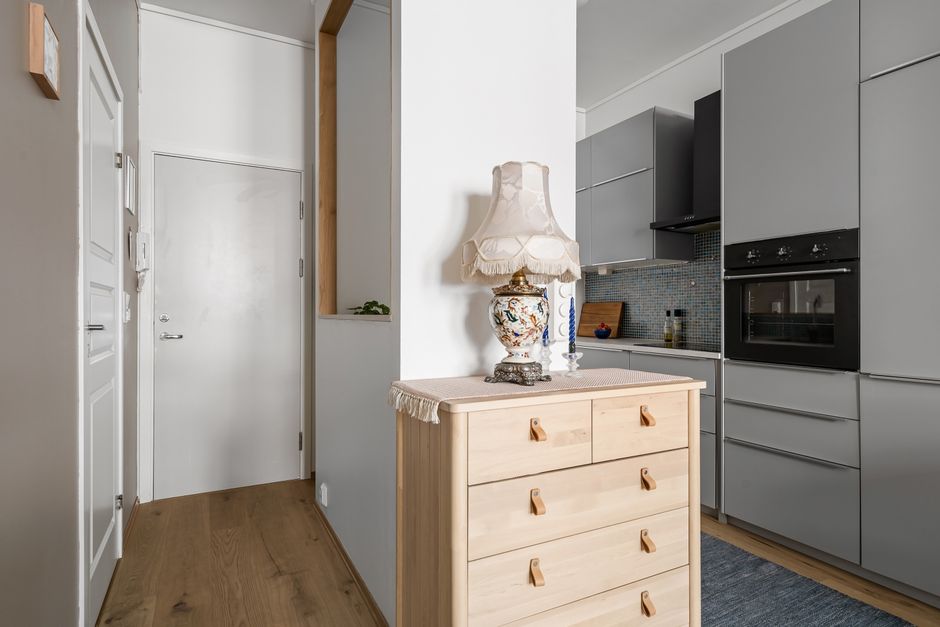
Your dresser’s location in the bedroom affects how you use it. Place your dresser in a well-lit area where you can see contents clearly. Natural light or a nearby lamp helps you match clothing colors and spot items easily. A dresser positioned opposite your bed creates visual balance in the room layout. For more bedroom arrangement tips, explore our furniture arrangement guide.
Ensure your dresser has adequate clearers space in front for opening drawers fully. Cramped spaces make organization maintenance difficult. A dresser with a mirror on top serves dual purposes: storage and reflection. This functional design maximizes bedroom space efficiently. Consider your bedroom’s overall layout when selecting and positioning your dresser.
Key Takeaway: Strategic dresser placement supports both organization maintenance and bedroom aesthetics.
Frequently Asked Questions
How often should I reorganize my dresser drawers?
Reorganize your dresser completely every three to six months. Conduct brief weekly maintenance resets to prevent chaos. Most people find seasonal reorganization aligns perfectly with clothing swaps. After the first complete reorganization, maintenance becomes quick and effortless. A full reset takes just two to four hours once you’ve established your system.
What’s the best way to store seasonal clothing in dresser drawers?
Swap seasonal items into and out of your dresser quarterly. Store off-season clothing in labeled under-bed containers or closet shelves. This keeps drawers from becoming overstuffed with items you won’t wear for months. Use vacuum-seal bags only for long-term storage, not regular dresser use. Rotate seasonal items prevents your drawer system from becoming inefficient.
Can I use drawer organizers in old dressers with shallow drawers?
Yes, shallow drawers work perfectly with the right organizers. Choose low-profile dividers and compartment organizers designed for shallow spaces. Vertical folding methods work even better in shallow drawers since items must stand upright. Measure your drawer depth before purchasing organizers to ensure proper fit. Many organizers are adjustable to accommodate various drawer dimensions.
How do I prevent clothes from getting wrinkled in organized drawers?
Proper folding and avoiding overstuffing prevents wrinkles. Don’t stack folded items too high; two to three layers maximum works best. Use shelf liners with non-slip backing to prevent shifting. Store delicate items in acid-free tissue paper. Avoid cramming too many items into each drawer section. Breathable storage prevents moisture and mildew that can damage fabrics.
What should I do with clothes I’m unsure about keeping?
Create a “maybe” box and store it outside your dresser for one month. If you don’t miss these items or think about wearing them, donate them. This approach removes decision-making pressure while respecting potential attachment. Most people find they never retrieve items from the maybe box, confirming they should be donated. Trust your instincts after the trial period ends.
Are expensive organizers necessary for dresser organization?
No, basic organizers work perfectly well. Affordable options from discount retailers cost five to twenty dollars. DIY dividers using cardboard or repurposed materials work in a pinch. The organization method matters more than product cost. Many people successfully organize dressers with items they already own at home.
How Can You Maintain Your Organized Dresser Long-Term?
Successful dresser organization requires commitment to your system. Create visual reminders by taking photos of your organized drawers. Post these images inside your bedroom closet door or on your phone’s home screen. Visual reminders help you remember your system when tired or rushed. Share photos with family members so everyone maintains consistency.
Schedule regular maintenance like you would any important task. Set recurring calendar reminders for weekly ten-minute resets and monthly deep cleans. Treat these appointments as non-negotiable. When organization becomes routine rather than occasional effort, it requires minimal willpower. Most people find maintenance becomes automatic after six weeks of consistency.
Celebrate your organized dresser by enjoying the benefits daily. Notice how much faster you get dressed. Feel the reduced morning stress. Appreciate how your bedroom looks more peaceful and put-together. These positive reinforcements motivate continued maintenance. Share your success with friends or family members interested in organization.
If your system fails occasionally, don’t give up. Reset immediately with your weekly maintenance routine. One disorganized week doesn’t negate months of success. Perfectionism often derails organization systems. Instead, aim for consistency and progress rather than flawless execution. Most people maintain their systems successfully with this compassionate approach.
Key Takeaway: Long-term dresser organization succeeds through consistent habits, visual reminders, and self-compassion when imperfection occurs.





Write Your Review
No reviews yet. Be the first to share your experience!