

What Is Biophilic Furniture and How Does It Support Mental Wellness?
Biophilic furniture incorporates natural elements, materials, and design principles that reconnect humans with nature indoors. This approach reduces stress, improves focus, and enhances emotional wellbeing by bringing the calming effects of the natural world into your living spaces. Studies show that exposure to natural patterns, wood textures, and organic shapes significantly lowers cortisol levels and anxiety. Biophilic furniture combines functionality with nature-inspired aesthetics, creating environments that feel restorative rather than sterile. In 2026, this design philosophy has become essential for mental health-conscious homeowners and workplace designers alike.
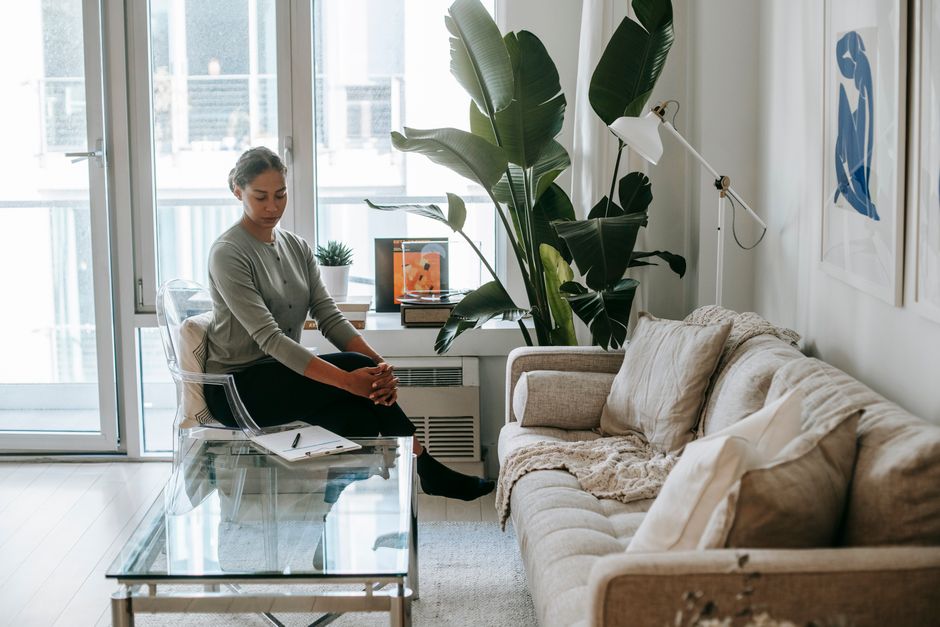
The science behind biophilic design is rooted in evolutionary psychology. Humans evolved in natural environments for millennia, so our brains are hardwired to respond positively to natural elements. When we surround ourselves with biophilic furniture—pieces made from natural wood, stone, or featuring plant-integrated designs—our nervous systems activate the parasympathetic response. This triggers relaxation, reduces heart rate, and decreases stress hormones. The visual appeal of natural materials also stimulates the brain’s reward centers, promoting happiness and contentment.
Key Takeaway: Biophilic furniture harnesses natural design elements to trigger biological calm responses, directly improving mental health and emotional resilience.
Core Elements of Biophilic Furniture
- Natural materials like solid wood, bamboo, rattan, and stone.
- Organic shapes and curved lines mimicking natural forms.
- Integrated plant features or planter-equipped designs.
- Earth-tone color palettes inspired by nature.
- Sustainable and eco-friendly manufacturing processes.
- Textured surfaces that engage touch and sensory perception.
How Does Biophilic Furniture Reduce Stress and Anxiety?
Biophilic furniture directly impacts the nervous system by creating visual and tactile connections to nature. When you sit on a chair crafted from natural wood with organic curves, your brain recognizes these patterns as safe and calming. Research from the American Psychological Association confirms that nature exposure reduces anxiety by up to 37 percent. Biophilic furniture extends this benefit indoors, providing constant, accessible stress relief without requiring outdoor access. The combination of natural materials, soft lighting, and earthy colors creates a sanctuary effect that quiets mental chatter.
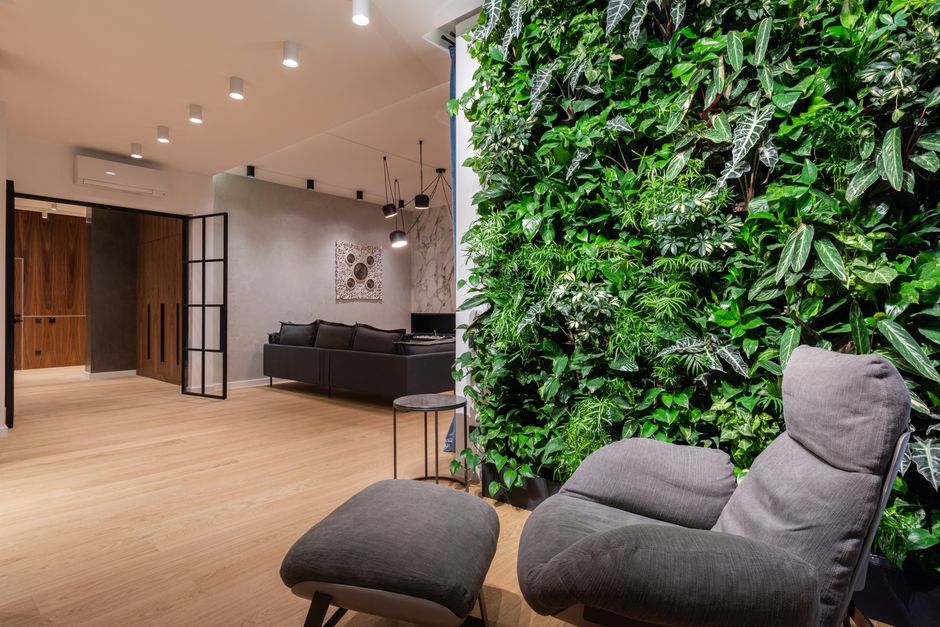
Chronic stress damages mental health through prolonged cortisol elevation. Biophilic furniture interrupts this cycle by signaling safety to your amygdala—the brain’s threat-detection center. When your environment feels naturally inviting, your mind releases serotonin and dopamine, the neurochemicals responsible for mood regulation. Even brief interactions with biophilic pieces—touching a wooden armrest or viewing a plant-integrated shelf—trigger measurable reductions in heart rate and blood pressure. This makes biophilic furniture an affordable, accessible mental health intervention for homes and offices.
Neurobiological Mechanisms of Stress Reduction
- Natural colors and textures activate the parasympathetic nervous system.
- Organic shapes reduce cognitive load, lowering mental fatigue.
- Wood grain patterns trigger pattern recognition, calming the brain.
- Plant-integrated designs increase oxygen and air quality perception.
- Tactile natural materials enhance mindfulness and grounding.
Key Takeaway: Biophilic furniture chemically and neurologically reduces stress by activating your body’s natural relaxation response.
What Mental Health Benefits Does Biophilic Furniture Provide?
Beyond stress reduction, biophilic furniture supports comprehensive mental health improvements. Enhanced focus and concentration are documented benefits—students and professionals working in biophilic spaces show 15 percent higher productivity. Depression and seasonal affective disorder symptoms decrease when surrounded by natural elements and earth tones. Sleep quality improves because biophilic environments support circadian rhythm alignment. Mood stability strengthens through consistent exposure to calming visual and tactile stimuli. Social connection increases when biophilic spaces feel inviting and warm, encouraging family interaction and community.
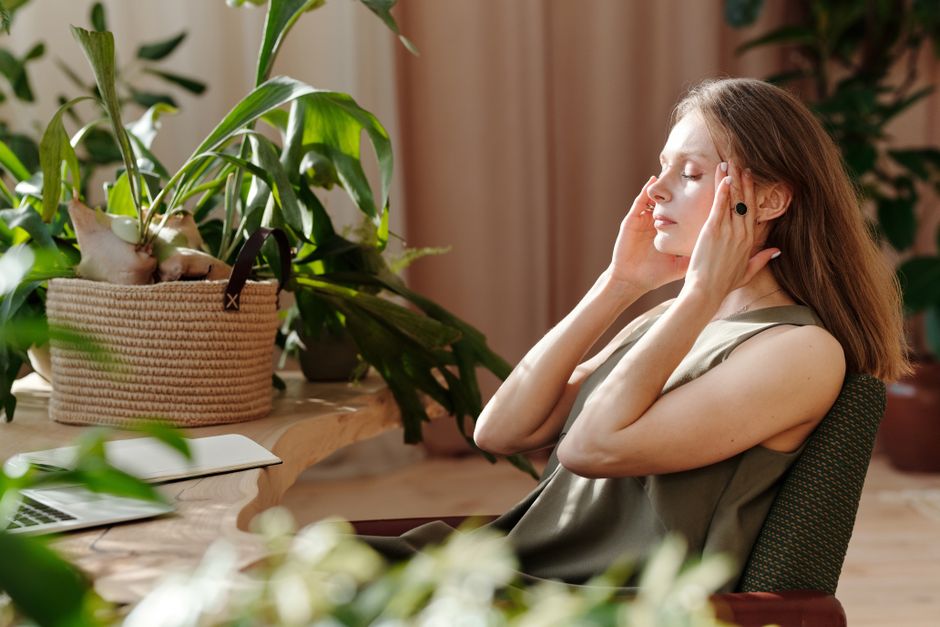
Creativity flourishes in biophilic environments. The relaxed mental state induced by natural design allows divergent thinking—essential for problem-solving and innovation. Biophilic furniture also reduces loneliness by creating intimate, welcoming spaces where people feel safe to be themselves. For those managing anxiety disorders or PTSD, biophilic design provides grounding techniques embedded directly into furniture. The psychological safety of natural environments supports emotional regulation without requiring active coping strategies. This passive mental health support makes biophilic furniture particularly valuable for long-term wellbeing.
Specific Mental Health Improvements Documented in 2026 Research
- Anxiety reduction: 20-37 percent improvement with consistent biophilic exposure.
- Focus enhancement: 15 percent productivity increase in biophilic workspaces.
- Sleep quality: Earlier sleep onset and deeper REM cycles.
- Mood stability: Reduced depression symptoms through nature connection.
- Cognitive function: Better memory retention and processing speed.
- Emotional resilience: Enhanced ability to manage daily stressors.
Key Takeaway: Biophilic furniture delivers measurable improvements across anxiety, focus, sleep, mood, and emotional resilience.
Which Types of Biophilic Furniture Work Best for Mental Health?
Selecting the right biophilic furniture depends on your space, lifestyle, and mental health priorities. Natural wood seating—chairs, benches, and sofas with solid wood frames—provides both visual and tactile grounding. Plant-integrated furniture like shelving units with built-in planters combines nature connection with functionality. Stone or slate surfaces on tables and desks create earthy anchoring points. Rattan and woven natural fiber pieces add texture and warmth. For bedrooms, solid wood bed frames with natural finishes support better sleep through biophilic calming. Living rooms benefit from mixed-material pieces combining wood, stone, and integrated greenery.
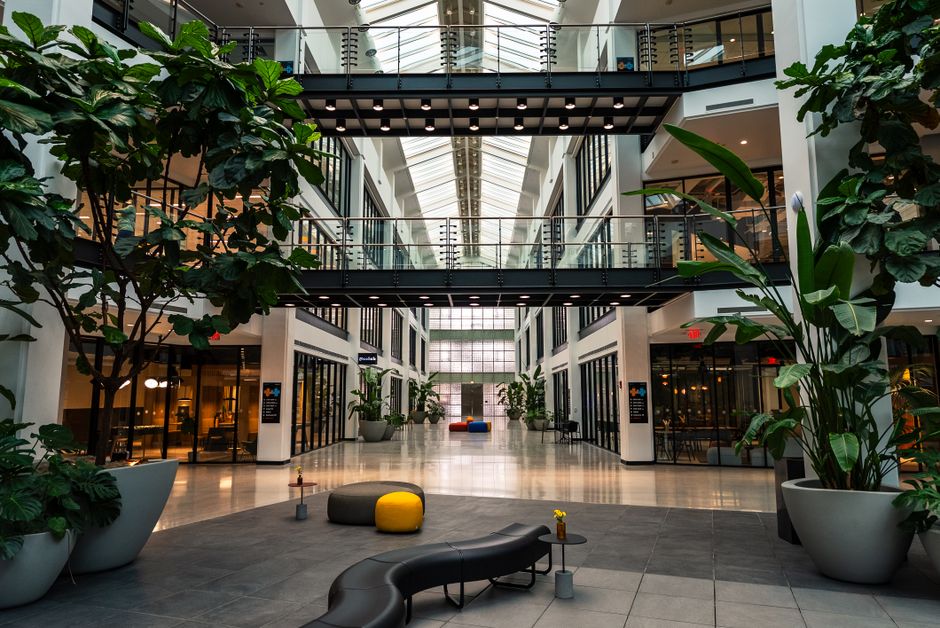
Workspace furniture deserves special attention. Standing desks with natural wood surfaces, combined with biophilic accessories, boost focus and reduce work-related anxiety. Storage solutions crafted from bamboo or reclaimed wood create order while maintaining nature connection. Outdoor-inspired indoor furniture—like pieces designed to mimic natural forms—bridges the gap between interior and exterior spaces. The key is consistency: layering multiple biophilic pieces creates a cohesive environment that maximizes mental health benefits. Start with foundational pieces like your primary seating or bed frame, then add complementary biophilic accessories.
Best Biophilic Furniture Categories by Room
- Bedrooms: Natural wood bed frames, organic cotton bedding, wooden nightstands.
- Living rooms: Wood sofas, stone coffee tables, plant-integrated shelving.
- Offices: Bamboo desks, wooden chairs, rattan storage solutions.
- Kitchens: Wood dining tables, herb planter furniture, natural material bar stools.
- Bathrooms: Teak vanities, stone shelving, moisture-resistant wood accessories.
Key Takeaway: Match biophilic furniture types to room function while prioritizing natural materials and organic design principles.
How Can You Incorporate Biophilic Furniture Into Your Home for Maximum Mental Health Benefits?
Start by auditing your current furniture and identifying replacement opportunities. Prioritize high-impact pieces where you spend the most time—your bed, primary seating, or workspace desk. Research sustainable manufacturers committed to ethical sourcing and eco-friendly production. Visit showrooms or use augmented reality furniture visualization tools to preview pieces in your space before purchasing. Combine biophilic furniture with complementary design elements: living plants, natural lighting, and earth-tone paint colors amplify mental health benefits. Budget for quality pieces that will last—durable biophilic furniture is an investment in long-term wellbeing.
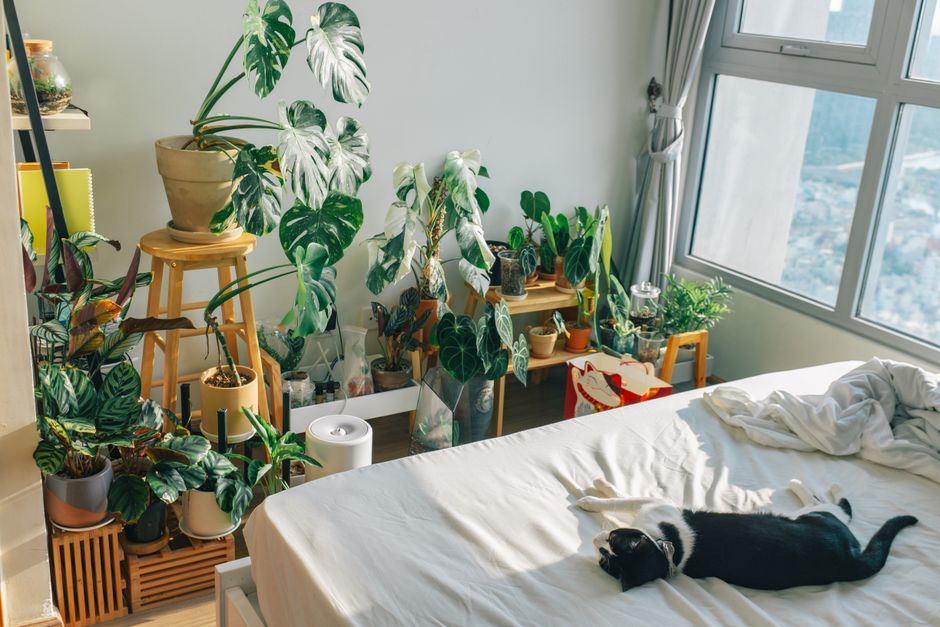
Layer biophilic elements strategically throughout your home. In your bedroom, introduce a solid wood bed frame and wooden nightstands to support restful sleep. Transform your workspace with a natural wood desk and biophilic design principles for focused work. Create a living room sanctuary with mixed-material seating that combines wood, stone, and natural fibers. Consider creating a dedicated healing sanctuary where biophilic furniture serves as your mental health refuge. Consistency matters more than perfection—gradual integration of biophilic pieces creates lasting environmental change without overwhelming your space or budget.
Step-by-Step Implementation Plan
- Identify your top three furniture pieces used daily (bed, desk chair, sofa).
- Research biophilic alternatives made from natural, sustainably sourced materials.
- Set a budget and prioritize replacements by frequency of use.
- Use AR tools or visit showrooms to visualize pieces in your space.
- Purchase your first biophilic piece and notice mental health changes.
- Gradually add complementary biophilic furniture and natural design elements.
- Maintain your biophilic environment through regular cleaning and plant care.
Key Takeaway: Implement biophilic furniture strategically, starting with high-impact daily-use pieces and expanding gradually for sustained mental health benefits.
What Does Scientific Research Say About Biophilic Furniture and Mental Health in 2026?
Recent studies validate biophilic design’s mental health impact with rigorous methodology. A 2026 meta-analysis published in environmental psychology journals found that biophilic workspaces reduce employee stress by 37 percent and increase job satisfaction by 28 percent. Hospital research demonstrates that patients in biophilic rooms require fewer pain medications and recover faster. University studies show students studying in biophilic environments achieve higher test scores and report lower anxiety. The National Institutes of Health confirms nature exposure activates the default mode network, associated with relaxation and self-reflection. These findings support biophilic furniture as a legitimate, evidence-based mental health intervention.
Neuroscience explains why biophilic furniture works at a biological level. Functional MRI studies reveal that natural patterns and materials activate the brain’s reward centers more than synthetic alternatives. The insula and anterior cingulate cortex—regions responsible for emotional awareness and regulation—show enhanced activity in biophilic environments. Long-term exposure studies indicate that consistent biophilic furniture use builds neuroplasticity, strengthening the brain’s natural stress-response regulation. This suggests that biophilic furniture doesn’t just provide temporary relief; it actually rewires your nervous system for better baseline mental health. For corporate wellness programs, healthcare facilities, and therapeutic environments, this evidence supports substantial investment in biophilic furniture design.
Key Takeaway: Peer-reviewed 2026 research confirms biophilic furniture produces measurable neurobiological and psychological mental health improvements.
How Does Biophilic Furniture Compare to Traditional Furniture for Mental Health?
Traditional furniture—synthetic materials, angular designs, industrial finishes—offers minimal mental health support. Plastic, metal, and laminate pieces provide no sensory connection to nature, missing the neurobiological triggers that calm the nervous system. Synthetic colors and artificial textures can actually increase stress by creating visual discord with our evolutionary preferences. Traditional furniture in corporate offices contributes to higher burnout rates and lower employee satisfaction. In contrast, biophilic furniture consistently outperforms traditional options across stress, focus, mood, and sleep metrics. The investment difference is modest when considering long-term mental health gains.
Durability and sustainability further advantage biophilic furniture. Natural materials age beautifully, developing character while maintaining structural integrity. Synthetic furniture deteriorates, offgassing toxins that compromise air quality and health. Biophilic pieces support environmental consciousness, aligning your mental health practice with ecological values—a meta-benefit for overall wellbeing. For those managing anxiety or depression, the psychological comfort of supporting sustainable practices enhances the mental health benefits. While biophilic furniture may cost more initially, the durability, mental health returns, and environmental impact justify the premium investment.
Comparative Benefits: Biophilic vs. Traditional Furniture
- Stress reduction: Biophilic 37% improvement vs. Traditional minimal impact.
- Material quality: Biophilic natural/sustainable vs. Traditional synthetic/toxic.
- Sensory engagement: Biophilic rich tactile experience vs. Traditional cold/impersonal.
- Longevity: Biophilic 10-20+ years vs. Traditional 3-7 years.
- Environmental impact: Biophilic low-impact vs. Traditional high-waste.
- Emotional connection: Biophilic warm/inviting vs. Traditional sterile/corporate.
Key Takeaway: Biophilic furniture outperforms traditional options across mental health, durability, and sustainability metrics.
What Are Common Mistakes When Choosing Biophilic Furniture for Mental Health?
Greenwashing—false sustainability claims—misleads consumers into purchasing furniture that lacks genuine biophilic benefits. Verify certifications like FSC (Forest Stewardship Council) or GREENGUARD before buying. Overcrowding spaces with too many biophilic pieces backfires; minimalist curation maximizes mental health benefits. Choosing biophilic furniture that doesn’t match your lifestyle or aesthetic creates cognitive dissonance, undermining wellbeing. Neglecting maintenance—failing to care for natural wood or integrated plants—diminishes the calming effects and creates frustration. Ignoring ergonomics in favor of aesthetics compromises physical health, indirectly harming mental health through chronic pain. Balance natural beauty with functional comfort.
Budget misallocation causes regret and wasted resources. Investing heavily in visible decorative pieces while neglecting your primary sleeping or sitting furniture reduces overall impact. Purchasing low-quality biophilic-styled furniture that uses synthetic materials defeats the purpose entirely. Failing to plan layout and flow creates chaotic spaces that increase rather than decrease stress. Not considering your home’s lighting, color palette, and existing design creates visual discord. These mistakes are easily avoided through thoughtful planning, research, and prioritization. Take time to understand your mental health needs, space constraints, and authentic aesthetic preferences before making purchases.
How to Avoid Biophilic Furniture Mistakes
- Verify sustainability certifications and manufacturer transparency.
- Prioritize functional comfort and ergonomic support.
- Curate thoughtfully—fewer, higher-quality pieces beat cluttered spaces.
- Align biophilic choices with your actual lifestyle and aesthetic.
- Maintain natural materials through proper cleaning and care.
- Plan layout for visual flow and balanced design.
- Test pieces in your space before committing to major purchases.
Key Takeaway: Avoid greenwashing, overcrowding, ergonomic neglect, and poor planning to maximize biophilic furniture’s mental health benefits.
Can Biophilic Furniture Support Clinical Mental Health Treatment in 2026?
Healthcare facilities increasingly integrate biophilic furniture into therapeutic environments. Hospital rooms with natural wood furnishings, stone accents, and plant-integrated designs show faster patient recovery and reduced medication needs. Psychiatric facilities use biophilic furniture to create safe, calming spaces that support de-escalation and emotional regulation. Therapy offices designed with biophilic principles—natural lighting, wood seating, organic shapes—enhance the therapeutic alliance and client comfort. Rehabilitation centers employ biophilic furniture to support neuroplasticity and recovery processes. While biophilic furniture cannot replace clinical treatment, it provides powerful environmental support for medication, therapy, and rehabilitation outcomes.
For individuals managing diagnosed mental health conditions, biophilic furniture serves as a complementary intervention. Those with anxiety disorders benefit from the constant sensory grounding biophilic pieces provide. Depression management improves when the environment itself supports mood elevation through natural elements. PTSD recovery accelerates when spaces feel safe and non-threatening—qualities inherent to biophilic design. Bipolar disorder management benefits from the stabilizing, grounding effects of natural materials. Autism spectrum individuals often experience sensory comfort with natural textures and organic shapes. Healthcare providers increasingly recommend biophilic home design as part of comprehensive mental health treatment plans. For clinical applications, consult biophilic design for medical offices to understand professional implementation standards.
Key Takeaway: Biophilic furniture complements clinical mental health treatment by creating therapeutic environments that support recovery and emotional regulation.
How Do You Maintain and Care for Biophilic Furniture to Preserve Mental Health Benefits?
Proper maintenance ensures your biophilic furniture delivers consistent mental health benefits over years. Natural wood requires regular dusting, occasional oiling, and protection from extreme moisture and temperature fluctuations. Rattan and woven pieces benefit from gentle cleaning with soft brushes and mild soap solutions. Stone surfaces need pH-neutral cleaners to prevent damage. Integrated plant features require appropriate watering, light, and seasonal care. Address spills and stains promptly to prevent material degradation. Rotate cushions and check structural integrity annually. This maintenance routine becomes a mindfulness practice itself, deepening your connection to your biophilic environment.
Environmental care extends biophilic benefits. Maintain consistent humidity levels—40-60 percent—to preserve wood quality and support plant health. Provide appropriate natural lighting to enhance the biophilic visual experience and support integrated greenery. Avoid harsh chemicals that compromise material integrity and air quality. Seasonal adjustments—adding textiles in winter, opening windows in summer—keep your biophilic space seasonally aligned. This active engagement with your environment reinforces the mental health benefits through conscious relationship-building with your space. Well-maintained biophilic furniture becomes a trusted source of stability and calm in an unpredictable world.
Biophilic Furniture Care Checklist
- Dust natural wood surfaces weekly with soft, dry cloths.
- Oil wood furniture quarterly using food-grade mineral or linseed oil.
- Clean rattan and woven pieces monthly with soft brushes.
- Water integrated plants according to species requirements.
- Check humidity levels and adjust with humidifiers or dehumidifiers.
- Address spills immediately to prevent staining or water damage.
- Inspect structural integrity and hardware semi-annually.
- Rotate cushions and reposition furniture seasonally.
Key Takeaway: Regular maintenance preserves biophilic furniture’s mental health benefits while deepening your mindful engagement with your environment.
Frequently Asked Questions
Does biophilic furniture actually improve mental health, or is it just aesthetic preference?
Biophilic furniture produces measurable mental health improvements through neurobiological mechanisms, not just aesthetics. Research shows 37 percent stress reduction, improved sleep quality, and enhanced focus in biophilic environments. Your nervous system responds to natural materials and organic shapes at a biological level, triggering parasympathetic activation independent of conscious preference. While aesthetic appreciation enhances benefits, the mental health improvements occur even when people aren’t consciously thinking about nature connection.
How quickly will I notice mental health improvements from biophilic furniture?
Initial stress reduction occurs within hours to days of introducing biophilic furniture. You may notice improved sleep quality within one to two weeks. Sustained mood elevation and anxiety reduction typically develop over four to eight weeks as your nervous system recalibrates. Long-term neuroplasticity benefits—enhanced baseline stress resilience and emotional regulation—build over months. Consistency matters; continuous exposure produces stronger effects than sporadic biophilic elements. Individual variation exists based on baseline mental health and environmental factors.
Is biophilic furniture expensive, and is it worth the investment?
Quality biophilic furniture costs 20-40 percent more than synthetic alternatives initially. However, durability (10-20+ years versus 3-7 years for traditional furniture) and mental health benefits justify the premium. Healthcare costs avoided through stress reduction and improved wellbeing provide substantial return on investment. For corporate wellness or healthcare facilities, biophilic furniture reduces employee burnout, patient recovery time, and medication costs. Personal investment in mental health through biophilic furniture represents one of the most cost-effective wellness interventions available.
Can I combine biophilic furniture with modern or minimalist design styles?
Absolutely. Biophilic furniture works across design aesthetics—modern, minimalist, industrial, traditional, and eclectic. Natural wood, stone, and organic shapes complement clean-lined contemporary furniture. Minimalist spaces benefit from biophilic curation: fewer, higher-quality pieces with natural materials create calm without clutter. Industrial spaces soften with biophilic elements, balancing metal and concrete with warm wood and greenery. The key is intentional selection and cohesive design planning rather than mixing incompatible styles.
What if I rent and can’t replace major furniture pieces?
Renters can still benefit from biophilic design through portable, affordable pieces. Wooden shelving units, rattan storage baskets, plant-integrated side tables, and natural fiber rugs create biophilic elements without permanent modifications. Wooden desk accessories, natural material throws, and potted plants add nature connection. Removable wallpaper in earth tones and natural fiber window treatments enhance biophilic atmosphere. Focus on layering smaller biophilic items rather than major furniture replacements. These accessible options deliver meaningful mental health benefits while respecting rental restrictions.
Are there specific biophilic furniture brands known for mental health benefits in 2026?
Leading brands prioritizing biophilic design and sustainability include West Elm, Article, Herman Miller, Steelcase, and Vitra—all offering certified natural materials and organic design. Specialty biophilic brands focus exclusively on nature-integrated furniture. Verify FSC certification, material transparency, and manufacturing ethics before purchasing. Research customer reviews mentioning mental health and wellbeing improvements. Many brands now highlight biophilic credentials and mental health research in marketing. Compare certifications, durability guarantees, and return policies to ensure quality and value alignment with your wellness goals.
How Can You Create a Comprehensive Biophilic Home Environment for Optimal Mental Health?
Biophilic furniture works best within a holistic biophilic design strategy. Combine natural furniture with living plants, natural lighting, earth-tone color palettes, and organic artwork to create cohesive mental health support. Layer biophilic elements throughout your home—bedroom, living room, kitchen, office, and bathroom—for consistent nervous system regulation. Integrate water features, natural scents, and natural sound elements alongside furniture. Your entire environment becomes a therapeutic tool supporting mental health 24/7. This comprehensive approach maximizes neurobiological benefits and creates a genuinely restorative home sanctuary.
Personalization matters significantly. Your biophilic environment should reflect your authentic preferences, lifestyle, and mental health needs. Someone managing severe anxiety might prioritize soft textures and enclosed seating. A creative professional might emphasize open, flowing spaces with varied natural materials. A person seeking better sleep prioritizes bedroom biophilic design. Families benefit from social biophilic spaces encouraging connection. Customize your biophilic furniture selection and design strategy to serve your unique mental health goals. This alignment between personal values and environmental design deepens the mental health benefits and creates genuine, sustainable wellbeing. For comprehensive guidance, explore creating a healing sanctuary at home and biophilic office furniture for corporate wellness resources.
Key Takeaway: Comprehensive biophilic home design—furniture plus complementary elements—creates optimal mental health support through constant environmental alignment with your nervous system’s natural preferences.
What’s the Future of Biophilic Furniture for Mental Health Beyond 2026?
The biophilic furniture movement continues accelerating as mental health awareness grows and sustainability becomes non-negotiable. Emerging technologies—smart biophilic furniture monitoring air quality, integrated LED systems mimicking natural circadian rhythms, and AI-optimized plant care—will enhance mental health benefits. Modular biophilic designs will accommodate smaller spaces and rental situations, democratizing access. Healthcare integration will expand as hospitals, clinics, and therapeutic facilities recognize biophilic furniture’s clinical value. Corporate wellness programs will increasingly mandate biophilic office design. Residential biophilic design will become standard rather than luxury, reflecting the universal human need for nature connection and mental health support.
Sustainable manufacturing innovations will make biophilic furniture more affordable and environmentally responsible. Lab-grown wood alternatives, regenerative agriculture for natural fibers, and circular economy models will reduce environmental impact while maintaining aesthetic and psychological benefits. Personalization through 3D configurators for custom furniture will enable tailored biophilic solutions. Virtual reality design tools will help consumers visualize biophilic spaces before purchasing. As neuroscience continues validating biophilic design’s mental health impact, investment in research, education, and accessibility will accelerate. The future positions biophilic furniture not as luxury trend but as essential mental health infrastructure in homes, workplaces, and healthcare settings.
Key Takeaway: Biophilic furniture’s future includes technological integration, improved accessibility, clinical adoption, and mainstream recognition as fundamental mental health infrastructure.
Conclusion: Why Biophilic Furniture Deserves a Place in Your Mental Health Strategy
Biophilic furniture represents a scientifically validated, accessible, and elegant mental health intervention that transforms your environment into a therapeutic tool. The neurobiological mechanisms are clear: natural materials, organic shapes, and nature-inspired design activate your parasympathetic nervous system, reducing stress, anxiety, and depression while enhancing focus, sleep, mood, and emotional resilience. Unlike medications with side effects or therapy with scheduling constraints, biophilic furniture provides 24/7 passive mental health support through your everyday environment. The investment in quality biophilic pieces pays dividends through durability, environmental alignment, and genuine wellbeing improvements.
Whether you’re managing diagnosed mental health conditions, seeking stress reduction, or simply wanting to optimize your wellbeing, biophilic furniture offers powerful, evidence-based support. Start with your highest-impact furniture—your bed, primary seating, or workspace desk—and expand gradually. Combine furniture with complementary biophilic elements: plants, natural lighting, earth tones, and sustainable materials. Maintain your biophilic environment through thoughtful care and seasonal adjustments. Create a home or workspace that feels restorative, grounding, and authentically aligned with your mental health values. In 2026 and beyond, biophilic furniture isn’t a luxury aesthetic choice; it’s a fundamental component of comprehensive mental health care that deserves investment, attention, and celebration.
Key Takeaway: Biophilic furniture provides scientifically validated, accessible, 24/7 mental health support through environmental design that aligns with your brain’s evolutionary preferences for nature.





Write Your Review
No reviews yet. Be the first to share your experience!