

How to Protect Furniture from Pet Hair and Stains: Quick Answer
Pet-proof furniture protection requires a multi-layered approach combining preventative barriers, stain-resistant treatments, and strategic material choices. The most effective methods include using furniture covers or throws, applying professional fabric protectants, choosing pet-friendly fabrics like microfiber or performance textiles, establishing regular grooming routines for pets, and maintaining consistent cleaning schedules. In 2026, advanced fabric technologies and eco-friendly protective solutions have made furniture protection more accessible and sustainable than ever before. Pet owners can now choose from washable slipcovers, water-repellent sprays, and durable upholstery materials designed specifically for homes with animals.
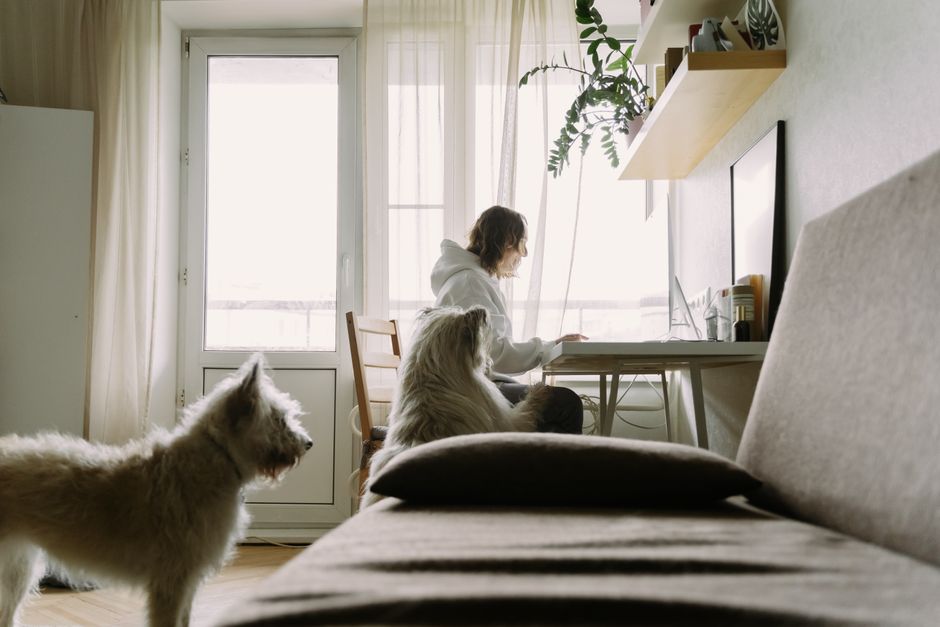
Protecting furniture from pet damage goes beyond aesthetics—it extends furniture lifespan and maintains home hygiene. Pets shed hair year-round, and accidents happen despite training efforts. Strategic protection prevents costly replacements and keeps your living spaces fresh. Understanding which methods work best for your specific furniture type and pet situation ensures you invest in solutions that actually deliver results.
What Are the Best Furniture Covers and Throws for Pet Protection?
Furniture covers serve as the first line of defense against pet hair and stains. Modern covers go far beyond simple blankets—they’re engineered with multiple layers and secure fastening systems. High-quality covers protect your investment while remaining stylish and functional in any room.
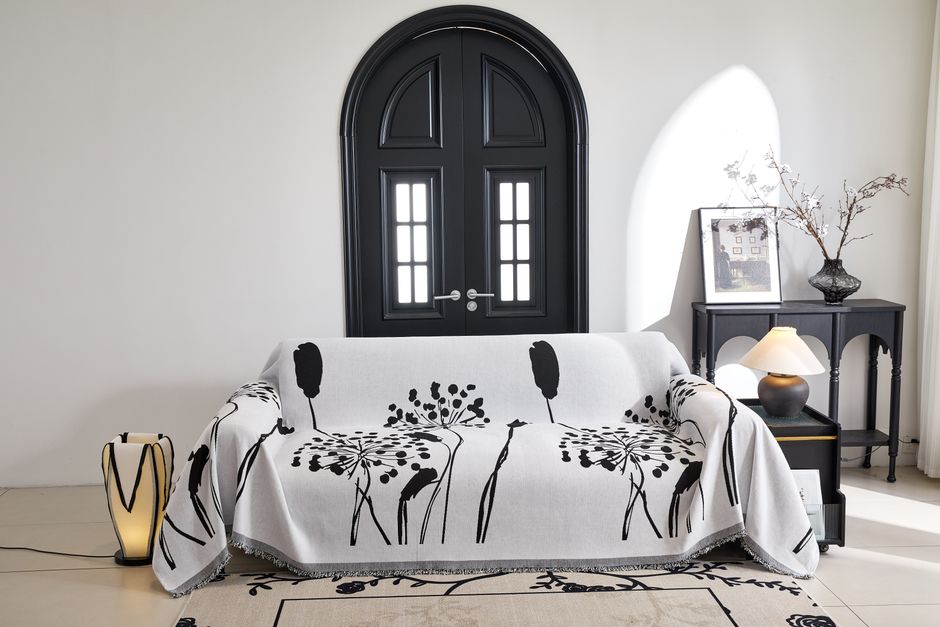
Washable slipcovers offer the ultimate flexibility for pet owners. These custom-fitted covers completely encase your furniture and can be removed for washing in standard machines. They’re available in various colors and patterns, allowing you to refresh your décor while protecting underneath upholstery. Premium slipcovers use performance fabrics that resist staining and shedding.
- Waterproof backing prevents liquids from seeping into cushions and frames.
- Elastic corners and straps keep covers secure during pet activity and jumping.
- Machine-washable materials simplify cleaning and maintenance routines.
- Breathable fabrics prevent moisture buildup and odor accumulation.
- Neutral colors hide dirt and pet hair between washings.
Throw Blankets vs. Full Slipcovers
Throw blankets offer quick, temporary protection for specific furniture areas. They’re portable, affordable, and easy to launder. However, they shift with pet movement and don’t provide comprehensive coverage. Full slipcovers provide complete protection but require more investment and proper fitting for your furniture dimensions.
For renters or those wanting flexibility, throw blankets work well. For permanent pet households, slipcovers deliver superior protection. Many pet owners use both—slipcovers as primary protection and throws for high-traffic areas.
Key Takeaway: Layered cover systems combining slipcovers and throws provide maximum flexibility and protection against pet damage.
Which Fabric Materials Best Resist Pet Hair and Stains?
Fabric selection fundamentally determines how well furniture withstands pet damage. Not all upholstery materials are created equal when it comes to durability and cleanability. Performance fabrics and specific fiber types offer superior resistance to hair, odors, and staining.
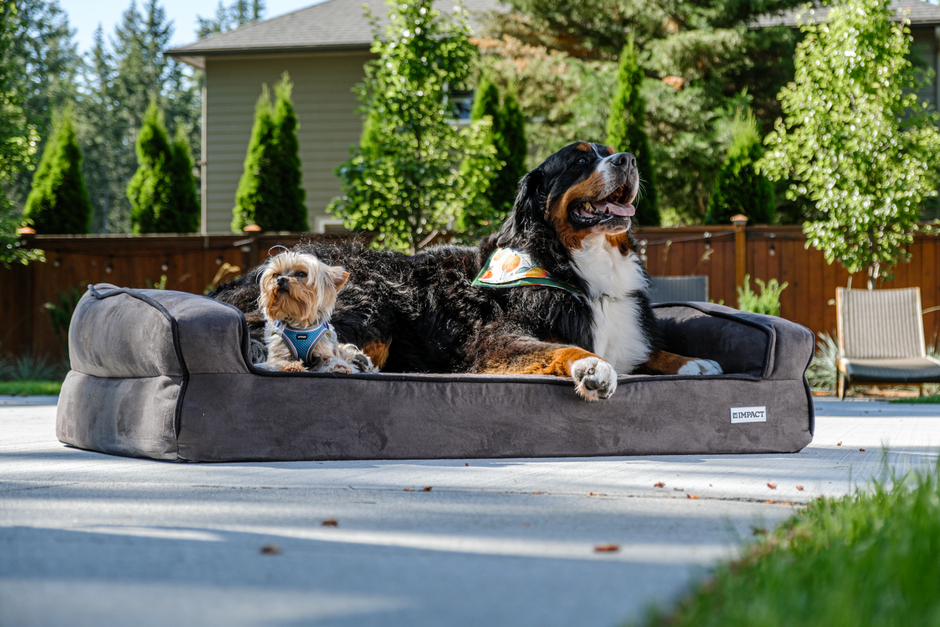
Microfiber stands out as the gold standard for pet-friendly furniture. Its tightly woven synthetic fibers repel moisture and resist staining better than natural fabrics. Microfiber doesn’t absorb liquids as readily, giving you time to blot spills before they set. The fabric also resists pet hair attachment compared to velvet or linen.
Top Pet-Friendly Fabric Options
- Microfiber: Tightly woven, stain-resistant, and highly durable for active households.
- Performance polyester: Laboratory-tested to resist stains, fading, and moisture absorption.
- Crypton fabric: Inherently stain and odor resistant without chemical treatments.
- Leather and faux leather: Smooth surfaces prevent hair embedding and wipe clean easily.
- Solution-dyed acrylic: Fiber color prevents visible staining and resists fading.
Natural fabrics like linen and cotton are beautiful but problematic for pet households. They absorb liquids quickly, trap odors, and allow hair to embed into fibers. If you prefer natural materials, opt for tightly woven options and apply professional protectants immediately after purchase.
Key Takeaway: Microfiber and performance fabrics offer the best combination of pet resistance, durability, and ease of cleaning.
What Protective Treatments Should You Apply to Furniture?
Professional fabric protectants create invisible barriers that repel stains and liquids. These treatments work by coating individual fibers, preventing moisture penetration while maintaining fabric breathability and appearance. Applied correctly, protectants significantly extend furniture life in pet-heavy households.
Scotchgard and similar products use fluorochemical technology to repel water and oil-based stains. When applied to new furniture or refreshed annually, these treatments provide reliable protection. Many manufacturers now offer eco-friendly alternatives using silicone-based formulas instead of traditional chemicals. Always check product compatibility with your specific upholstery material before application.
Application Methods and Timing
- Professional application: Furniture retailers apply treatments during manufacturing for optimal coverage.
- DIY spray application: Consumer-grade products available for home treatment of existing furniture.
- Reapplication schedule: Most treatments require reapplication every 12-24 months depending on usage.
- Dry cleaning: Professional cleaners can reapply protectants during annual deep cleaning.
Apply protectants to new furniture before pets have contact with it. For existing furniture, deep clean first, then treat. Test any product on hidden areas to ensure it doesn’t discolor or change fabric texture. Some treatments require 24-48 hours drying time before furniture use.
For a sustainable approach, consider chemical-free cleaning methods that complement eco-friendly protectants. This combination protects your furniture and your family’s health.
Key Takeaway: Professional fabric protectants create lasting barriers against stains when applied to new furniture or refreshed annually.
How Can You Maintain Pet Hygiene to Minimize Furniture Damage?
Prevention through pet grooming and training reduces furniture damage significantly. Regular brushing removes loose hair before it settles on upholstery. Bathing pets reduces odors and removes oils that transfer to fabrics. Training pets to use designated furniture areas concentrates protection efforts where needed most.
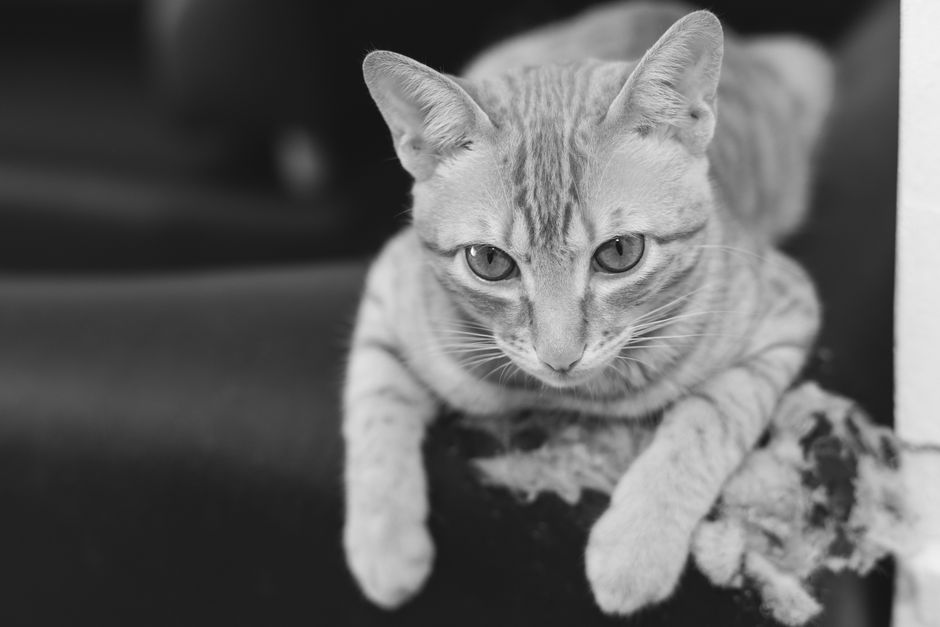
Establish consistent grooming routines tailored to your pet’s coat type. Long-haired dogs and cats benefit from daily brushing, while short-haired pets need weekly attention. Invest in quality grooming tools that remove undercoat effectively. Nail trimming prevents snags and pulls in delicate fabrics during normal pet movement.
Behavioral Training Strategies
- Designate pet furniture: Provide attractive alternatives like pet beds or blankets on the floor.
- Use deterrent sprays: Citrus or bitter-apple sprays discourage pets from certain furniture pieces.
- Reward positive behavior: Reinforce pets staying off protected furniture with treats and praise.
- Create physical barriers: Use baby gates or furniture arrangements to limit access during training.
Accidents happen with even well-trained pets. Address spills immediately by blotting (never rubbing) with clean, dry cloths. Absorb as much liquid as possible before applying cleaning solutions. Quick action prevents stains from setting and reduces odor absorption into cushion cores.
Key Takeaway: Regular grooming and behavioral training prevent most pet-related furniture damage before it occurs.
What Cleaning Strategies Keep Pet-Protected Furniture Fresh?
Consistent cleaning maintains both protection and hygiene in pet households. Different furniture types require specific cleaning approaches to avoid damaging protective treatments or underlying fabrics. Establish a cleaning schedule that addresses daily pet hair, weekly spot cleaning, and monthly deep cleaning.
Vacuum furniture weekly using upholstery attachments to remove loose hair and dander. Use lint rollers for quick daily touch-ups on high-contact areas. For spot cleaning, use pH-neutral cleaners specifically formulated for upholstered furniture. Avoid harsh chemicals that strip protective coatings or damage delicate fibers.
Cleaning Schedule by Frequency
- Daily: Remove visible pet hair with lint rollers and handheld vacuums.
- Weekly: Vacuum entire furniture surface with upholstery brush attachment.
- Monthly: Spot clean stains and treat high-traffic areas with appropriate cleaners.
- Quarterly: Deep clean with professional-grade upholstery cleaner or hire professionals.
- Annually: Professional cleaning and protectant reapplication for maximum longevity.
For specific furniture materials like stone tabletops, adapt cleaning methods accordingly. Some furniture combines upholstery with hard surfaces requiring different care approaches. Always consult manufacturer guidelines before applying any cleaning product.
Key Takeaway: Regular vacuuming, spot cleaning, and annual professional treatment maintain furniture protection and hygiene.
How Do You Handle Stubborn Pet Stains and Odors?
Stubborn stains and odors require targeted treatment strategies beyond routine cleaning. Enzymatic cleaners break down organic matter in pet accidents, addressing both visible stains and underlying odor sources. These cleaners work by releasing enzymes that digest proteins and organic compounds responsible for staining and smell.
For fresh stains, blot immediately with white cloths to absorb liquid. Apply enzymatic cleaner according to product instructions, allowing adequate dwell time. For set-in stains, repeat applications or professional cleaning becomes necessary. Baking soda sprinkled on damp areas and left overnight absorbs residual odors.
Advanced Odor Elimination Methods
- Enzymatic cleaners: Break down organic matter causing stains and odors at the molecular level.
- Baking soda: Neutralizes odors when sprinkled and left for 12-24 hours before vacuuming.
- Activated charcoal: Absorbs odors when placed near or under affected furniture.
- Professional ozone treatment: Eliminates stubborn odors through oxidation in sealed spaces.
- Vinegar solutions: Neutralize odors naturally (1 part vinegar to 3 parts water).
Never use ammonia-based cleaners on pet accidents—ammonia smells like urine to pets and may encourage repeat accidents. Hydrogen peroxide works well on light-colored fabrics but test on hidden areas first. For persistent problems, professional upholstery cleaning services have industrial-strength equipment and specialized treatments unavailable to consumers.
Key Takeaway: Enzymatic cleaners and immediate action prevent stubborn stains and odors from becoming permanent furniture problems.
What Budget-Friendly Protection Options Exist for Pet Owners?
Effective furniture protection doesn’t require expensive solutions. Strategic use of affordable products and preventative practices protects furniture without breaking budgets. Many budget options rival premium solutions in effectiveness when applied consistently and correctly.
Affordable throw blankets cost $15-40 and provide immediate protection for high-traffic areas. Washable slipcovers range from $50-150 depending on size and quality. DIY fabric protectant sprays cost $10-20 per bottle and cover large surface areas. Combining these affordable options creates comprehensive protection at a fraction of custom furniture replacement costs.
Cost-Effective Protection Strategies
- Thrift store blankets: Inexpensive throws from secondhand sources work perfectly for pet protection.
- Generic slipcovers: Budget brands offer decent protection without premium pricing.
- DIY protectant application: Consumer spray products cost less than professional treatments.
- Regular grooming at home: DIY brushing prevents costly professional grooming expenses.
- Preventative maintenance: Consistent cleaning prevents expensive deep cleaning or replacement.
Consider furniture placement as a free protection strategy. Position sofas away from windows where sunlight fades fabrics. Keep pets off upholstered furniture entirely by providing attractive floor-level alternatives. These behavioral and environmental approaches cost nothing but deliver significant protection benefits.
Key Takeaway: Affordable throws, budget slipcovers, and consistent preventative maintenance protect furniture without premium price tags.
Practical Tips: Step-by-Step Furniture Protection Plan
Implementing a comprehensive protection strategy requires organization and consistency. Follow these actionable steps to establish a pet-proof furniture protection system tailored to your household needs and budget.
Your Complete Protection Implementation Guide
- Assess your furniture: Evaluate which pieces need protection based on pet access and vulnerability.
- Choose appropriate covers: Select slipcovers for primary furniture and throws for secondary pieces or high-traffic areas.
- Select pet-friendly fabrics: If replacing furniture, prioritize microfiber or performance fabrics designed for active households.
- Apply protective treatments: Use fabric protectants on new furniture or existing pieces before pet contact.
- Establish grooming routines: Schedule regular brushing sessions appropriate for your pet’s coat type.
- Create cleaning schedules: Vacuum weekly, spot clean monthly, and arrange professional cleaning annually.
- Train behavioral boundaries: Teach pets designated furniture areas and reward positive behavior consistently.
- Stock cleaning supplies: Keep enzymatic cleaners, lint rollers, and upholstery vacuums readily available.
- Monitor and adjust: Track which protection methods work best and refine your approach based on results.
- Refresh treatments annually: Reapply fabric protectants and deep clean furniture each year to maintain protection.
This systematic approach ensures no furniture protection aspect gets overlooked. Start with your most vulnerable pieces and expand protection gradually. Document what works for your specific pets and furniture to guide future decisions.
Frequently Asked Questions
Can you remove pet hair from furniture permanently?
Pet hair can be minimized but never completely eliminated in multi-pet households. Regular grooming removes loose hair before it settles on furniture. Consistent vacuuming, lint rollers, and strategic covers manage visible hair effectively. Professional grooming services provide deeper coat management than home brushing alone. Choosing fabrics that repel hair attachment reduces visibility of remaining hair significantly.
What’s the best fabric protectant for pet households?
Microfiber-specific protectants and silicone-based treatments work best for pet furniture. Scotchgard remains industry-standard but eco-friendly alternatives offer comparable protection. Application method matters as much as product choice—professional application ensures complete coverage. Reapplication every 12-24 months maintains protection effectiveness. Test products on hidden areas before full application to verify compatibility.
How often should you replace furniture covers?
Quality slipcovers last 2-3 years with regular washing and proper care. Throws and blankets may need replacement annually depending on usage intensity. Check covers monthly for tears, seam separation, or elastic degradation. Replace covers when they no longer fit securely or provide adequate protection. Investing in quality covers extends replacement intervals and provides better overall protection.
Are leather sofas better for pet owners than fabric?
Leather and faux leather offer advantages for pet households—they resist hair embedding and wipe clean easily. However, leather scratches from sharp claws and requires specialized cleaning products. Faux leather provides similar benefits with lower maintenance requirements. Performance fabrics like microfiber often prove more practical than leather for active pet households due to durability and ease of care.
Can enzymatic cleaners damage furniture fabrics?
Enzymatic cleaners are generally safe for most upholstered furniture when used according to instructions. Always test on hidden areas first to verify compatibility. Avoid oversaturating fabrics—use minimal liquid and allow proper drying. Some delicate fabrics like silk or velvet require professional cleaning instead of DIY enzyme treatments. Follow manufacturer guidelines and product instructions carefully.
What’s the most effective way to prevent pet odors?
Immediate cleanup of accidents prevents odor absorption into cushion cores. Enzymatic cleaners address organic matter causing smells. Regular vacuuming removes dander and hair contributing to mustiness. Professional grooming reduces skin oil buildup on furniture. Activated charcoal or baking soda absorbs residual odors. Combining these approaches—prevention, immediate cleanup, and ongoing maintenance—eliminates pet odors most effectively.
How Can You Create a Comprehensive Pet-Proof Furniture Strategy for 2026?
Protecting furniture from pet damage requires commitment to a multi-faceted approach combining physical barriers, material selection, protective treatments, and consistent maintenance. The most successful pet owners implement protection strategies before damage occurs rather than attempting repairs afterward. In 2026, advanced fabric technologies and eco-friendly solutions make pet-proof furniture more accessible and sustainable than previous years.
Start by assessing your current furniture and identifying vulnerable pieces. Invest in quality slipcovers or throws for high-traffic areas. Choose pet-friendly fabrics when replacing furniture—microfiber and performance textiles deliver superior durability. Apply professional protectants to new purchases immediately. Establish grooming routines that remove loose hair before it embeds in upholstery. Maintain consistent cleaning schedules addressing daily hair removal, weekly vacuuming, and monthly spot cleaning.
Remember that furniture protection is ongoing maintenance, not a one-time fix. Regular grooming, consistent cleaning, and annual professional treatment preserve both furniture appearance and longevity. Budget-friendly options prove effective when combined strategically—expensive solutions aren’t always necessary. By implementing these evidence-based strategies, you’ll maintain attractive, hygienic furniture that withstands years of active pet ownership without costly replacements or professional restoration.
For related furniture care guidance, explore furniture protection during shipping and identifying sustainable furniture brands that prioritize durable, pet-friendly designs.




Write Your Review
No reviews yet. Be the first to share your experience!