

How Can You Assemble Furniture in Under 15 Minutes?
Assembling furniture quickly requires three core strategies: pre-planning your workspace, organizing all hardware before starting, and following a logical assembly sequence. Most furniture pieces take longer than necessary because people search for parts mid-assembly or skip the instruction manual. By investing five minutes upfront in preparation, you can cut total assembly time in half. Speed assembly is achievable for simple nightstands, shelves, and basic frames without sacrificing quality or stability.
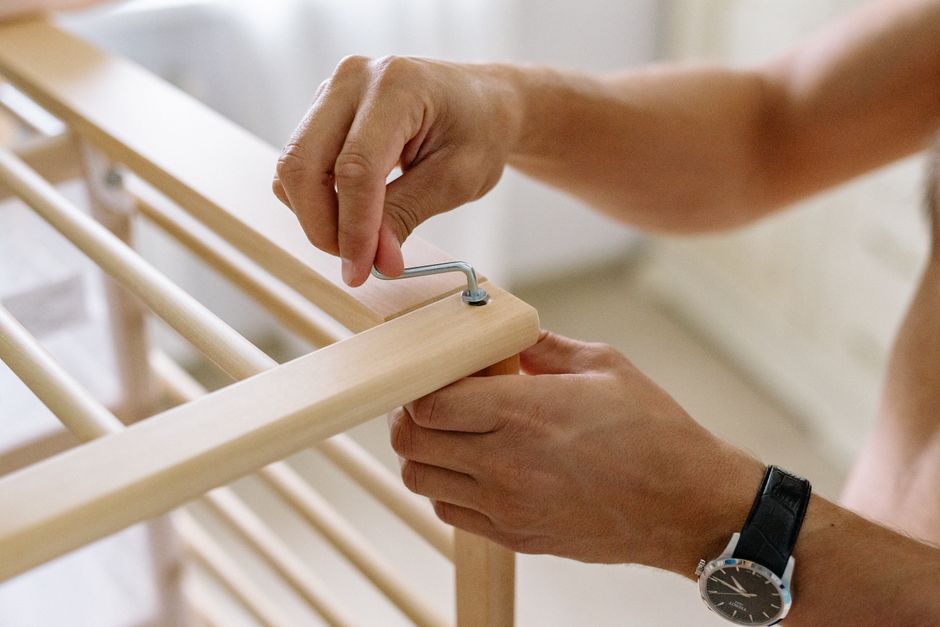
In June 2026, furniture manufacturers have optimized designs for faster assembly. Modern pieces feature pre-drilled holes, color-coded hardware, and simplified instructions with QR codes linking to video tutorials. Many retailers now offer assembly guides on their websites before purchase, allowing you to plan ahead. The fifteen-minute target is realistic for most flat-pack furniture under fifty pounds. Larger items like dressers or desks may require additional time but follow the same acceleration principles.
Key Takeaway: Pre-planning and hardware organization reduce assembly time by fifty percent or more.
What’s Your Pre-Assembly Preparation Strategy?
Preparation determines whether you finish in fifteen minutes or thirty. Start by reading the entire instruction manual before opening any parts. This mental rehearsal prevents surprises and helps you identify which tools you’ll need. Clear a large, flat workspace—a dining table or clean floor works best. Ensure adequate lighting so you can see small hardware clearly.
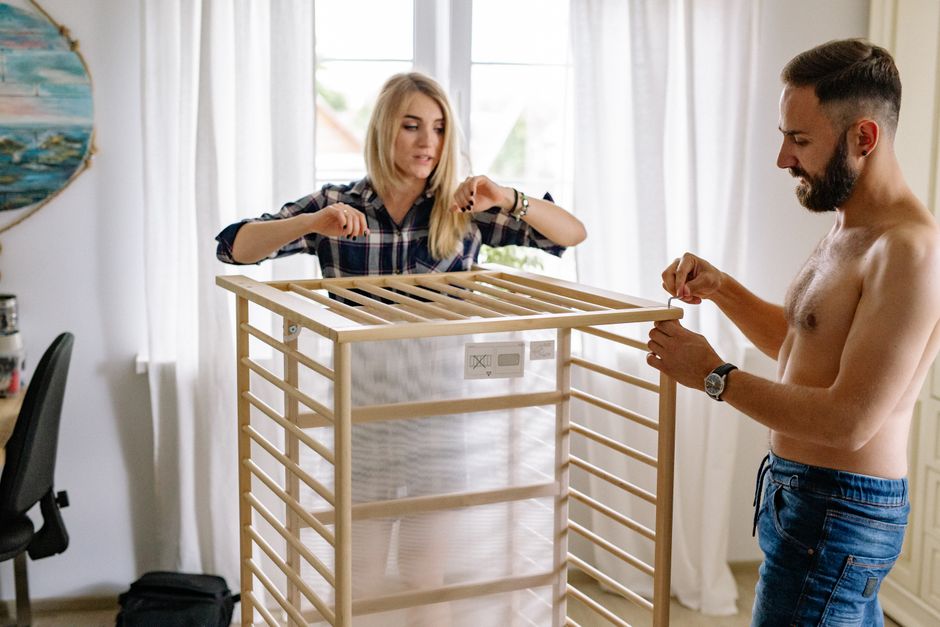
Next, inventory all parts and hardware immediately after opening the box. Lay them out in the order they appear in the instructions. Take a photo of your organized parts for reference. This simple step prevents the frustrating mid-assembly hunt for a missing screw or dowel.
Gather your tools before assembly starts:
- Cordless drill-driver with multiple bit sizes.
- Hex key set (Allen wrench set) in various sizes.
- Screwdriver set with both Phillips and flathead bits.
- Rubber mallet for gentle part alignment.
- Level for checking stability during assembly.
Having tools ready eliminates search time and keeps momentum strong. Many modern furniture pieces use standard hardware sizes, so a basic toolkit covers most projects. If instructions specify unusual tools, check before starting—some furniture includes specialized assembly tools in the box.
Key Takeaway: Five minutes of preparation saves ten minutes of assembly time.
How Do You Organize Hardware for Speed Assembly?
Hardware organization is the single biggest time-saver for fast furniture assembly. Dumping all screws, bolts, and dowels into one pile guarantees frustration. Instead, use small containers—egg cartons, cupcake liners, or shallow bowls—to separate each hardware type. Label containers with their sizes or assembly steps using masking tape and a marker.
Sort hardware by assembly stage. Group all parts needed for step one in one container, step two in another. This sequential organization means you never search for missing pieces. As you complete each step, move to the next pre-organized container. The visual system keeps you focused and prevents assembly mistakes.
Hardware Organization Best Practices
Photograph each hardware type before assembly begins. This reference image helps if you misplace a container or forget which bolt goes where. Many people find that taking a quick phone photo of the organized hardware layout provides invaluable insurance against confusion.
Hardware organization tips for rapid assembly:
- Use a muffin tin or divided tray for maximum visibility.
- Keep instruction manual visible next to your workspace.
- Place the largest, most important pieces first in your organization system.
- Double-check bolt sizes match the instruction diagram exactly.
- Keep fasteners for later steps in a separate sealed container.
Key Takeaway: Organized hardware cuts assembly time by thirty to forty percent.
What Assembly Sequence Saves the Most Time?
Following the manufacturer’s instruction sequence isn’t always the fastest method. Smart assemblers identify which steps can be performed simultaneously or in different orders. For example, attaching all legs before adding shelves often takes less time than alternating between legs and shelves. Read through the entire manual first to spot opportunities for parallel assembly.
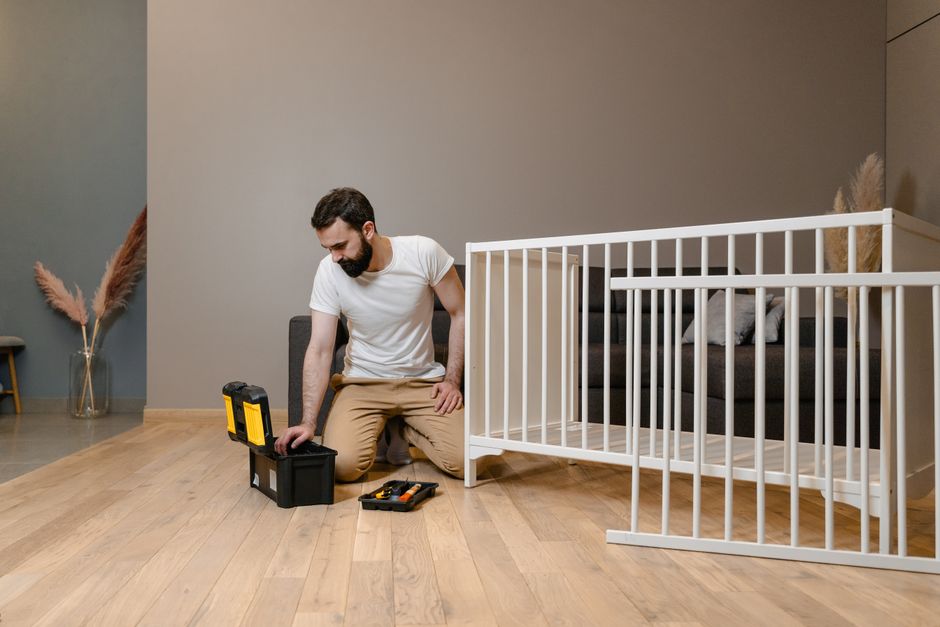
The optimal sequence depends on furniture design. For shelving units, attach the frame first, then add fixed shelves, then adjustable shelves. For drawer units, assemble drawer boxes separately while the main frame dries or sets. This parallel approach means you’re never waiting for adhesive or fasteners to set.
Identifying Time-Saving Assembly Sequences
Modern flat-pack furniture often includes pre-assembled subassemblies—drawers that arrive partially built or frame sections that need only connection. Recognize these components and don’t disassemble them further. Manufacturers designed them this way to save assembly time. Respecting their engineering saves you fifteen minutes or more.
Sequence optimization strategies:
- Assemble subcomponents (drawers, shelves) separately from the main frame.
- Apply adhesive to multiple joints before clamping them together.
- Use a cordless drill to pre-drill holes and drive all screws in one pass.
- Install hardware (handles, feet) after the main structure is complete.
- Test stability before finishing touches like backing panels.
Timing each sub-task helps you understand where bottlenecks occur. Most people spend disproportionate time on final adjustments and hardware installation. Prioritize structural assembly first, then refine details.
Key Takeaway: Strategic sequencing reduces assembly time by twenty-five percent.
Which Tools Accelerate Furniture Assembly?
Tool selection directly impacts assembly speed. A cordless drill-driver is non-negotiable for fast furniture assembly. Manual screwdrivers are slow and tire your hand. A quality cordless drill with variable speed and multiple bit sizes cuts screw-driving time by seventy percent. Invest in a reputable brand with good battery life—you’ll use it repeatedly for furniture projects.
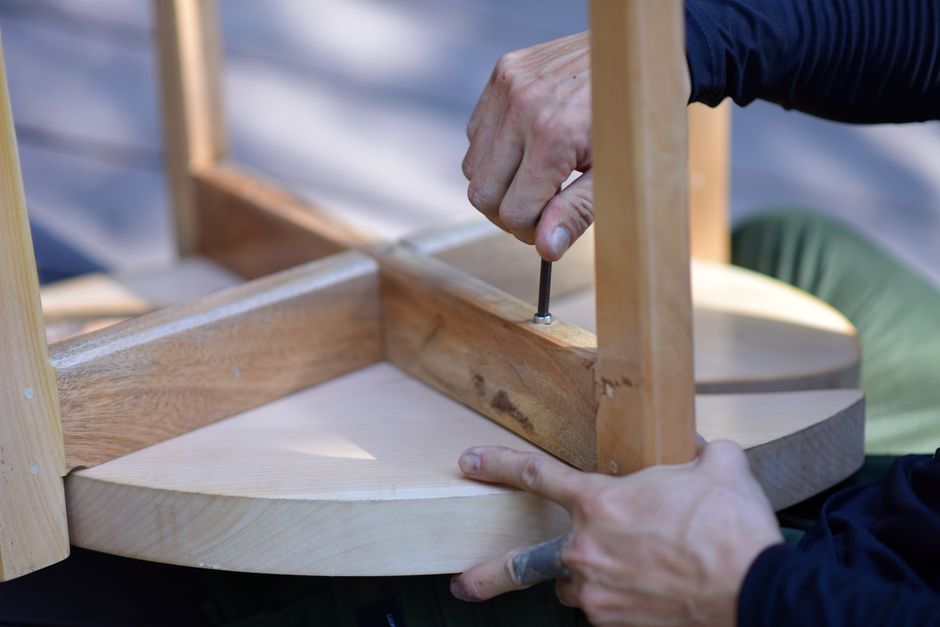
Hex keys (Allen wrenches) are common in modern furniture. A full set costs under twenty dollars and handles most bolt sizes. Keep a magnetic hex key holder nearby so you don’t lose small keys mid-assembly. Some people prefer adjustable wrench sets that accommodate multiple sizes with one tool, though individual keys provide better grip and speed.
Essential Tools for Fifteen-Minute Assembly
Beyond basic fastening tools, a few specialized items dramatically improve speed. A rubber mallet helps align parts without damaging surfaces. A level ensures stability without multiple test adjustments. A clamp holds pieces in position while you secure fasteners, eliminating the need for a second person.
Tool recommendations for rapid assembly:
- Cordless drill-driver with 18V minimum power output.
- Full hex key set with magnetic holder for quick access.
- Combination screwdriver with interchangeable bits.
- Small rubber mallet for gentle alignment without damage.
- Torpedo level for checking stability during assembly.
- C-clamp or bar clamp for holding parts steady.
Quality tools reduce frustration and prevent assembly errors that require time-consuming corrections. Cheap tools slip, strip fasteners, and waste time. Invest in mid-range tools that last for years of furniture projects. A good cordless drill pays for itself after assembling three or four furniture pieces.
Key Takeaway: Proper tools reduce assembly time by thirty to forty percent and prevent costly mistakes.
How Do You Avoid Common Assembly Mistakes That Cost Time?
Most assembly delays stem from preventable mistakes: installing parts backward, using wrong fasteners, or misaligning components. Reading instructions thoroughly prevents ninety percent of these errors. Many people skip this step, assuming they can figure it out. This assumption costs time when parts don’t fit or alignment is wrong.
Color-coded hardware and parts are manufacturer guides—follow them exactly. If instructions show a blue bolt for step three, don’t substitute a silver one that looks similar. Hardware differences affect stability and appearance. Mistakes here require disassembly and correction, doubling your assembly time.
Common Mistakes That Slow Assembly
Tightening fasteners too early is another common error. Many assemblers tighten every screw immediately after installation. This can misalign parts and make adjustments difficult. Instead, hand-tighten all fasteners first, then verify alignment, then fully tighten. This two-step approach prevents rework and maintains proper alignment.
Mistakes that extend assembly time:
- Installing parts backward or upside-down (requires disassembly).
- Using incorrect fastener sizes that don’t fit or strip holes.
- Tightening fasteners before verifying alignment and fit.
- Skipping the instruction manual and guessing assembly order.
- Forgetting to remove protective plastic from finished surfaces.
- Over-tightening fasteners and stripping screw holes.
Dry-fitting components before final tightening prevents costly mistakes. This means assembling parts loosely first to verify they fit correctly, then tightening everything. It takes two extra minutes but saves fifteen minutes of potential rework. Many professional furniture assemblers use this method exclusively.
Key Takeaway: Avoiding common mistakes through careful planning eliminates rework and delays.
What Practical Tips Speed Up Furniture Assembly?
Practical speed techniques compound to dramatically reduce total assembly time. These actionable strategies come from professional furniture assemblers and experienced DIY enthusiasts. Implementing even half of these tips cuts assembly time significantly.
Step-by-Step Speed Assembly Process
Follow this proven sequence for fastest assembly:
- Minute 0-2: Read entire instruction manual and identify your tools.
- Minute 2-4: Inventory all parts and organize hardware by assembly stage.
- Minute 4-6: Prepare workspace with adequate lighting and clear surface area.
- Minute 6-10: Assemble main frame structure and subcomponents in parallel.
- Minute 10-13: Install shelves, drawers, and internal components.
- Minute 13-15: Add hardware, feet, and finishing touches.
Advanced Speed Techniques
Professional assemblers use several advanced techniques worth adopting. Pre-drilling holes prevents fastener slippage and speeds up screw installation. Using a magnetic bit holder keeps hex keys organized and accessible. Setting up an assembly line for multiple pieces dramatically improves efficiency per unit.
Advanced speed tips for experienced assemblers:
- Pre-drill all holes before final fastener installation.
- Use a magnetic parts tray to prevent losing small hardware.
- Apply wood glue strategically to reinforce critical joints.
- Use a power drill with torque settings to prevent over-tightening.
- Work with a second person for large pieces (they guide alignment while you fasten).
- Keep a checklist to verify each step completion.
Lighting matters more than most people realize. Poor lighting causes mistakes and slows fastener installation. Position a work light directly on your assembly area. This simple adjustment prevents eye strain and helps you spot misalignments immediately. If you’re assembling in the evening, adequate lighting becomes even more critical.
Key Takeaway: Systematic approach with proper tools and techniques consistently delivers fifteen-minute assembly results.
How Does Furniture Design Impact Assembly Speed in 2026?
Modern furniture design in 2026 prioritizes assembly speed. Manufacturers now use cam locks, dowel joints, and pre-assembled subassemblies to reduce assembly time. Understanding these design features helps you work with the furniture rather than against it. Some pieces are specifically engineered for fifteen-minute assembly—check product descriptions for assembly time estimates.
Modular furniture designs allow parallel assembly of multiple components. You can build one section while another section’s adhesive sets. This approach works especially well for shelving units and storage systems. Recognizing modular sections in your furniture design lets you optimize your assembly sequence.
Modern Assembly-Friendly Design Features
Contemporary furniture includes several features that accelerate assembly. Pre-drilled holes eliminate the need for drilling. Color-coded hardware makes identification instant. Numbered parts correspond to instruction steps directly. QR codes link to video tutorials showing proper assembly techniques. These features reflect manufacturers’ recognition that fast, error-free assembly improves customer satisfaction.
Design features that speed assembly:
- Pre-drilled holes requiring no additional drilling.
- Color-coded hardware matching instruction diagrams exactly.
- Numbered parts corresponding to instruction steps.
- Pre-assembled subcomponents (drawers, shelves) requiring only connection.
- Dowel joints with alignment guides for precise fitting.
- Cam locks that tighten with a simple quarter-turn.
If you’re choosing furniture for quick assembly, look for these design features in product descriptions. Some retailers now advertise assembly time estimates on product pages. Use this information to select furniture matching your time availability. A piece designed for fifteen-minute assembly will consistently deliver that result with proper preparation.
Key Takeaway: Modern furniture design in 2026 actively supports rapid assembly through thoughtful engineering.
Frequently Asked Questions
Can you really assemble most furniture in 15 minutes?
Yes, most flat-pack furniture under fifty pounds can be assembled in fifteen minutes with proper preparation. This requires reading instructions first, organizing hardware, and using appropriate tools. Larger pieces like dressers or desks typically need twenty to thirty minutes. The fifteen-minute timeframe is realistic for nightstands, shelves, small tables, and basic frames when you follow systematic preparation steps.
What’s the most important preparation step?
Reading the complete instruction manual before starting is the single most important step. This prevents assembly mistakes and helps you identify necessary tools upfront. Inventory all parts immediately after opening the box and organize hardware by assembly stage. These three steps combined reduce total assembly time by fifty percent and prevent costly errors requiring disassembly and rework.
Do I need a cordless drill for fast assembly?
A cordless drill dramatically speeds up screw installation and is highly recommended for rapid assembly. Manual screwdrivers take three to four times longer and cause hand fatigue. A quality 18V cordless drill costs fifty to one hundred fifty dollars and pays for itself after assembling a few furniture pieces. It’s the single best tool investment for furniture assembly.
What should I do if a part doesn’t fit?
Stop immediately and review the instruction diagram for that step. Verify you’re using the correct part and correct fasteners. Check that adjacent parts are properly aligned before forcing anything. If parts still don’t fit, check the instruction manual’s troubleshooting section or contact the manufacturer. Never force parts—this damages furniture and creates safety issues.
Is it better to tighten fasteners immediately or wait?
Hand-tighten all fasteners first to verify alignment, then fully tighten everything. This two-step approach prevents misalignment and allows adjustments before permanent fastening. It takes two extra minutes but prevents rework and ensures proper alignment. Over-tightening immediately can strip screw holes and misalign parts, requiring time-consuming corrections.
Can two people assemble furniture faster than one?
Two people can assemble some furniture faster, particularly large pieces requiring alignment of multiple components simultaneously. One person guides parts into position while the other fastens them. However, for small pieces, a second person often creates confusion rather than efficiency. For fifteen-minute assembly targets, one organized person typically works faster than two uncoordinated people.
How Should You Finish Furniture Assembly and Verify Stability?
Assembly completion involves more than tightening the final fastener. Verify structural stability before considering the project finished. Check all joints for tightness, ensuring no wobbling or movement. Place the assembled piece on a level surface and test stability by gently applying pressure to different sections. This verification takes two minutes but prevents safety issues and customer dissatisfaction.
Install all protective elements before final inspection. Attach backing panels, install felt pads on feet, and remove protective plastic from surfaces. These finishing touches prevent damage during use and improve appearance. Many people forget these steps, resulting in scratched floors or damaged finishes. Building them into your assembly timeline ensures complete, professional results.
Final Inspection Checklist
Use this checklist to verify complete, stable assembly:
- All fasteners tightened securely with no visible gaps.
- No wobbling or movement when gentle pressure is applied.
- Drawers slide smoothly without binding or misalignment.
- Shelves are level and support weight without sagging.
- All protective plastic and packaging removed from surfaces.
- Feet or pads installed and furniture sits level on floor.
- Hardware (handles, knobs) installed and functioning properly.
Take a final photo of the completed assembly for your records. This documentation proves proper assembly if issues arise later. If you notice any problems during inspection, address them immediately while you still have tools and hardware organized. Fixing issues after cleanup is frustrating and time-consuming.
Key Takeaway: Final inspection and verification ensure safe, stable furniture that performs as intended.
Can You Assemble Furniture in Under 15 Minutes Consistently?
Consistent fifteen-minute assembly requires systematic approach and proper preparation. The techniques outlined in this guide work for any furniture piece designed for rapid assembly. As you complete more projects, you’ll develop speed and confidence. Your second shelving unit will assemble faster than your first because you’ve internalized the process.
Success depends on three factors: choosing furniture designed for fast assembly, preparing thoroughly before starting, and using appropriate tools. Skipping any factor extends assembly time significantly. Modern furniture manufacturers understand that customers value quick assembly, so many pieces now feature assembly-friendly design. Check product descriptions for assembly time estimates before purchasing.
Building a personal toolkit of quality assembly tools eliminates delays and prevents mistakes. A cordless drill, hex key set, and screwdriver set cost under two hundred dollars and last for years. These tools pay for themselves after assembling just a few pieces. With proper tools and systematic approach, you’ll consistently achieve fifteen-minute assembly results for most furniture pieces.
Key Takeaway: Systematic preparation, appropriate tools, and modern furniture design make fifteen-minute assembly consistently achievable.









Write Your Review
No reviews yet. Be the first to share your experience!