

What Is a Biophilic Bathroom and Why Should You Create One?
A biophilic bathroom integrates natural elements—especially living plants—to create a calming, restorative space that reduces stress and improves wellness. Biophilic design taps into our innate connection with nature, bringing greenery, natural light, and organic textures into one of the most private rooms in your home. In 2026, homeowners increasingly recognize bathrooms as wellness sanctuaries rather than purely functional spaces. Adding plants to your bathroom transforms it into a spa-like retreat that promotes relaxation, purifies air, and enhances visual appeal. This design trend aligns perfectly with the growing focus on mental health and holistic home design, making your bathroom a restorative oasis you’ll want to spend time in.
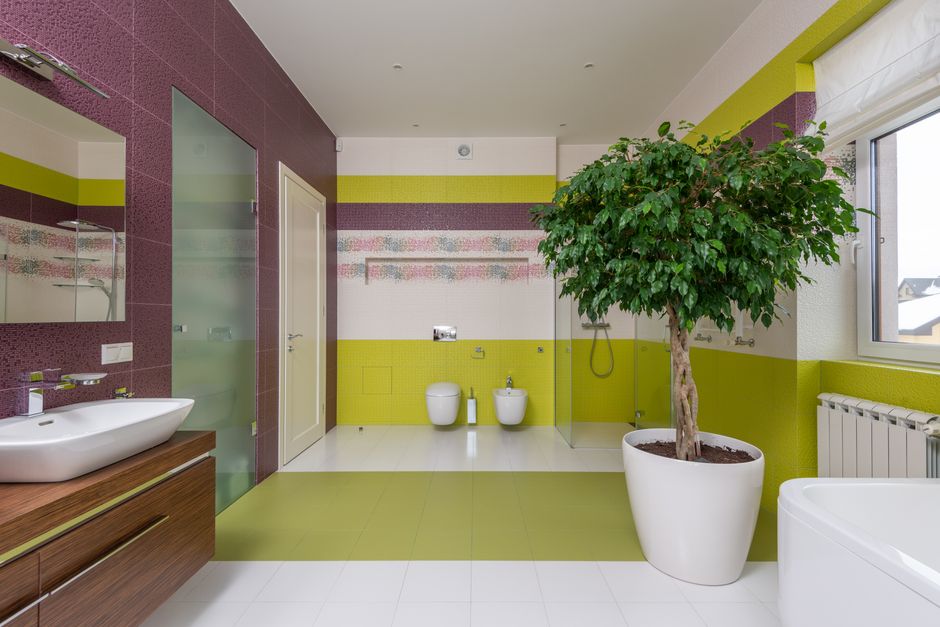
The benefits extend beyond aesthetics. Plants naturally increase humidity, improve air quality, and create a soothing atmosphere that supports better sleep and reduced anxiety. A biophilic bathroom becomes a personal wellness retreat.
Key Takeaway: Biophilic bathrooms combine plants and natural elements to create stress-reducing, air-purifying wellness spaces that enhance both mental health and home value.
Which Plants Thrive Best in Bathroom Humidity and Light Conditions?
Bathroom environments present unique challenges: variable humidity, limited natural light, and temperature fluctuations. Successful biophilic bathrooms rely on plants adapted to these conditions. The most resilient bathroom plants tolerate low to moderate indirect light and prefer moist environments. Ferns, pothos, and philodendrons excel in bathrooms because they naturally grow on forest floors where humidity is high and sunlight is filtered. Moisture-loving species also reduce your watering schedule, making them practical for busy homeowners. In June 2026, plant nurseries stock increasingly diverse bathroom-friendly varieties bred specifically for indoor conditions. Choosing the right species ensures your plants thrive rather than languish, creating a genuinely lush biophilic space.
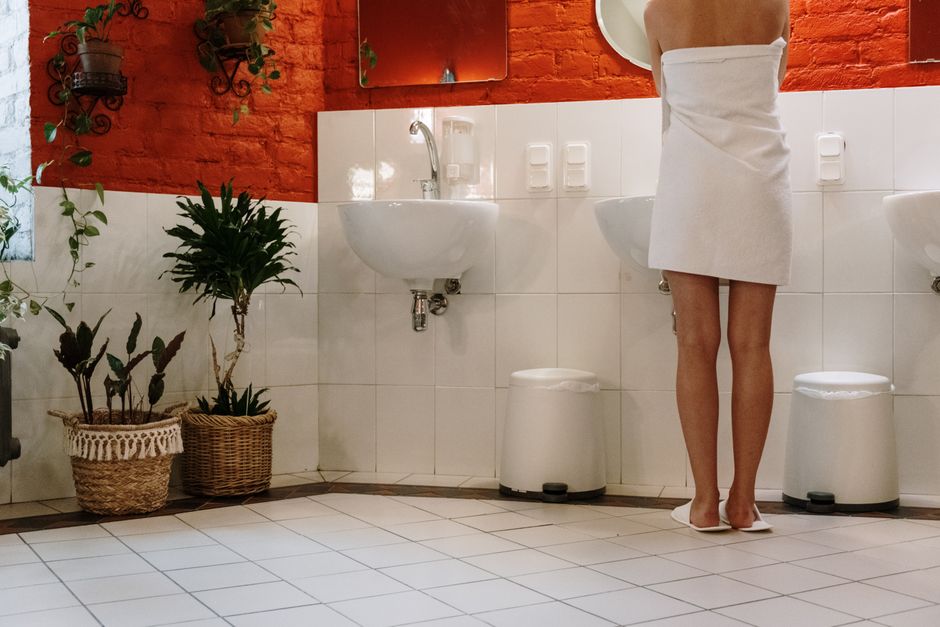
Light availability varies significantly between bathrooms. North-facing bathrooms receive minimal direct light, while those with frosted skylights or south-facing windows get brighter conditions. Select plants accordingly.
Best Low-Light Plants for Bathrooms
- Ferns (Boston fern, maidenhair fern): thrive in humidity and shade.
- Pothos: nearly indestructible, tolerates low light excellently.
- Philodendron: adapts to various light levels, purifies air effectively.
- Snake plant: survives neglect, tolerates low light surprisingly well.
- ZZ plant: glossy leaves add elegance, handles dim bathrooms.
Medium to Bright Light Plants
- Monstera deliciosa: dramatic foliage, needs bright indirect light.
- Calathea: colorful patterned leaves, prefers filtered light.
- Bamboo palm: tropical feel, adds height and visual interest.
- Dracaena: varied species suit different light conditions.
Combine multiple plant types to create visual depth and ensure coverage across different light zones in your bathroom. Layering plants at various heights makes the space feel more naturally integrated.
Key Takeaway: Choose moisture-loving, shade-tolerant plants like ferns and pothos that naturally thrive in bathroom humidity and variable light.
How Should You Position and Arrange Plants in Your Biophilic Bathroom?
Strategic plant placement maximizes visual impact while working with your bathroom’s existing layout and light patterns. The goal is creating a cohesive biophilic environment that feels intentional rather than cluttered. Vertical placement—using wall-mounted planters, shelving, and hanging baskets—draws the eye upward and makes small bathrooms feel larger. Corner placements soften hard angles and create cozy nooks. Grouping plants of varying heights creates a natural, forest-like composition that’s more visually appealing than scattered individual specimens. In 2026, modular planter systems and wall-mounted plant systems make installation easier than ever. Consider sightlines: position your most attractive plants where you see them while bathing or using the sink. This intentional arrangement transforms your bathroom into a curated botanical display.
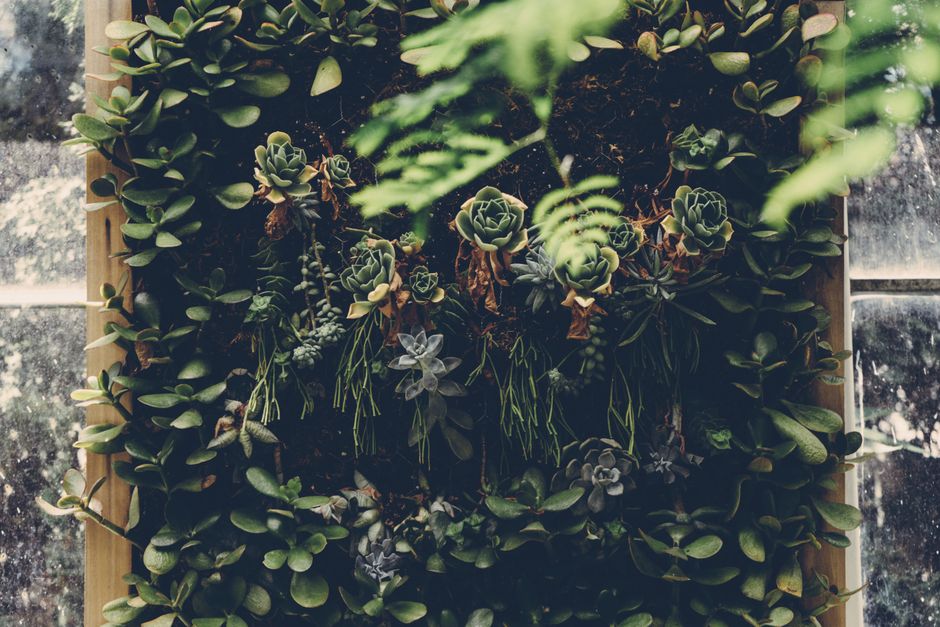
Vertical and Wall-Based Placement
- Install floating shelves above the toilet: perfect for trailing pothos or hanging ferns.
- Use wall-mounted planters on blank wall space near the shower.
- Hang macramé plant hangers from ceiling hooks for trailing varieties.
- Mount a living wall system for a dramatic, high-impact focal point.
Counter and Floor-Level Placement
- Place larger potted plants in corners to frame the space naturally.
- Group smaller plants on bathroom counters near windows for visual interest.
- Use tiered plant stands to create height variation on limited counter space.
- Position trailing plants on high shelves so vines cascade naturally.
Avoid blocking windows or creating obstacles in high-traffic areas. Safety and functionality must accompany aesthetics in bathroom design.
Key Takeaway: Use vertical placement, grouping, and tiered arrangements to create a lush biophilic bathroom that maximizes visual impact in limited space.
What Humidity and Watering Strategies Keep Bathroom Plants Healthy?
Bathrooms naturally provide humidity from showers and baths, which benefits most plants but requires careful water management. Overwatering remains the leading cause of houseplant death, even in humid environments. Bathroom moisture creates a paradox: high ambient humidity reduces the frequency plants need watering, yet poor drainage and standing water cause root rot. The key is understanding your specific plants’ needs and monitoring soil moisture rather than following rigid schedules. Most bathroom plants prefer consistently moist (not waterlogged) soil. In June 2026, smart watering systems and moisture sensors help homeowners optimize hydration. Ensure pots have drainage holes and use well-draining potting soil. Proper ventilation prevents stagnant, mold-prone conditions that harm both plants and bathroom air quality.
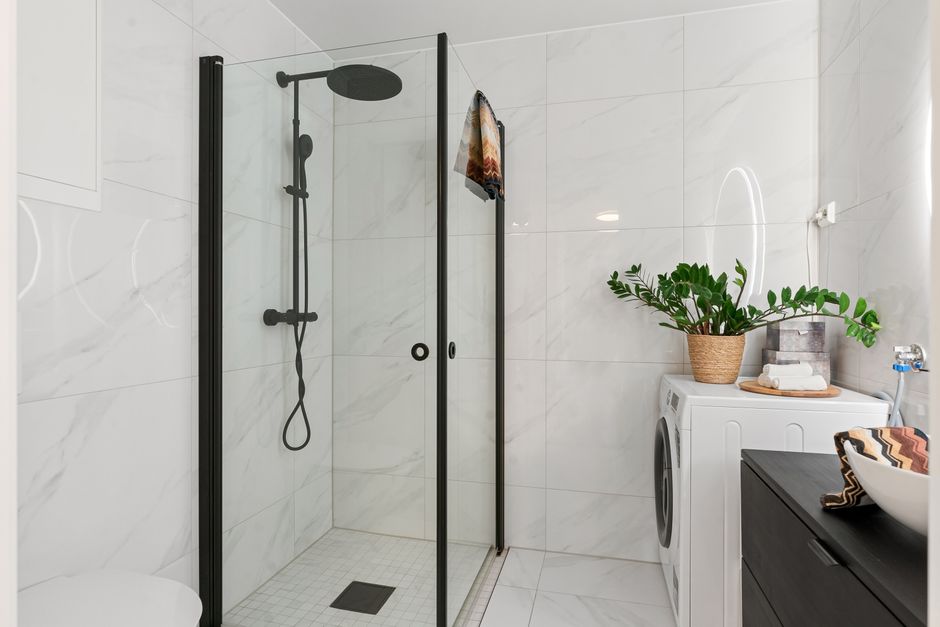
Optimal Watering Practices
- Check soil moisture weekly by inserting your finger one inch deep.
- Water when the top inch feels dry; most bathroom plants prefer this schedule.
- Use room-temperature water to avoid shocking plant roots.
- Water at the soil level, not foliage, to prevent fungal issues.
- Empty drainage trays after 30 minutes to prevent root rot.
Managing Humidity Levels
Bathrooms with excellent ventilation may need supplemental humidity despite high moisture levels. Use a hygrometer to monitor humidity—most tropical plants prefer 50-80 percent humidity. Run exhaust fans during and 30 minutes after showers to prevent mold while maintaining plant-friendly moisture. Grouping plants together increases localized humidity through transpiration. Misting foliage occasionally (especially for ferns and calatheas) mimics natural rainfall. Pebble trays filled with water under pots create microhabitats with elevated humidity. Balance moisture with air circulation to create ideal growing conditions.
Key Takeaway: Monitor soil moisture carefully, ensure proper drainage, and use bathroom humidity strategically to keep plants thriving while preventing mold and root rot.
How Can You Integrate Natural Materials and Biophilic Design Elements Beyond Plants?
True biophilic bathroom design extends beyond plants to include natural materials, textures, and design principles that reinforce your connection to nature. Wood elements—shelving, vanities, or accent walls—bring warmth and organic beauty. Stone, natural fiber rugs, and clay-based tiles ground the space in earthy aesthetics. Natural light, whether from windows or skylights, is crucial; consider frosted or textured glass that maintains privacy while diffusing daylight. Water features—a small tabletop fountain or water-wall installation—add sensory richness and white noise that masks urban sounds. Organic patterns in wallpaper, tile, or textiles echo natural forms. Color palettes inspired by nature—soft greens, warm browns, cool blues—create psychological calm. In 2026, sustainable and eco-friendly bathroom materials increasingly align with biophilic principles. Combining plants with these complementary elements creates an immersive, cohesive biophilic environment that feels like a personal wellness sanctuary.
Natural Material Integration
- Install wooden shelving or floating vanities for organic warmth.
- Use natural stone tiles (slate, limestone) for visual texture and durability.
- Add cork or natural fiber bath mats for tactile comfort.
- Choose wooden mirrors or frames to frame plants and focal points.
- Incorporate stone accent walls or pebble-finish tiles.
Lighting and Sensory Elements
Natural light is irreplaceable in biophilic design, but bathrooms often lack windows. Maximize existing light with frosted glass or skylights that provide brightness without sacrificing privacy. If natural light is limited, warm LED lighting (2700K color temperature) mimics sunlight and supports circadian rhythms. Layered lighting—ambient overhead lights, task lighting at the mirror, and accent lighting highlighting plants—creates depth and visual interest. Consider adding a small water feature or tabletop fountain to introduce moving water and gentle sound. These sensory elements combine with plants to create a multisensory biophilic experience that engages all your senses during bathroom time.
Key Takeaway: Layer natural materials, optimize lighting, and add sensory elements like water features to create a complete biophilic bathroom experience that extends beyond plants.
What Are Practical Steps to Design and Implement Your Biophilic Bathroom?
Creating a biophilic bathroom requires planning, but the process is straightforward and adaptable to any budget or existing layout. Start by assessing your bathroom’s light conditions, humidity levels, and available space. Take photos from multiple angles and note where natural light enters. Measure wall space, shelving, and counter areas to determine how many plants you can accommodate. Research plant options suited to your specific conditions. Create a design mood board using Pinterest, Instagram, or design apps that combine plants, materials, and color palettes you love. Sketch a rough layout showing plant placement, shelving additions, and material changes. Start with a few statement plants and expand gradually as you develop your vision. Budget for quality potting soil, drainage materials, and appropriate containers alongside plants. In June 2026, many plant nurseries offer design consultations; consider this investment for complex layouts.
Step-by-Step Implementation Process
- Step 1: Assess light, humidity, and available space in your bathroom.
- Step 2: Research and select plants suited to your specific conditions.
- Step 3: Create a design mood board and sketch a layout plan.
- Step 4: Install any new shelving, planters, or wall-mounted systems.
- Step 5: Arrange plants, starting with larger statement pieces first.
- Step 6: Add natural materials, adjust lighting, and incorporate sensory elements.
- Step 7: Establish a maintenance routine for watering and plant care.
- Step 8: Evaluate and adjust—move plants, add species, or refine placement as needed.
Budget Considerations
Biophilic bathrooms accommodate various budgets. Begin with inexpensive, hardy plants like pothos (often under $10) and propagate them to fill space economically. DIY shelving from reclaimed wood costs less than custom installations. Thrifted or repurposed containers add character while reducing expenses. Prioritize spending on plants and soil quality over expensive decorative elements. Gradually invest in statement plants or living wall systems as your budget allows. In 2026, many plant subscription services deliver bathroom-suitable plants monthly, spreading costs over time. Even modest biophilic updates—adding one large plant, a wooden shelf, and some natural fiber textiles—significantly improve bathroom wellness and aesthetics.
Key Takeaway: Plan systematically by assessing your space, researching plants, sketching layouts, and implementing gradually to create a personalized biophilic bathroom within your budget.
How Does a Biophilic Bathroom Connect to Broader Home Wellness Design?
Your biophilic bathroom doesn’t exist in isolation—it’s part of a holistic home wellness ecosystem. Similar principles apply throughout your living space, from creating a healing sanctuary at home to designing biophilic offices and kitchens. The bathroom, however, serves a unique role as a daily ritual space where you begin and end your day. A plant-filled, nature-inspired bathroom sets a wellness tone that influences your entire day. Many homeowners extend biophilic design to other rooms: styling a biophilic kitchen with herbs creates a connected wellness narrative. Research shows that consistent exposure to natural elements reduces cortisol (stress hormone) and improves overall mental health. Your biophilic bathroom becomes a personal wellness anchor, reminding you daily of nature’s restorative power. Consider how bathroom design complements your bedroom, living spaces, and work areas to create a cohesive, nature-integrated home environment.
Key Takeaway: A biophilic bathroom integrates into broader home wellness design, creating a daily ritual space that supports mental health and connects you to nature throughout your home.
What Common Mistakes Should You Avoid When Styling a Biophilic Bathroom?
Even well-intentioned biophilic bathroom projects can falter when common pitfalls aren’t anticipated. Overcrowding is the most frequent mistake—jamming too many plants into limited space creates visual chaos rather than calm. Plants need breathing room and individual visibility to contribute to biophilic impact. Choosing plants unsuited to your bathroom’s light and humidity conditions leads to decline and frustration. Ignoring drainage and waterproofing around plants causes water damage and mold growth that undermines the entire wellness concept. Poor ventilation combined with high moisture creates stagnant, unhealthy air despite plant presence. Many people neglect maintenance planning, acquiring plants they can’t realistically care for. Mixing incompatible design styles—adding plants to a minimalist bathroom without adjusting the overall aesthetic—creates visual discord. In 2026, the solution is thoughtful planning: assess conditions honestly, select appropriate plants, and design with intention rather than impulse.
Key Mistakes to Avoid
- Overcrowding: too many plants create visual chaos instead of calm.
- Wrong plant selection: choosing plants unsuited to your light and humidity.
- Inadequate drainage: water damage and mold result from poor setup.
- Poor ventilation: stagnant air undermines biophilic benefits.
- Unrealistic maintenance: acquiring plants you can’t care for.
- Clashing aesthetics: plants that don’t harmonize with existing design.
- Ignoring safety: plants blocking exits or creating obstacles.
Thoughtful assessment prevents these pitfalls and ensures your biophilic bathroom becomes a genuine wellness asset rather than a maintenance burden.
Key Takeaway: Avoid overcrowding, select appropriate plants, ensure proper drainage and ventilation, and plan realistic maintenance to create a successful biophilic bathroom.
How Should You Maintain Your Biophilic Bathroom Long-Term?
Long-term success with a biophilic bathroom requires establishing sustainable maintenance routines that keep plants healthy and your space beautiful. Create a simple care calendar noting each plant’s watering needs, fertilizing schedule, and seasonal adjustments. Most bathroom plants need watering weekly or every 10 days, but always check soil moisture first. Fertilize during growing seasons (spring and summer) using diluted liquid fertilizer every 2-4 weeks. Dust plant leaves monthly to maintain their air-purifying capacity and visual appeal. Prune dead leaves and stems promptly to encourage healthy growth and prevent pest issues. Repot plants annually or when roots emerge from drainage holes. Monitor for common bathroom pests like fungus gnats by maintaining proper drainage and air circulation. Rotate plant positions seasonally to ensure even growth and light exposure. In June 2026, smartphone apps and smart watering systems help track plant care effortlessly. Establish these routines early so plant maintenance becomes a mindful, manageable ritual rather than a chore.
Monthly and Seasonal Maintenance Tasks
- Weekly: Check soil moisture and water as needed.
- Monthly: Dust leaves, inspect for pests, prune dead growth.
- Quarterly: Fertilize during growing seasons, rotate plant positions.
- Annually: Repot plants, assess overall design, refresh potting soil.
- Seasonally: Adjust watering frequency and light exposure based on weather changes.
Consistent, mindful maintenance transforms plant care from obligation into a calming ritual that deepens your connection to your biophilic bathroom. Small, regular efforts prevent major problems and keep your space thriving year-round.
Key Takeaway: Establish simple maintenance routines—weekly watering, monthly dusting, seasonal adjustments—to keep your biophilic bathroom healthy and beautiful long-term.
Can You Create a Biophilic Bathroom on a Budget?
Absolutely. Biophilic bathroom design doesn’t require expensive renovations or rare plants. Budget-friendly approaches include propagating inexpensive plants like pothos and philodendrons to fill space economically. A single $15 pothos can be propagated into dozens of plants over months, creating lush coverage for minimal cost. DIY shelving from reclaimed wood or simple floating shelves costs far less than custom installations. Thrifted ceramic pots and containers add character while reducing expenses. Natural materials like pebbles, driftwood, or stones (often free or very cheap) add biophilic texture without cost. Many plant nurseries offer cuttings or propagation workshops where you can learn to multiply plants affordably. In June 2026, plant-swapping communities and online marketplaces offer free or cheap plants from other enthusiasts. Focus spending on quality potting soil and drainage materials—these prevent costly plant failures. Even modest additions—one statement plant, a wooden shelf, and natural fiber textiles—significantly enhance bathroom wellness at minimal expense. Biophilic design rewards intentionality over spending.
Key Takeaway: Create a beautiful biophilic bathroom affordably by propagating inexpensive plants, using DIY solutions, and prioritizing quality soil over decorative expenses.
What Is the Best Way to Choose Plants When You Have Limited Bathroom Light?
Limited light is the most common bathroom challenge, but numerous plants thrive in low-light conditions. Ferns are the gold standard for dim bathrooms—they evolved on forest floors where light is minimal. Pothos and philodendrons are nearly indestructible in low light and grow quickly, creating lush coverage. Snake plants and ZZ plants tolerate neglect and low light surprisingly well, though they grow slowly. Calathea varieties display stunning foliage patterns despite preferring indirect light. Dracaena species offer height and visual interest in dim corners. The key is accepting that low-light plants grow more slowly than sun-lovers but remain healthy and attractive. If your bathroom has absolutely no natural light, consider installing grow lights—modern LED grow lights are energy-efficient and nearly invisible. Position them above or behind plants to provide supplemental light without creating harsh shadows. In 2026, smart grow lights adjust color temperature and intensity based on season, optimizing plant health. Don’t let limited light discourage you; embrace shade-loving species and create a lush, low-light biophilic sanctuary.
Key Takeaway: Choose ferns, pothos, and other shade-loving plants for low-light bathrooms; consider subtle LED grow lights if natural light is absent.
Frequently Asked Questions
What are the best plants for small bathrooms with no windows?
Pothos, snake plants, and ZZ plants thrive in windowless bathrooms with minimal light. These hardy species tolerate neglect and grow slowly enough to fit tight spaces. Consider installing subtle LED grow lights to support plant health. Grouping multiple small plants creates visual fullness without requiring large floor space. Trailing pothos on wall-mounted shelves adds greenery without consuming counter or floor area.
How often should you water plants in a humid bathroom?
Most bathroom plants need watering every 7-10 days, but always check soil moisture first. High humidity reduces evaporation, so plants dry out more slowly than in other rooms. Stick your finger one inch into soil; water only when it feels dry at that depth. Overwatering causes root rot more often than underwatering, especially in humid environments. Adjust frequency seasonally—plants need less water in winter.
Can you use artificial plants in a biophilic bathroom?
Artificial plants lack the air-purifying benefits and living energy of real plants, undermining biophilic design principles. However, high-quality artificial plants can supplement real plants in extremely challenging conditions. The most authentic biophilic bathrooms prioritize living plants. If using artificial plants, ensure they’re high-quality, realistic, and complement living plants rather than replacing them entirely.
What’s the best way to prevent mold in a plant-filled bathroom?
Ensure proper ventilation by running exhaust fans during and 30 minutes after showers. Use well-draining potting soil and containers with drainage holes. Water at soil level, not foliage, to prevent moisture on leaves. Space plants to allow air circulation between them. Monitor humidity with a hygrometer; aim for 50-80 percent. Remove dead leaves promptly, as they encourage mold growth.
How do you protect bathroom walls and surfaces from water damage caused by plants?
Use waterproof shelving and sealant around wall-mounted planters. Place pebble trays or waterproof mats under pots to catch excess water. Choose containers with drainage holes and empty trays after watering. Apply waterproof sealant to wood shelving. Position plants away from drywall where possible. Consider tile or stone backsplashes behind plant displays for water protection.
What’s the difference between a biophilic bathroom and a regular bathroom with plants?
A biophilic bathroom intentionally integrates multiple nature-inspired elements—plants, natural materials, water features, natural light, and organic patterns—to create a cohesive wellness space. A regular bathroom with scattered plants lacks this intentional design philosophy. Biophilic bathrooms use plants strategically alongside complementary elements to maximize psychological and physiological benefits. The holistic approach distinguishes true biophilic design from casual plant decoration.
Conclusion: Creating Your Personal Biophilic Bathroom Sanctuary in 2026
Styling a biophilic bathroom with plants transforms one of your home’s most private spaces into a daily wellness ritual. By selecting appropriate plants, positioning them strategically, and integrating natural materials and sensory elements, you create a sanctuary that reduces stress, purifies air, and enhances mental health. The process requires thoughtful planning—assessing light and humidity, researching plant species, sketching layouts—but rewards you with a genuinely restorative space. Start modestly with hardy, affordable plants like pothos and ferns; expand gradually as your confidence grows. Establish sustainable maintenance routines that keep your biophilic bathroom thriving year-round. Whether you’re creating a complete bathroom renovation or adding plants to an existing space, biophilic design principles elevate your home’s wellness value. In 2026, as homeowners increasingly prioritize mental health and nature connection, biophilic bathrooms represent both a practical wellness investment and a beautiful personal sanctuary. Your bathroom can become the most rejuvenating room in your home—a place where daily rituals connect you to nature’s restorative power.
Key Takeaway: A thoughtfully designed biophilic bathroom combines appropriate plants, natural materials, and intentional design to create a personal wellness sanctuary that enhances daily life and mental health.










Write Your Review
No reviews yet. Be the first to share your experience!