

How Does Lighting Impact Home Office Productivity and Biophilic Design?
Proper lighting is essential for home office productivity, and when combined with biophilic design principles, it creates an optimal work environment that enhances focus, reduces eye strain, and improves overall well-being. The best lighting for a productive home office balances natural daylight with warm artificial light while incorporating natural elements that connect you to the outdoors. In 2026, research continues to show that biophilic lighting—which mimics natural light patterns and incorporates nature-inspired illumination—can increase productivity by up to 15% while reducing fatigue and stress. The key is understanding how different light temperatures, intensities, and sources work together with biophilic elements like plants, natural wood, and earth-tone color schemes to create a workspace that feels both energizing and calming. Proper lighting also supports circadian rhythms, helping maintain consistent energy levels throughout the workday. By strategically placing light sources and choosing fixtures that complement natural materials and biophilic design, you can transform your home office into a productivity powerhouse that supports long-term health and focus.

What Are the Key Lighting Principles for a Biophilic Home Office?
Creating the ideal lighting setup for a biophilic home office requires understanding several foundational principles that work together to enhance both productivity and well-being.
Natural Light as the Foundation
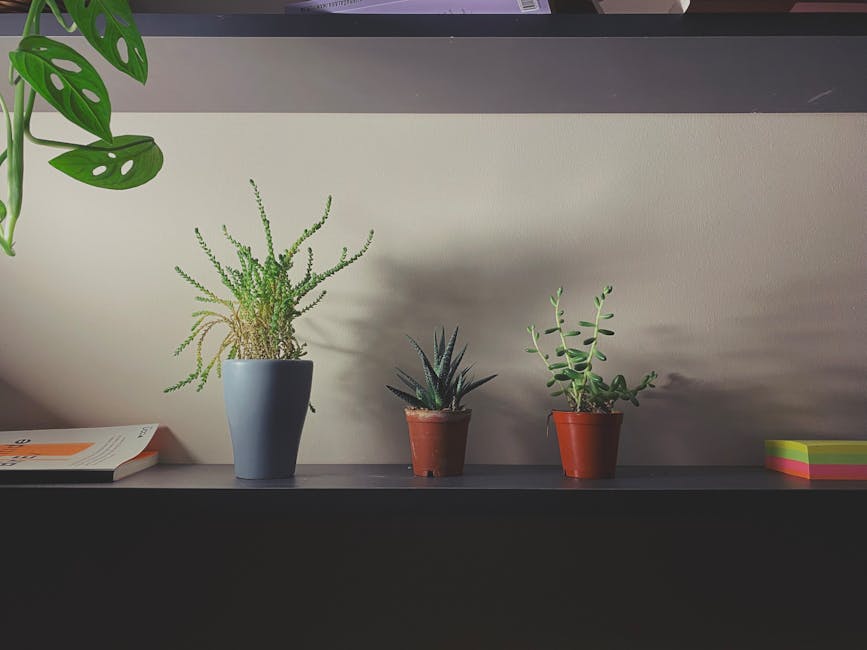
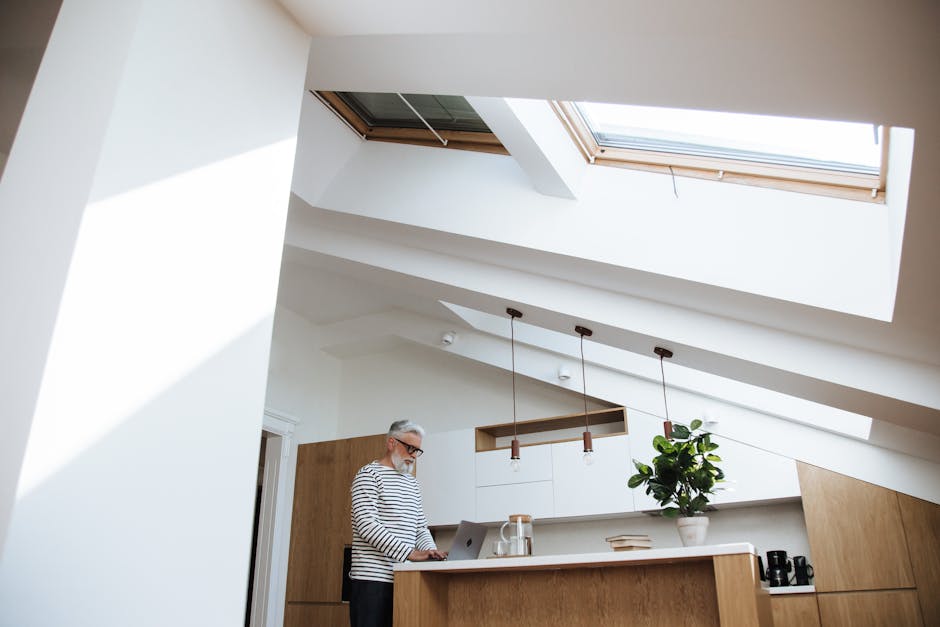
Natural light is the cornerstone of biophilic design and should be your primary light source whenever possible. According to the EPA, exposure to natural daylight improves alertness, regulates sleep-wake cycles, and boosts mood. Position your desk near a window to maximize natural light exposure, but avoid direct glare on your screen. If your office lacks adequate window access, consider installing skylights or light tubes that channel natural light deeper into your workspace. The circadian-aligning benefits of natural light are particularly important for remote workers who spend extended hours indoors. Natural light also reduces the need for artificial lighting during daylight hours, lowering energy consumption and creating a more sustainable workspace that aligns with biophilic principles.
Layered Lighting Design
Effective home office lighting uses multiple layers: ambient lighting (general illumination), task lighting (focused light for specific work), and accent lighting (highlighting natural elements). Ambient lighting should be soft and even, typically provided by ceiling fixtures or wall-mounted lights that distribute light uniformly throughout the space. Task lighting, such as a desk lamp positioned to the side of your monitor, provides focused illumination for detailed work without creating screen glare. Accent lighting can highlight biophilic elements like potted plants, wooden shelving, or nature-inspired artwork, reinforcing the connection to nature while creating visual interest. This layered approach allows you to adjust lighting intensity based on your tasks and time of day, supporting both productivity and well-being.
Color Temperature and Circadian Rhythm Support
Light color temperature, measured in Kelvin (K), significantly impacts productivity and circadian health. Cooler light (5000-6500K) mimics midday sunlight and enhances focus and alertness—ideal for morning and afternoon work. Warmer light (2700-3000K) resembles sunset and promotes relaxation, making it suitable for evening work or wind-down periods. Many modern smart bulbs allow you to adjust color temperature throughout the day, supporting your natural circadian rhythm. Research from the U.S. Department of Energy indicates that lighting aligned with circadian patterns improves sleep quality and daytime productivity. In a biophilic office, using warm-toned fixtures with natural materials creates an inviting atmosphere while cooler task lighting supports focused work when needed.
How Should You Arrange Lighting Fixtures in Your Biophilic Home Office?
Strategic placement of lighting fixtures ensures optimal illumination while complementing your biophilic design aesthetic. Consider these placement guidelines for maximum productivity and visual comfort.
Monitor and Desk Positioning
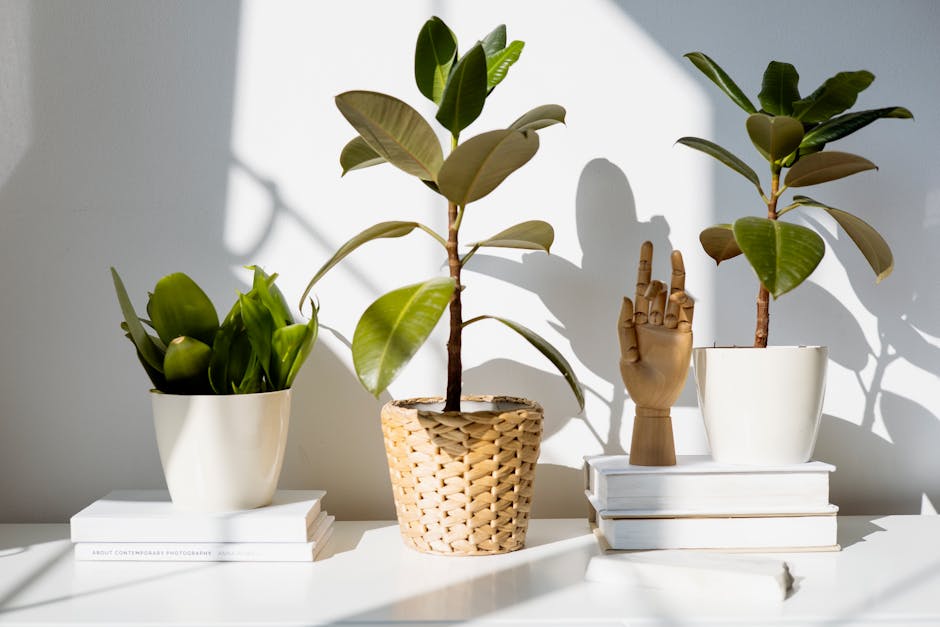
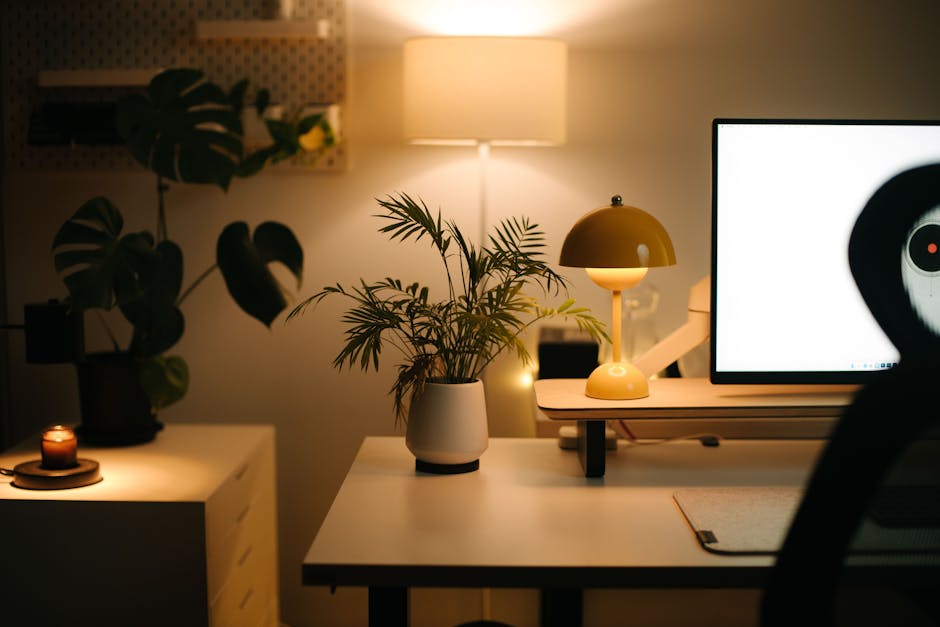
Position your desk perpendicular to windows rather than facing them directly, which prevents glare and allows natural light to illuminate your workspace without washing out your monitor. Your task lighting should come from the side opposite your dominant hand to minimize shadows on your work surface. A desk lamp with an adjustable arm provides flexibility to direct light precisely where needed. Avoid placing lights directly behind your monitor, as this creates backlighting that strains your eyes. If you use a dual-monitor setup, ensure lighting is distributed evenly across both screens. In biophilic offices, consider desk lamps with natural wood bases or plant-inspired designs that reinforce the nature connection while providing functional illumination.
Ambient Lighting Distribution
Distribute ambient lighting evenly throughout your office to eliminate dark corners and harsh shadows. Ceiling-mounted fixtures or recessed lights should provide baseline illumination of 300-500 lux (a measure of light intensity). Wall sconces flanking your workspace add visual interest while distributing light more naturally than a single overhead fixture. If your office features biophilic elements like living walls or natural wood paneling, position ambient lights to subtly highlight these features. Avoid harsh fluorescent lighting, which can feel clinical and undermine the calming effects of biophilic design. Instead, opt for LED fixtures with warm color temperatures and diffusers that soften light distribution.
Accent and Mood Lighting
Use accent lighting to draw attention to biophilic elements in your office. A small spotlight angled toward a potted plant or a bookshelf of natural materials creates visual focal points while reinforcing your connection to nature. Accent lighting also breaks up the monotony of uniform ambient lighting, making your space feel more inviting and less institutional. Dimmable lights allow you to adjust accent lighting intensity based on your mood and work demands. This layered approach to lighting creates depth and dimension in your office while supporting the psychological benefits of biophilic design.
What Types of Lighting Fixtures Work Best for Biophilic Home Offices?
Selecting fixtures that combine functionality with biophilic aesthetics ensures your lighting supports both productivity and well-being while maintaining design coherence.
Natural Material Task Lights
Task lights featuring natural materials like wood, rattan, or bamboo integrate seamlessly with biophilic design while providing focused illumination. Wooden desk lamps with linen or cotton shades diffuse light softly while maintaining a warm, natural aesthetic. Rattan or woven pendant lights add organic texture and visual interest to your workspace. These fixtures work particularly well in offices that emphasize natural materials and earth tones. When selecting task lights, prioritize adjustability—gooseneck or articulating arms allow you to direct light precisely where needed without repositioning the entire fixture. Look for fixtures with warm-toned LED bulbs (2700-3000K) that complement natural materials while providing comfortable illumination.
Smart Lighting Systems
Modern smart lighting systems offer unprecedented control over color temperature, intensity, and scheduling, making them ideal for biophilic home offices. Systems like Philips Hue or LIFX allow you to program lighting that shifts from cool daylight (5000K) in the morning to warm evening tones (2700K) as the day progresses, supporting circadian rhythm alignment. Many systems include scenes designed for productivity, relaxation, or focus. While the technology is modern, you can select fixtures with natural finishes that maintain biophilic aesthetics. Smart systems also enable voice control and automation based on time of day or occupancy, reducing the mental load of manually adjusting lights.
Natural Light Enhancement Fixtures
If your office lacks sufficient natural light, consider fixtures specifically designed to mimic natural daylight. Full-spectrum LED bulbs (5000-6500K) approximate natural sunlight and support alertness and mood. Light therapy lamps, typically used for seasonal affective disorder, can boost energy and focus during winter months or in naturally dark spaces. These fixtures work best when positioned at eye level, 16-24 inches from your face, for 20-30 minutes during morning work sessions. While supplementing rather than replacing natural light, these fixtures provide significant benefits for offices with limited window access. Pair them with biophilic elements like plants to create a nature-inspired workspace despite limited natural daylight.
How Do You Optimize Lighting to Reduce Eye Strain and Enhance Focus?
Eye strain is a common complaint among remote workers, but strategic lighting design can significantly reduce discomfort and improve sustained focus throughout the workday.
Screen Glare Management
Screen glare is a primary cause of eye strain and reduced productivity. Position your monitor perpendicular to windows to prevent direct sunlight reflection on your screen. If direct positioning isn’t possible, install anti-glare filters or adjustable blinds that control natural light throughout the day. Your monitor brightness should match your ambient lighting—use the OSHA ergonomic guidelines recommendation of adjusting monitor brightness to approximately the same level as your surrounding environment. In biophilic offices with abundant natural light, this means moderating monitor brightness during peak daylight hours. Anti-glare screen protectors or matte monitor finishes reduce reflections without compromising image quality. Position task lighting to illuminate your work surface rather than your screen to minimize contrast-related strain.
The 20-20-20 Rule and Lighting
The 20-20-20 rule—every 20 minutes, look at something 20 feet away for 20 seconds—is essential for eye health. Proper lighting supports this practice by making it easier to refocus on distant objects. Ensure your office lighting allows you to comfortably see outside your window or across the room without squinting. Avoid overly bright or dim lighting that forces your eyes to constantly readjust when shifting focus. In biophilic offices with plants and natural elements, positioning these items at varying distances encourages natural eye movement and refocusing, supporting the 20-20-20 practice while reinforcing nature connection. Natural elements at different focal distances create visual interest and provide healthy eye movement opportunities throughout your workday.
Color Temperature Consistency
Inconsistent color temperature between your monitor and ambient lighting causes eye strain and fatigue. Modern monitors emit blue light (6500K equivalent), so your ambient lighting should match or slightly exceed this temperature during focused work sessions. As mentioned earlier, warm lighting (2700-3000K) is appropriate for evening work or wind-down periods. Programmable smart lights allow seamless transitions between temperatures without jarring shifts that strain your eyes. Biophilic design principles support this consistency by using natural materials and warm tones that complement moderate color temperatures, creating visual coherence between your lighting and your environment.
How Can You Integrate Biophilic Elements with Your Lighting Strategy?
The most effective biophilic home offices combine strategic lighting with natural elements that reinforce your connection to nature and amplify productivity benefits.
Lighting for Living Plants
Plants are central to biophilic design, but they require appropriate lighting to thrive. If your office receives limited natural light, consider low-light plants like pothos, snake plants, or ZZ plants that survive in typical office conditions. For plants requiring more light, supplement natural light with grow lights positioned to illuminate foliage without creating glare in your workspace. LED grow lights are energy-efficient and come in warm tones that complement your office aesthetic. Healthy plants improve air quality, reduce stress, and enhance the biophilic atmosphere. Position plants where they’re visible during your 20-20-20 breaks to encourage eye refocusing while enjoying nature connection. Well-lit plants also serve as accent focal points, adding visual interest to your workspace.
Natural Material Lighting Fixtures
As mentioned in the fixture section, choosing lights made from natural materials reinforces biophilic design principles. Wood, stone, ceramic, and plant-based materials like rattan and bamboo create visual and tactile connections to nature. These materials also diffuse light more naturally than metal or plastic, creating softer, more comfortable illumination. A wooden shelving unit with integrated LED lighting showcases natural materials while providing functional ambient light. Stone or ceramic pendant lights add organic texture and warmth to your space. When selecting fixtures, prioritize sustainable materials and ethical sourcing that align with biophilic values of environmental stewardship. Natural materials often improve with age, creating a sense of permanence and connection that supports long-term workspace satisfaction.
Color Palette and Lighting Harmony
Biophilic design emphasizes earth tones and natural colors—greens, browns, beiges, and soft grays. Your lighting should complement this palette by using warm color temperatures that enhance these natural hues. Cooler lighting (5000K+) can wash out warm earth tones, making your space feel less inviting. Instead, use task lighting at 5000K for focused work and ambient lighting at 3000-4000K to maintain the warmth and coziness of your biophilic palette. This approach creates visual coherence between your lighting and design elements while supporting both productivity and well-being. Consider how your lighting interacts with natural wood furniture, stone accents, and plant foliage to create a harmonious, nature-inspired workspace.
What Are Common Lighting Mistakes to Avoid in Your Home Office?
Understanding common pitfalls helps you design a lighting setup that truly supports productivity and biophilic well-being rather than undermining these goals.
Over-Reliance on Overhead Lighting
Many home offices rely exclusively on harsh overhead fixtures that create shadows, cause glare, and feel institutional rather than inviting. Overhead lighting alone is insufficient for focused work and can actually reduce productivity. Instead, use overhead lighting as baseline ambient illumination and supplement with task and accent lighting. This layered approach provides flexibility and creates a more inviting atmosphere. Overhead lights should be dimmable so you can adjust intensity based on natural light availability and time of day. In biophilic offices, soften overhead lighting with diffusers or choose fixtures with warm color temperatures to create a more natural, less clinical environment.
Insufficient Natural Light Utilization
Many remote workers position desks away from windows or keep blinds closed, missing the significant productivity and well-being benefits of natural light. Even if your office receives limited direct sunlight, position your desk to maximize whatever natural light is available. Use sheer curtains instead of blackout shades to control glare while maintaining natural light access. If your office faces north (receiving indirect light) rather than south, this is actually ideal for consistent, glare-free illumination. Prioritizing natural light reduces your reliance on artificial lighting, lowers energy costs, and provides superior circadian rhythm support compared to any artificial system.
Mismatched Color Temperatures
Using multiple light sources with different color temperatures creates visual discord and eye strain. If your desk lamp is 2700K (warm) but your overhead light is 6500K (cool), your eyes constantly readjust, causing fatigue. Choose a consistent color temperature palette—either warm (2700-3000K) throughout your office, or cool (5000-6500K) for task lighting with warm ambient lighting. Smart lighting systems solve this problem by allowing coordinated adjustments across all fixtures. Consistency in color temperature supports both visual comfort and the unified aesthetic of biophilic design.
Inadequate Task Lighting
Relying solely on ambient lighting for detailed work causes eye strain and reduces productivity. Every home office needs dedicated task lighting positioned to illuminate your work surface without creating screen glare. Task lights should be adjustable so you can direct light as your work demands change. Insufficient task lighting often leads to compensatory behaviors like leaning closer to your screen or squinting, both of which increase fatigue. A quality desk lamp is one of the most important investments you can make for home office productivity.
How Do You Choose the Right Lighting Setup for Your Specific Home Office Conditions?
Every home office is unique, with different natural light availability, space size, and design preferences. This section provides a framework for selecting lighting that matches your specific situation.
Assessing Your Natural Light Availability
Begin by evaluating how much natural light your office receives throughout the day. Offices with abundant south-facing windows have different lighting needs than north-facing or interior spaces. Spend a full day in your office, noting how sunlight moves through the space and identifying times when supplemental lighting is necessary. Rooms with strong afternoon sun may need light-filtering solutions to prevent glare, while darker offices require more robust artificial lighting. Document the color temperature of natural light at different times—early morning light is warmer, midday light is cooler and brighter, and afternoon light shifts warm again. This assessment guides your artificial lighting selections to complement rather than fight against your natural light patterns.
Determining Your Lighting Budget
Quality lighting is an investment in your productivity and health. A basic setup includes one task lamp ($30-100), ambient lighting upgrades ($50-300), and possibly smart bulbs ($10-30 each). More comprehensive setups with smart systems, multiple fixtures, and high-end natural material fixtures can range from $500-2000+. Consider your budget alongside the time you spend in your office—if you work full-time remotely, investing in quality lighting provides substantial returns through improved productivity and reduced eye strain. Start with essential elements (task lighting and natural light optimization) and add accent and smart lighting as budget allows. Many productivity improvements come from strategic placement rather than expensive fixtures.
Matching Lighting to Your Work Type
Different work demands different lighting. Creative work benefits from slightly warmer, softer lighting that encourages imagination and reduces pressure. Detailed analytical work benefits from cooler, brighter task lighting that supports focus and accuracy. Video conferencing requires even, flattering light that illuminates your face without creating shadows or glare. If your work varies throughout the day, programmable smart lighting allows you to adjust settings for different tasks. Biophilic design supports all work types by reducing overall stress and fatigue, allowing you to perform better regardless of your specific tasks. Consider your primary work activities when designing your lighting strategy.
Space Size and Fixture Selection
Small offices (under 100 square feet) need fewer fixtures and lower total light output than larger spaces. A single quality desk lamp and optimized natural light may suffice for small offices, keeping the space feeling open and uncluttered. Larger offices benefit from multiple ambient light sources that distribute illumination evenly. Consider your ceiling height—low ceilings (under 8 feet) benefit from wall sconces and indirect lighting that doesn’t feel oppressive, while higher ceilings can accommodate pendant lights and more prominent fixtures. In biophilic offices, avoid overcrowding with too many fixtures; instead, use fewer, higher-quality fixtures that complement your natural elements and design aesthetic.
What Is the Role of Smart Lighting Technology in Modern Biophilic Home Offices?
Smart lighting technology has revolutionized home office design, offering unprecedented control over illumination while supporting biophilic principles and circadian health.
Circadian Rhythm Optimization
Smart lighting systems can automatically adjust color temperature and intensity based on time of day, supporting your natural circadian rhythm without requiring manual intervention. Many systems include pre-programmed scenes: energizing cool light (5500K) for morning work, balanced light (4000K) for midday focus, and warm light (2700K) for evening tasks and wind-down. This automation is particularly valuable for remote workers who might otherwise maintain consistent artificial lighting throughout the day, disrupting sleep patterns. Research from sleep and circadian rhythm specialists supports this approach, showing that circadian-aligned lighting improves sleep quality, daytime alertness, and sustained productivity. Smart systems essentially automate the lighting patterns that biophilic design naturally encourages.
Personalization and Flexibility
Smart lighting allows you to customize your environment based on your preferences and work demands. If you’re having a low-energy day, you might increase light intensity to boost alertness. During focused deep-work sessions, you might dim ambient lighting to reduce distractions. Some systems integrate with your calendar, automatically adjusting lighting for video calls to ensure optimal appearance. Voice control through Alexa, Google Assistant, or Apple Siri allows hands-free adjustments without interrupting your work. This flexibility supports productivity by allowing your environment to adapt to your needs rather than requiring you to adapt to fixed lighting conditions.
Energy Efficiency and Sustainability
Smart LED lighting systems use 75% less energy than traditional incandescent bulbs while providing superior light quality. Smart systems further reduce consumption by automatically dimming lights based on detected occupancy or ambient light levels. For biophilic design enthusiasts, this energy efficiency aligns with environmental stewardship values—you’re reducing your carbon footprint while improving your workspace. Many smart systems also provide usage data, helping you identify optimization opportunities. Over time, energy savings often offset the initial investment in smart lighting technology, making it both environmentally and economically sound.
Integration with Biophilic Design Elements
Smart lighting enhances rather than conflicts with biophilic design principles. Natural materials and earth-tone color palettes are complemented by warm, adjustable lighting that mimics natural light patterns. You can program accent lighting to subtly highlight plants or natural materials at different times of day, creating dynamic visual interest. Smart systems also support the psychological benefits of biophilic design by creating lighting patterns that feel natural and responsive rather than artificial and static. The technology becomes invisible, supporting your connection to nature rather than drawing attention to itself.
Is Investing in Premium Lighting Worth It for Home Office Productivity?
Quality lighting is among the highest-return investments you can make for your home office, supporting both immediate productivity and long-term health. The evidence is compelling: proper lighting reduces eye strain, improves focus, supports circadian health, and enhances mood and motivation. For remote workers spending 40+ hours weekly in their office, these benefits accumulate significantly. A $100-300 investment in quality task lighting and smart bulbs can increase productivity by 10-15%, which translates to meaningful time savings and improved work quality. Beyond productivity metrics, proper lighting reduces physical strain and fatigue, supporting long-term health and career sustainability. Biophilic lighting design amplifies these benefits by creating an environment that feels restorative rather than draining, making your workspace a place you genuinely enjoy spending time. When evaluated over the 5-10 year lifespan of lighting fixtures, the cost per hour of use is minimal compared to the benefits. For anyone working from home, prioritizing lighting is a wise investment in your professional success and personal well-being.
Frequently Asked Questions
What is the ideal color temperature for home office work?
For focused work, use cool light (5000-6500K) during morning and afternoon hours to enhance alertness and concentration. Switch to warm light (2700-3000K) for evening work or wind-down periods to support sleep preparation. Many productivity experts recommend 4000-4500K as an ideal balanced temperature that supports focus without being too harsh. Smart bulbs allow seamless transitions throughout the day, optimizing your circadian rhythm and sustained productivity without manual adjustments.
How much light do I need in my home office?
Most home offices benefit from 300-500 lux of ambient illumination, supplemented by task lighting providing 500-1000 lux on your work surface. These measurements ensure adequate visibility without excessive brightness that causes eye strain. Use a smartphone light meter app to assess your current lighting levels, then adjust fixtures accordingly. Actual requirements vary based on your specific work—detailed tasks need brighter light, while creative work tolerates slightly lower levels. Natural light should be your baseline, with artificial lighting supplementing as needed.
Can plants survive in a home office with artificial lighting only?
Many low-light plants like pothos, snake plants, and peace lilies thrive with standard office lighting. For plants requiring more light, supplement with LED grow lights positioned 6-12 inches above foliage for 12-14 hours daily. Warm-toned LED grow lights provide necessary light while maintaining aesthetic appeal. Rotate plants periodically to ensure even light exposure. While natural light is preferable, quality artificial lighting supports healthy plant growth, allowing you to incorporate biophilic elements regardless of window access.
What’s the best position for my desk lamp?
Position your desk lamp to the side opposite your dominant hand, angled to illuminate your work surface without creating screen glare. The lamp should be approximately 12-18 inches from your work surface at eye level or slightly higher. Avoid placing lights directly behind your monitor or between you and your screen. An adjustable gooseneck or articulating lamp provides flexibility to direct light as your tasks change. Test different positions to find the setup that eliminates shadows and glare while providing comfortable illumination for your specific work.
How does natural light improve productivity?
Natural light regulates circadian rhythms, improving sleep quality and daytime alertness. It reduces eye strain compared to artificial light alone, supports mood through vitamin D synthesis and serotonin production, and provides superior color rendering for detailed work. Research shows workers with access to natural light have 15% higher productivity and 41% fewer sick days. Biophilic design amplifies these benefits by combining natural light with nature-inspired elements, creating a restorative environment that supports sustained focus and well-being throughout your workday.
Are smart lights worth the investment for a home office?
Smart lights cost slightly more upfront ($10-30 per bulb) but provide significant long-term value through energy savings, circadian rhythm optimization, and customization flexibility. Automated color temperature adjustments improve sleep quality and sustained productivity without manual intervention. Voice control and scheduling reduce decision fatigue. For remote workers spending substantial time in their office, smart lighting’s productivity and health benefits typically justify the investment within 1-2 years. Start with smart bulbs in key fixtures rather than replacing your entire system at once to manage costs.
What Is the Best Way to Design Lighting for Your Biophilic Home Office in 2026?
The optimal approach combines natural light maximization, strategic artificial lighting placement, biophilic design integration, and smart technology for circadian support. Begin by assessing your natural light availability and positioning your desk to capture it effectively. Implement layered lighting with ambient, task, and accent sources that work together to support both productivity and well-being. Choose fixtures made from natural materials that reinforce your biophilic aesthetic while providing functional illumination. Incorporate plants and natural elements that thrive under your lighting conditions, creating a workspace that feels restorative rather than institutional. Consider smart lighting systems that automatically adjust color temperature throughout the day, supporting your circadian rhythm without requiring constant manual adjustments. Finally, regularly evaluate your setup—spend a full workweek in your office and note any eye strain, fatigue, or productivity dips that might indicate lighting adjustments are needed. Your ideal lighting setup will evolve as you spend more time in your space and understand how different lighting conditions affect your work and well-being. By thoughtfully combining natural light, strategic artificial lighting, biophilic design elements, and modern technology, you create a home office that supports sustained productivity, reduces physical strain, and provides genuine enjoyment—making remote work not just tolerable but genuinely rewarding. The investment in proper lighting is ultimately an investment in your professional success, physical health, and daily quality of life.
For additional insights on creating a productive biophilic workspace, explore our comprehensive guide on how biophilic design elements transform your productive home office in 2026. You might also benefit from learning about the best colors for biophilic living room design, which applies similar principles to your broader home environment.




Write Your Review
No reviews yet. Be the first to share your experience!