

How Do You Clean a Vegan Leather Sofa Without Chemicals?
Cleaning a vegan leather sofa without chemicals is entirely possible using common household items like vinegar, water, and mild soap. The key takeaway is that plant-based leather alternatives respond best to gentle, pH-balanced solutions rather than harsh commercial cleaners. Most vegan leather—made from polyurethane, PVC, or innovative materials like mushroom or apple leather—can be maintained beautifully with distilled water, white vinegar, and natural oils. This approach protects the material’s integrity, extends its lifespan, and keeps your home free from toxic fumes. Unlike traditional leather, vegan alternatives don’t require specialized conditioning, but they do benefit from regular dusting and spot-cleaning with non-toxic solutions. Understanding your sofa’s specific material composition helps you choose the safest cleaning method. The process takes just minutes and costs pennies compared to commercial upholstery cleaners. By using natural alternatives, you protect both your furniture investment and your family’s health while maintaining a beautiful, clean sofa throughout 2026.

What Materials Make Up Vegan Leather and Why Does This Matter for Cleaning?
Vegan leather encompasses several different synthetic and plant-based materials, each requiring slightly different care approaches. Understanding your sofa’s material composition is essential before selecting a cleaning method, as using the wrong solution can damage the finish or cause discoloration.

Common Vegan Leather Types
Polyurethane (PU) is the most common vegan leather material found in consumer sofas. It’s durable, breathable, and responds well to mild cleaning solutions. PVC (polyvinyl chloride) is another synthetic option that’s highly stain-resistant but can be sensitive to certain solvents. Newer innovations include mushroom leather, apple leather, and cactus leather—plant-based alternatives that are more delicate and require gentler cleaning methods.
Why Material Matters
Different materials have varying levels of porosity and chemical sensitivity. PU leather is forgiving and handles most natural cleaners well, while plant-based leathers need extra care to avoid degradation. Checking your sofa’s care tag or manufacturer documentation ensures you’re using compatible cleaning solutions. This prevents accidental damage, maintains warranty coverage, and keeps your investment looking pristine. Many vegan leather sofas come with specific care instructions that recommend avoiding alcohol, acetone, and petroleum-based products—all reasons to stick with natural alternatives.
Which Natural Cleaning Solutions Work Best for Vegan Leather Without Chemicals?
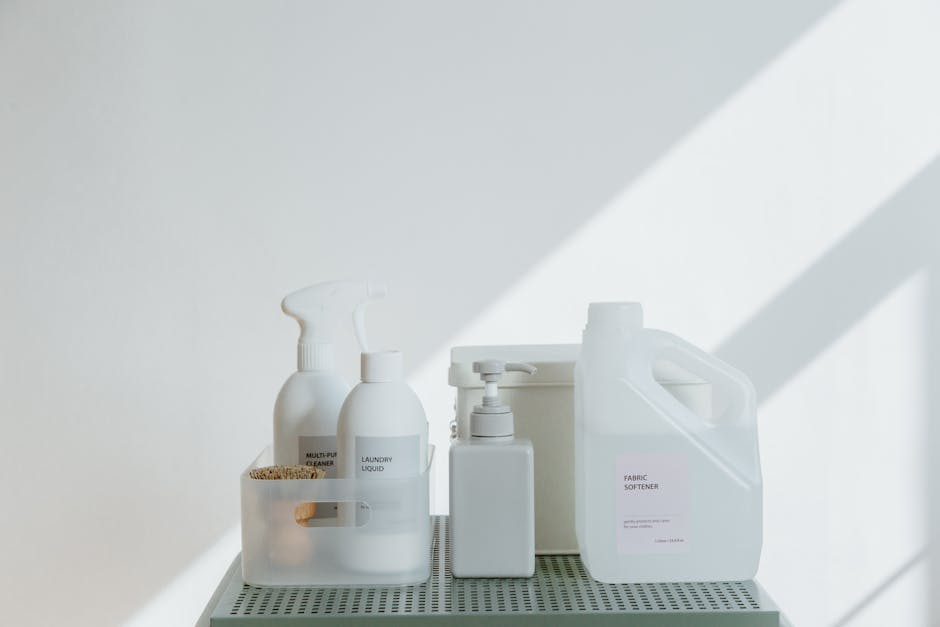
Several household items effectively clean vegan leather while avoiding harsh chemicals. These natural solutions are safe for families with children and pets, environmentally friendly, and cost-effective.
Distilled Water and Mild Soap Solution
The gentlest cleaning option combines distilled water with a few drops of mild, unscented dish soap. Distilled water is crucial because tap water contains minerals that can leave residue on synthetic materials. Mix one part mild soap with ten parts distilled water, creating a dilute solution. This works for general dusting and light spot-cleaning without stripping the material’s protective coating. Test on an inconspicuous area first to ensure no adverse reactions occur.
White Vinegar Solution
White vinegar is a powerful natural cleaner that cuts through grease and grime while remaining gentle on vegan leather. Mix equal parts white vinegar and distilled water for a balanced solution. The acidity helps dissolve stubborn stains without damaging the material. However, avoid using vinegar on plant-based leathers like mushroom or cactus leather, as the acidity may be too strong. For polyurethane-based sofas, vinegar solutions work excellently and leave a fresh scent as they dry.
Baking Soda for Odor and Stains
Baking soda is a natural deodorizer and mild abrasive that removes set-in stains without chemicals. Sprinkle baking soda directly on the sofa, let it sit for 15-20 minutes, then vacuum thoroughly. For stubborn stains, create a paste with baking soda and distilled water, apply to the affected area, let dry, then wipe away. This method works particularly well on fabric-textured vegan leather surfaces and is completely safe for all types.
Olive Oil or Coconut Oil for Conditioning
While vegan leather doesn’t require conditioning like genuine leather, a tiny amount of food-grade olive or coconut oil can restore a subtle sheen and protect the material. Use sparingly—just a few drops on a soft cloth—and buff gently. This is optional and works best on polyurethane-based sofas. Avoid this step on glossy or heavily finished vegan leathers, as it may create slickness.
How Do You Remove Specific Stains From Vegan Leather Without Chemicals?
Different stains require different approaches, but all can be tackled with natural solutions. The key is acting quickly and using gentle methods to avoid spreading the stain or damaging the material.

Ink and Pen Marks
Rubbing alcohol (which is technically a mild solvent but widely available and relatively safe) can remove ink marks, though vinegar solution works as a chemical-free alternative. Dab the stain gently with a cloth dampened in dilute vinegar solution. If the mark persists, try a small amount of baking soda paste. Never scrub aggressively, as this can push the ink deeper into the material or cause damage.
Food and Grease Stains
Blot fresh spills immediately with a dry cloth to prevent absorption. For dried stains, apply a baking soda paste and let it sit for 20 minutes before wiping away. The vinegar and water solution also works well for greasy residue. For stubborn grease, a tiny amount of dish soap mixed with water cuts through the oils without harming the vegan leather.
Wine and Colored Liquid Stains
Blot immediately with a clean, dry cloth. For fresh stains, apply distilled water to dilute the liquid and continue blotting. Once dry, if discoloration remains, try the baking soda paste method. Avoid vinegar on colored stains, as the acidity might set the color permanently. For stubborn wine stains, a very dilute soap solution followed by water rinse may be necessary.
Mold and Mildew
White vinegar is excellent for preventing and removing mold on vegan leather. Mix equal parts vinegar and distilled water, spray lightly on affected areas, and wipe thoroughly. Ensure the sofa dries completely afterward to prevent mold return. Baking soda also inhibits mold growth when sprinkled and vacuumed regularly. Proper ventilation in the room prevents mold issues from developing in the first place.
How Do You Maintain Your Vegan Leather Sofa to Minimize Deep Cleaning?
Regular maintenance prevents the need for intensive cleaning and extends your sofa’s lifespan significantly. A consistent routine takes just minutes weekly but delivers substantial long-term benefits.

Weekly Dusting
Use a soft, dry microfiber cloth to dust your sofa weekly, removing dust, crumbs, and pet hair. This prevents buildup that can become ground into the material and cause permanent discoloration. Microfiber cloths are ideal because they’re gentle and don’t shed fibers. Regular dusting is the single most important maintenance step for keeping vegan leather looking pristine.
Immediate Spill Response
The moment a spill occurs, blot—never wipe—with a clean, dry cloth. Blotting absorbs liquid without spreading the stain, while wiping pushes it deeper into the material. For liquid spills, continue blotting until no moisture remains. This immediate action prevents most stains from becoming permanent, saving you time and effort later.
Proper Placement and Environmental Control
Position your sofa away from direct sunlight, which can fade and degrade vegan leather over time. Maintain moderate humidity levels (30-50%) to prevent mold growth and material brittleness. Keep the sofa away from heat sources like radiators and air vents, which can cause cracking. Avoid placing it near windows where condensation might accumulate. These environmental controls significantly reduce cleaning needs and material deterioration.
Protective Measures
Consider using furniture covers or throws in high-traffic areas to minimize direct contact with the material. Keep sharp objects and rough fabrics away from the sofa to prevent tears and scratches. If you have pets, trim their nails regularly and consider using pet-safe furniture protectors. These preventive measures reduce the frequency and intensity of cleaning required.
What Are Common Mistakes to Avoid When Cleaning Vegan Leather?
Understanding what not to do is as important as knowing the right cleaning methods. Many people accidentally damage their vegan leather sofas by using inappropriate products or techniques.
Harsh Chemical Cleaners
Commercial upholstery cleaners containing bleach, ammonia, or strong solvents can strip the protective coating from vegan leather, cause discoloration, and create toxic fumes. These chemicals are unnecessary and potentially dangerous. Always check product labels—if it warns against use on synthetic materials, avoid it entirely. Natural solutions work just as effectively without the risks.
Excessive Water and Moisture
Oversaturating vegan leather with water can cause the material to swell, warp, or develop mold. Always use minimal liquid—dampen cloths rather than spraying directly on the sofa. After cleaning, ensure the sofa dries completely. Never use steam cleaners on vegan leather, as the heat and moisture combination causes damage. If excess liquid is accidentally applied, blot immediately and leave the sofa to air dry in a well-ventilated area.
Abrasive Scrubbing
Scrubbing aggressively with brushes or rough cloths can scratch, scuff, or tear vegan leather. Always use soft cloths and gentle circular motions. Even when tackling stubborn stains, restraint is crucial. The material’s finish is protective but can be compromised by excessive friction. Patience and gentle techniques yield better results than aggressive scrubbing.
Ignoring Material-Specific Care
Not all vegan leather is identical, and using the wrong cleaning method for your specific sofa type can cause damage. Plant-based leathers require gentler approaches than polyurethane-based options. Always check your sofa’s care documentation before trying new cleaning methods. When in doubt, test solutions on hidden areas first. This small step prevents costly mistakes and maintains your warranty coverage.
How Do You Clean Vegan Leather Sofas With Textured or Fabric-Like Surfaces?
Vegan leather sofas with textured finishes require slightly different approaches than smooth, glossy surfaces. The texture provides visual interest but can trap dust and require more thorough cleaning methods.
Texture-Specific Cleaning Techniques
For textured vegan leather, use a soft-bristled brush (softer than a toothbrush) to gently work cleaning solutions into the grooves. This helps remove trapped dirt and dust without damaging the material. Move in circular motions and avoid pressing too hard. After brushing, wipe with a damp cloth to remove loosened debris and cleaning solution residue. Allow the sofa to air dry completely before use.
Fabric-Textured Surfaces
Some vegan leather sofas have a fabric-like weave that resembles suede or microsuede. These surfaces benefit from regular vacuuming with an upholstery attachment to remove dust from the fibers. For stains, use the baking soda paste method, allowing it to dry completely before vacuuming away the powder. Avoid excessive moisture on fabric-textured surfaces, as water can cause the fibers to mat down or discolor. A soft cloth buffed gently over the surface restores the texture after cleaning.
Perforated Vegan Leather
Some modern vegan leather sofas feature perforations for breathability. Be extra cautious with liquid cleaners on perforated surfaces, as water can seep through the holes and potentially damage the foam or structure beneath. Use minimal moisture and ensure liquids don’t drip through the perforations. Drying is particularly important for perforated sofas—ensure air circulation underneath to prevent trapped moisture and mold development.
Frequently Asked Questions
Can I use regular leather cleaner on vegan leather sofas?
No, traditional leather cleaners are formulated for genuine leather and can damage vegan leather’s synthetic coating. These products often contain oils and conditioners that leave residue on polyurethane or PVC. Always use cleaners specifically designed for vegan leather or natural alternatives like vinegar and water solutions. Check your sofa’s care tag for manufacturer recommendations.
Is it safe to use vinegar on all types of vegan leather?
Vinegar works well on polyurethane and PVC vegan leather but may be too acidic for delicate plant-based leathers like mushroom or cactus leather. Test vinegar solutions on a hidden area first. For plant-based materials, stick with mild soap and water or baking soda methods. Always prioritize your sofa’s specific care instructions over general recommendations.
How often should I deep clean my vegan leather sofa?
With proper maintenance, most vegan leather sofas need deep cleaning only 2-3 times yearly. Regular weekly dusting and immediate spill response minimize the need for intensive cleaning. Heavy-use sofas in homes with pets or children may benefit from quarterly deep cleaning. Adjust frequency based on visible soiling and usage patterns.
What should I do if my vegan leather sofa develops a strong odor?
Baking soda is highly effective for odor elimination. Sprinkle it generously over the sofa, let it sit overnight, then vacuum thoroughly. For persistent odors, repeat weekly until the smell disappears. Ensure proper ventilation in the room and consider opening windows regularly. If odor persists after treatment, it may indicate mold—use vinegar solution and increase air circulation.
Can I use essential oils to freshen my vegan leather sofa?
While essential oils smell wonderful, they can stain or damage vegan leather if applied directly. Instead, add a few drops to baking soda, let the mixture sit for a day to absorb the scent, then sprinkle on your sofa and vacuum. This provides pleasant fragrance without risking damage. Alternatively, place a small bowl of baking soda with essential oils nearby to freshen the air.
What’s the best way to prevent permanent discoloration on vegan leather?
Prevent discoloration by keeping your sofa away from direct sunlight, which fades all materials over time. Use window treatments to control light exposure. Blot spills immediately before they set. Avoid prolonged contact with dark fabrics or dyes that might transfer color. Regular cleaning prevents dirt buildup that can appear as permanent staining. Proper maintenance is the best prevention strategy.
Is Cleaning Your Vegan Leather Sofa Without Chemicals Worth the Effort?
Absolutely. Cleaning your vegan leather sofa with natural, chemical-free methods is not only worth the effort—it’s the smartest approach for your health, your furniture’s longevity, and environmental responsibility. The time investment is minimal; most cleaning tasks take just 10-15 minutes. The cost savings are substantial; household items like vinegar, baking soda, and water cost pennies compared to specialized commercial cleaners. Most importantly, you avoid exposing your family to toxic fumes and harsh chemicals that commercial upholstery cleaners contain.
Natural cleaning methods are surprisingly effective because they address the root cause of soiling rather than masking it with fragrance. Vinegar cuts through grease, baking soda absorbs odors and lifts stains, and mild soap removes dirt without damaging the material’s protective coating. These solutions have been proven effective for decades and work beautifully on modern vegan leather materials.
Your vegan leather sofa likely represents a significant furniture investment. Protecting that investment through gentle, natural cleaning extends its lifespan by years and maintains its appearance. Unlike harsh chemicals that can strip finishes and cause discoloration, natural methods preserve the material’s integrity and keep your sofa looking like new throughout 2026 and beyond.
The environmental benefits are equally compelling. By avoiding chemical cleaners, you prevent toxins from entering waterways and reduce your household’s chemical footprint. Plant-based vegan leather already represents an eco-conscious choice; maintaining it with natural methods completes that commitment to sustainability.
Start with a simple routine: dust weekly, blot spills immediately, and address stains with baking soda or vinegar solutions. This preventive approach minimizes the need for deep cleaning and keeps your sofa pristine. If you ever need to repair damage like wobbly furniture components, resources like fixing wobbly legs on furniture provide helpful guidance for maintaining your entire living space. Your vegan leather sofa will reward your gentle care with years of beautiful, comfortable use.










Write Your Review
No reviews yet. Be the first to share your experience!