

What Are Soft-Close Hinges and Why Install Them in 2026?
Soft-close hinges are mechanical devices that slow down cabinet door movement before closing, preventing loud slamming and damage to your cabinetry. Installing soft-close hinges transforms your kitchen or bathroom cabinets into modern, quiet fixtures. These hinges use hydraulic damping technology to create a smooth, controlled closing action. They reduce wear on cabinet frames and hinges. Soft-close hinges also improve safety by preventing finger pinching. Upgrading your cabinets with soft-close hinges is a practical home improvement project that increases both functionality and home value. Most homeowners can complete this installation in one to two hours without professional help.
In August 2026, soft-close hinge technology continues to improve with better durability and easier installation mechanisms. Modern soft-close hinges are compatible with most standard cabinet door frames. They come in various finishes including chrome, stainless steel, and brushed nickel. Installation requires basic tools and moderate DIY skill level. The investment typically ranges from fifteen to forty dollars per hinge pair.
Key Takeaway: Soft-close hinges upgrade your cabinets with quiet, controlled closing action while protecting furniture from damage and extending hinge lifespan.
What Tools and Materials Do You Need for Installation?
Before starting your soft-close hinge installation project, gather all necessary tools and materials to ensure smooth completion. Having everything on hand prevents interruptions and frustration during the process. Most tools are standard items found in typical home workshops or easily borrowed from neighbors.
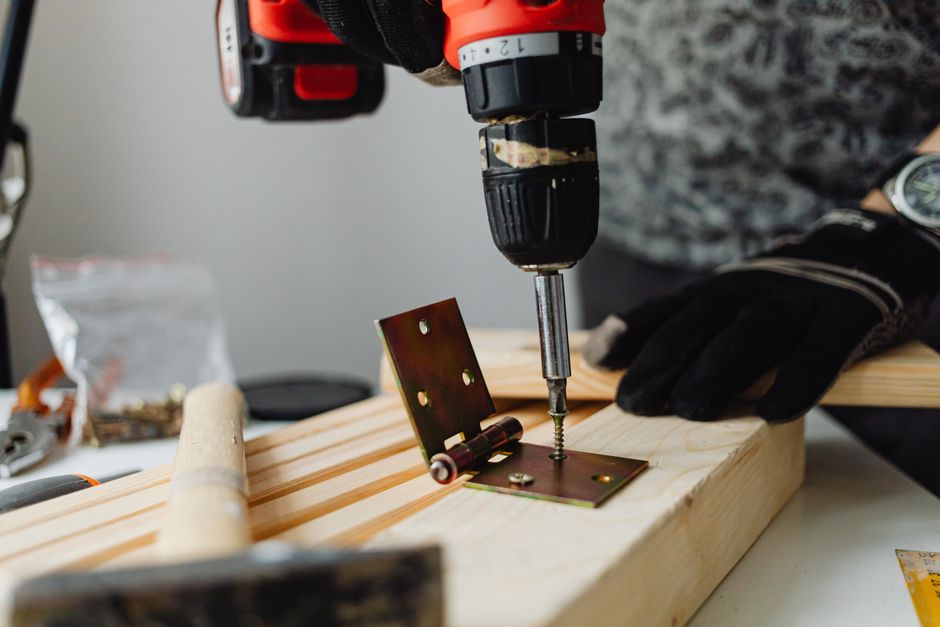
- Soft-close hinges (typically sold in pairs or sets)
- Screwdriver (Phillips and flathead)
- Drill with bits for pilot holes
- Measuring tape or ruler
- Pencil for marking hole locations
- Wood shims or spacers for alignment
- Safety glasses and work gloves
- Adjustable wrench or Allen key (if required by hinge model)
Understanding Your Current Hinge Setup
Examine your existing hinges before purchasing soft-close replacements to ensure compatibility. Most standard cabinet hinges are either cup hinges (European-style) or butt hinges (traditional). Cup hinges have circular mounting plates that sit inside the cabinet door. Butt hinges mount on the surface of the door and frame. Measure your current hinge dimensions and note the mounting style. Take a photo of your existing hinges to show hardware store staff when purchasing replacements. This ensures you buy soft-close hinges that fit your cabinet configuration.
Selecting the Right Soft-Close Hinge Type
Soft-close hinges come in several varieties designed for different cabinet door configurations. Overlay hinges work for doors that cover the cabinet frame completely. Inset hinges are for doors that sit flush inside the frame. Half-overlay hinges mount on the side of the frame. Check your cabinet style to determine which type matches your setup. Read manufacturer specifications carefully to verify weight capacity matches your door weight. Some soft-close hinges offer adjustable closing speed, while others have fixed damping strength.
Key Takeaway: Proper tool selection and hinge type matching are essential prerequisites for successful soft-close hinge installation.
How Do You Remove Old Hinges from Cabinet Doors?
Removing old hinges is the critical first step in replacing them with soft-close models. Start by opening the cabinet door fully to access all hinge screws. Use a screwdriver to remove screws connecting the hinge to the cabinet door. Work slowly to avoid stripping screw holes or damaging the wood. Remove one screw at a time, starting with the top hinge. Support the door with your other hand to prevent it from falling or twisting.

- Open the cabinet door completely for full hinge access
- Remove screws from the door-side hinge plate first
- Support the door weight while removing fasteners
- Unscrew the frame-side hinge mounting plate
- Gently lift the door away from the cabinet frame
- Set the door on a padded surface to prevent damage
Handling Stuck or Corroded Hinges
Older cabinets may have hinges that resist removal due to corrosion or paint buildup. Apply penetrating oil around the screw heads and let it sit for ten to fifteen minutes. This loosens corrosion and makes screws easier to turn. Use a screwdriver that fits the screw head snugly to avoid stripping. If screws still resist, apply more oil and wait longer. Never force stripped screws as this damages the mounting holes. Consider replacing stripped screws with slightly larger diameter fasteners if holes become enlarged.
Cleaning the Hinge Mounting Area
Once hinges are removed, inspect the mounting surfaces for debris and old paint. Use a putty knife or wire brush to remove paint buildup around hinge holes. Wipe the area clean with a damp cloth and allow it to dry completely. Fill any enlarged or damaged screw holes with wooden toothpicks and wood glue. Let the glue dry, then trim flush with a utility knife. This ensures new screws have proper grip in the wood. Clean mounting surfaces guarantee better alignment and secure fastening of new soft-close hinges.
Key Takeaway: Careful hinge removal and thorough cleaning of mounting surfaces prepare your cabinet doors for proper soft-close hinge installation.
What Are the Step-by-Step Installation Instructions?
Installing soft-close hinges follows a logical sequence that ensures proper alignment and function. Start with the door positioned on a flat, padded work surface. This prevents damage and gives you full access to mounting holes. Follow your specific hinge manufacturer’s instructions, as some models have unique mounting requirements. Most soft-close hinges are installed using the same basic method as standard hinges, with the addition of damping mechanisms.

Mounting the Door-Side Hinge Plate
Position the first soft-close hinge on the cabinet door, aligning it with the existing screw holes. If you’re upgrading from standard hinges, the holes should match perfectly. Use a measuring tape to ensure the hinge is centered on the door edge. Mark pilot holes with a pencil if the mounting holes don’t align with existing holes. Drill pilot holes slightly smaller than your screws to prevent splitting the wood. Insert screws gradually, checking alignment as you tighten each fastener. Ensure the hinge cup sits flush against the door surface with no gaps.
- Position hinge plate aligned with existing screw holes
- Drill pilot holes if new mounting positions are needed
- Insert and tighten screws gradually in a cross pattern
- Verify the hinge cup sits flush and level
- Repeat for the second hinge on the opposite end of the door
Attaching Hinges to the Cabinet Frame
With both door-side hinges secured, position the door back against the cabinet frame. The hinge cups should align with mounting plates on the cabinet frame. Some soft-close hinges require adjustment brackets or spacers for proper alignment. Install the frame-side hinge mounting plates, starting with the top hinge. Use shims if necessary to ensure the door hangs straight and level. Tighten screws gradually, checking door alignment frequently. The door should open and close smoothly without binding or rubbing against the frame edges.
Adjusting and Testing the Soft-Close Function
After installation, test the soft-close function by opening the door halfway and releasing it. The door should close slowly and smoothly without slamming. If the door closes too quickly, check the manufacturer’s adjustment instructions. Some hinges have adjustable damping screws that control closing speed. Others have fixed damping that cannot be adjusted. Open and close the door several times to verify consistent, quiet operation. Make minor frame adjustments if the door binds or rubs during closing.
Key Takeaway: Systematic installation with careful alignment and testing ensures your soft-close hinges function smoothly and quietly.
How Do You Troubleshoot Common Installation Problems?
Even with careful installation, you may encounter issues that require troubleshooting and adjustment. Most problems are easily resolved with minor tweaks and realignment. Understanding common issues helps you identify and fix them quickly. Don’t hesitate to consult your hinge manufacturer’s support resources if problems persist.
- Door slamming: Increase damping adjustment or replace hinges with stronger models
- Door not closing completely: Check frame alignment and adjust hinge positioning
- Squeaking or creaking: Apply silicone lubricant to hinge joints and damping mechanisms
- Uneven closing: Verify both hinges are properly aligned and tightened equally
- Door rubbing on frame: Use shims to adjust hinge positioning and door clearance
Addressing Door Misalignment Issues
If your door doesn’t hang straight or rubs against the frame, misalignment is the likely cause. Loosen the frame-side hinge mounting screws slightly, leaving them just snug enough to hold the hinge in place. Adjust the hinge position using shims placed behind the mounting plate. Wooden shims are preferable as they compress slightly and provide fine adjustment. Tighten screws gradually while checking door alignment. The door should have even gaps on all sides when closed. This process may require several adjustment cycles to achieve perfect alignment.
Fixing Damping Function Problems
If soft-close damping isn’t working properly, first verify the hinges are fully installed and tightened. Loose hinges cannot function correctly. Check that damping adjustment screws (if present) are set to manufacturer specifications. Some hinges have hydraulic fluid that may need settling time after installation. Close the door slowly several times to allow the damping system to activate properly. If problems persist after twenty to thirty door cycles, the hinge damping mechanism may be defective and require replacement under warranty.
Key Takeaway: Most soft-close hinge problems stem from misalignment or loose fasteners and are easily resolved with minor adjustments.
What Maintenance Keeps Soft-Close Hinges Working Properly?
Proper maintenance extends the lifespan of your soft-close hinges and keeps them functioning smoothly for years. Regular care prevents buildup and wear that can compromise damping performance. Most maintenance tasks require only basic household supplies and a few minutes of attention.
- Clean hinge joints monthly with a damp cloth to remove dust and debris
- Apply silicone-based lubricant to damping mechanisms every six months
- Inspect screws quarterly and tighten any that have loosened
- Avoid slamming doors forcefully, which stresses the damping system
- Check for leaking hydraulic fluid and replace hinges if fluid is visible
Regular Inspection and Preventive Care
Schedule monthly inspections of your soft-close hinges to catch problems early. Open and close each door slowly, listening for unusual sounds. Feel for resistance or binding that indicates misalignment. Check that door gaps remain even and consistent. Look for any visible damage, corrosion, or fluid leakage from the hinge mechanism. Address minor issues immediately before they become major problems requiring hinge replacement. Regular attention prevents unexpected failures and maintains smooth operation.
Key Takeaway: Monthly cleaning and quarterly inspections keep soft-close hinges functioning optimally and extend their service life significantly.
How Do Soft-Close Hinges Compare to Standard Cabinet Hinges?
Understanding the differences between soft-close and standard hinges helps you appreciate the upgrade benefits. Standard hinges rely on gravity alone to close cabinet doors, resulting in slamming and potential damage. Soft-close hinges use hydraulic damping to control closing speed, protecting your cabinetry and reducing noise. The initial cost of soft-close hinges is higher, but the durability and safety benefits justify the investment. Standard hinges may need replacement more frequently due to wear from repeated slamming. Soft-close hinges maintain consistent performance over many years of use.
- Standard hinges: Less expensive, noisier, shorter lifespan
- Soft-close hinges: Higher cost, quiet operation, extended durability
- Standard hinges: Slamming risk, potential finger pinching
- Soft-close hinges: Controlled closing, enhanced safety
- Standard hinges: Require frequent adjustment and maintenance
- Soft-close hinges: Minimal maintenance, consistent performance
Key Takeaway: While soft-close hinges cost more upfront, they provide superior durability, safety, and quiet operation that justify the investment.
Conclusion: Why Should You Upgrade to Soft-Close Hinges in 2026?
Installing soft-close hinges on your cabinet doors is a practical home improvement that delivers immediate benefits. The quiet, controlled closing action protects your cabinetry from damage while reducing household noise. Soft-close hinges improve safety by preventing door slamming and finger pinching accidents. The installation process is straightforward and requires only basic tools and moderate DIY skills. Most homeowners complete the project in one to two hours without professional assistance. Upgrading your cabinets enhances both functionality and home value. Consider pairing this project with other cabinet improvements, such as organizing your storage cabinet for maximum space to create a fully optimized kitchen or bathroom. Your investment in soft-close hinges pays dividends through years of smooth, quiet cabinet operation and improved home comfort.
Frequently Asked Questions
Can you install soft-close hinges on any cabinet door?
Soft-close hinges work with most standard cabinet doors, but compatibility depends on your door style and frame type. Overlay, inset, and half-overlay configurations all have compatible soft-close options. Measure your existing hinges and verify weight capacity before purchasing. Older custom cabinetry may require special adapters or modifications. Consult your hinge manufacturer if you’re unsure about compatibility with your specific cabinet design.
How much do soft-close hinges cost?
Soft-close hinge prices typically range from fifteen to forty dollars per pair in August 2026. Budget hinges offer basic damping at lower prices. Premium hinges with adjustable closing speed cost more but provide superior performance. Most kitchen cabinet upgrades require four to eight hinges depending on the number of doors. Factor in hardware store markup and potential professional installation if you prefer not to DIY the project yourself.
Do soft-close hinges require special tools to install?
Standard household tools are sufficient for soft-close hinge installation. You’ll need a screwdriver, drill, measuring tape, and pencil. Some hinge models include adjustment tools or Allen keys for fine-tuning. No specialized or expensive equipment is necessary. Most DIY enthusiasts already own the required tools. If you lack basic tools, consider borrowing from neighbors or renting from hardware stores rather than purchasing.
How long do soft-close hinges last?
Quality soft-close hinges typically last ten to fifteen years with proper maintenance. Regular cleaning and lubrication extend their lifespan significantly. Avoid slamming doors forcefully, which stresses the damping mechanism prematurely. Some hinges include manufacturer warranties covering defects for one to five years. Budget hinges may fail sooner than premium models. Proper installation and care maximize the longevity of your soft-close hinge investment.
Can you adjust the closing speed of soft-close hinges?
Some soft-close hinges feature adjustable damping screws that control closing speed. Others have fixed damping that cannot be modified. Check your specific hinge model’s instructions to determine if adjustment is possible. Adjustable hinges offer greater flexibility for different door weights and preferences. Fixed-damping hinges provide consistent, preset performance without adjustment options. Manufacturer specifications clearly indicate whether your hinges are adjustable.
What should you do if a soft-close hinge fails?
If a soft-close hinge stops functioning, first verify all mounting screws are tight. Check for visible damage or hydraulic fluid leakage. If the damping mechanism fails completely, the hinge requires replacement. Most manufacturers honor warranty claims for defective hinges within the warranty period. Purchase replacement hinges matching your original model specifications. Installation of replacement hinges follows the same process as the original installation. Keep your receipt and warranty documentation for future reference.










Write Your Review
No reviews yet. Be the first to share your experience!