

How to Organize a Storage Cabinet for Maximum Space: Quick Answer
Organizing a storage cabinet for maximum space requires three core strategies: vertical stacking, categorizing items by frequency of use, and investing in dividers and shelving inserts. Start by removing everything and measuring your cabinet dimensions. Sort items into categories, eliminate duplicates, and place frequently used items at eye level. Use stackable containers, shelf risers, and door-mounted organizers to reclaim hidden space. This approach can increase usable storage capacity by 30 to 40 percent while improving accessibility and reducing clutter significantly.
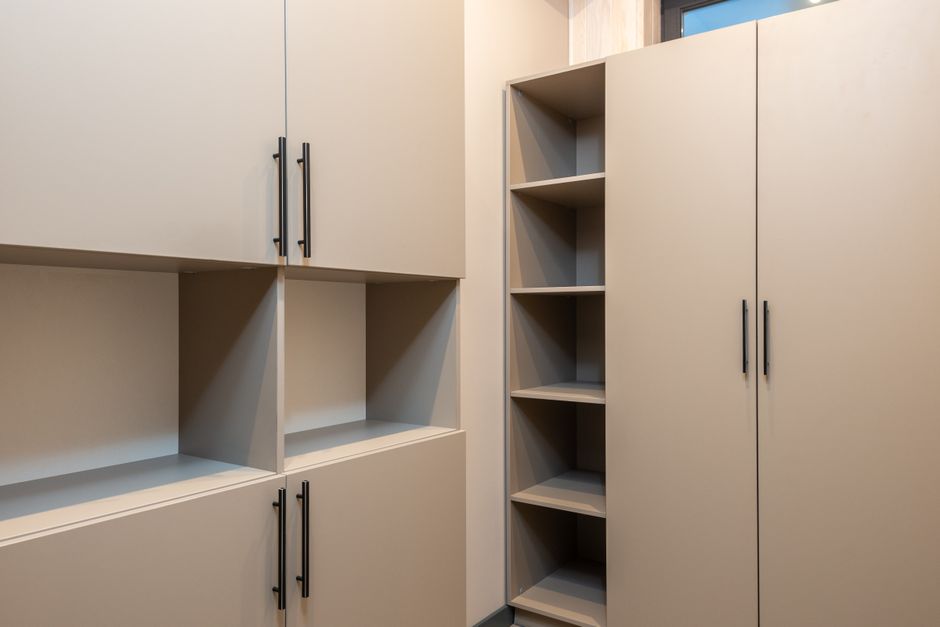
A well-organized storage cabinet transforms how you access daily essentials and keeps your home functional. Whether you’re organizing a kitchen cabinet, bathroom vanity, or garage storage unit, the principles remain consistent. Proper organization saves time searching for items, prevents duplicate purchases, and extends the life of your belongings. In August 2026, smart storage solutions are more accessible than ever, with modular systems and space-saving organizers available at every price point.
Key Takeaway: Strategic organization using vertical space, categorization, and quality containers can dramatically increase your storage cabinet’s capacity and usability.
What Are the Best Strategies for Assessing Your Storage Cabinet?
Before organizing, you must understand your cabinet’s current state and potential. Empty the entire cabinet completely and wipe down all surfaces. Measure the height, width, and depth of each shelf compartment. Note any existing damage, uneven shelving, or structural limitations. This assessment reveals exactly how much space you have to work with and identifies problem areas.
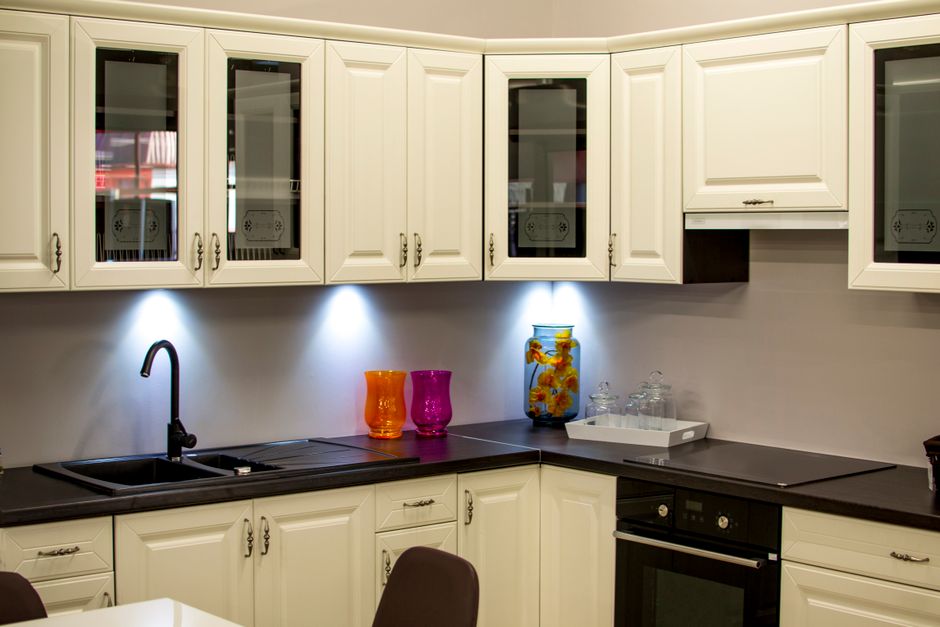
Take photographs of your empty cabinet from multiple angles. Document shelf heights and any obstacles like pipes or electrical outlets. This visual record helps you plan your organization system and shop for appropriately sized containers and dividers. Understanding your space prevents costly mistakes and ensures every organizer you purchase fits perfectly.
Measuring and Planning Your Layout
Accurate measurements are essential for maximizing space. Use a tape measure to record exact dimensions of each shelf, including depth from the front edge to the back wall. Note the distance between shelves, as this determines what size containers you can stack. Consider the cabinet’s door swing and whether items will obstruct opening or closing.
- Measure shelf height, width, and depth in inches or centimeters.
- Check clearance space needed for door opening and closing.
- Identify dead zones or awkward corners that need creative solutions.
- Note any shelves that don’t sit level and may need adjustment.
Key Takeaway: Precise measurements and planning prevent purchasing wrong-sized organizers and ensure optimal space utilization.
How Should You Categorize and Sort Cabinet Items?
Categorization is the foundation of effective storage. Group similar items together: cleaning supplies, personal care products, kitchen tools, or office materials. Create piles for each category on a nearby table or floor. This visual organization reveals what you actually own and identifies duplicates or expired items that should be discarded.

Within each category, create subcategories by frequency of use. Items you access daily should be at eye level and easily reachable. Weekly items go on middle shelves. Rarely used items belong on higher or lower shelves. This frequency-based arrangement saves time and reduces reaching or bending unnecessarily.
Decluttering Before You Organize
Decluttering is non-negotiable for maximum space efficiency. Discard expired medications, dried-up cosmetics, and broken items. Donate duplicate tools or supplies you’ll never use. Be ruthless: if you haven’t used something in two years, you probably don’t need it. The less you store, the more space remains for items that matter.
- Throw away expired products and broken items immediately.
- Donate unused duplicates to local charities or friends.
- Keep only items you use regularly or truly value.
- Create a “donate” box and remove it from your home promptly.
Key Takeaway: Removing unnecessary items before organizing creates more usable space and makes your system easier to maintain long-term.
What Organizers and Containers Maximize Cabinet Space?
The right containers and organizers transform chaotic cabinets into functional systems. Clear plastic bins allow you to see contents without opening them, saving time and preventing duplicate purchases. Stackable containers maximize vertical space. Drawer dividers keep small items organized and accessible. Door-mounted organizers reclaim valuable interior space that would otherwise sit empty.
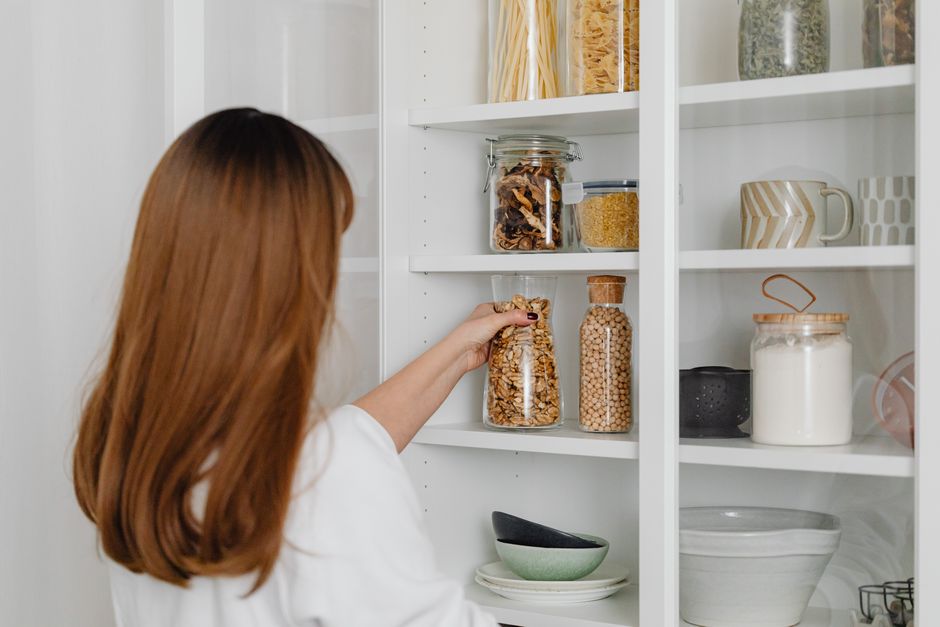
Invest in adjustable shelving inserts and shelf risers that create additional storage levels. Lazy Susans improve accessibility in deep cabinets by allowing you to rotate items forward. Magnetic strips hold metal tools securely. Adhesive hooks on cabinet sides provide hanging storage for lightweight items. Quality organizers cost more initially but pay for themselves through improved efficiency and reduced waste.
Choosing the Right Container Types
Different items require different storage solutions. Tall items need tall containers or hooks. Small loose items benefit from divided drawer organizers. Frequently accessed items need open-top bins for quick retrieval. Rarely used items can go in sealed containers that protect them from dust and moisture. Match your container choice to how you’ll actually use the items stored inside.
- Clear plastic bins for items you need to identify quickly.
- Drawer dividers for small tools, utensils, or accessories.
- Stackable containers for items stored in groups or sets.
- Door organizers for frequently accessed small items.
- Sealed containers for rarely used or seasonal items.
- Shelf risers to create double-decker storage on single shelves.
Key Takeaway: Selecting containers matched to your items and usage patterns creates an organized system that actually works long-term.
How Do You Implement Vertical Storage Effectively?
Vertical storage is the most powerful space-maximizing technique available. Most cabinets have wasted vertical space between shelves. Shelf risers create a second storage layer on existing shelves, effectively doubling capacity. Stack containers vertically using corner spaces and tall, narrow bins. Install hooks on cabinet walls and doors to hang lightweight items vertically instead of laying them flat.

Vertical storage reduces the footprint of your items while increasing total capacity. A single shelf can hold five containers stacked vertically instead of two containers placed side-by-side. This approach works especially well in narrow cabinets where horizontal expansion is limited. The key is ensuring stacked items don’t exceed shelf weight limits and remain accessible.
Stacking and Layering Strategies
Proper stacking prevents items from toppling and maximizes stability. Place heavier containers on lower shelves and lighter ones on top. Use non-slip shelf liners to prevent containers from sliding. Stack containers with flat bottoms and lids for stability. Never stack items higher than you can safely reach or see into. Leave some breathing room to prevent items from being crushed.
- Place heavy containers on lower shelves for stability.
- Use non-slip liners under containers to prevent sliding.
- Stack only containers with flat, stable bases.
- Avoid stacking taller than your comfortable reaching height.
- Leave space between stacks for air circulation and accessibility.
Key Takeaway: Strategic vertical stacking using shelf risers and tall containers can double your cabinet’s effective storage capacity safely.
What About Organizing the Cabinet Doors?
Cabinet doors represent significant wasted space in most storage systems. Over-the-door organizers hang securely on cabinet doors and hold frequently accessed items. Adhesive hooks can hold lightweight items like bags or cords. Door-mounted shelves add storage without taking up interior shelf space. This approach is especially valuable in small cabinets where interior space is premium.
Door organization works best for lightweight items you access frequently. Heavy items on doors can stress hinges and make doors difficult to open. Ensure door organizers don’t interfere with cabinet closure or block interior visibility. Test the door’s weight capacity before loading it heavily. Door organizers are ideal for cleaning supplies, spices, medications, or small tools.
Door-Mounted Solutions for Maximum Access
Door organizers come in many styles suited to different items. Spice racks mount on pantry cabinet doors. Shoe organizers hold cleaning supplies or personal care items. Hanging baskets store lightweight supplies. Adhesive strips hold magnetic containers. Clear pockets let you see contents instantly. Choose organizers that match your cabinet’s interior dimensions and aesthetic.
- Over-the-door organizers for frequently accessed items.
- Adhesive hooks for bags, cords, or lightweight tools.
- Magnetic strips for metal items like scissors or tools.
- Clear pockets for small items you need to identify quickly.
- Hanging baskets for grouped supplies or categories.
Key Takeaway: Door-mounted organizers maximize storage without consuming interior shelf space and keep frequently used items within arm’s reach.
How Can You Maintain Your Organized Cabinet Long-Term?
Organization systems fail when maintenance is neglected. Schedule a monthly review to ensure items remain in their designated spaces. Return items to their homes immediately after use rather than letting them accumulate. Check expiration dates quarterly, especially for food, medications, or cleaning products. Replace worn-out containers or organizers promptly. Small maintenance efforts prevent your cabinet from reverting to chaos.
Create a simple labeling system so everyone in your household knows where items belong. Use waterproof labels on containers and shelves. Take a photo of your organized cabinet and post it inside the door as a reference. Involve family members in maintaining the system by explaining the logic behind item placement. When everyone understands the organization, they’re more likely to maintain it.
Labeling and Documentation Systems
Clear labeling is essential for household organization. Label containers with their contents and expiration dates. Use a label maker for professional-looking, durable labels. Include quantity information for items you reorder regularly. Take photos of organized shelves before and after reorganization to document what works. Keep a simple inventory list of items stored in less-visible locations.
- Use waterproof labels on all containers and bins.
- Include item names and expiration dates on labels.
- Take photos of organized shelves for reference and troubleshooting.
- Keep an inventory list for items in opaque containers.
- Update labels when item locations change.
Key Takeaway: Consistent labeling and monthly maintenance keep your organized cabinet functional and prevent clutter from accumulating over time.
What Are Common Mistakes to Avoid When Organizing Cabinets?
Understanding common pitfalls helps you create a lasting organization system. Overstuffing shelves creates instability and makes items inaccessible. Storing items in their original packaging wastes space; transfer to compact containers instead. Placing heavy items on high shelves creates safety hazards. Ignoring weight limits on shelves can cause damage or collapse. Organizing without a plan leads to inefficient layouts that don’t match your actual usage patterns.
Another common mistake is buying organizers before assessing your cabinet. This often results in wrong-sized containers that don’t fit. Avoid trendy organizers that don’t suit your specific items or cabinet dimensions. Don’t organize based on aesthetics alone; functionality must come first. Finally, resist the urge to overfill your newly organized cabinet; leave 10 to 15 percent empty space for flexibility and accessibility.
Safety and Structural Considerations
Cabinet organization must prioritize safety and structural integrity. Check your cabinet’s weight capacity before loading shelves heavily. Never exceed manufacturer recommendations for shelf weight limits. Ensure shelves are level and properly supported. Avoid placing heavy items on adjustable shelves without proper support. Test stability before fully loading your organized cabinet.
- Check weight capacity ratings for shelves before loading.
- Never exceed manufacturer weight limits for cabinet doors.
- Ensure all shelves sit level and are properly supported.
- Place heaviest items on lowest, most stable shelves.
- Test stability of stacked items before leaving them unattended.
Key Takeaway: Respecting weight limits, ensuring level shelves, and prioritizing safety prevents damage and creates a sustainable organization system.
How Does Cabinet Organization Connect to Overall Home Organization?
Storage cabinet organization is one piece of a larger home organization puzzle. When you organize cabinets effectively, you create systems that extend to other storage areas. The principles you learn—categorization, vertical storage, containerization—apply to closets, drawers, and shelving units throughout your home. A well-organized cabinet sets the foundation for maintaining order in other spaces. Similar organizational strategies work in entryways, bedrooms, and home offices where storage space is valuable.
Consider how your cabinet organization connects to your lifestyle and daily routines. If you work from home, an organized office cabinet supports productivity. An organized kitchen cabinet saves time during meal preparation. A tidy bathroom vanity cabinet makes your morning routine smoother. Each organized space reduces stress and improves efficiency. The effort you invest in one cabinet often motivates you to organize other areas, creating a cascading positive effect throughout your home.
For related organization projects, you might explore how to organize shoes in a small entryway or organize a messy desk with minimal accessories. These guides use similar organizational principles applied to different spaces. You can also learn about building a DIY shoe rack if you need additional storage solutions for entryways or closets.
Key Takeaway: Cabinet organization principles apply across your entire home, creating interconnected systems that reduce clutter and improve daily efficiency.
What Is the Ideal Conclusion to Your Cabinet Organization Project?
Organizing a storage cabinet for maximum space is an achievable project that yields immediate, tangible benefits. By assessing your cabinet, categorizing items, decluttering ruthlessly, and investing in quality organizers, you can increase usable capacity by 30 to 40 percent. Vertical storage, door-mounted solutions, and strategic placement of frequently used items create a functional system you’ll actually maintain. The time invested upfront pays dividends through improved accessibility, reduced waste, and decreased household stress.
Remember that organization is not a one-time event but an ongoing practice. Monthly maintenance and consistent labeling keep your system functional. Involve household members in maintaining the organization so everyone understands the logic. Start with one cabinet and expand your organizational efforts to other storage areas gradually. By August 2026, smart storage solutions and modular organizers make it easier than ever to create functional, beautiful storage systems that work with your lifestyle rather than against it.
Your organized cabinet becomes a model for other storage spaces in your home. The skills you develop organizing one cabinet transfer seamlessly to closets, pantries, and garage storage. Begin today by removing everything from your cabinet and assessing what you actually need to store. Take measurements, purchase appropriate organizers, and implement your system methodically. Within a few hours, you’ll have a transformed storage space that serves you efficiently for years to come.
Key Takeaway: Strategic storage cabinet organization using proven techniques creates lasting systems that maximize space, improve accessibility, and reduce household clutter significantly.
Frequently Asked Questions
What is the best way to organize small kitchen cabinets?
For small kitchen cabinets, use vertical space aggressively with shelf risers and stackable containers. Group similar items together and store frequently used items at eye level. Use drawer dividers for utensils and small tools. Install door-mounted organizers for spices or small jars. Remove original packaging and transfer items to compact, stackable containers. This approach can increase capacity by 40 percent while improving accessibility.
How often should I reorganize my storage cabinet?
Perform a full cabinet reorganization annually, typically at the beginning of a new season. Conduct monthly maintenance checks to ensure items remain in designated places and remove expired products. Quarterly reviews of expiration dates keep your cabinet fresh and safe. If your needs change significantly, reorganize sooner. Regular maintenance prevents the need for major reorganizations and keeps your system functional long-term.
What containers work best for cabinet organization?
Clear plastic bins work best for most items because you can see contents without opening them. Stackable containers maximize vertical space efficiently. Drawer dividers organize small items like utensils or tools. Sealed containers protect rarely used items from dust and moisture. Lazy Susans improve accessibility in deep cabinets. Choose containers that match your cabinet dimensions and suit the items you’re storing for optimal results.
How do I prevent items from falling when stacking in cabinets?
Use non-slip shelf liners under containers to prevent sliding. Stack only items with flat, stable bases and secure lids. Place heavier items on lower shelves and lighter items on top. Never stack higher than your comfortable reaching height. Leave space between stacks for stability and accessibility. Test the stability of stacked items before leaving them unattended to ensure they won’t topple.
Can I use the cabinet door for heavy items?
Cabinet doors have weight limits and should store only lightweight items. Heavy items stress hinges and make doors difficult to open or close. Check your cabinet’s door weight capacity before mounting organizers. Use door space for frequently accessed lightweight items like spices, cleaning supplies, or small tools. Reserve heavy items for interior shelves where they’re properly supported.
What should I do with items I rarely use?
Store rarely used items on the highest or lowest shelves where they’re less accessible. Use sealed containers to protect them from dust and moisture. Keep an inventory list if items are in opaque containers so you remember what you have stored. Consider donating items you haven’t used in two years. If you keep seasonal items, organize them in labeled bins stored out of the way until needed.










Write Your Review
No reviews yet. Be the first to share your experience!