

How to Arrange Books on a Bookshelf: Quick Answer & Overview
Arranging books on a bookshelf combines aesthetics with functionality. The best approach depends on your priorities: alphabetical organization for easy finding, color coordination for visual impact, or genre grouping for thematic flow. Start by decluttering, then choose your arrangement method. Mix vertical and horizontal placement for visual interest. Add decorative objects between sections to break up monotony. Consider shelf spacing and weight distribution. Your personal style matters most—create a display that reflects your taste while remaining practical for daily use.

A well-arranged bookshelf transforms a room and showcases your personality. Whether you’re designing a home library, bedroom reading nook, or living room display, strategic book placement elevates your interior design. In 2026, many homeowners blend functionality with aesthetic appeal, treating bookshelves as focal points rather than mere storage. This guide walks you through proven methods, design principles, and practical tips to create a bookshelf that’s both beautiful and functional for your lifestyle.
Key Takeaway: The ideal bookshelf arrangement balances your organizational needs with visual design preferences.
What Are the Main Methods for Organizing Books on a Bookshelf?
Five primary organization methods dominate bookshelf design. Each offers distinct advantages depending on your collection size and lifestyle. The method you choose affects both functionality and aesthetics significantly. Most people combine multiple approaches for optimal results. Understanding each method helps you decide what works best for your space.

- Alphabetical by author: Easy to locate specific titles quickly.
- By genre or category: Groups related books together logically.
- By color: Creates visually stunning rainbow or gradient effects.
- By size: Arranges books from tallest to shortest for clean lines.
- By publication date: Follows a chronological reading timeline.
Alphabetical Organization for Maximum Functionality
Alphabetical arrangement by author’s last name remains the most practical method for serious readers. This system works like a library catalog, making book retrieval instant. You’ll never waste time searching for a specific title again. It’s ideal if you frequently reference your collection or loan books to friends. However, it may sacrifice visual appeal for pure function.
This method works best for large collections exceeding 100 books. Smaller libraries may feel overly rigid with strict alphabetization. Implement it shelf by shelf rather than across your entire bookcase. This allows flexibility while maintaining organization within each shelf unit. Mark shelf sections with small labels for quick navigation.
Color-Coordinated Shelving for Visual Impact
Color coordination creates Instagram-worthy bookshelves that function as room décor. Arrange books by spine color to form gradients, rainbows, or monochromatic schemes. This method prioritizes aesthetics over quick retrieval. Your bookshelf becomes an art installation that complements your interior design. Color-coordinated shelves work especially well in living rooms and bedrooms.
Start by photographing all book spines and organizing them digitally by color. Group similar hues together, then physically arrange them on shelves. Consider creating a color gradient from warm to cool tones. This approach requires patience but delivers stunning visual results. Pair colored books with decorative objects in complementary shades for cohesion.
Key Takeaway: Color coordination transforms bookshelves into visual design elements that enhance room aesthetics.
How Do You Combine Aesthetics with Practical Organization?
The best modern bookshelves blend beauty with usability. Hybrid approaches let you enjoy visual appeal while maintaining functional access to your books. Most design experts recommend combining two complementary methods. This balanced strategy satisfies both your aesthetic sensibilities and daily reading habits. The key is prioritizing what matters most to you.
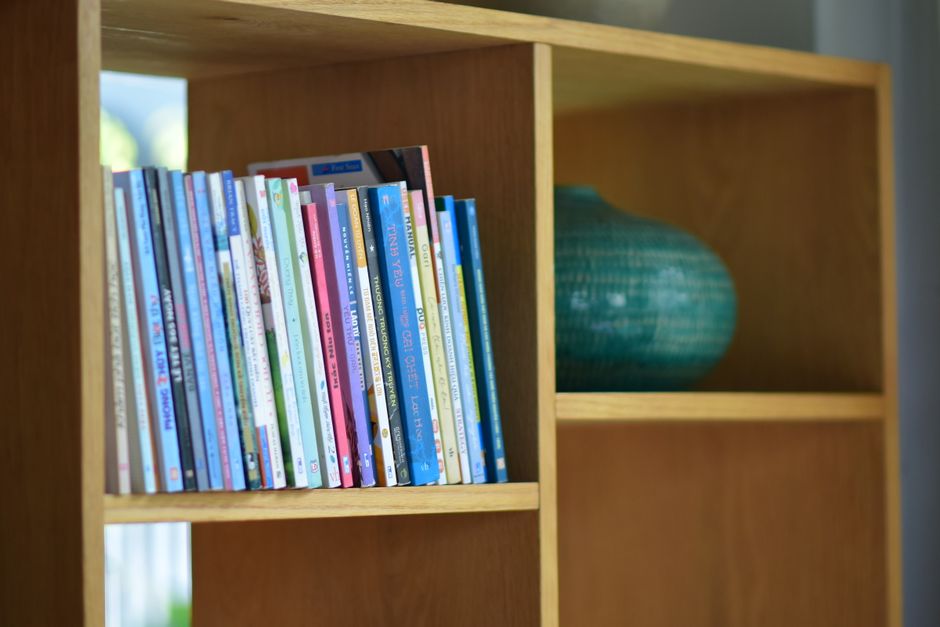
- Organize by genre, then arrange each genre by color within its section.
- Group by author, but arrange each author’s books by spine color.
- Separate fiction and nonfiction, then color-coordinate within each category.
- Arrange by size for clean lines, then color-match within size groups.
- Create themed sections by topic, then arrange by color for visual flow.
Creating Visual Balance with Mixed Orientations
Mixing vertical and horizontal book placement breaks monotony and adds visual interest. Place some books upright in traditional position, then stack others horizontally. This technique works particularly well on floating shelves or statement bookshelves. Horizontal stacking also prevents shelf sagging from uneven weight distribution. The varied orientation creates dynamic, curated appearance.
Use horizontal stacking for your most visually striking books. Coffee table books with beautiful covers work perfectly in horizontal position. Stack three to five books maximum to avoid looking cluttered. Vary the height of your stacks for visual rhythm. This method also lets you display book covers as art pieces.
Incorporating Decorative Objects and Negative Space
Empty space and decorative objects prevent shelves from feeling cramped or overwhelming. Aim for roughly 60-70 percent books and 30-40 percent negative space or décor. This ratio creates breathing room and prevents visual fatigue. Decorative items break up long stretches of book spines. They also showcase your personality and style preferences.
Choose décor items that complement your book collection’s color scheme. Small plants, framed photos, bookends, and sculptures work beautifully. Space items evenly across shelves rather than clustering them together. Leave at least one shelf partially empty for visual relief. This approach makes your bookshelf feel intentional and curated rather than overstuffed.
Key Takeaway: Strategic use of negative space and decorative objects transforms shelves from storage into stylish displays.
What Physical Considerations Affect Bookshelf Arrangement?
Weight distribution and shelf stability directly impact your arrangement choices. Heavy books require strategic placement to prevent warping or collapse. Most standard shelves support 25-50 pounds per linear foot. Exceeding this limit damages both shelves and books. Understanding these constraints ensures your beautiful arrangement stays safe and functional.

- Place heavier books on lower shelves to maintain stability.
- Distribute weight evenly across shelf length rather than clustering.
- Use bookends to prevent leaning and reduce pressure points.
- Avoid stacking more than 5-6 books horizontally to prevent damage.
- Leave gaps between sections to allow air circulation and reduce moisture damage.
Selecting Appropriate Bookends and Support Systems
Quality bookends prevent books from leaning and toppling. They also contribute to your shelf’s visual design. Choose bookends that complement your décor style and color scheme. Metal, wood, ceramic, and decorative bookends each offer distinct aesthetic appeal. Proper bookends reduce strain on shelf structure significantly.
Position bookends at the end of each book group, not in the middle of rows. This prevents books from shifting and maintains organization. Heavy bookends work better than lightweight versions for stability. Consider using bookends even on partially filled shelves for visual definition. Quality bookends are investment pieces that last decades.
Managing Shelf Sagging and Long-Term Durability
Sagging shelves compromise both safety and aesthetics. Prevent this by distributing weight evenly and not overloading any single shelf. Check shelves quarterly for signs of warping or bowing. If sagging occurs, reduce weight or add additional shelf supports. Proper maintenance preserves your bookshelf investment for years.
Avoid placing all your heaviest books on one shelf. Alternate heavy and light sections across your bookcase. Use shelf dividers or supports for extra-long shelves holding numerous books. Monitor shelves seasonally as humidity changes affect wood expansion. Address sagging immediately before structural damage worsens.
Key Takeaway: Proper weight distribution and quality bookends ensure your arranged bookshelf remains stable and beautiful long-term.
How Can You Personalize Your Bookshelf to Reflect Your Style?
Your bookshelf should tell your story and reflect personal interests. Incorporate elements that make the display uniquely yours. This goes beyond book selection to include arrangement style and decorative choices. Personal touches transform a functional shelf into a conversation piece. Don’t be afraid to break conventional rules if they don’t serve your vision.
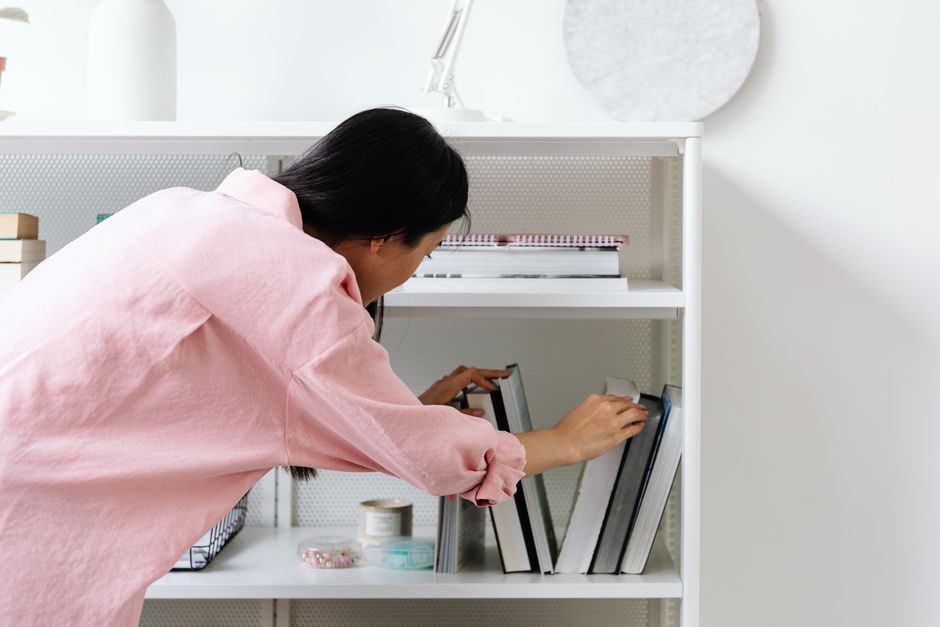
- Display first editions or signed books as premium collection pieces.
- Add travel souvenirs and mementos between book sections.
- Include family photos in frames that match your décor aesthetic.
- Showcase awards, certificates, or meaningful objects among books.
- Use shelf styling to highlight books that hold special personal meaning.
Creating Themed Sections and Collections
Themed sections make your bookshelf more interesting and easier to navigate. Group books by subject matter, favorite authors, or reading genre. Create visual sections using bookends, decorative objects, or color transitions. Themed organization tells a story about your interests and passions. Visitors can understand your personality through your collection arrangement.
Consider dedicating shelf sections to specific interests like travel, cooking, or history. Arrange these sections prominently if they’re important to you. Add relevant decorative items—a vintage globe for travel books, for example. This approach creates visual storytelling that engages viewers. It also makes finding books within themes much easier.
Styling Tips from Interior Design Professionals
Professional designers recommend the “rule of three” for shelf styling. Group items in odd numbers for more visually appealing arrangements. Vary heights by stacking some books horizontally and standing others vertically. Create focal points by highlighting one or two special items per shelf. This professional approach elevates your bookshelf from cluttered to curated.
Use vertical lines to draw the eye upward and make shelves appear taller. Incorporate horizontal elements to create stability and grounding. Balance dark and light elements to prevent heavy appearance. Leave breathing room around statement pieces or beautiful book covers. These design principles apply whether you’re styling a bookshelf or other furniture like a coffee table.
Key Takeaway: Personalization and professional design principles combine to create bookshelves that are both beautiful and meaningful.
What Practical Steps Should You Follow to Arrange Your Bookshelf?
A systematic approach ensures successful bookshelf arrangement. Follow these steps in order for best results. This process works whether you’re arranging 50 books or 500. Taking time upfront prevents frustration and rearranging later. Most people complete this project in 2-4 hours depending on collection size.
Step-by-Step Arrangement Process
- Remove all books and items: Clear shelves completely. Wipe down shelves to remove dust before replacing items. This fresh start allows you to see your full collection and assess condition.
- Assess and declutter: Evaluate each book honestly. Donate, sell, or recycle books you won’t reread. Keep only books that bring value or joy to your life. This reduces volume and makes arrangement easier.
- Choose your organization method: Decide between alphabetical, color, genre, or hybrid approaches. Consider your lifestyle and how you access books most frequently. Write down your chosen method to stay consistent.
- Sort and group books: Organize books according to your chosen method. Create separate piles for each category or color group. This sorting phase is most time-consuming but critical for success.
- Plan shelf layout: Sketch your bookshelf layout on paper. Indicate where each group will go and how much space each needs. Plan decorative object placement for visual balance.
- Arrange books on shelves: Place books according to your plan. Start with lower shelves and work upward. Stand books upright, stack some horizontally, and position bookends strategically.
- Add decorative elements: Place plants, frames, and objects between book sections. Leave adequate negative space to prevent overcrowding. Step back frequently to assess overall appearance.
- Final adjustments: Make minor tweaks to achieve visual balance. Adjust spacing and object placement as needed. Take photos to remember your arrangement if you make changes later.
Key Takeaway: Following a systematic process ensures your bookshelf arrangement is successful and satisfying.
How Does Bookshelf Arrangement Relate to Other Home Organization?
Bookshelf styling connects to broader home organization and interior design. The same principles apply to other furniture and storage areas. Organizing books teaches skills useful for dresser drawers, nightstands, and living room furniture. A cohesive approach to home organization creates harmony throughout your space. Your bookshelf becomes part of a larger design vision.
Just as you’d organize dresser drawers efficiently, bookshelf arrangement requires intentional planning. The same color coordination and visual balance principles apply. Consider how your bookshelf coordinates with nearby furniture and décor. If you’re styling a bedroom, coordinate your bookshelf with nightstand styling for cohesion. Unified design throughout your home creates a polished, intentional appearance.
Key Takeaway: Bookshelf arrangement principles extend to broader home organization and interior design strategies.
Frequently Asked Questions
Should I arrange books by color or by genre?
Choose based on your priorities. Color arrangement creates visually stunning displays but makes finding specific books harder. Genre organization prioritizes functionality and easy retrieval. Many people combine both methods: organize by genre first, then arrange each genre by color. This hybrid approach balances aesthetics with practicality. Your choice depends on whether you prioritize visual appeal or quick access.
How much space should I leave between books and decorative objects?
Aim for roughly 60-70 percent books and 30-40 percent negative space or décor. This ratio prevents shelves from feeling overcrowded while maintaining visual interest. Leave at least 2-3 inches of space around decorative objects. Vary spacing throughout shelves for dynamic appearance. Uneven spacing creates visual movement and prevents monotony.
What’s the best way to prevent bookshelf sagging?
Distribute weight evenly across shelf length rather than clustering heavy books together. Place heavier books on lower shelves where structural support is strongest. Avoid overloading any single shelf beyond manufacturer weight limits. Use quality bookends to reduce stress on shelf edges. Check shelves quarterly and address any sagging immediately before damage worsens.
Can I mix different book sizes on the same shelf?
Yes, mixing sizes creates visual interest and breaks monotony. Arrange books by height gradient—tallest on one end, shortest on the other. Alternatively, cluster similar-sized books together for clean lines. Mix horizontal and vertical placement to accommodate different heights. This approach works well when combined with color coordination or genre organization.
How do I make my bookshelf look more curated and less cluttered?
Use the “rule of three” by grouping items in odd numbers. Create focal points with one or two special items per shelf. Leave adequate negative space around statement pieces. Vary heights and orientations to create visual rhythm. Use consistent decorative elements like matching bookends or frames. These professional design techniques instantly elevate your bookshelf’s appearance.
What types of decorative objects work best on bookshelves?
Small plants, framed photos, sculptures, and bookends complement books beautifully. Choose items that match your color scheme and style. Avoid oversized objects that overwhelm book displays. Vary textures and materials for visual interest. Keep decorative items to 30-40 percent of total shelf space. Quality over quantity creates a more sophisticated, intentional appearance.
How Can You Maintain Your Arranged Bookshelf Long-Term?
Maintaining your bookshelf arrangement requires minimal ongoing effort. Regular upkeep preserves both the organization and the books themselves. Dust shelves monthly to prevent buildup and damage. Periodically check for books you no longer love and remove them. Rotate decorative objects seasonally to keep displays fresh and interesting. Simple maintenance keeps your bookshelf beautiful for years.
Review your arrangement quarterly to ensure it still reflects your style and needs. As your book collection grows, you may need to reorganize or declutter. Address any sagging shelves immediately to prevent structural damage. Protect books from moisture, sunlight, and temperature fluctuations. Store valuable or vintage books in optimal conditions. Proper care ensures both your arrangement and collection remain in excellent condition long-term.
Whether you’re creating a bedroom library, living room focal point, or home office display, thoughtful arrangement transforms bookshelves into beautiful design elements. Apply these principles consistently, and your bookshelf will showcase your personality while remaining functional and accessible. Take time to create an arrangement you love—you’ll enjoy the results every time you look at it.
Key Takeaway: Regular maintenance and periodic reviews keep your bookshelf arrangement beautiful and functional indefinitely.




Write Your Review
No reviews yet. Be the first to share your experience!