

How to Style a Coffee Table Like a Designer in 2026?
Quick Answer: Professional coffee table styling combines the rule of three (books, plants, decorative objects), layering heights and textures, and intentional negative space. Start with a functional base—a tray or books—then add a statement object, greenery, and one personal accent piece. Balance visual weight by mixing matte and glossy finishes. Refresh seasonal displays monthly. The key is restraint: designers avoid cluttering surfaces, instead curating five to seven items maximum. This approach works in any room size and complements both minimalist and maximalist aesthetics. Proper styling elevates your entire living room’s visual impact within 30 minutes of rearrangement.
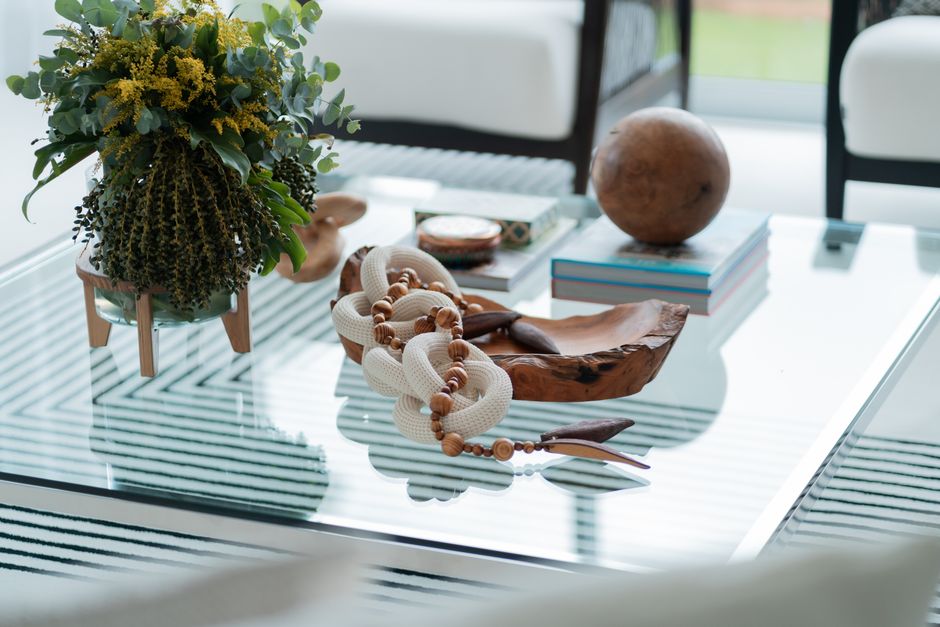
A well-styled coffee table serves as your living room’s centerpiece and sets the tone for your entire home’s design language. In 2026, interior designers emphasize functionality paired with aesthetic appeal—your table should look beautiful while remaining practical for daily use. The difference between a cluttered table and a curated one lies in intentional selection and strategic placement. Professional styling isn’t about expensive items; it’s about understanding composition, proportion, and visual flow. This guide reveals the exact techniques designers use to create Instagram-worthy tables that feel effortless and inviting.
What Are the Core Principles of Designer Coffee Table Styling?
Designer coffee table styling rests on five foundational principles that guide every decision. Understanding these principles helps you create cohesive, visually balanced displays regardless of your personal style. These rules work across minimalist, bohemian, modern, and traditional aesthetics. They’re flexible enough to adapt to your existing décor while providing structure to your styling process.
The Rule of Three and Layering
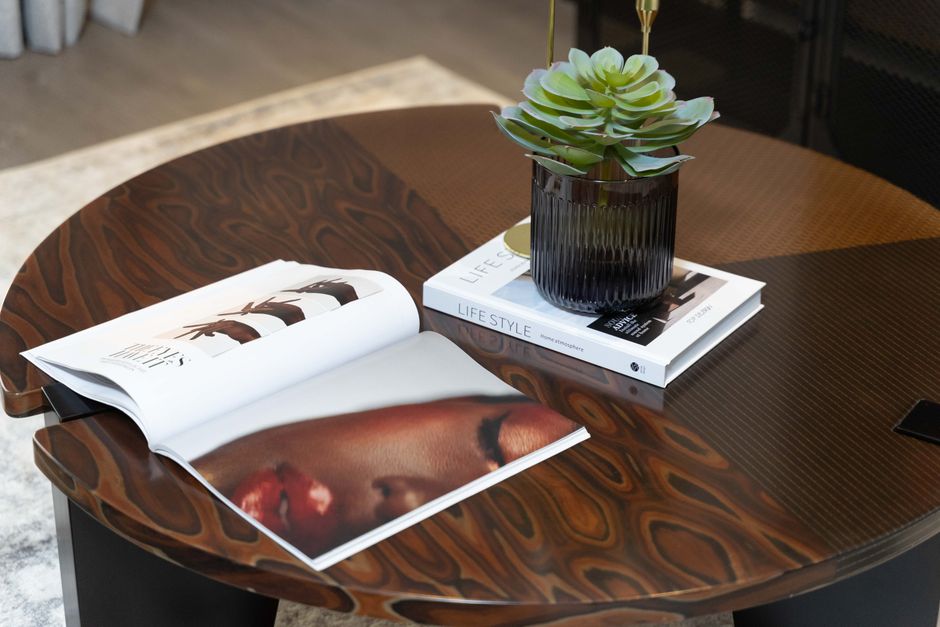
The rule of three is design’s most powerful tool. It states that groupings of three objects feel more balanced than pairs or single items. Apply this by selecting three primary design elements: one functional piece (books or a tray), one natural element (plants or flowers), and one decorative accent (candle, sculpture, or art object). This trio creates visual interest without overwhelming the space.
Layering adds depth and sophistication. Stack books horizontally, lean artwork against them, and place smaller objects on top. Vary heights so your eye travels across the surface naturally. Combine different textures—smooth ceramic, rough wood, soft fabric—to engage multiple senses visually.
- Stack books in groups of two or three for visual weight and function.
- Lean framed art or a small mirror against book stacks for height variation.
- Layer a tray underneath smaller objects to create zones and contain clutter.
- Mix matte, glossy, and textured finishes to prevent monotony.
- Vary object heights from two inches to twelve inches for dynamic composition.
Key Takeaway: Layering and the rule of three create visual interest while maintaining balance and sophistication.
Balance and Negative Space
Balance doesn’t mean symmetry. Designers use asymmetrical balance—placing heavier visual objects on one side and lighter pieces on the other. A large plant on the left side balances a tall stack of books on the right. This approach feels more dynamic and modern than mirror-image arrangements.
Negative space—empty surface area—is equally important as filled space. Resist the urge to cover every inch. Leave at least 30 percent of your table bare to prevent a cluttered appearance. This breathing room makes your styled pieces feel intentional rather than accidental. It also keeps the table functional for drinks, remotes, and daily items.
Key Takeaway: Asymmetrical balance and generous negative space create sophisticated, functional displays.
Which Objects Should You Include on Your Coffee Table?
Selecting the right objects determines whether your table looks curated or chaotic. Designers choose items that serve multiple purposes: beauty and function, visual interest and practicality. The best coffee table displays include a mix of categories that work together harmoniously.
Books and Functional Pieces
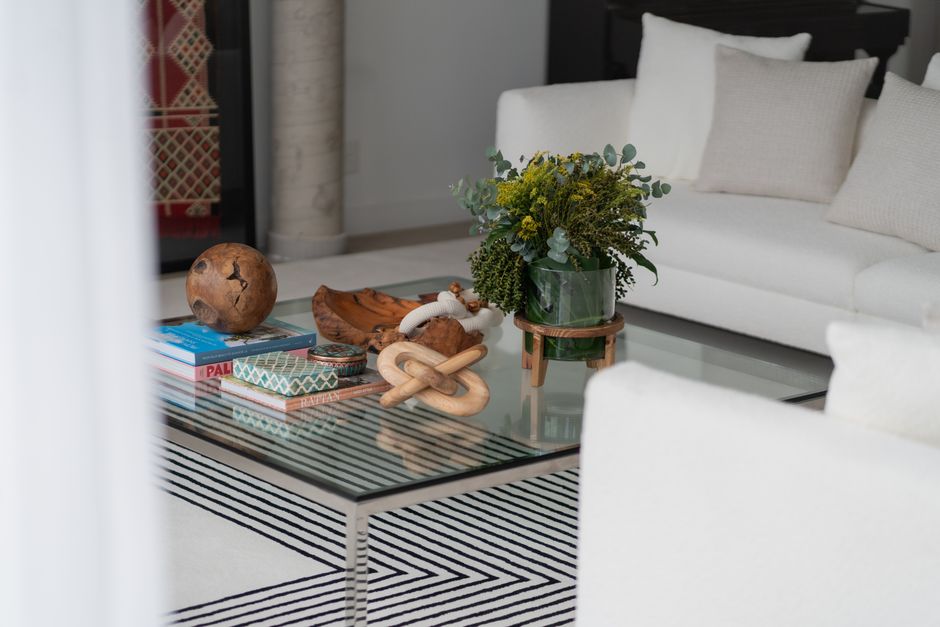
Books are a designer’s secret weapon. They add color, texture, and instant sophistication. Choose books with beautiful covers that complement your color scheme. Stack them horizontally in groups of two to four books. Vary the heights by mixing hardcovers and paperbacks. Coffee table books about art, travel, or design work best—guests will naturally pick them up and enjoy them.
Beyond books, include one functional piece: a decorative tray, a wooden box, or a small basket. These serve as visual anchors and practical zones for organizing smaller items like remotes or coasters. A tray also makes it easy to move multiple items at once when you need table space.
- Select two to three coffee table books with visually striking covers.
- Stack books horizontally, alternating spine direction for visual interest.
- Place a decorative tray as an anchor point for smaller grouped objects.
- Include one functional element like a wooden box or ceramic container.
Key Takeaway: Books and functional pieces create the foundation of any well-styled coffee table.
Natural Elements and Greenery
Living plants or fresh flowers instantly elevate coffee table styling. They add color, texture, and a sense of vitality. In 2026, biophilic design continues to dominate interior styling—bringing nature indoors improves both aesthetics and mental well-being. Choose low-height plants like succulents, small pothos, or orchids that don’t obstruct sightlines across the room.
If fresh flowers aren’t practical, high-quality faux botanicals work beautifully. Modern artificial plants look remarkably realistic and require no maintenance. Pair greenery with natural materials like wood, stone, or ceramic to enhance the organic feel. Even a single stem in a small vase creates significant visual impact.
- Choose low-growing plants that don’t block conversation or views.
- Use a ceramic, brass, or wooden planter that matches your color palette.
- Group multiple small plants together for a more impactful display.
- Rotate seasonal flowers or greenery monthly for fresh styling.
- Pair plants with natural materials like wood, stone, or linen for cohesion.
Key Takeaway: Natural elements add life, color, and biophilic benefits to any coffee table.
Decorative Accents and Personal Touches
The final layer includes decorative accents: candles, sculptures, small art pieces, or collected objects. These items express your personality and complete the curated look. Choose one to three accent pieces rather than many small objects. A statement candle in a beautiful vessel, a small sculpture, or a framed photo adds character without clutter.
Personal touches matter most. Include one item with sentimental value—a travel souvenir, a family heirloom, or a handmade piece. This transforms a styled table from magazine-perfect to genuinely inviting. Designers balance aspirational aesthetics with authentic personality.
- Select one statement piece like a sculptural candle or art object.
- Include one personal item with sentimental or meaningful value.
- Mix finishes: pair matte candles with glossy ceramics or brushed brass.
- Avoid novelty items or overly trendy pieces that date quickly.
- Keep decorative items to three or fewer for a curated appearance.
Key Takeaway: Decorative accents and personal touches complete a styled table while maintaining sophistication.
How Should You Arrange Items for Maximum Visual Impact?
Arrangement strategy determines whether your styled table feels intentional or accidental. Designers follow specific placement techniques that guide the viewer’s eye and create visual harmony. Understanding these techniques elevates your styling from good to exceptional.
Creating Focal Points and Flow
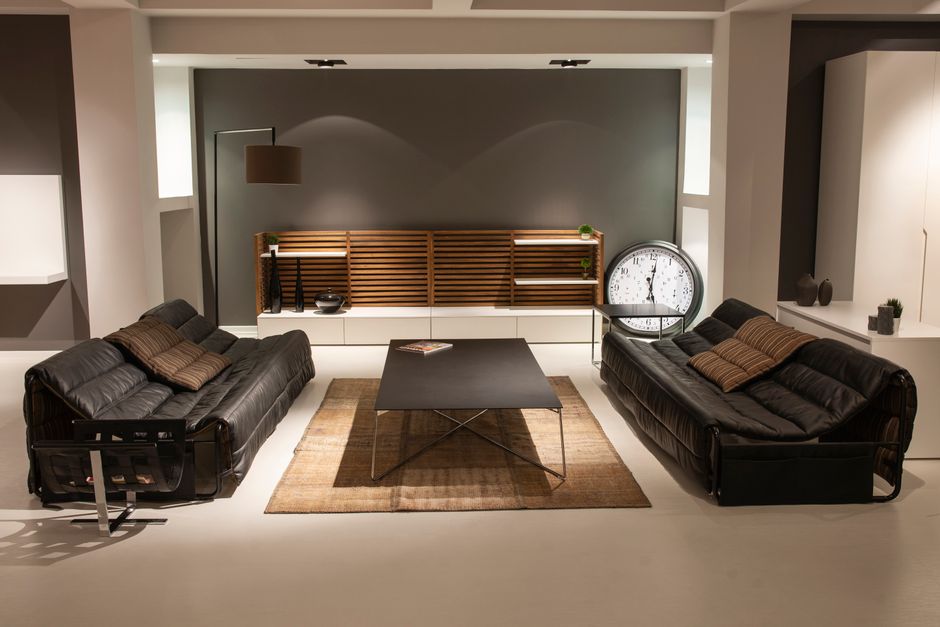
Establish one primary focal point—usually your largest or most eye-catching object. This might be a tall plant, a sculptural candle, or a stack of books. Position it slightly off-center (following the rule of thirds from photography). This asymmetrical placement feels more dynamic than centering everything. Your focal point should occupy roughly one-third of the table’s visual area.
Direct visual flow by creating a path for the eye. Start at your focal point, then place secondary objects that lead around the table. Varying heights helps this flow—tall object, medium object, low object, repeat. This creates rhythm and prevents monotony. Think of your table as a landscape where the eye naturally travels through the composition.
- Position your focal point slightly off-center using the rule of thirds.
- Vary heights in a sequence: tall, medium, low, tall, medium, low.
- Group related items together rather than scattering them randomly.
- Leave the center area slightly open for practical use and visual breathing room.
- Place heavier visual objects on one side, lighter ones on the other for balance.
Key Takeaway: Strategic placement with varying heights creates visual flow and intentional composition.
Color and Texture Coordination
Color coordination ties your table styling to your room’s overall design. Limit your palette to three to four colors that complement your sofa, walls, and existing décor. If your room features warm neutrals, incorporate brass, wood, and cream tones. For cool-toned spaces, use silver, white, and blue accents. Consistency creates cohesion.
Texture prevents your table from looking flat or boring. Combine smooth ceramics with rough wood, soft linens with shiny metals. Touch is visual—viewers sense texture even if they don’t physically touch items. Mixing matte and glossy finishes adds sophistication. A matte candle next to a glossy ceramic vessel creates visual interest through surface variation.
Key Takeaway: Coordinated colors and mixed textures create visually sophisticated, cohesive displays.
What Are Practical Tips for Maintaining Your Styled Coffee Table?
A beautifully styled table only works if it remains functional and manageable. Designers balance aesthetics with practicality. Your table should accommodate daily use—drinks, remotes, books, and family time. Build flexibility into your styling so it adapts to real life.
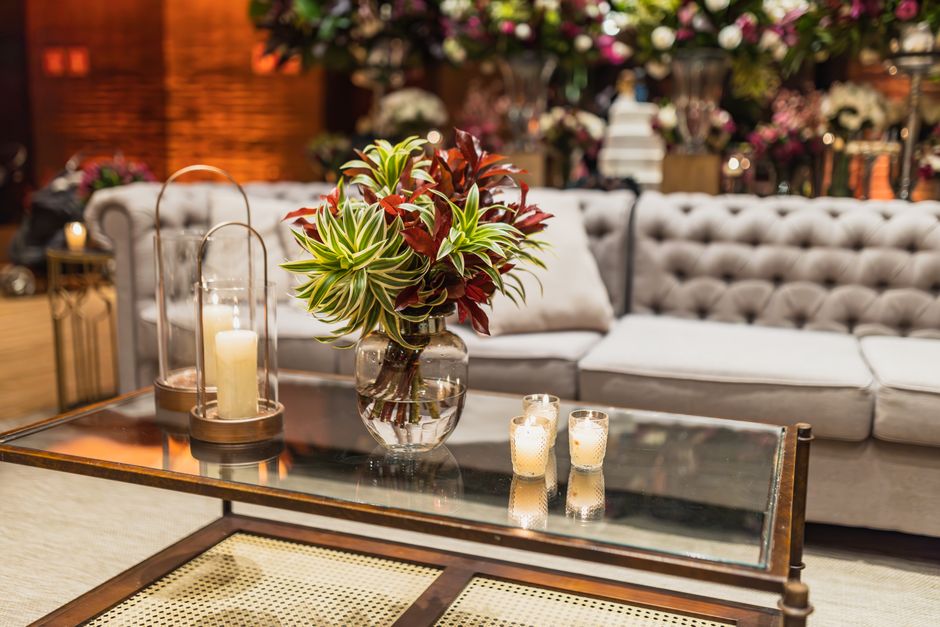
Functional Styling Strategies
Include a decorative tray that can hold remotes, coasters, and small items. This creates a designated zone and makes cleanup quick when needed. Choose a tray in a material and color that complements your display. Woven, wood, brass, and ceramic trays all work beautifully depending on your aesthetic.
Keep one corner of your table intentionally clear for daily use. This signals to family members that the space is functional, not purely decorative. Refresh your styling monthly by rotating books, swapping out flowers, or rearranging objects. This keeps your table feeling fresh while maintaining the curated appearance.
- Use a decorative tray to corral remotes, coasters, and small daily items.
- Keep one corner clear for practical use and daily necessities.
- Choose washable surfaces and materials that resist water rings and stains.
- Rotate seasonal items monthly to refresh the look without major changes.
- Store extra styling items in a nearby console or credenza for quick swaps.
Key Takeaway: Functional styling balances beauty with practicality for a table that works in real life.
Seasonal and Monthly Refresh Ideas
Update your styling seasonally to keep your space feeling current and intentional. In summer 2026, incorporate lighter colors, fresh flowers, and bright accents. Swap heavy books for lighter reads. Add white or pastel-colored candles. Include fresh greenery or flowering plants. This seasonal approach keeps your home feeling connected to the natural world.
For monthly refreshes, simply rotate one element. Swap out books, change flowers, or rearrange the position of objects. This small change makes your table feel intentionally styled rather than static. It takes five minutes but dramatically impacts the perceived care and design consciousness of your space.
- Summer 2026: Use light colors, fresh flowers, and bright green plants.
- Fall: Incorporate warm tones, darker books, and harvest-inspired elements.
- Winter: Add metallic accents, candles, and cool-toned greenery.
- Spring: Refresh with pastel colors, flowering plants, and lighter accessories.
- Monthly: Rotate one book, swap flowers, or rearrange one object for freshness.
Key Takeaway: Seasonal updates and monthly refreshes keep your styled table feeling intentional and current.
How Does Coffee Table Styling Fit Into Your Overall Room Design?
Your coffee table doesn’t exist in isolation—it’s part of your living room’s complete design ecosystem. Professional styling considers how the table relates to furniture arrangement, color schemes, and overall aesthetic. Understanding these connections elevates your entire space. For guidance on arranging furniture around your coffee table, explore how to arrange furniture in a small living room in 2026.
Complementing Your Sofa and Furniture
Your coffee table styling should echo colors and materials from your sofa and surrounding furniture. If your sofa is a modern gray sectional, incorporate cool-toned metallics and neutral accents on your table. For a bohemian space with warm wood furniture, use natural materials, earth tones, and organic shapes. This coordination creates visual continuity and makes your room feel designed rather than randomly assembled.
The table’s style should also complement your furniture’s aesthetic. A mid-century modern table pairs beautifully with sleek books, geometric sculptures, and minimal greenery. A rustic wooden table works better with natural elements, warm tones, and collected objects. Matching the table’s vibe to your furniture creates a cohesive, professional appearance.
Key Takeaway: Coffee table styling should coordinate with your furniture’s colors, materials, and overall aesthetic.
Creating Visual Harmony in Your Living Room
A well-styled coffee table draws the eye and anchors your seating area. It should feel important but not overwhelming. If your room features bold wall colors or patterned rugs, keep your table styling more minimal. If your room is neutral and simple, your table can be more visually complex. This balance prevents visual chaos while maintaining interest.
Consider sight lines from different angles. Your table should look appealing from the sofa, from the entry, and from across the room. Arrange items so they’re visible from multiple viewpoints. Tall objects should be positioned where they don’t block conversation across the seating area. This thoughtful arrangement makes your space feel genuinely designed.
Key Takeaway: Strategic styling balances visual interest with sight lines and overall room harmony.
What Common Coffee Table Styling Mistakes Should You Avoid?
Understanding what not to do is as important as knowing what to do. Common styling mistakes undermine even the best intentions. Recognizing these pitfalls helps you create a polished, professional appearance.
Overcrowding and Visual Clutter
The most common mistake is including too many objects. A crowded table looks cluttered, not curated. Limit yourself to five to seven items maximum, including the table itself if it has a striking design. Every object should earn its place through beauty or function. If you’re unsure whether something belongs, remove it. Restraint is the hallmark of professional design.
Avoid mixing too many styles or colors. Eclectic can work beautifully, but it requires intentionality. Mixing bohemian, industrial, and minimalist elements without a unifying color or material palette creates visual chaos. Choose a primary aesthetic and add complementary accents within that framework.
- Limit items to five to seven objects maximum for a curated appearance.
- Remove anything that doesn’t serve beauty or function.
- Avoid mixing more than three distinct styles or design aesthetics.
- Don’t use your table as storage for items without decorative value.
- Prevent dusty, neglected objects from accumulating—refresh regularly.
Key Takeaway: Restraint and intentional selection prevent overcrowding and visual chaos.
Ignoring Functionality and Practicality
A beautiful table that can’t be used defeats its purpose. Avoid styling that makes the table inaccessible or impractical. Leave room for drinks, remotes, and everyday items. Include a tray or designated zone for practical use. Your table should enhance your living experience, not complicate it.
Also avoid styling with items that require constant maintenance. Fresh flowers that wilt within days, candles that burn unevenly, or delicate objects that break easily create stress rather than joy. Choose durable, low-maintenance items that look beautiful for weeks or months. Quality over quantity and practicality over perfection.
Key Takeaway: Functional, low-maintenance styling creates beauty that’s sustainable and genuinely livable.
How Can You Style a Coffee Table in Different Design Aesthetics?
Coffee table styling adapts beautifully to different design preferences. The same principles apply across aesthetics—balance, restraint, layering—but the specific items and color palettes shift. Understanding how to style within your preferred aesthetic ensures your table feels authentic to your space.
Minimalist and Modern Styling
Minimalist tables feature clean lines, limited color palettes, and maximum negative space. Include one statement piece—perhaps a single tall plant or sculptural candle—and a stack of design books. Use a simple tray in white, black, or natural wood. Stick to a two-color palette: white with warm wood, or black with brushed brass. Every object should have clear purpose and visual impact.
Modern styling emphasizes geometric shapes, mixed metals, and contemporary materials. Include a sleek coffee table book, a modern sculpture, and a minimalist plant in a geometric pot. Use chrome, brushed brass, or matte black finishes. Incorporate one living element like a small succulent or air plant. Keep arrangements asymmetrical and uncluttered.
Bohemian and Eclectic Styling
Bohemian tables celebrate color, texture, and collected objects. Layer books with rich, colorful covers. Include multiple plants in varying heights and pot styles. Add woven elements like a macramé plant hanger or rattan tray. Incorporate meaningful objects—travel souvenirs, vintage finds, handmade items. Use warm metals like brass and copper. Embrace pattern and color combinations that feel joyful and personal.
Eclectic styling mixes styles intentionally, creating visual interest through unexpected combinations. Pair a modern sculpture with vintage books. Combine industrial elements with soft textiles. Use a bohemian rug under a minimalist tray. The key is ensuring all elements share a unifying color or material—perhaps all warm tones or all natural materials—that ties disparate pieces together.
Key Takeaway: Different aesthetics require different styling approaches, but the principles of balance and restraint remain constant.
Frequently Asked Questions
How many items should I include on my coffee table?
Designers typically recommend five to seven items maximum, including functional pieces. This number allows for visual interest without clutter. Each item should serve beauty or function. Leave at least 30 percent of the table surface bare for negative space and practical use. Quality and intentional selection matter more than quantity.
What’s the best way to style a small coffee table?
For small tables, use vertical stacking to create height variation without consuming surface area. Stack books, lean artwork against them, and place one small plant or candle on top. Use a single coordinating tray as your base. Stick to a two-color palette for visual simplicity. Avoid multiple small objects that create visual chaos. One statement piece works beautifully on small surfaces.
Should my coffee table match my sofa or other furniture?
Your table doesn’t need to match, but it should coordinate. Use similar colors, materials, or finishes from your sofa and surrounding pieces. If your sofa is warm wood and cream, incorporate those tones in your styling. Coordination creates visual harmony without requiring exact matches. Complementary contrast also works beautifully when intentional.
How often should I refresh my coffee table styling?
Monthly refreshes keep your table feeling intentional and current. Simply rotate one book, swap flowers, or rearrange objects. Seasonal updates (every three months) allow for more significant changes—switching color palettes, adding seasonal items, or introducing new textures. Even small changes signal that your space is thoughtfully maintained and designed.
Can I use artificial flowers and plants on my coffee table?
High-quality artificial plants work beautifully and require no maintenance. Modern faux botanicals look remarkably realistic. They’re perfect for low-light spaces or if you travel frequently. Pair them with natural materials like wood or ceramic to enhance the organic feel. Avoid cheap-looking plastic plants; invest in quality faux botanicals that look genuine.
What if I have a glass coffee table?
Glass tables benefit from layering to add visual interest and hide the surface below. Use a tray or runner to create visual zones. Include items with interesting shapes and colors since the glass won’t add texture. Tall objects like plants or candles work beautifully on glass surfaces. Keep the table very clean—glass shows dust and fingerprints prominently. Consider a decorative rug underneath to add warmth and visual interest.
How Can You Master Coffee Table Styling in 2026?
Mastering coffee table styling combines understanding design principles with personal creativity and intentionality. The techniques in this guide—layering, the rule of three, asymmetrical balance, and strategic placement—apply across all aesthetics and room styles. Your coffee table is a canvas for expressing your design sensibility while maintaining functionality and visual harmony.
Start by assessing your current items and removing anything that doesn’t serve beauty or function. Select three to five core pieces that reflect your aesthetic and color palette. Arrange them using the principles outlined here: vary heights, create a focal point, and leave generous negative space. Refresh monthly by rotating one element. Remember that perfect styling isn’t the goal—intentional, authentic styling that works in real life is what transforms your space.
Your coffee table sets the tone for your entire living room. When styled with care and intentionality, it becomes a conversation starter and a reflection of your design consciousness. The investment is minimal—mostly rearrangement and curation of items you already own. The impact is significant: a professionally styled table elevates your entire home’s aesthetic and makes your space feel designed, curated, and genuinely inviting. Start today, and enjoy the transformation.








Write Your Review
No reviews yet. Be the first to share your experience!