

What Are Sintered Stone Tabletops and Why Do They Need Maintenance?
Sintered stone tabletops are engineered surfaces made by compressing natural minerals under extreme heat and pressure. This process creates a non-porous, durable material that resists stains, scratches, and heat better than natural stone. Unlike granite or marble, sintered stone doesn’t require sealing and offers superior durability for modern kitchens and dining spaces. The material combines the aesthetic appeal of natural stone with practical, low-maintenance properties. However, proper care extends the lifespan and keeps your tabletop looking pristine for decades.
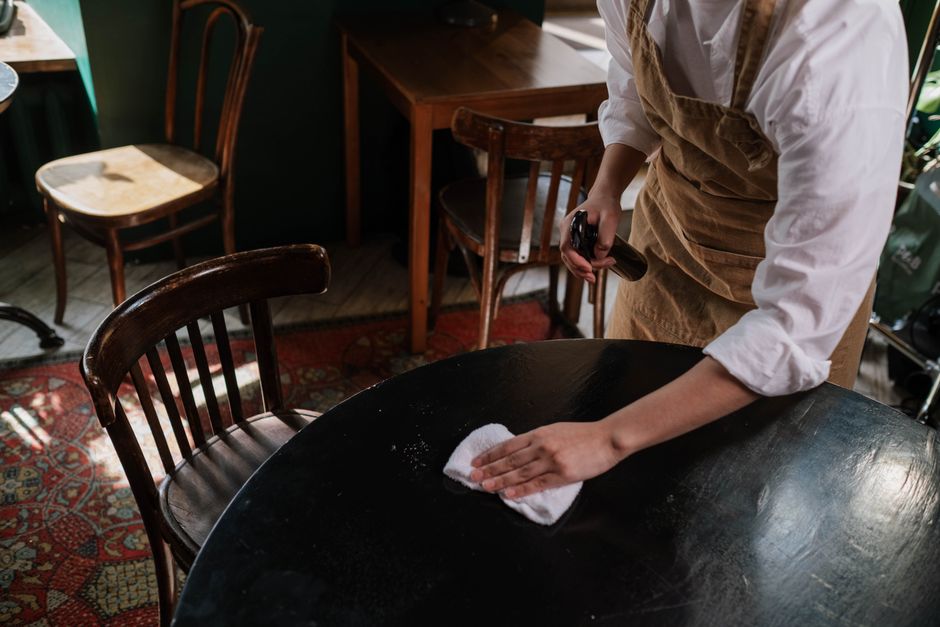
Even though sintered stone is engineered for durability, it still benefits from regular maintenance. Improper cleaning or accidental damage can compromise the surface finish and appearance. Understanding the material’s properties helps you avoid common mistakes that homeowners make. Regular care prevents buildup, maintains the original luster, and protects your investment. Taking time to learn proper maintenance now saves money and frustration later.
Key Takeaway: Sintered stone tabletops are durable and low-maintenance, but regular care ensures they stay beautiful and functional for years.
How Should You Clean Sintered Stone Tabletops Daily?
Daily cleaning is the foundation of sintered stone maintenance. Start by wiping spills immediately with a soft cloth and warm water to prevent staining and buildup. For everyday messes, mild dish soap and water work perfectly—no harsh chemicals needed. The non-porous nature of sintered stone means liquids won’t penetrate, making cleanup quick and easy. Dry the surface with a microfiber cloth to avoid water spots and streaks.
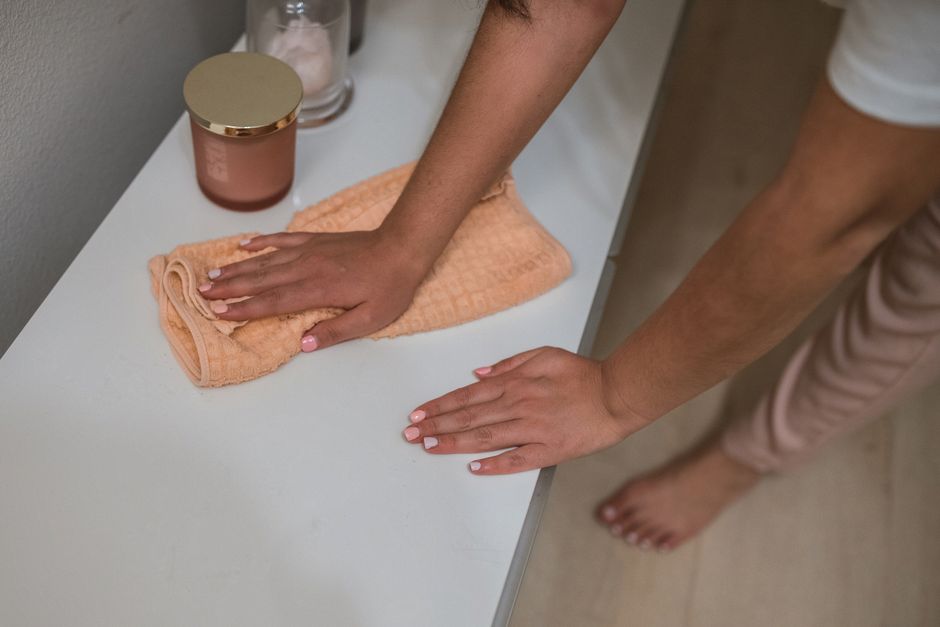
Avoid abrasive sponges or scrubbing pads that can dull the surface over time. Instead, use soft microfiber cloths or gentle cleaning cloths designed for stone surfaces. For stubborn residue, let warm soapy water sit for a few minutes before wiping. This approach is both effective and safe for your tabletop’s finish.
Best Daily Cleaning Products and Tools
- Soft microfiber cloths for wiping and drying surfaces.
- Mild dish soap mixed with warm water for general cleaning.
- Non-abrasive sponges or soft cleaning cloths.
- Distilled water to prevent mineral deposits and streaks.
- Paper towels for quick spill cleanup.
Invest in quality microfiber cloths—they’re inexpensive and last longer than paper towels. Keep a dedicated cloth near your dining area for quick cleanups. This simple habit prevents stains from setting and keeps your tabletop looking fresh daily.
Key Takeaway: Daily cleaning with mild soap, water, and soft cloths keeps sintered stone tabletops hygienic and beautiful.
What Deep Cleaning Methods Work Best for Sintered Stone?
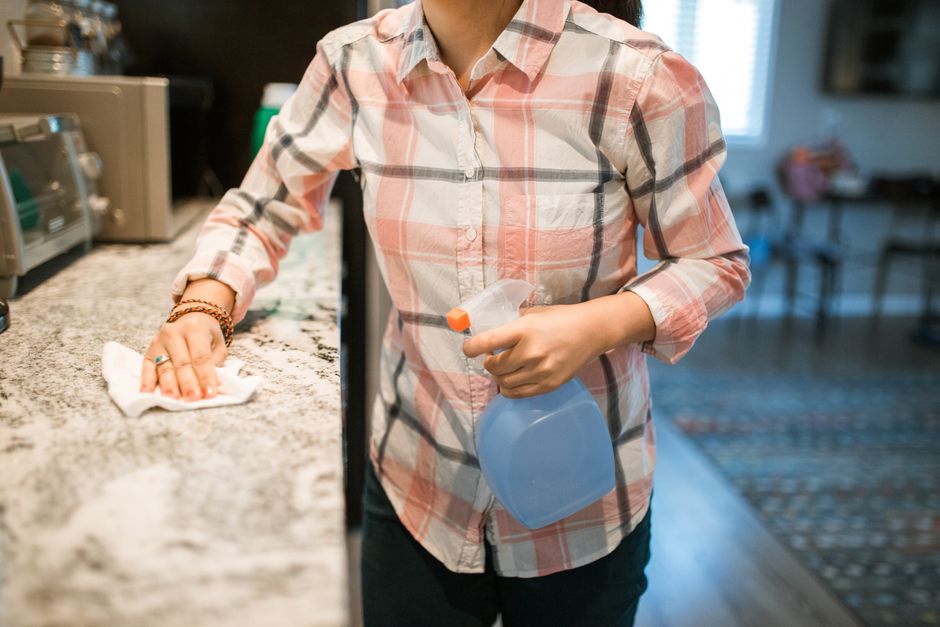
Deep cleaning should happen monthly or when the surface shows buildup or dullness. Mix equal parts white vinegar and water in a spray bottle for a natural, effective cleaner. Spray the solution onto the tabletop and let it sit for two to three minutes. Wipe thoroughly with a soft cloth, then rinse with clean water and dry completely. This method removes soap residue, mineral deposits, and light stains without damaging the surface.
For tougher stains like coffee, wine, or grease, make a paste with baking soda and water. Apply it to the stain, let it sit for five minutes, then gently rub with a soft cloth. Rinse with water and dry immediately. Avoid using bleach, ammonia, or acidic cleaners that can etch or discolor the surface over time.
Monthly Deep Cleaning Process
- Mix equal parts white vinegar and distilled water in a spray bottle.
- Spray the entire surface and let it sit for 2-3 minutes.
- Wipe with a soft microfiber cloth in circular motions.
- Rinse with clean water and dry thoroughly with a clean cloth.
- For stubborn stains, use a baking soda and water paste.
Never use commercial stone cleaners with silicone or wax—they can leave buildup and make the surface slippery. Stick to simple, natural solutions that clean effectively without residue. Your sintered stone tabletop will maintain its original matte or polished finish with these gentle methods.
Key Takeaway: Monthly deep cleaning with vinegar solution and baking soda paste removes buildup and keeps the surface pristine.
Do Sintered Stone Tabletops Need Sealing?
Unlike natural stone, sintered stone does not require sealing. The manufacturing process creates a completely non-porous surface that resists liquids, bacteria, and stains naturally. This is one of the biggest advantages of sintered stone over granite or marble. Water, wine, and oil cannot penetrate the material, eliminating the need for annual sealing treatments. This saves time and money on maintenance compared to traditional stone surfaces.

However, some manufacturers recommend applying a protective coating for aesthetic enhancement rather than functional protection. These coatings can add shine or enhance color depth. If you choose to apply a coating, use only products specifically designed for sintered stone. Always follow the manufacturer’s instructions and test on a small, inconspicuous area first.
Why Sintered Stone Doesn’t Need Sealing
- Non-porous surface prevents liquid penetration completely.
- Engineered manufacturing process creates a protective barrier.
- Resists bacteria, mold, and mildew growth naturally.
- Saves homeowners time and money on maintenance products.
- Maintains durability without periodic resealing treatments.
This maintenance advantage makes sintered stone ideal for busy households and commercial applications. You can enjoy a beautiful, durable surface without worrying about sealing schedules or protective treatments. Focus your efforts on regular cleaning instead of complex maintenance routines.
Key Takeaway: Sintered stone’s non-porous nature eliminates the need for sealing, making it truly low-maintenance.
How Can You Protect Sintered Stone from Heat and Scratches?
While sintered stone is heat-resistant, using trivets and hot pads is still recommended for very hot cookware. Place hot pots, pans, and baking dishes on trivets or heat-resistant mats before setting them on the tabletop. This protects not just the surface but also maintains the finish’s appearance over time. Extreme temperature changes can sometimes cause minor stress, so prevention is better than dealing with damage.
Scratches are rare on sintered stone because the material is harder than most kitchen utensils. However, avoid dragging sharp objects or heavy items directly across the surface. Use cutting boards when preparing food, and lift items rather than sliding them. These simple habits prevent unnecessary wear and keep your tabletop looking new.
Protective Measures for Daily Use
- Use trivets and coasters under hot dishes and beverages.
- Place cutting boards on the surface before using knives.
- Lift heavy items instead of dragging them across the table.
- Use placemats to protect from spills and stains.
- Avoid placing sharp or rough objects directly on the surface.
Invest in attractive trivets and coasters that complement your décor while protecting your investment. These items serve both functional and aesthetic purposes in your dining space. Quality protective accessories cost less than repairs and extend your tabletop’s lifespan significantly.
Key Takeaway: Use trivets, coasters, and cutting boards to protect sintered stone from heat marks and scratches.
What Should You Do If Your Sintered Stone Tabletop Gets Damaged?
Minor chips and scratches are uncommon but can occur with sintered stone. For small chips, contact the manufacturer for touch-up kits or repair services. Many manufacturers offer color-matched repair compounds that blend seamlessly with the surface. Professional repair ensures the fix matches your tabletop’s finish and appearance. Never attempt DIY repairs with generic fillers that may not match the color or texture.
For larger damage or structural issues, professional restoration is necessary. Sintered stone can be refinished by specialists who have the proper equipment and expertise. Contact your tabletop’s manufacturer or a certified stone restoration company for assessment and repair options. Insurance may cover accidental damage, so check your home coverage policy.
Damage Prevention and Repair Steps
- Report damage to the manufacturer within the warranty period.
- Request color-matched repair kits for minor chips.
- Hire certified professionals for large damage or refinishing.
- Document damage with photos for insurance claims if applicable.
- Avoid DIY repairs that may worsen the appearance.
Most sintered stone tabletops come with warranties covering manufacturing defects and sometimes accidental damage. Review your warranty documentation to understand coverage limits and claim procedures. Proper maintenance and protective measures prevent most damage, so focus on prevention first.
Key Takeaway: Address damage promptly with manufacturer repair kits or professional restoration services.
How Does Sintered Stone Compare to Other Countertop Materials?
Sintered stone offers distinct advantages over granite, marble, and quartz. Unlike granite and marble, sintered stone requires no sealing and resists etching from acidic substances. It’s harder than quartz and more stain-resistant than both natural stones. The non-porous surface makes it ideal for kitchens and dining areas where hygiene matters. Maintenance is simpler and less expensive compared to traditional stone options.
The durability and low-maintenance nature of sintered stone make it increasingly popular in 2026. Homeowners appreciate not having to worry about annual sealing or special cleaning products. For those interested in sustainable choices, explore how to spot greenwashing in furniture brands to ensure your sintered stone purchase comes from ethical manufacturers.
Comparison with Other Materials
- Granite: Requires sealing; etches from acidic foods; more porous.
- Marble: High maintenance; stains easily; needs frequent sealing.
- Quartz: Softer than sintered stone; can discolor with heat.
- Sintered Stone: No sealing needed; heat-resistant; non-porous; durable.
- Laminate: Affordable but less durable; susceptible to scratches.
Sintered stone’s engineered composition gives it consistent quality and performance that natural stones cannot match. You get the beauty of natural stone without the high maintenance demands. This makes it an excellent choice for modern households seeking durability and convenience.
Key Takeaway: Sintered stone outperforms traditional stone and quartz in durability and maintenance requirements.
What Are the Best Practices for Maintaining Sintered Stone Long-Term?
Establish a consistent maintenance routine to keep your sintered stone tabletop in excellent condition for decades. Daily wiping with soft cloths and mild soap prevents buildup and staining. Monthly deep cleaning with vinegar solution removes mineral deposits and restores shine. Quarterly inspections help catch any issues early before they become problems. Document your maintenance schedule and keep records of any professional services performed.
Invest in quality protective accessories like trivets, coasters, and placemats that enhance both function and aesthetics. Educate family members about proper care to prevent accidental damage. Keep the manufacturer’s contact information and warranty documentation in an accessible location for reference. These habits ensure your investment remains beautiful and functional for many years.
Long-Term Maintenance Checklist
- Daily: Wipe spills immediately with soft cloth and water.
- Weekly: Clean surface with mild soap and water.
- Monthly: Deep clean with vinegar solution and baking soda paste.
- Quarterly: Inspect for damage and assess finish condition.
- Annually: Review warranty coverage and document condition with photos.
Keep your sintered stone tabletop looking new by following these simple, proven maintenance steps. The investment in consistent care pays dividends in longevity and appearance. Your tabletop will remain a beautiful centerpiece of your home for generations to come.
Key Takeaway: Consistent daily and monthly maintenance routines preserve sintered stone tabletops for decades.
Frequently Asked Questions
Can you use bleach on sintered stone tabletops?
No, avoid bleach and ammonia-based cleaners on sintered stone. These harsh chemicals can discolor the surface and damage the finish. Stick to mild dish soap, white vinegar, and water for safe, effective cleaning. Natural solutions protect your tabletop while removing dirt and stains effectively.
Is sintered stone truly scratch-resistant?
Sintered stone is extremely scratch-resistant due to its hardness and engineered composition. Normal kitchen use rarely causes visible scratches. However, dragging sharp objects or rough surfaces directly across the tabletop can cause damage. Using cutting boards and lifting items prevents unnecessary wear and maintains the surface appearance.
How long do sintered stone tabletops last?
With proper maintenance, sintered stone tabletops can last 20-30 years or longer. The engineered material resists degradation from daily use, stains, and environmental factors. Quality manufacturing and consistent care maximize lifespan. Most manufacturers offer warranties covering defects for 10-25 years, reflecting the material’s durability and longevity.
Can you refinish a sintered stone tabletop?
Yes, professional refinishing is possible for sintered stone tabletops that have lost shine or developed surface wear. Specialized restoration companies can restore the original finish or apply new protective coatings. Contact your manufacturer for recommended refinishing specialists in your area. Professional refinishing costs less than replacement and extends your tabletop’s lifespan significantly.
What’s the best way to remove tough stains from sintered stone?
For tough stains, make a paste with baking soda and water, apply it to the stain, and let it sit for five minutes. Gently rub with a soft cloth, rinse thoroughly, and dry completely. For extremely stubborn stains, repeat the process or contact the manufacturer for specialized stain removal recommendations and products.
Do you need special cleaners for sintered stone?
No, sintered stone doesn’t require special cleaners. Mild dish soap and water work perfectly for daily cleaning. White vinegar and water solution is excellent for monthly deep cleaning. Avoid products with silicone, wax, or harsh chemicals that can leave residue. Simple, natural cleaning solutions are safest and most effective for maintaining your tabletop.
How Can You Maximize the Beauty and Longevity of Your Sintered Stone Investment?
Maintaining sintered stone tabletops requires minimal effort but delivers maximum results when done consistently. The key is establishing simple daily and monthly routines that prevent buildup and damage. Use soft cloths, mild soap, and natural solutions like vinegar and baking soda to keep surfaces pristine. Protect your tabletop with trivets, coasters, and cutting boards to prevent heat marks and scratches. Regular maintenance costs nothing but time and preserves your investment for decades.
Sintered stone’s non-porous, durable nature makes it one of the easiest tabletop materials to maintain compared to granite, marble, or quartz. You avoid expensive sealing treatments and complex care routines. By following the maintenance strategies outlined in this guide, your sintered stone tabletop will remain beautiful, hygienic, and functional for 20-30 years or more. Invest in quality protective accessories and stay consistent with your cleaning schedule for optimal results.
For additional home furniture care guidance, explore how to protect wood furniture during shipping and how to clean vegan leather sofa without chemicals for comprehensive home maintenance knowledge. Your sintered stone tabletop deserves the same thoughtful care you give other valuable home furnishings.
Key Takeaway: Simple, consistent maintenance with mild soap, water, and protective measures keeps sintered stone tabletops beautiful and durable for decades.









Write Your Review
No reviews yet. Be the first to share your experience!