

Quick Answer: How to Organize Shoes in a Small Entryway?
Organizing shoes in a small entryway requires vertical storage, multi-functional furniture, and smart categorization. Use wall-mounted racks, over-the-door organizers, corner shelves, and slim shoe cabinets to maximize limited floor space. Rotate seasonal shoes, declutter regularly, and choose storage solutions that match your entryway’s aesthetic. The most effective approach combines 2–3 storage methods rather than relying on a single system. This July 2026, prioritize accessibility and visual organization to keep your entryway functional and welcoming.
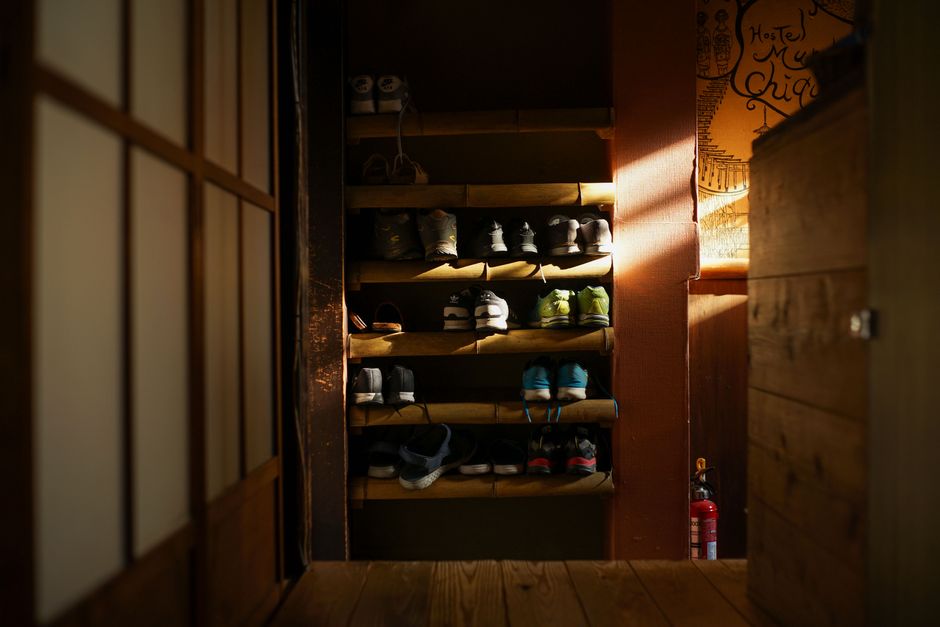
A cluttered entryway creates a poor first impression and wastes valuable real estate. Small entryways—typically 4 by 6 feet or smaller—demand creative thinking. Strategic shoe organization prevents tripping hazards, protects footwear from damage, and makes daily routines smoother. Whether you own five pairs or fifty, the right system transforms chaos into calm. This guide covers practical, budget-friendly solutions that work in tight spaces.
Key Takeaway: Vertical storage and multi-functional furniture are essential for organizing shoes in small entryways.
What Are the Best Vertical Storage Solutions for Shoes?
Vertical storage is the gold standard for small entryways because it preserves floor space. Wall-mounted racks, hanging organizers, and tall shelving units draw the eye upward and create an illusion of spaciousness. These solutions work especially well in entryways with bare walls or unused corners.
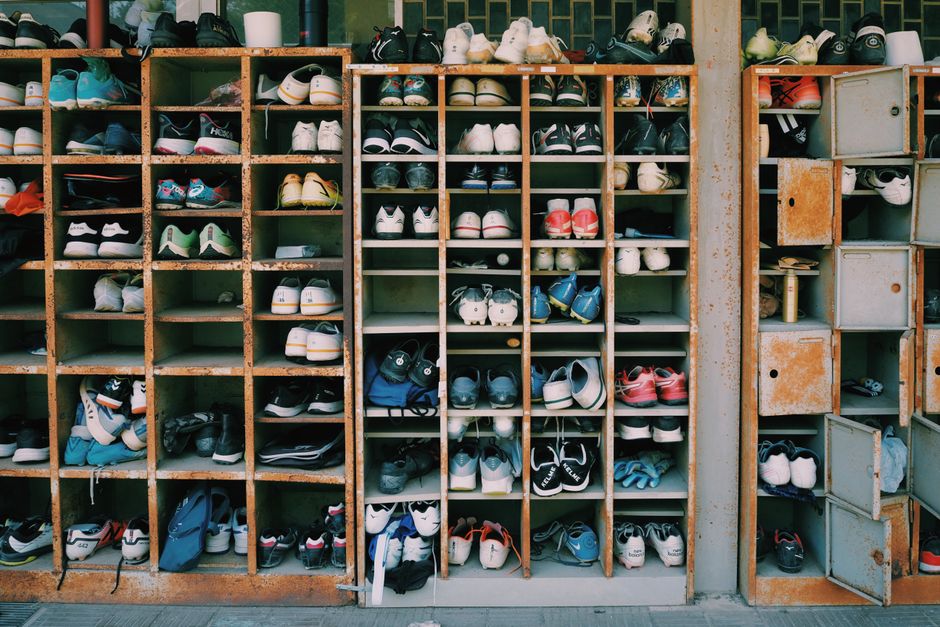
Wall-mounted shoe racks come in various styles and materials. Metal racks offer industrial appeal, while wooden options provide warmth and traditional charm. Floating shelves give flexibility—you can arrange shoes however you like and adjust shelf height as needed. Over-the-door organizers are ideal for renters since they require no wall damage.
- Wall-mounted metal racks: durable, modern, and space-efficient.
- Floating shelves: adjustable heights and customizable spacing.
- Over-the-door organizers: portable and renter-friendly solutions.
- Corner shelving units: maximize unused corner space effectively.
- Pegboard systems: modular and allow creative arrangement options.
Installing Wall-Mounted Racks Safely
Proper installation ensures your shoes stay secure and your walls remain undamaged. For drywall, use wall anchors rated for the weight of your shoe collection. Studs provide the strongest support—locate them with a stud finder before drilling. If you’re renting, check your lease before installing anything permanent.
Measure carefully before mounting. Mark your holes lightly with pencil, then use a level to ensure racks are straight. Heavy shoe collections benefit from multiple support points rather than single-point mounting. Test the rack’s stability before loading shoes.
Key Takeaway: Vertical storage maximizes entryway space while keeping shoes accessible and visible.
How Do You Choose the Right Shoe Cabinet for Tight Spaces?
Shoe cabinets offer closed storage that hides clutter while protecting footwear from dust and sunlight. In a small entryway, choose narrow, tall cabinets rather than wide ones. Look for designs with multiple shelves to accommodate various shoe heights and types.
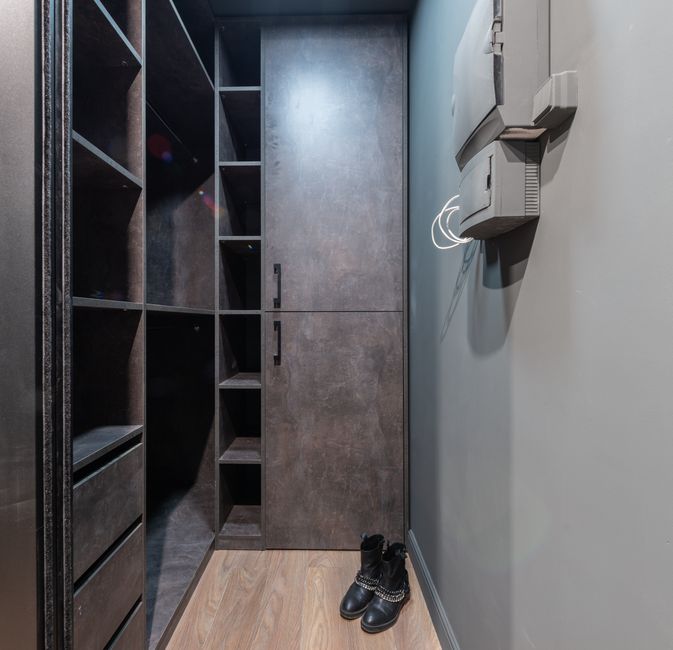
Slim shoe cabinets measure 12–18 inches wide and fit naturally beside doors or in corners. Some feature angled shelves that display shoes at a 45-degree angle—this looks elegant and makes selection easier. Others include a bench seat on top, combining storage with seating for putting shoes on or off.
- Angled-shelf cabinets: display shoes like a store and save space.
- Bench-top cabinets: add seating while storing 20–30 pairs.
- Corner units: utilize dead corner space effectively.
- Mirrored-door cabinets: reflect light and make entryways feel larger.
- Open-shelf cabinets: allow quick access and visual organization.
Evaluating Cabinet Materials and Durability
Material choice affects both durability and aesthetics. Wood cabinets offer timeless appeal but require occasional maintenance. Metal or composite materials resist moisture and wear better in high-traffic entryways. Entryways near exterior doors experience temperature and humidity fluctuations, so choose materials that handle these conditions.
Check weight limits before purchasing. A full shoe cabinet can weigh 100+ pounds. Ensure your entryway floor can support the cabinet and that the cabinet won’t tip over. Anti-tip brackets provide extra safety, especially in homes with children or pets.
Key Takeaway: Slim, tall cabinets with angled shelves maximize storage while maintaining visual appeal in small entryways.
What Organizational Systems Help You Maintain Shoe Order?
Even with perfect storage, shoes become disorganized without a system. Categorize shoes by type, season, or frequency of use. This prevents the “I can’t find anything” problem and makes getting dressed faster. A good system is simple enough to maintain daily.
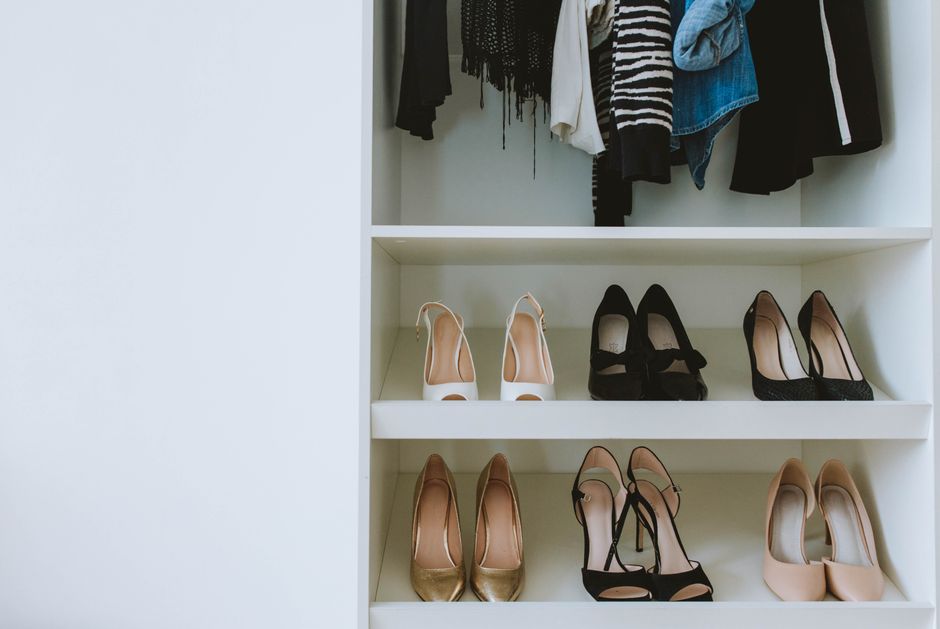
The most popular systems include color-coding, frequency-based sorting, and seasonal rotation. Color-coding works well for visual learners and makes matching outfits easier. Frequency-based sorting places everyday shoes at eye level and special-occasion pairs higher up. Seasonal rotation keeps your entryway from feeling cramped during summer or winter.
- Color-coded grouping: organize by shoe color for easy outfit matching.
- Frequency sorting: everyday shoes at accessible heights, special occasions higher.
- Seasonal rotation: store off-season shoes in bins elsewhere.
- Type-based organization: group sneakers, heels, flats, and boots separately.
- Labeled shelves: use tags to remind family members where shoes belong.
Decluttering Your Shoe Collection
Before organizing, honestly assess your collection. Most people wear only 20 percent of their shoes regularly. Donate or sell pairs you haven’t worn in a year. This immediately reduces storage needs and makes organizing easier.
Ask yourself: Does this shoe fit comfortably? Do I actually wear it? Is it in good condition? If the answer to any question is no, let it go. Keeping shoes you don’t wear wastes space and mental energy. A smaller, curated collection feels more intentional and is easier to maintain.
Key Takeaway: Systematic organization combined with regular decluttering keeps your entryway functional long-term.
How Can Multi-Functional Furniture Solve Entryway Shoe Storage?
Multi-functional pieces serve double duty in small spaces. A bench with shoe storage underneath provides seating while hiding footwear. Coat racks with built-in shoe shelves combine two essential entryway functions. Storage ottomans or cubes offer hidden shoe space plus additional uses.
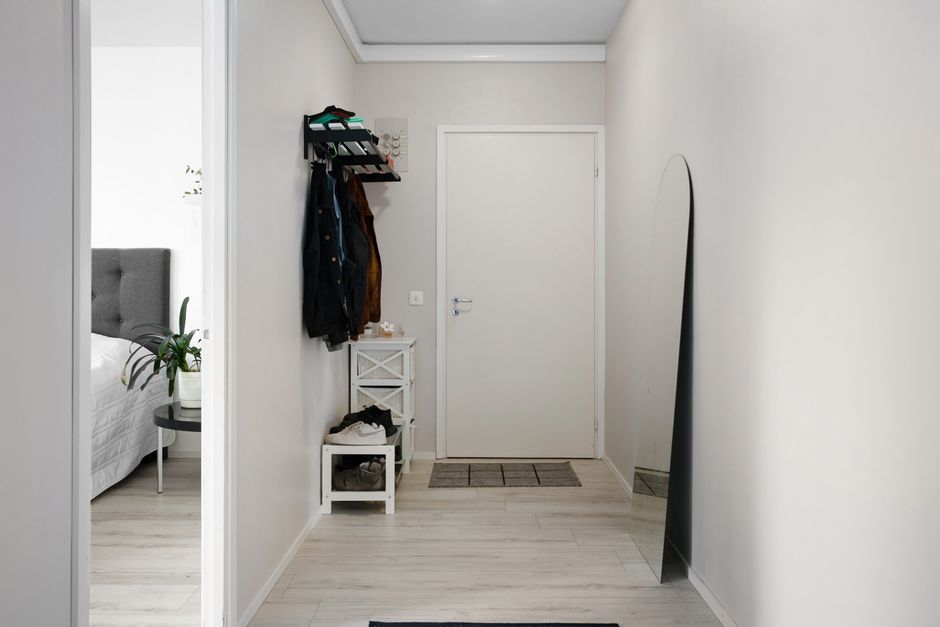
These hybrid solutions are especially valuable when entryway square footage is severely limited. A 24-inch-wide storage bench occupies minimal floor space but holds 8–12 pairs of shoes. It also gives visitors a place to sit while removing their own shoes. This creates a more welcoming entryway without requiring extra room.
- Storage benches: combine seating and shoe storage in one piece.
- Coat racks with shelves: add shoe storage to existing furniture.
- Storage cubes: modular, stackable, and adaptable to changing needs.
- Entryway consoles with shelves: display shoes while adding decorative appeal.
- Wall-mounted coat hooks with shelves: maximize vertical space efficiently.
Selecting Pieces That Match Your Décor
Storage furniture should enhance your entryway’s appearance, not detract from it. Choose colors and materials that coordinate with your home’s style. A rustic wooden bench suits farmhouse décor, while a sleek metal unit complements modern interiors. Neutral colors like white, gray, or natural wood work with most design schemes.
Consider your entryway’s existing elements—flooring, wall color, lighting. Storage pieces should feel intentional, not squeezed in. A well-chosen multi-functional piece becomes an attractive focal point rather than a necessary evil. This approach makes your entryway feel designed rather than cluttered.
Key Takeaway: Multi-functional furniture maximizes utility while maintaining visual harmony in small entryways.
What Practical Tips Help You Maintain Organized Shoes Long-Term?
Organization requires ongoing maintenance. Establish simple habits that prevent shoes from piling up again. A 5-minute weekly tidy-up prevents chaos from accumulating. Involve family members in the system so everyone knows where shoes belong.
Daily and Weekly Maintenance Habits
- Return shoes to their designated spot immediately after wearing them.
- Spend 5 minutes weekly straightening and realigning shoes on shelves.
- Wipe down shelves monthly to prevent dust accumulation.
- Check for damage or wear and repair or replace shoes promptly.
- Rotate seasonal shoes every 3 months to keep relevant pairs accessible.
- Review your collection quarterly and remove unworn pairs.
Protecting Shoes in Your Storage System
Proper storage extends shoe lifespan. Use shoe bags or boxes for delicate heels, formal shoes, or seasonal pairs. Cedar blocks or lavender sachets prevent odors and deter moths naturally. Ensure shelves are clean before placing shoes to avoid dirt transfer.
Good ventilation prevents moisture buildup and mold growth. Avoid storing shoes in sealed plastic containers for extended periods. If your entryway is humid, use silica gel packets or a small dehumidifier. For expensive shoes, consider individual storage boxes that protect while allowing visibility.
Key Takeaway: Simple daily habits and protective measures maintain organized, well-preserved shoes indefinitely.
How Do Small Entryway Layouts Affect Shoe Storage Options?
Your entryway’s specific layout determines which storage solutions work best. A narrow hallway requires different solutions than a small square space. Measure your entryway carefully and note obstacles like doors, windows, and light switches before choosing storage.
Narrow Hallway Entryways
Narrow entryways benefit from wall-mounted solutions that don’t protrude into walking space. Over-the-door organizers are ideal since they don’t reduce hallway width. Wall-mounted racks on one side create storage without blocking traffic flow. Avoid floor-based cabinets that make hallways feel cramped.
Small Square or Foyer Entryways
Square spaces allow more flexibility. A corner cabinet fits naturally without blocking doors or pathways. A storage bench along one wall provides seating and storage simultaneously. Floating shelves on multiple walls distribute shoes visually and functionally.
Entryways with Limited Wall Space
If walls are mostly covered by doors or windows, prioritize over-the-door solutions and corner shelving. Tall, narrow cabinets fit beside doors effectively. Pegboard systems maximize small wall sections. Vertical shoe racks that hang from ceiling corners work in spaces where traditional wall mounting isn’t possible.
Key Takeaway: Measuring and understanding your entryway layout ensures chosen storage solutions actually fit and function properly.
Frequently Asked Questions
How many pairs of shoes can fit in a small entryway?
Most small entryways can accommodate 15–30 pairs comfortably using vertical storage. A single wall-mounted rack holds 6–12 pairs. An over-the-door organizer stores 8–16 pairs. A slim shoe cabinet holds 20–30 pairs. Combining multiple storage methods allows 30–50 pairs in very small spaces while maintaining accessibility and visual order.
What’s the best way to store seasonal shoes in a small entryway?
Rotate seasonal shoes quarterly. Keep current-season shoes on accessible shelves or racks. Store off-season shoes in labeled plastic bins under a storage bench or in a closet. This approach maximizes your entryway’s limited space while keeping relevant shoes visible. Vacuum-seal bags compress off-season shoes further if space is extremely tight.
Are over-the-door shoe organizers effective for small entryways?
Yes, over-the-door organizers are excellent for small entryways because they require no wall drilling and don’t consume floor space. They hold 8–16 pairs depending on pocket size and depth. They work best for lightweight shoes like sneakers and flats rather than heavy boots. They’re particularly valuable for renters who can’t install permanent fixtures.
How do I prevent shoes from smelling bad in enclosed storage?
Ensure shoes are completely dry before storing them. Use cedar blocks, activated charcoal, or baking soda to absorb odors naturally. Ensure your storage area has adequate ventilation to prevent moisture buildup. Avoid sealing shoes in airtight containers for extended periods. Replace odor-absorbing materials monthly for best results.
What’s the most space-efficient shoe storage for very tiny entryways?
Over-the-door organizers combined with wall-mounted racks maximize tiny entryways. These two solutions together can store 20–25 pairs without consuming floor space. A narrow corner shelf adds additional capacity. If you own fewer than 15 pairs, a single over-the-door organizer might suffice entirely.
Should I use clear or opaque shoe storage containers?
Clear containers allow you to see shoes without opening them, saving time when getting dressed. Opaque containers hide clutter and create a cleaner visual appearance. Clear works better for frequently worn shoes; opaque works better for special-occasion or seasonal shoes. Consider using clear organizers for everyday shoes and opaque bins for storage elsewhere.
Conclusion: Creating Your Ideal Small Entryway Shoe Organization System
Organizing shoes in a small entryway is achievable with the right combination of storage solutions and systems. Vertical storage maximizes limited space while keeping shoes accessible and protected. Multi-functional furniture serves double duty, and strategic organization systems maintain order long-term. The key is choosing solutions that fit your specific entryway layout and lifestyle.
Start by measuring your space and assessing your shoe collection. Declutter ruthlessly, removing pairs you don’t wear. Then combine 2–3 storage methods—perhaps an over-the-door organizer, wall-mounted rack, and storage bench. Implement a simple organizational system and maintain it with weekly 5-minute tidying sessions. By July 2026, your entryway can be a functional, welcoming space that sets a positive tone for your home. Small entryways don’t require small thinking; they require smart thinking.
Key Takeaway: Strategic planning, vertical storage, and consistent maintenance transform even the tiniest entryway into an organized, functional shoe storage space.




Write Your Review
No reviews yet. Be the first to share your experience!